Choosing the Best Materials for Your Modern Cabinet Countertops: A Comprehensive Guide
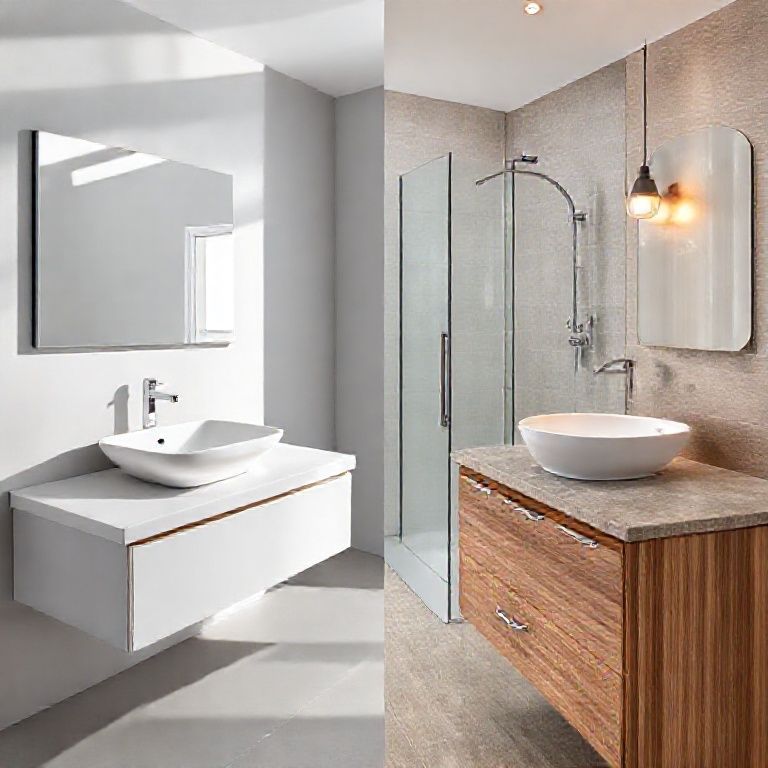
When it comes to modern cabinet design, the countertop material is one of the most crucial elements. It sets the tone for your kitchen or bathroom, adding both aesthetic appeal and functionality. Here’s an in-depth look at the most popular materials for cabinet countertops, each with its own unique benefits and considerations.
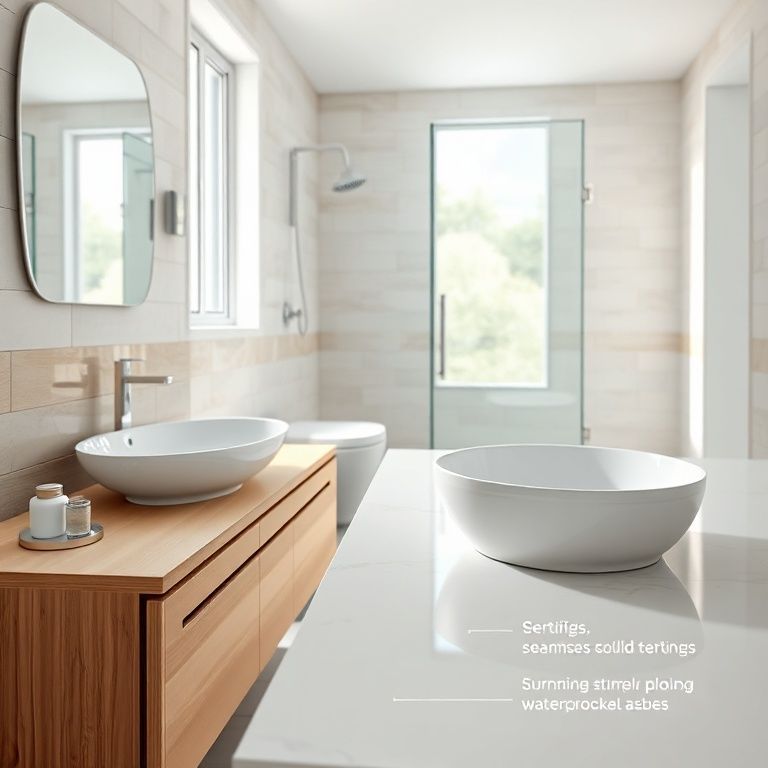
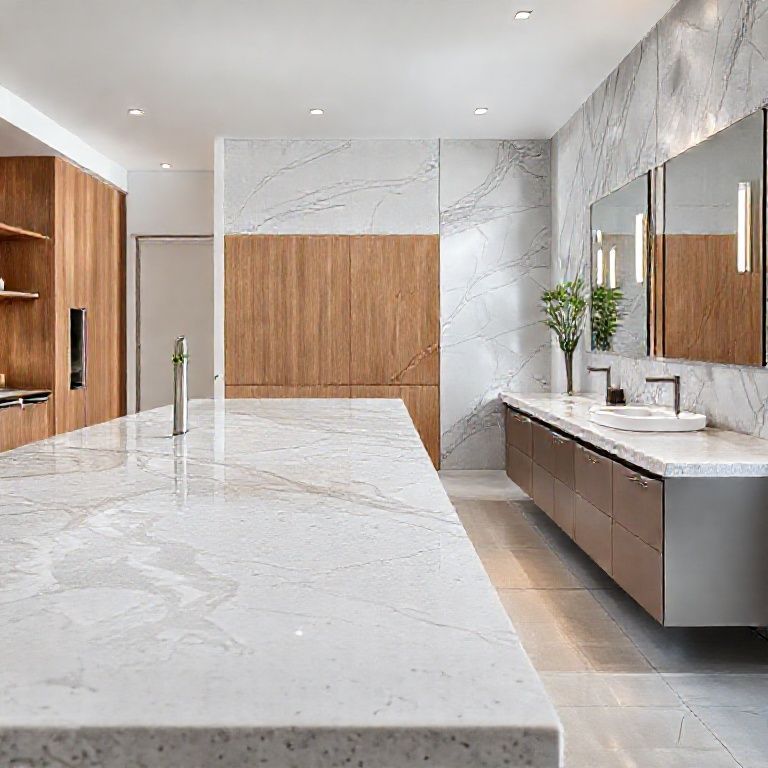
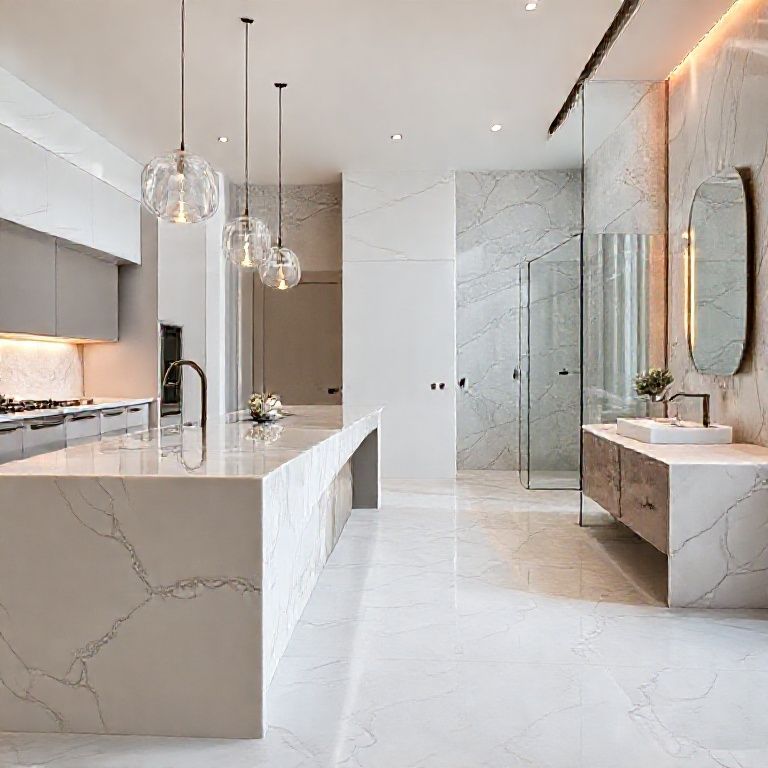
Marble Countertops: The Epitome of Luxury
Marble has long been a symbol of luxury and elegance. Renowned for its natural veining and stunning aesthetic, marble countertops are a timeless choice that exudes sophistication. The material is known for its beauty, but it also has its downsides.
Pros:
Aesthetic Appeal: Marble’s unique veining and color variations provide a one-of-a-kind look that is hard to replicate. Durability: While it is softer than other stones, high-quality marble is still quite durable and can withstand most everyday wear and tear. Easy to Clean: Most marble surfaces can be cleaned with simple soap and water, though it’s important to use a marble-safe polish to avoid etching.
Cons:
Porosity: Marble is porous, which means it can absorb stains and liquids. This requires regular sealing to maintain its beauty and longevity. Cost: Marble countertops are generally more expensive compared to other materials due to their luxury appeal.
Ideal Applications: Marble is ideal for high-end kitchens and bathrooms where a luxurious, classic look is desired.
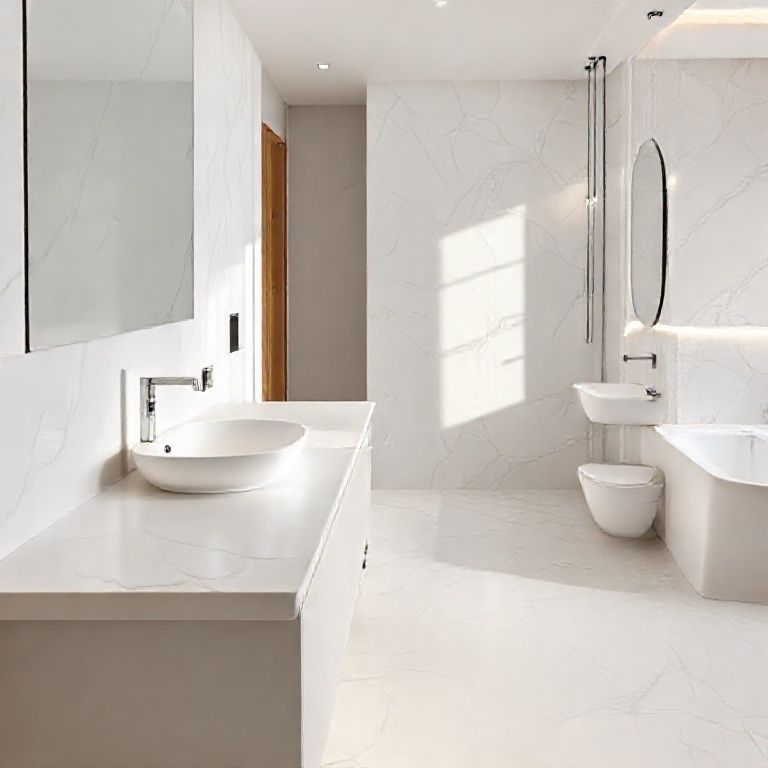
Quartz Countertops: The Ultimate Blend of Style and Durability
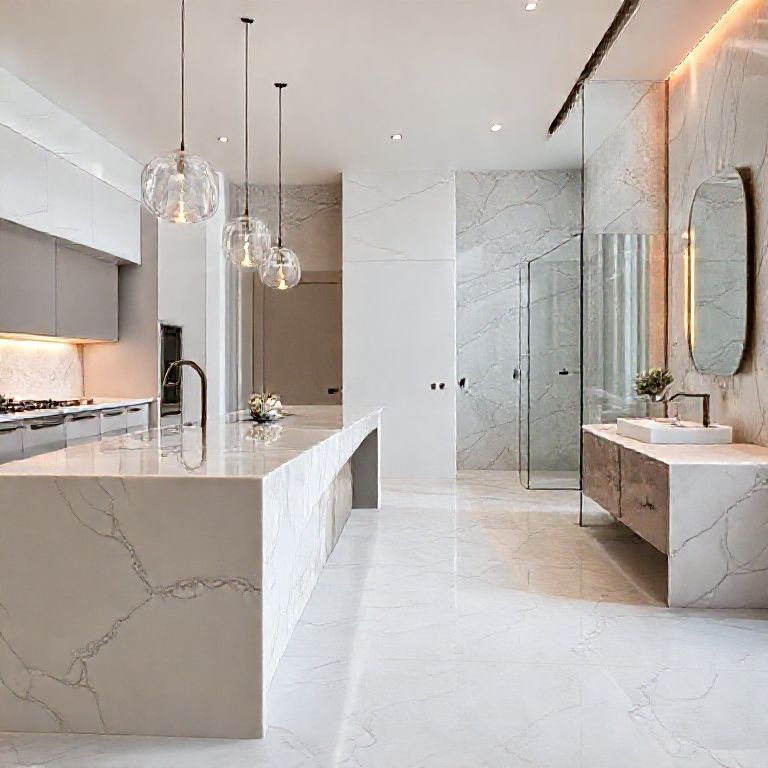
Quartz has revolutionized the countertop market with its unmatched combination of beauty and durability. Manufactured from 93% quartz by weight, these countertops are virtually indestructible.
Pros:
Durability: Quartz is incredibly durable, resistant to scratches, stains, and scratches, making it a low-maintenance option. Affordability: While the initial cost might be higher than some alternatives, quartz’s longevity and low maintenance costs make it a cost-effective choice in the long run. Variety: Available in countless colors and patterns, quartz can mimic the look of any natural stone, including marble and granite.
Cons:
Installation: Quartz requires specialized installation methods and tools, which can add to the overall cost. Weight: Quartz countertops are heavy, so additional support might be needed during installation.
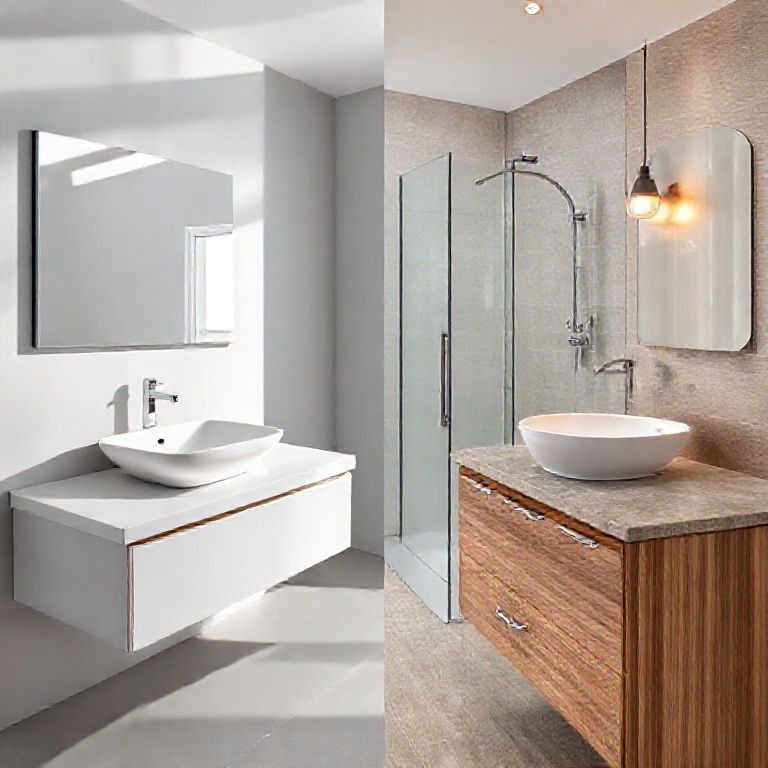
Ideal Applications: Quartz is perfect for modern, minimalist kitchens and bathrooms where a sleek, durable surface is preferred.
Granite Countertops: Strength Meets Style
Granite has been a favorite for decades due to its impressive strength and beautiful appearance. Known for its durability and natural look, granite offers a variety of colors and patterns.
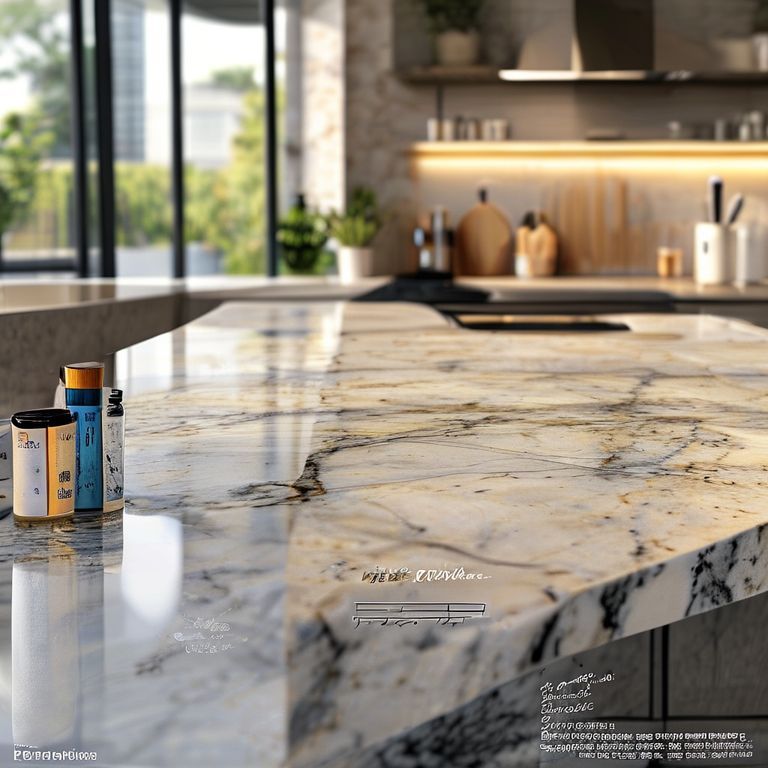
Pros:
Durability: Granite is one of the hardest natural stones available, making it extremely resistant to scratches, stains, and heat. Affordability: Compared to marble, granite is generally more affordable, though it still carries a premium price tag. Aesthetic: Granite’s natural look is unmatched, providing a timeless and elegant appearance.
Cons:
Porosity: Like marble, granite is porous and can absorb stains. It requires regular sealing to maintain its appearance. Weight: Granite is also heavy, requiring strong support during installation.
Ideal Applications: Granite is ideal for traditional and contemporary kitchens and bathrooms where durability and a natural stone look are prioritized.
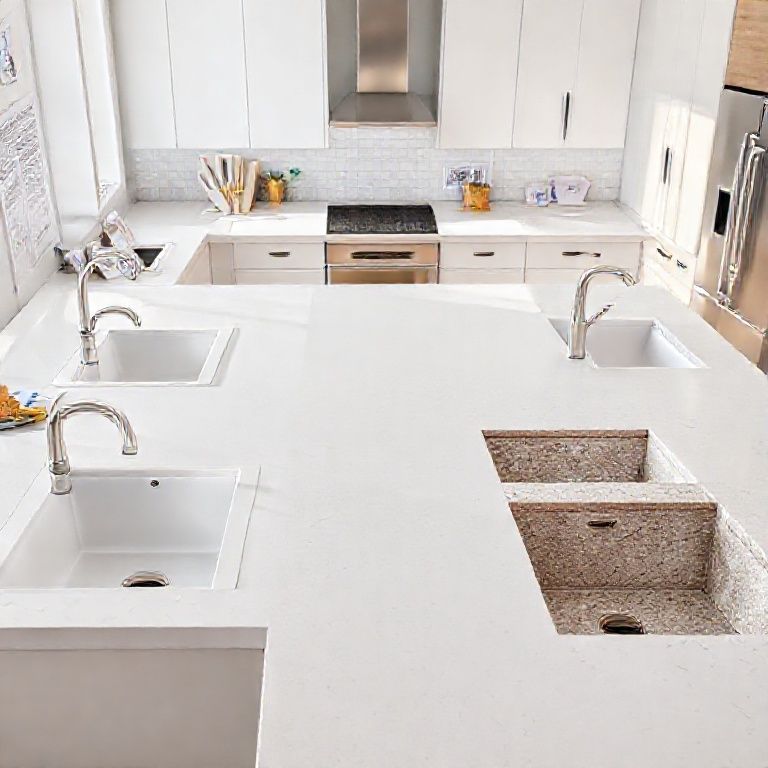
Laminate Countertops: Budget-Friendly and Versatile
For those looking for an affordable yet versatile option, laminate countertops are a great choice. Made from multiple layers of paper and coated with a protective plastic layer, laminate offers a variety of designs and colors.
Pros:
Affordability: Laminate is one of the most budget-friendly options, making it accessible to a wide range of homeowners. Design Variety: Available in numerous colors and patterns, laminate can mimic the look of stone, wood, and more. Low Maintenance: Easy to clean and resistant to most stains and scratches.
Cons:
Durability: Laminate is not as durable as natural stone, and it can chip or crack under heavy use. Heat Resistance: Laminate is not heat-resistant, so it’s best used in areas where hot pots and pans are not common.
Ideal Applications: Laminate is perfect for small kitchens or bathrooms where affordability and low maintenance are more important than durability.
Choosing the Best Materials for Your Modern Cabinet Countertops: A Comprehensive Guide
Continuing from where we left off, this second part of our guide will delve into some specialized and eco-friendly options for modern cabinet countertops. These materials offer unique benefits that cater to specific needs and preferences.
Composite Countertops: Combining the Best of Both Worlds
Composite countertops are engineered to combine the best properties of natural stone and resin. These materials are made by mixing natural stone powder with resin and then compressing it under high pressure.
Pros:
Durability: Composites are highly durable, resistant to scratches, stains, and even most chemicals. Design Flexibility: Available in a wide range of colors and patterns, composites can closely mimic the look of natural stone. Low Maintenance: Easy to clean and maintain, requiring no sealing or special care.
Cons:
Cost: While more affordable than pure natural stone, composite countertops are still more expensive than some other options. Installation: Like quartz, composite countertops require specialized installation tools and techniques.
Ideal Applications: Composites are ideal for kitchens and bathrooms where durability and design flexibility are crucial.
Solid Surface Countertops: Unmatched Durability and Style
Solid surface countertops, such as Corian and Formica, are made from materials like acrylic, polyester, or polyvinyl chloride (PVC). These materials offer unmatched durability and design versatility.
Pros:
Durability: Extremely resistant to scratches, stains, and cuts, solid surfaces are ideal for high-traffic areas. Design Variety: Available in virtually any color or pattern, solid surfaces can mimic the look of natural stone, wood, or even metal. Low Maintenance: Easy to clean and maintain, with no need for sealing or special care.
Cons:
Cost: Generally more expensive than laminate, solid surfaces can be costly. Heat Resistance: While durable, some solid surfaces are not heat-resistant, so they’re best used in areas where hot items are not frequently placed.
Ideal Applications: Solid surfaces are perfect for modern kitchens and bathrooms where a sleek, durable, and easy-to-maintain surface is desired.
Eco-Friendly Countertops: Sustainable Choices for the Modern Home
In recent years, there has been a growing interest in eco-friendly materials for countertops. These options not only reduce environmental impact but also offer unique benefits.
Bamboo Countertops: A Sustainable and Stylish Choice
Bamboo is a fast-growing, renewable resource that offers a unique look and texture. Bamboo countertops are made by compressing bamboo fibers and then curing them at high pressure and temperature.
Pros:
Sustainability: Bamboo grows quickly and is a renewable resource, making it an eco-friendly choice. Durability: While not as hard as stone, bamboo is durable and resistant to scratches and stains. Aesthetic Appeal: Bamboo has a distinctive look and texture that adds warmth and character to any space.
Cons:
Cost: Bamboo countertops are more expensive than some other eco-friendly options. Maintenance: Bamboo can be susceptible to scratches, so it requires careful handling and maintenance.
Ideal Applications: Bamboo is ideal for eco-conscious homeowners who want a stylish, sustainable countertop with a unique texture.
Recycled Glass Countertops: Transforming Waste into Beauty
Recycled glass countertops are made from crushed glass that is melted and molded into a solid surface. This not only reduces waste but also offers a unique, eye-catching design.
Pros:
Sustainability: Made from recycled glass, these countertops reduce waste and environmental impact. Durability: Extremely durable, resistant to scratches, stains, and cuts. Design Variety: Available in a wide range of colors and patterns, recycled glass can mimic the look of natural stone or provide a unique, modern aesthetic.
Cons:
Cost: Generally more expensive than some other eco-friendly options. Installation: Requires specialized installation tools and techniques.
Ideal Applications: Recycled glass is perfect for modern, eco-conscious homeowners who want a durable, stylish, and sustainable countertop.
Conclusion
结论
大理石台面: 优点:美观独特,经典不过时。 缺点:易染色,需要定期密封处理。 适用场景:高端厨房或浴室,追求经典优雅。 石英石台面: 优点:高耐用性,抗污抗刮,设计灵活多样。 缺点:安装费用较高,需要专业工具。 适用场景:现代风格厨房,追求耐用和低维护。
花岗岩台面: 优点:耐用、耐刮擦,自然美观。 缺点:易吸收液体和染色,需要定期密封。 适用场景:传统风格厨房,注重自然石材美感。 层压板台面: 优点:价格实惠,设计灵活多样。 缺点:耐用性相对较差,易受冲击损伤。 适用场景:预算有限的家庭,追求经济实惠。
复合材料台面: 优点:结合了多种材料的优点,耐用且美观。 缺点:成本相对较高。 适用场景:现代风格厨房,追求多样化设计和高耐用性。 竹材台面: 优点:环保,自然美观。 缺点:耐用性较差,需要定期维护。 适用场景:追求环保、自然风格的家庭。 回收玻璃台面: 优点:环保,耐用,设计灵活。
缺点:成本较高,需要专业安装。 适用场景:现代风格厨房,注重环保和耐用性。
综合考虑因素
在选择橱柜台面材料时,以下几个因素需要综合考虑:
预算:材料的成本直接影响整体预算,需根据个人经济状况做出选择。 耐用性:根据家庭成员的使用习惯选择合适的耐用性材料,例如厨房使用频繁的区域,建议选择石英石或花岗岩。 维护成本:一些材料需要定期维护,如大理石和花岗岩需要密封处理,而石英石则不需要。
美观性:根据整体设计风格选择适合的材料,比如现代风格可以选择石英石或回收玻璃,传统风格可以选择大理石或花岗岩。 环保性:选择可再生资源或回收材料,如竹材或回收玻璃,可以减少环境负担。
未来趋势
随着人们对环保和可持续发展的关注不断提升,未来橱柜台面材料将更加注重环保性和可再生性。新型复合材料和创新设计将不断涌现,为消费者提供更多选择。智能化、自清洁等功能的台面材料也将成为未来的发展趋势。
希望这些信息能帮助你做出更明智的选择,找到最适合你家居环境和需求的橱柜台面材料。如果你有更多具体的问题或需求,欢迎继续提问!