Choosing the Perfect Cabinet Countertop Material: A Comprehensive Guide
When it comes to kitchen design, one of the most critical elements to consider is the material of the cabinet countertop. The right choice can transform a kitchen’s look and feel while also affecting its functionality and longevity. In this first part of our comprehensive guide, we’ll explore the most popular materials used for cabinet countertops, focusing on their durability, aesthetics, and maintenance requirements.
1. Granite: The Epitome of Durability and Style
Granite is often hailed as one of the most durable materials for kitchen countertops. Known for its strength, granite can withstand heavy use and resist scratches and stains. Its natural stone composition gives it a timeless and elegant appeal, making it a favorite among those who appreciate a luxurious look.
Pros:
Durability: Granite is highly resistant to heat, scratches, and stains, making it an excellent choice for kitchens that see frequent use. Aesthetic Appeal: Available in a wide range of colors and patterns, granite can complement almost any kitchen design. Low Maintenance: Granite countertops require minimal maintenance. A simple wipe-down with a damp cloth and a granite-specific polish usually suffice.
Cons:
Cost: Granite is one of the more expensive countertop materials, and prices can vary widely based on the type and quality of the stone. Installation: Due to its weight and hardness, granite requires professional installation to avoid potential damage.
2. Quartz: The Modern Marvel
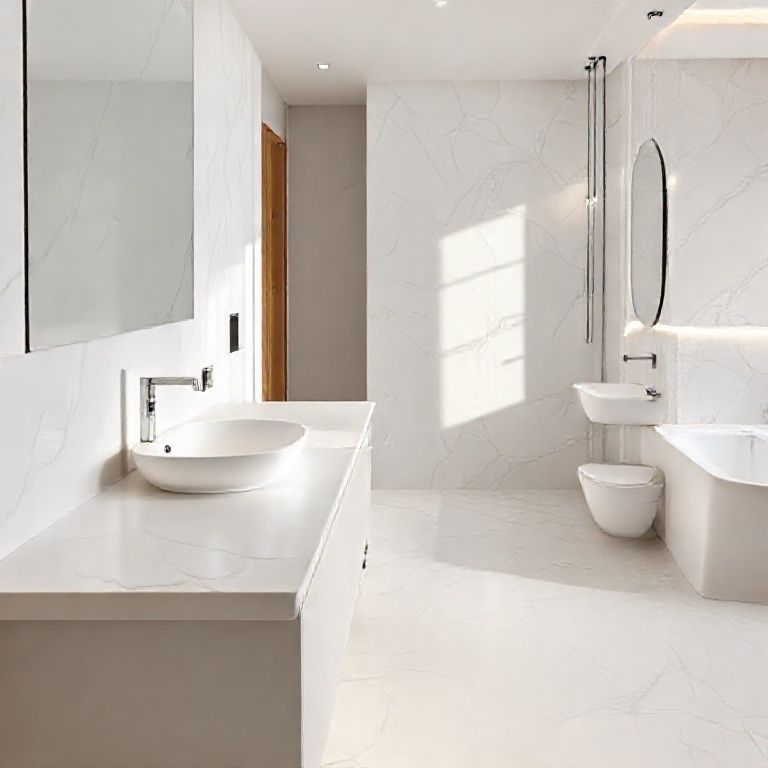
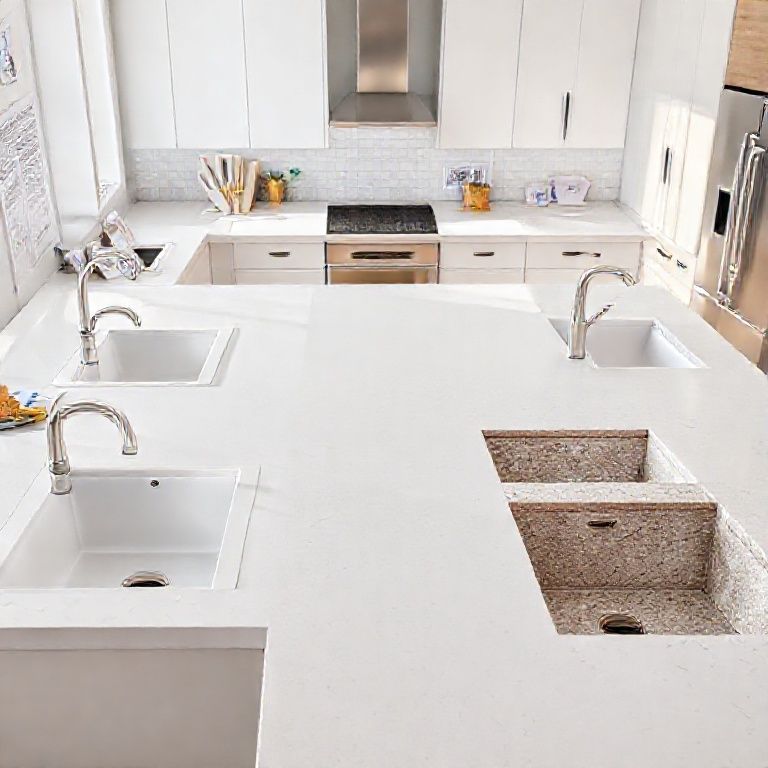
Quartz has emerged as a popular alternative to traditional stone countertops. Made from 90% natural stone and 10% polymer resin, quartz offers the beauty of natural stone with the added benefits of durability and ease of maintenance.
Pros:
Scratch and Stain Resistance: Quartz is incredibly tough and can withstand scratches, stains, and heat, making it suitable for busy kitchens. Affordability: Generally more affordable than granite, quartz provides a cost-effective option without compromising on quality. Low Maintenance: Easy to clean with a simple wipe-down, quartz countertops require minimal upkeep.
Cons:
Weight: While lighter than granite, quartz countertops are still heavy and may require professional installation. Heat Resistance: Despite its durability, quartz can still be damaged by very high temperatures. It’s essential to use heat-safe pads when cooking.
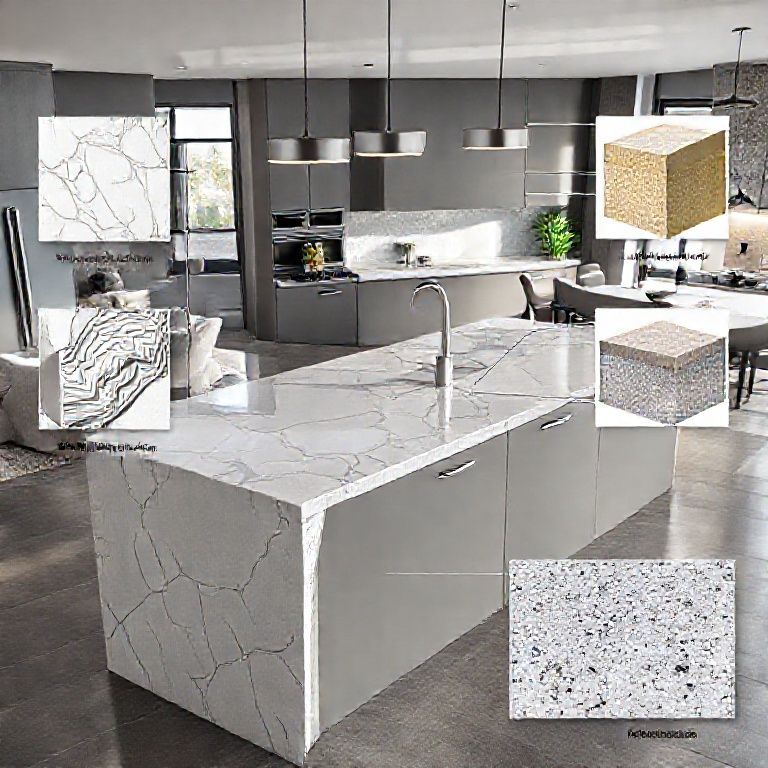
3. Solid Wood: The Timeless Choice
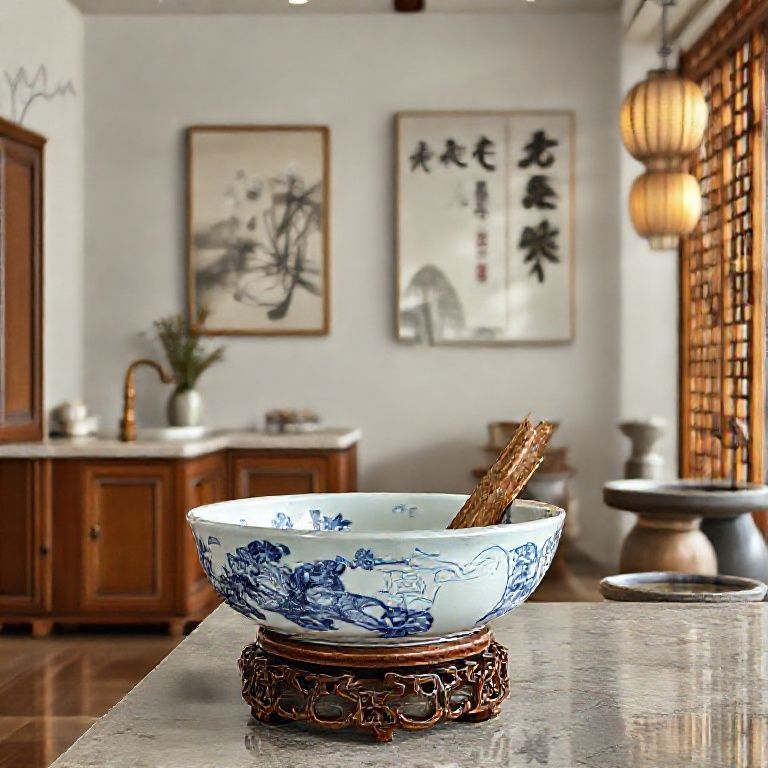
For those who prefer a more rustic and natural look, solid wood countertops offer a warm and inviting aesthetic. Made from a single piece of wood, these countertops provide a unique grain pattern with every piece.
Pros:
Aesthetic Appeal: The natural beauty of wood offers a warm, organic look that can enhance any kitchen design. Durability: When properly maintained, solid wood countertops can last for decades. Customizability: Wood can be stained or painted to match any desired color scheme.
Cons:
Maintenance: Solid wood requires regular maintenance, including sealing, re-staining, and occasional refinishing to prevent scratches and moisture damage. Cost: High-quality solid wood can be expensive, especially for large countertop areas.
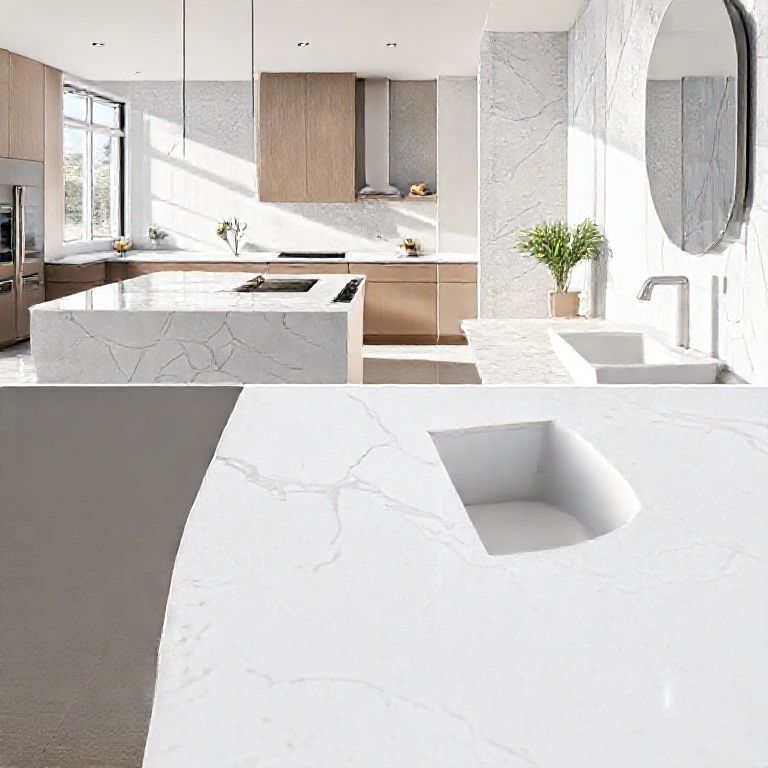
4. Laminate: The Budget-Friendly Option
Laminate countertops are a popular choice for those looking for an affordable yet stylish option. Made from a layer of paper or fabric that is bonded to a core material, laminate offers a variety of designs and colors.
Pros:
Cost-Effective: Laminate is one of the most affordable countertop materials available. Design Versatility: Comes in numerous patterns and colors, allowing for easy customization. Easy Maintenance: Simple to clean with a damp cloth and minimal upkeep.
Cons:
Durability: Less durable than other materials, laminate can scratch and may not withstand heavy use. Heat Sensitivity: Not suitable for areas that experience high heat, as it can discolor or crack.
5. Composite: The Versatile Choice
Composite countertops combine the best features of stone and resin, offering durability and aesthetic versatility. Made from a mixture of natural stone, sand, and other materials, these countertops are designed to mimic the look of natural stone while being more resistant to scratches and stains.
Pros:
Durability: Highly resistant to scratches, stains, and heat. Affordability: Generally more affordable than solid stone countertops. Low Maintenance: Easy to clean and maintain.
Cons:
Weight: Heavier than laminate but lighter than granite, requiring professional installation. Cost: More expensive than laminate but less costly than solid stone.
Choosing the Perfect Cabinet Countertop Material: A Comprehensive Guide
In the second part of our comprehensive guide, we’ll continue to explore the different materials available for cabinet countertops, focusing on cost, installation, and unique benefits that each material offers. Whether you’re planning a kitchen renovation or just considering an upgrade, understanding these factors will help you make an informed decision.
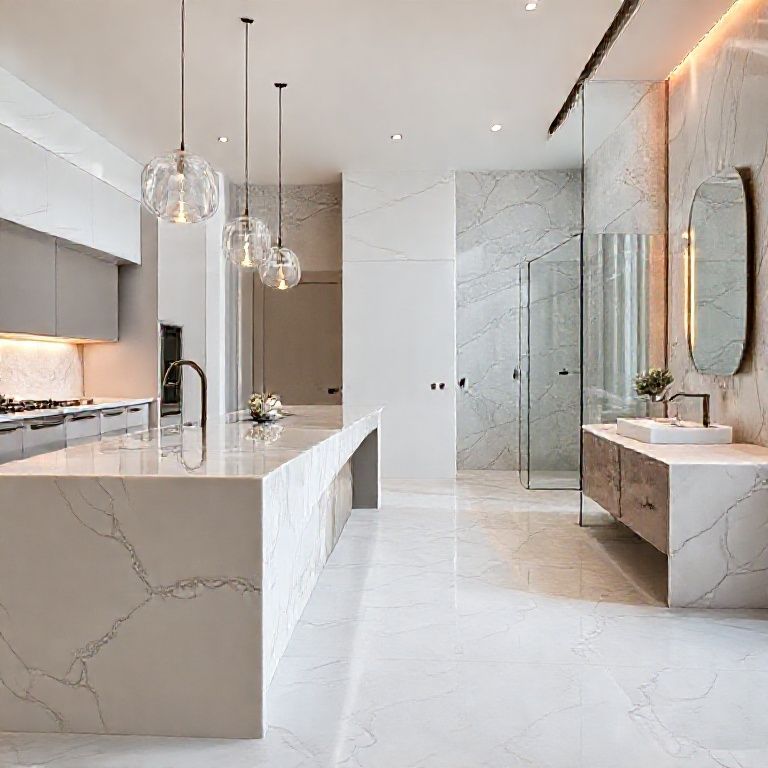
1. Marble: The Classic Elegance
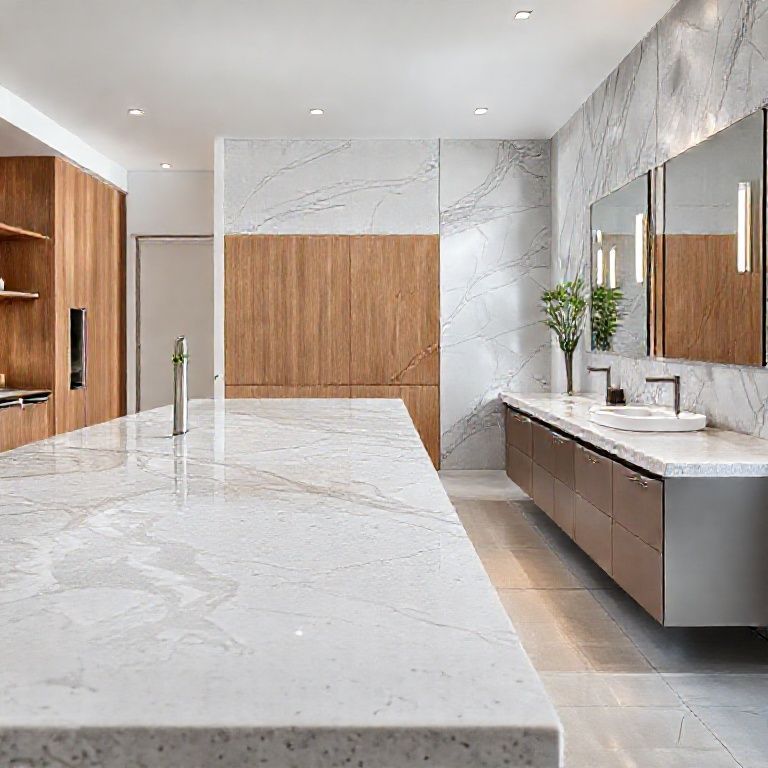
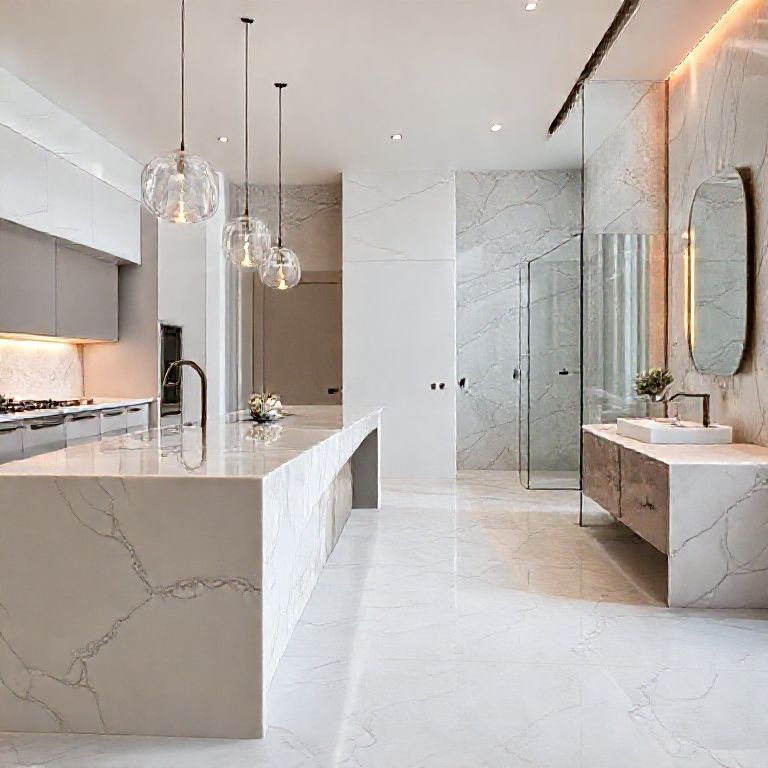
Marble is renowned for its stunning aesthetic appeal, with its unique veining and color patterns. While it may not be the most durable option, it remains a popular choice for those who prioritize elegance and beauty.
Pros:
Aesthetic Appeal: Marble offers a luxurious and classic look that can elevate any kitchen. Variety: Available in numerous colors and patterns, marble can be customized to match any design vision. Durability: While less durable than granite, high-quality marble can still withstand everyday wear and tear with proper maintenance.
Cons:
Cost: Marble is one of the more expensive countertop materials, and prices can vary widely based on the type and quality of the stone. Maintenance: Requires regular sealing and maintenance to prevent staining and water damage. Installation: Due to its weight and delicate nature, professional installation is recommended.
2. Engineered Stone: The Hybrid Solution
Engineered stone combines the benefits of natural stone with the advantages of composite materials. Made from layers of natural stone bonded together, engineered stone offers durability and a natural appearance without the high cost of solid stone.
Pros:
Durability: Highly resistant to scratches, stains, and heat. Aesthetic Appeal: Offers a natural stone look at a fraction of the cost of solid stone. Low Maintenance: Easy to clean and maintain.
Cons:
Weight: Heavier than laminate but lighter than granite, requiring professional installation. Cost: More expensive than laminate but less costly than solid stone.
3. Stainless Steel: The Industrial Look
For a more modern and industrial aesthetic, stainless steel countertops offer a sleek and durable option. These countertops are highly resistant to stains, scratches, and heat, making them ideal for busy kitchens.
Pros:
Durability: Extremely resistant to scratches, stains, and heat. Aesthetic Appeal: Provides a sleek, modern look that complements a variety of kitchen designs. Low Maintenance: Easy to clean and maintain.
Cons:
Cost: Stainless steel can be expensive, especially for large countertop areas. Installation: Requires professional installation to ensure a proper fit and seal. Aesthetic Limitations: While modern, the industrial look may not suit everyone’s taste.
4. Corian: The Customizable Composite
Corian, a brand of solid surface composite material, offers a wide range of customizable options. Known for its durability and ease of maintenance, Corian is a versatile choice for those who want a high-quality countertop.
Pros:
Durability: Highly resistant to scratches, stains, and heat. Aesthetic Versatility: Available in a wide range of colors and patterns, allowing for easy customization. Low Maintenance: Easy to clean and maintain.
Cons:
Weight: Heavier than laminate but lighter than granite, requiring professional installation. Cost: More expensive than laminate but less costly than solid stone.
5. Vinyl: The Budget-Friendly Option
Vinyl countertops, also known as PVC, offer an affordable and durable option for those on a budget. These countertops are highly resistant to stains, scratches, and moisture, making them a practical choice for many kitchens.
Pros:
Cost-Effective: One of the most affordable countertop materials available. Durability: Highly resistant to scratches, stains, and moisture. Design Versatility: Available in numerous colors and patterns, allowing for easy customization.
Cons:
Aesthetic Limitations: May not be suitable for those seeking a more elegant or natural look. Installation: Requires professional installation to ensure a proper fit and seal. Heat Sensitivity: Not suitable for areas that experience high heat, as it can discolor or crack.
Conclusion
Choosing the perfect cabinet countertop material is a crucial decision当然,继续我们的讨论吧。在家居装修或者厨房设计中,选择合适的橱柜台面材料不仅关系到美观,还涉及到耐用性和维护成本。
1. 大理石(Marble)
优点:
美观:独特的天然纹理和丰富的颜色,经典且高档。 耐热性:大理石不会因热而变形。
缺点:
易划伤:大理石较软,容易被刀具划伤。 需要保养:需要定期涂抹专门的大理石保养剂,以防止污渍。
2. 花岗岩(Granite)
优点:
耐用性强:花岗岩非常坚硬,抗刮擦和抗压,寿命长。 耐热:不会因热而变形。 抗化学性强:不易受化学品影响。
缺点:
重量大:需要专业安装。 价格高:相对于其他材料,花岗岩的价格较高。
3. 人造石(Quartz)
优点:
耐用:高度耐刮擦、耐热、抗污渍。 多样性:可以模仿各种天然石材的外观,价格相对亲民。 易清洁:表面光滑,不易粘污。
缺点:
重量大:需要专业安装。 耐酸碱性差:尽管耐用,但对强酸和强碱有一定的抵抗力。
4. 实木(Solid Wood)
优点:
自然美观:独特的木纹和自然色彩,环保健康。 耐热:不会因热而变形。
缺点:
易变形和开裂:受湿度和温度影响较大,需要特别保养。 易划伤:容易被划伤,需要定期保养。
5. 复合板(Composite)
优点:
多样化:可以模仿石材、木材等各种材质。 耐用:抗刮擦、抗污渍、抗火焰。
缺点:
重量大:需要专业安装。 价格中等偏上:根据复合材料的选择,价格可能有所浮动。
6. 不锈钢(Stainless Steel)
优点:
耐用:非常耐腐蚀、抗刮擦。 易清洁:表面光滑,不易粘污,清洁方便。
缺点:
冷感:触感较冷。 易划伤:虽然耐用,但容易被锋利物体划伤。
7. 瓷砖(Ceramic Tile)
优点:
易清洁:表面光滑,不易粘污,清洁方便。 多样化:有各种颜色和纹理可选择。
缺点:
易碎:不如石材耐用。 热扩散性差:热膨胀系数大,长期使用可能会出现开裂。
总结
选择厨房台面材料时,应根据个人需求和预算综合考虑。如果追求高端、经典的外观,大理石和花岗岩是不错的选择;如果注重耐用性和易维护性,人造石和复合板是更好的选择;对于现代、工业风格的设计,不锈钢是一个很好的选择。希望这些信息能帮助你做出更合适的决定。