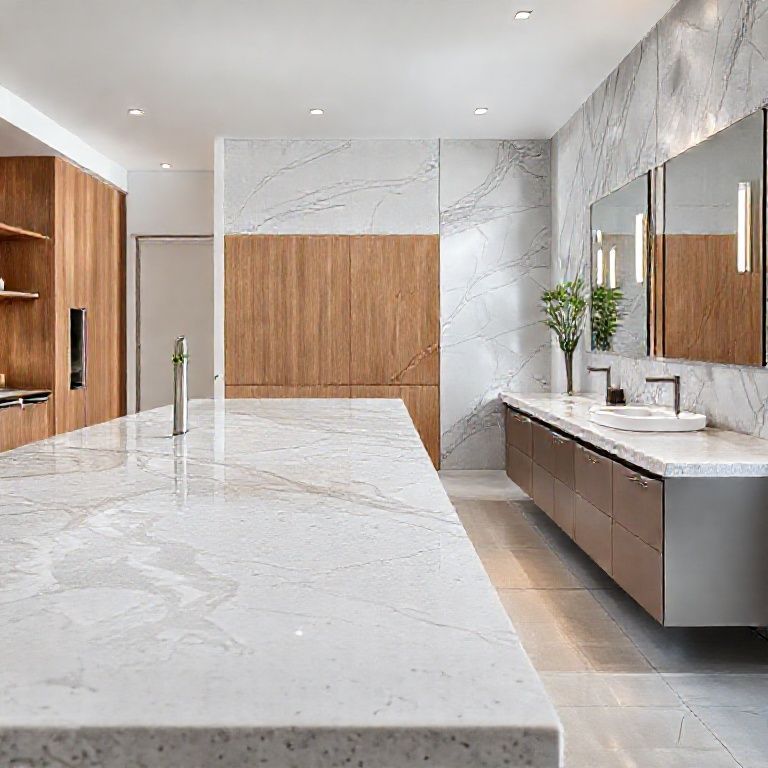
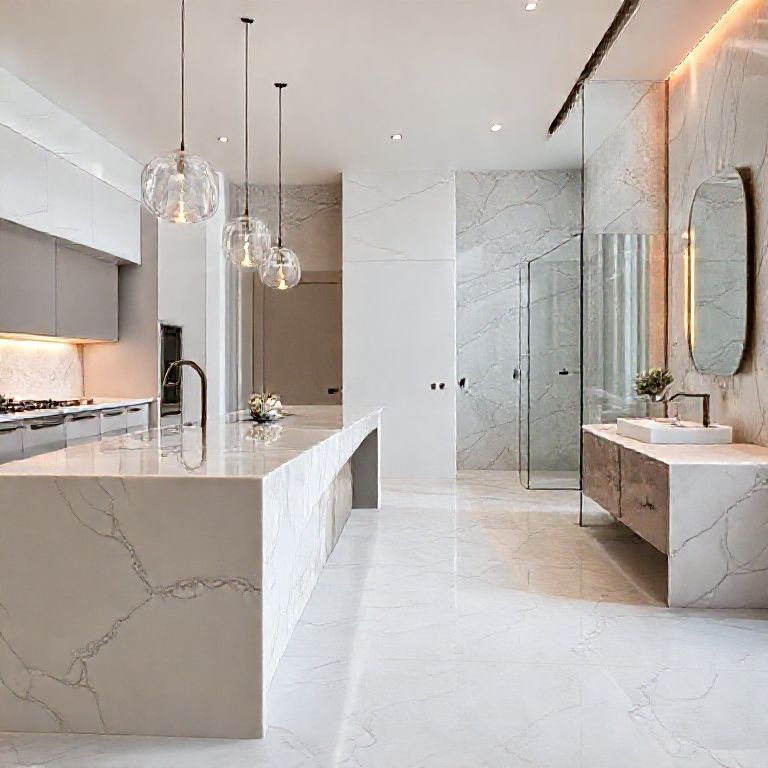
Choosing the Perfect Countertop for Your Cabinet: Quartz Stone vs. Slab
When it comes to selecting the ideal material for your cabinet countertop, the choices can seem overwhelming. Two popular and highly durable options that often make the list are quartz stone and slab. Both materials offer unique benefits that cater to different needs and preferences. Let’s delve into the specifics of these two materials to help you make an informed decision.
1. Understanding Quartz Stone
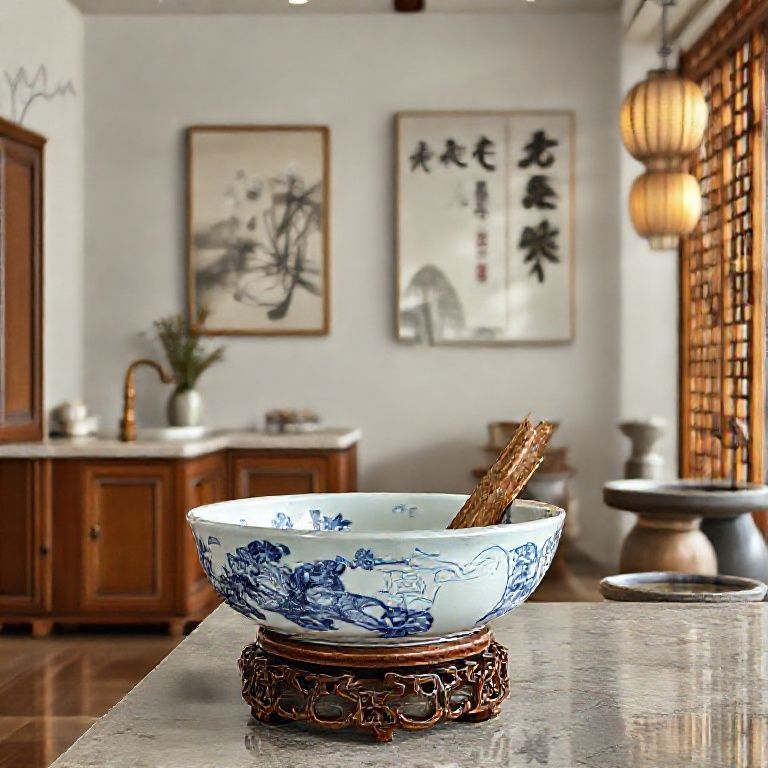
Quartz stone is a composite material made from 93% natural quartz and 7% resin binder. This high percentage of natural quartz gives it exceptional durability, making it a favorite in both commercial and residential settings.
Benefits of Quartz Stone:
Durability: Quartz is incredibly tough, with a Mohs hardness of 7, which makes it resistant to scratches, stains, and heat. It’s also non-porous, ensuring that liquids won’t penetrate and cause discoloration. Variety and Aesthetics: Quartz comes in an extensive range of colors and patterns, allowing for a high degree of customization. It can mimic the look of various natural stones like granite and marble. Ease of Maintenance: With a smooth surface, quartz is easy to clean. A simple wipe-down with a mild detergent and water is usually sufficient to maintain its pristine look. Cost-Effective: Given its durability and low maintenance requirements, quartz often proves to be a cost-effective choice in the long run.
2. Understanding Slab
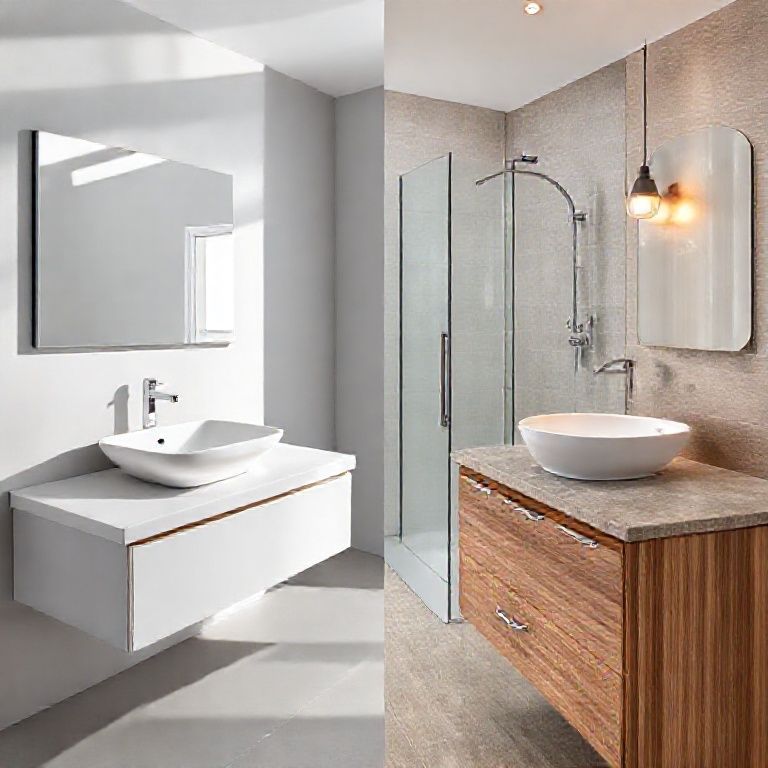
Slab countertops are made by fusing large pieces of natural stone together. The result is a solid, uninterrupted slab that showcases the natural beauty of the stone. Common types of slab materials include granite, marble, and slate.
Benefits of Slab:
Aesthetics: Slab countertops offer a stunning, natural look that can’t be replicated by other materials. The unique veins and patterns of each slab are a testament to the stone’s natural beauty. Durability: While slabs can be durable, they are not as scratch-resistant as quartz. However, they offer excellent resistance to stains and heat. Maintenance: Unlike quartz, slabs have a porous surface. Therefore, they require regular sealing to prevent staining. Cleaning often involves using specific stone cleaners and avoiding acidic substances. Value: Slabs are often more expensive than quartz due to their premium natural stone composition and unique, one-of-a-kind appearance.
3. Comparing Durability
When it comes to durability, quartz often takes the lead. Its high percentage of natural quartz makes it highly resistant to scratches, stains, and heat. It’s also non-porous, which means that spills won’t penetrate and cause damage.
On the other hand, while slab materials are also durable, they are generally more prone to scratches and stains. Their porous nature means that spills can seep in and cause discoloration over time. Regular sealing and maintenance are essential to keep slabs looking their best.
4. Maintenance and Cleaning
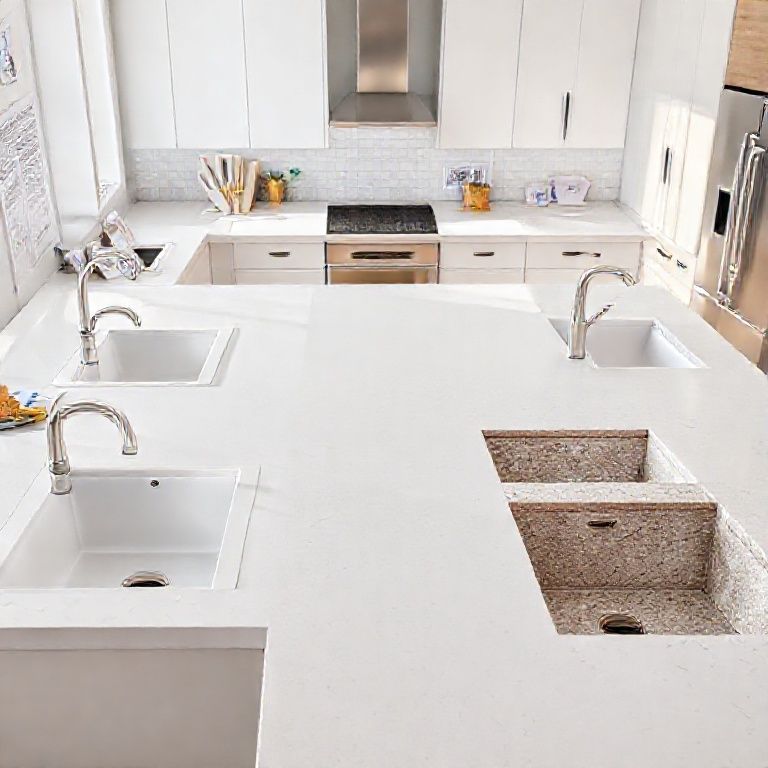
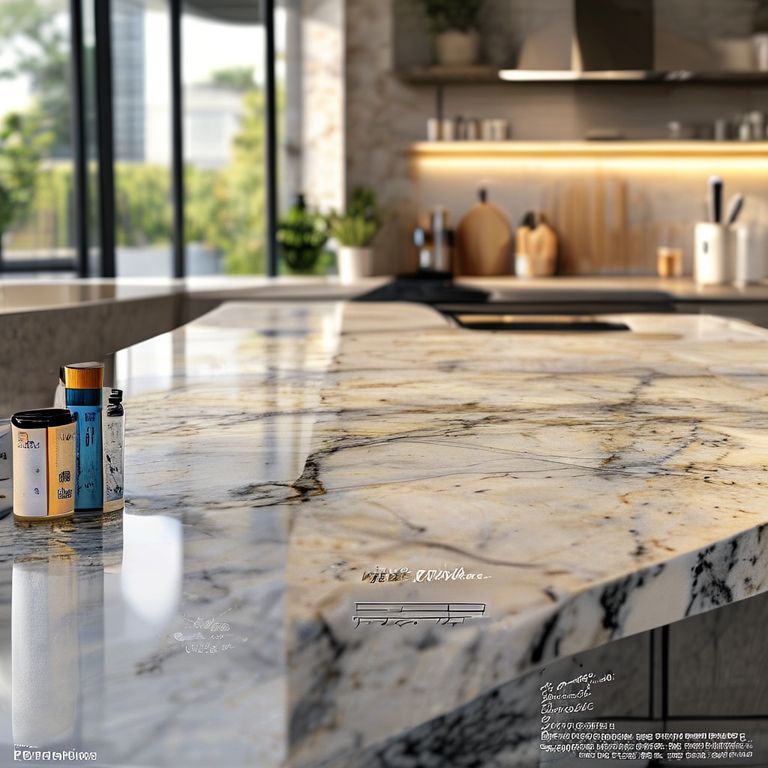
One of the most significant advantages of quartz is its ease of maintenance. Its smooth surface means that spills and stains can be easily wiped away with a simple cleaning solution. Quartz doesn’t require any special treatment or regular sealing, which makes it ideal for busy households.
In contrast, slabs require more diligent care. Their porous nature means they need regular sealing to prevent stains and maintain their appearance. Cleaning slabs involves using specific stone cleaners and avoiding acidic substances like vinegar or citrus juice, which can etch the surface over time.
5. Aesthetic Appeal
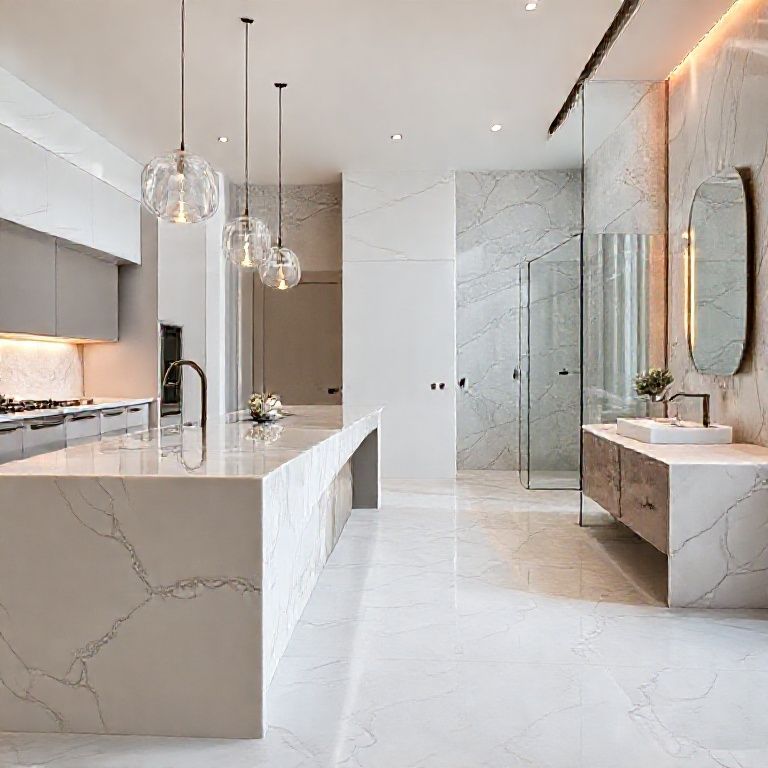
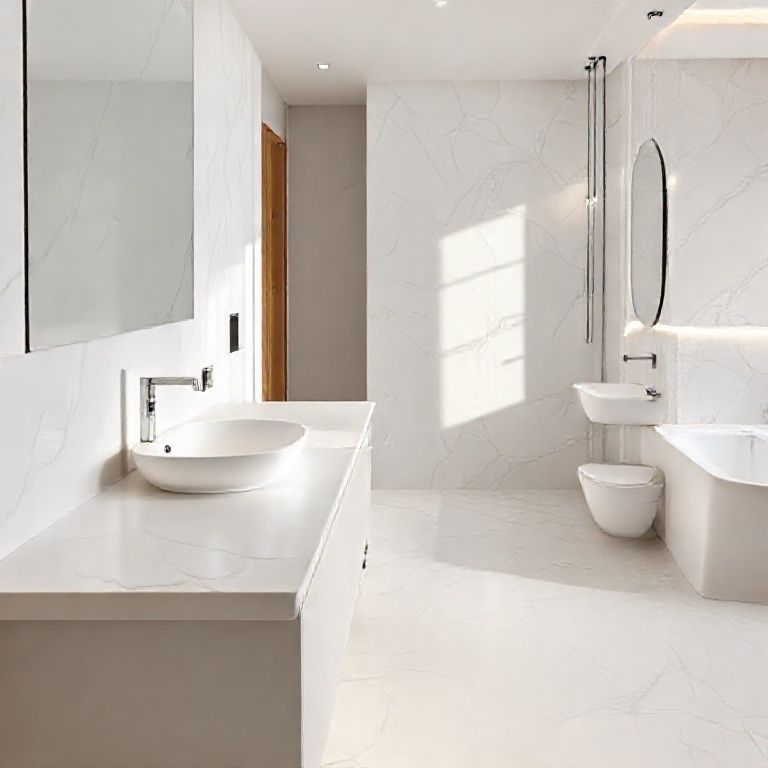
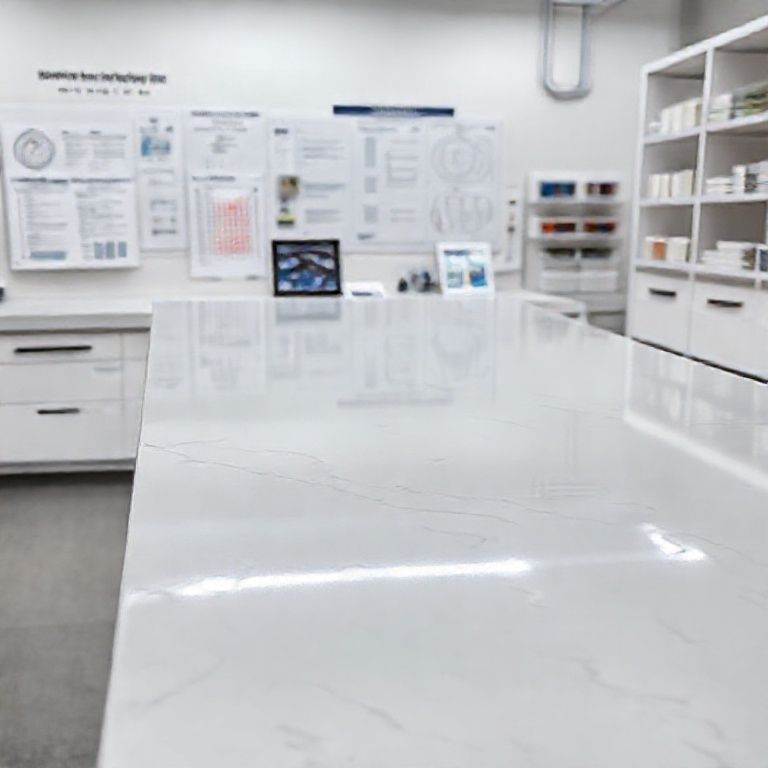
The aesthetic appeal of quartz and slab is where these materials truly shine. Quartz offers a vast array of colors and patterns, allowing you to choose a countertop that matches your exact vision. Whether you prefer a classic marble look or a bold, modern design, quartz can be customized to fit your needs.
Slabs, on the other hand, offer a one-of-a-kind appearance that is impossible to replicate. Each slab is unique, showcasing the natural beauty and character of the stone. If you’re looking for a countertop that adds a touch of luxury and elegance to your space, slabs are an excellent choice.
6. Cost Considerations
When it comes to cost, quartz and slabs each have their advantages. Quartz is generally more affordable than slab materials, especially when you consider its durability and low maintenance requirements. Over time, the cost savings from reduced cleaning and maintenance make quartz a cost-effective choice.
Slabs, while more expensive upfront, offer a premium appearance that can enhance the overall value of your home. The cost of slabs can vary widely depending on the type of stone and the complexity of the design. However, the unique and elegant look they provide often justifies the higher price tag.
Conclusion
Choosing between quartz stone and slab for your cabinet countertop is a significant decision that will impact the look, maintenance, and longevity of your space. Quartz offers unparalleled durability, ease of maintenance, and a wide range of aesthetic options, making it an excellent choice for many homeowners. Slabs provide a one-of-a-kind, natural beauty that can elevate the elegance of your space, though they require more diligent care and maintenance.
By understanding the benefits, maintenance requirements, and cost considerations of each material, you can make an informed decision that best suits your needs and preferences. Whether you choose the durability of quartz or the unique beauty of slab, both materials offer stunning options for your cabinet countertop.
Choosing the Perfect Countertop for Your Cabinet: Quartz Stone vs. Slab
Continuing our exploration into the material options for your cabinet countertop, let’s delve deeper into the specific considerations that will help you decide between quartz stone and slab. This guide will cover installation, installation costs, long-term investment, and additional factors that will aid in your decision-making process.
1. Installation and Professional Help
Both quartz and slab require professional installation to ensure a flawless finish. However, the nature of the material can affect the installation process.
Quartz Installation:
Ease of Installation: Quartz is relatively easy to install. It can be cut to size using standard tools and can be adhered directly to the cabinet base. The installation process is straightforward, and professional help is usually not as intensive as it is for slab materials. Professional Help: While professional installation is recommended, it’s generally less complex than that of slab materials. This can sometimes translate to lower installation costs.
Slab Installation:
Complexity: Slabs are thicker and heavier than quartz, making them more challenging to cut and install. The installation process often requires more specialized tools and expertise. Professional Help: Professional installation is essential for slabs to ensure they are securely fastened and aligned correctly. This often results in higher installation costs compared to quartz.
2. Installation Costs
The cost of installation can vary significantly between quartz and slab. Quartz, due to its ease of installation, often has lower installation costs. However, the overall cost of the countertop will also play a role.
Quartz Costs:
Installation Fees: Since quartz is easier to handle, the installation fees tend to be lower. Material Costs: Quartz countertops are generally more affordable upfront, making them an attractive option for budget-conscious homeowners.
Slab Costs:
Installation Fees: The complexity of slab installation often leads to higher installation fees. Material Costs: While slabs can be more expensive upfront, their premium appearance often justifies the higher cost. The unique and natural beauty of each slab adds significant value to your space.
3. Long-Term Investment
When considering the long-term investment, both quartz and slab offer substantial benefits. However, the nature of these benefits can differ.
Quartz Long-Term Benefits:
Durability: Quartz’s high durability means it will likely require less replacement over time, saving you money in the long run. Maintenance: The low maintenance requirements of quartz mean you’ll save on cleaning supplies and time, making it a cost-effective choice over time.
Slab Long-Term Benefits:
Aesthetic Appeal: The unique, natural beauty of slabs can add significant value to your home. The elegance and character they bring often justify their higher initial cost. Durability: While slabs require more maintenance, their durability and resistance to stains make them a long-term investment. Proper care ensures they maintain their appearance and value over time.
4. Additional Factors to Consider
When making your final decision, several additional factors should be taken into account to ensure you choose the material that best fits your needs and lifestyle.
Budget:
Initial Cost vs. Long-Term Savings: While slabs can be more expensive upfront, their durability and low maintenance can result in long-term savings. Quartz, on the other hand, offers an affordable initial cost with low maintenance requirements.
Lifestyle:
在决定是否选择橱柜台面时,还有一些其他因素需要考虑:
5. 安全性和化学耐受性
Quartz: 由于其高度稳定的化学组成,石英石具有很好的耐化学性,不容易受到酸、碱或有机溶剂的影响。这使它成为一个安全的选择,不会因为常见的厨房化学品而损坏。
Slab: 自然石材如花岗岩和大理石可能对某些酸性清洁剂产生反应,尽管大多数现代大理石也经过处理以提高其耐化学性。花岗岩通常比大理石更耐酸。
6. 环保性
Quartz: 由于其主要成分是天然石英和少量的树脂,石英石是一种相对环保的选择,因为它不含有害化学物质。
Slab: 自然石材通常被认为是环保的,因为它们是天然的,不需要使用化学物质来制造。采石和运输过程中可能对环境产生影响,特别是如果石材来自远距离。
7. 定制性和独特性
Quartz: 石英石可以模仿各种各样的纹理和颜色,但这些都是基于标准化的生产过程,尽管可以定制,但每一块都是相似的。
Slab: 每块石板都是独一无二的,这使得它们在设计中具有独特性和个性化。这也是为什么石板可以为空间带来独特的美学价值,因为它们反映了自然界的独特之处。
8. 维护和修复
Quartz: 由于其表面光滑和非多孔的性质,石英石非常容易维护。如果有划痕或污渍,可以轻松清洁,并且一般来说不需要特别的修复。
Slab: 自然石材可能需要定期密封以保持其防护层完整,并且如果受到严重损坏,可能需要专业的修复或者更换。
9. 重量
Quartz: 由于它是一种轻质材料,安装时不需要特殊的支撑结构。
Slab: 石板通常比石英石更重,这可能需要额外的支撑或特定的安装技术,特别是对于较大的石板。
10. 美学风格
Quartz: 石英石可以模仿各种风格的石材,因此可以与多种现代和传统的家居设计风格相匹配。
Slab: 自然石材的纹理和颜色非常独特,适合于寻求自然和传统美学的设计风格。