The Allure of Quartz Countertops
When it comes to kitchen and bathroom countertops, quartz and engineered stone are two of the most popular choices on the market today. Among these, quartz has garnered significant attention due to its superior qualities and benefits. This section explores the intricate details of quartz countertops, highlighting their unmatched features, durability, aesthetic appeal, and maintenance requirements.
Superior Durability and Strength
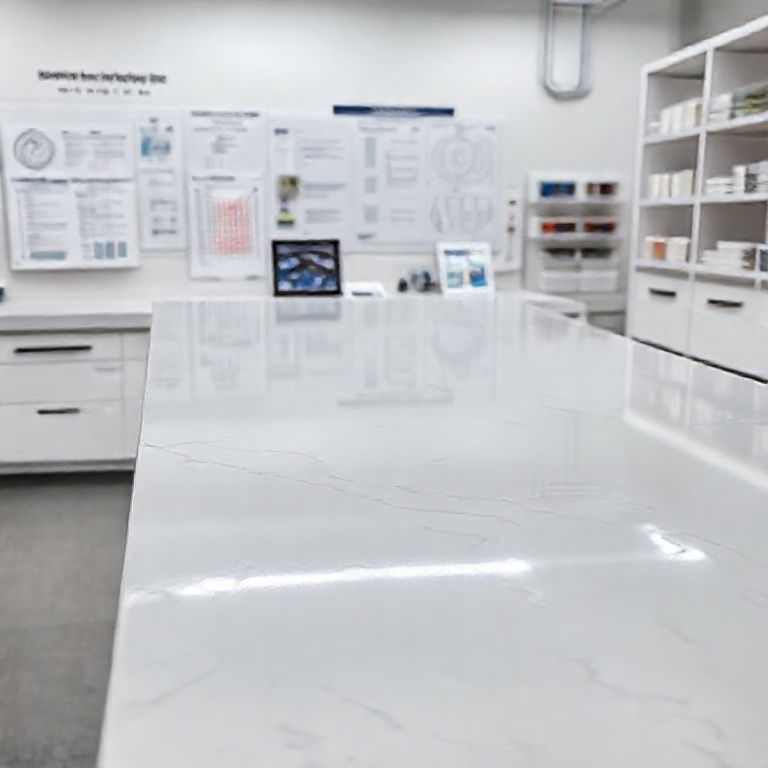
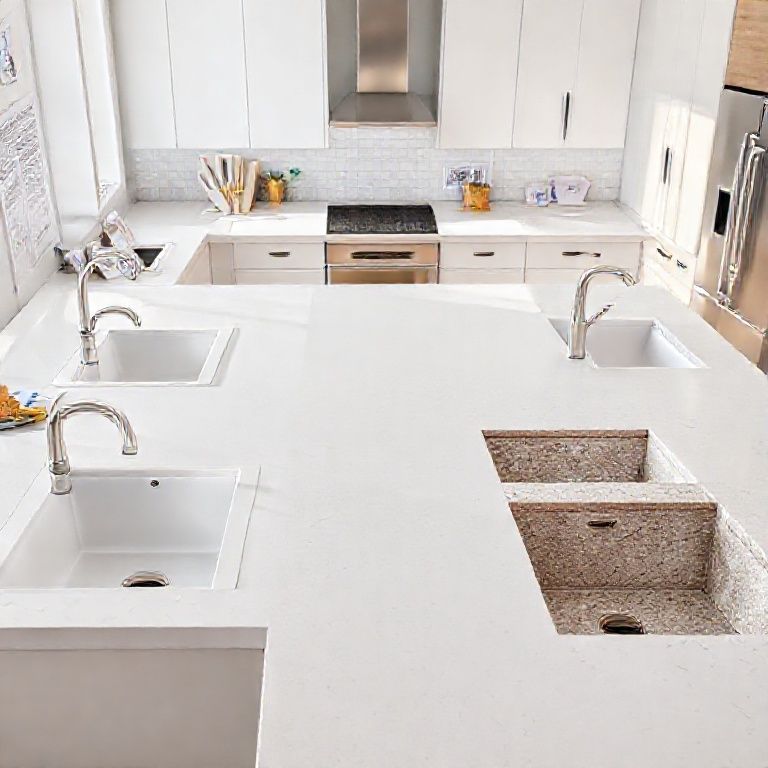
One of the standout features of quartz countertops is their extraordinary durability. Composed of 94% natural quartz and enhanced with a resin binder, quartz is known for its resilience against scratches, dents, and impacts. Unlike traditional granite, which can be prone to chips and fractures, quartz offers a seamless, chip-resistant surface that maintains its integrity over time. This makes it an excellent choice for high-traffic areas where durability is paramount.
Aesthetic Versatility
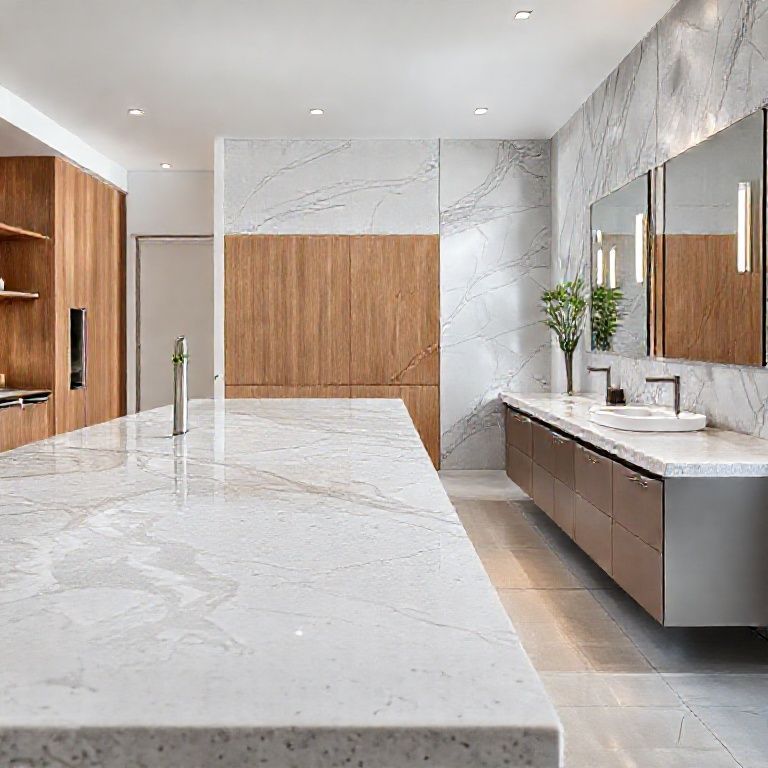
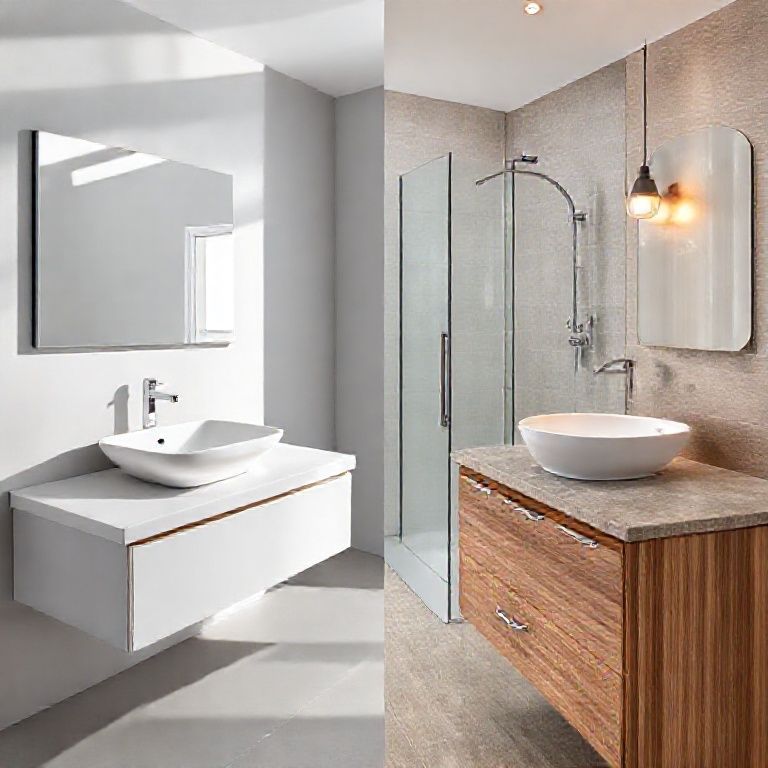
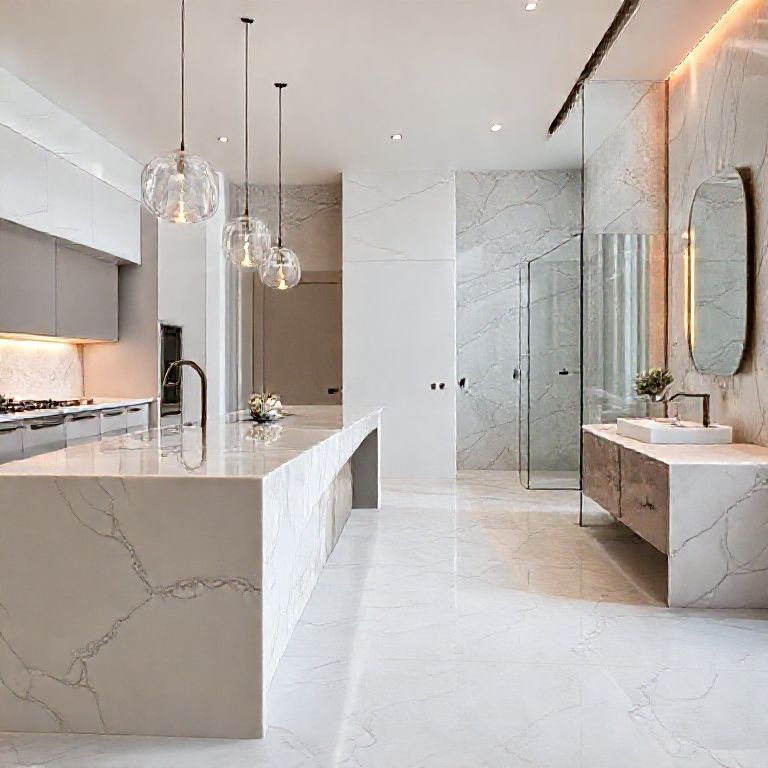
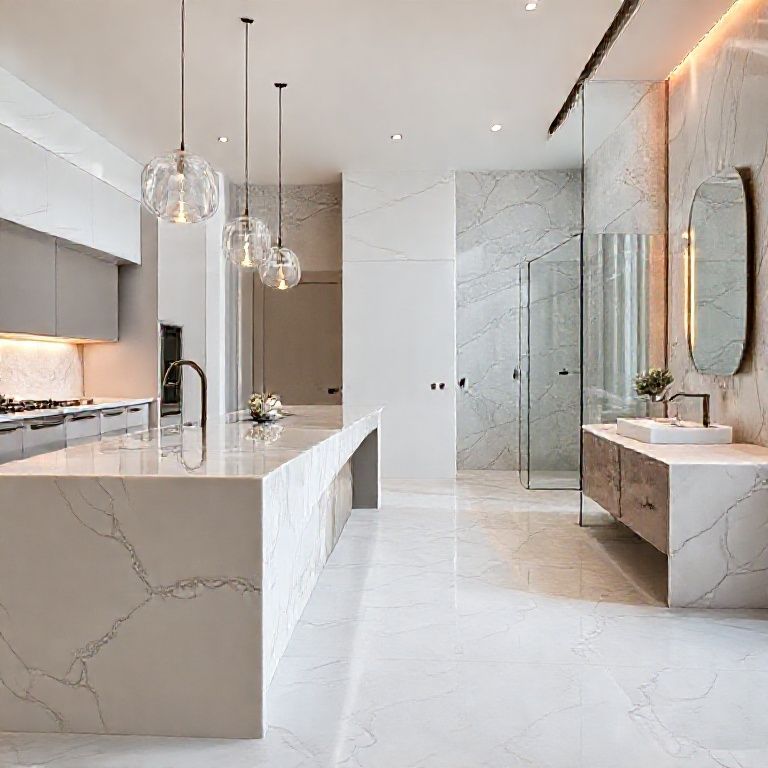
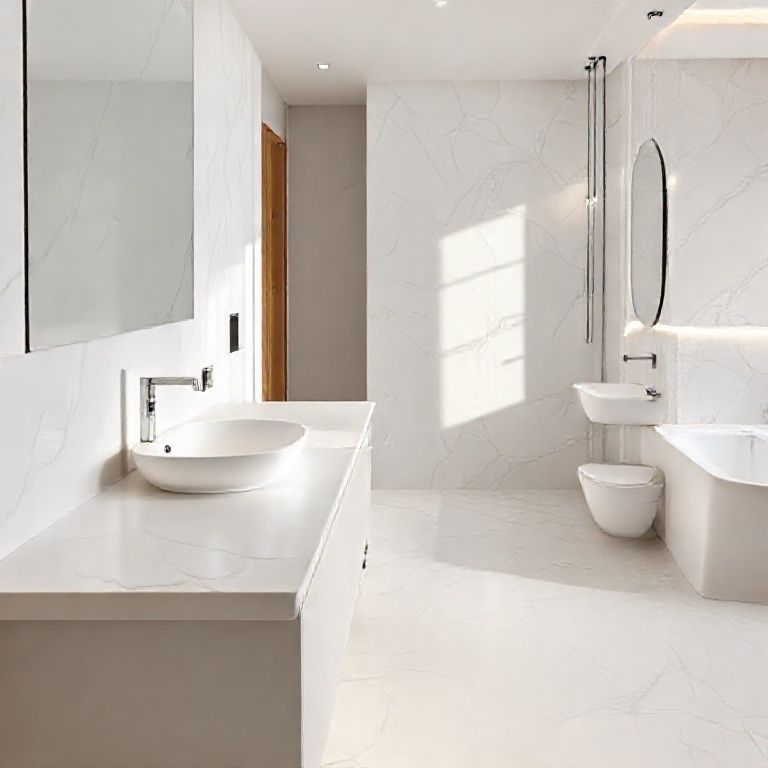
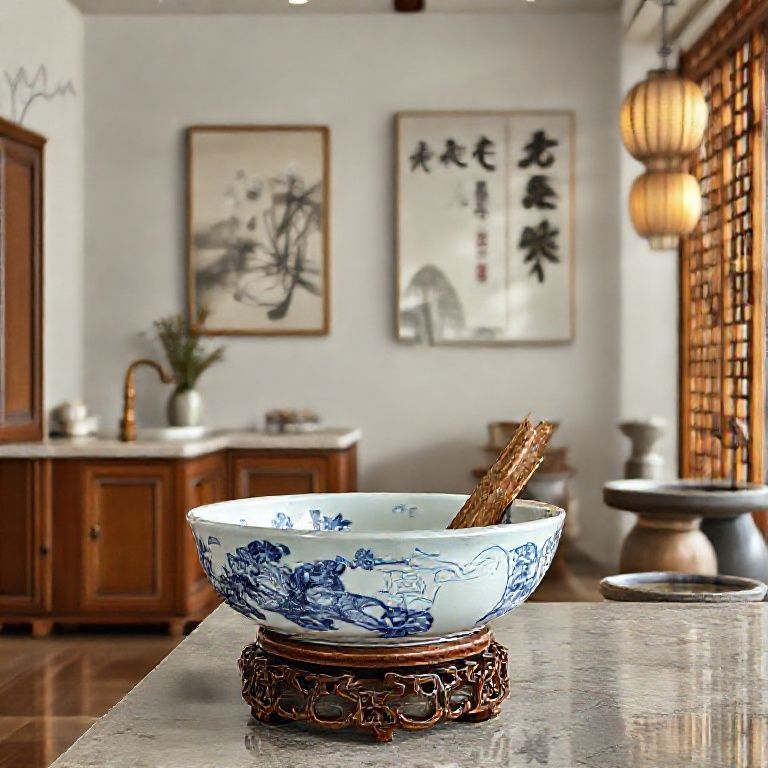
Quartz countertops are renowned for their stunning visual appeal. The material comes in a wide array of colors, patterns, and finishes, allowing homeowners to customize their space to match their unique style. From sleek, monochromatic designs to intricate, nature-inspired patterns, quartz can mimic almost any natural stone, marble, or even wood. This versatility makes it suitable for virtually any décor, from modern minimalist to rustic farmhouse.
Easy Maintenance
Maintaining quartz countertops is straightforward and requires minimal effort. Unlike other natural stones that may require sealing or regular maintenance to prevent staining, quartz is naturally resistant to most household liquids and stains. A simple wipe-down with a mild soap and warm water is usually sufficient to keep your quartz surface looking pristine. Additionally, quartz does not require sealing, which eliminates the need for periodic reapplication of sealants that can sometimes be necessary with other materials like granite or marble.
Cost-Effectiveness
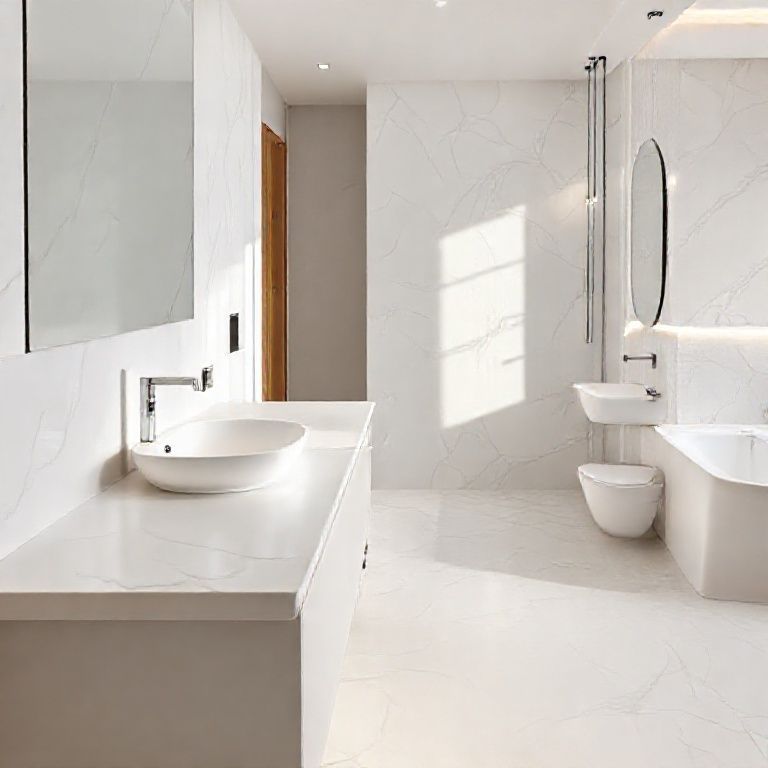
While quartz countertops may have a higher upfront cost compared to some other materials, their durability and low maintenance requirements make them a cost-effective choice in the long run. The longevity of quartz means that you’ll spend less on repairs and replacements over time. Furthermore, the wide range of designs and colors available often allows for more budget-friendly options compared to the specialized cuts and finishes required for natural stone countertops.
Health and Safety Benefits
Quartz countertops are a fantastic choice for health-conscious homeowners. Unlike some natural stones, quartz does not contain any harmful substances. It is free from VOCs (volatile organic compounds), which are often found in composite materials. This makes it a safer option for those who are concerned about indoor air quality. Additionally, the natural quartz component ensures that there are no bacteria or mold growth issues, making quartz an excellent choice for both kitchen and bathroom countertops.
Installation and Compatibility
Installing quartz countertops is relatively straightforward, thanks to their flat, even surface and ease of cutting. The material can be seamlessly integrated into various types of cabinetry and can easily accommodate custom designs and shapes. Quartz also works well with most types of backsplashes and can be easily repaired if minor damage occurs. Whether you’re remodeling an existing space or building a new one, quartz provides a versatile and adaptable option.
Environmental Impact
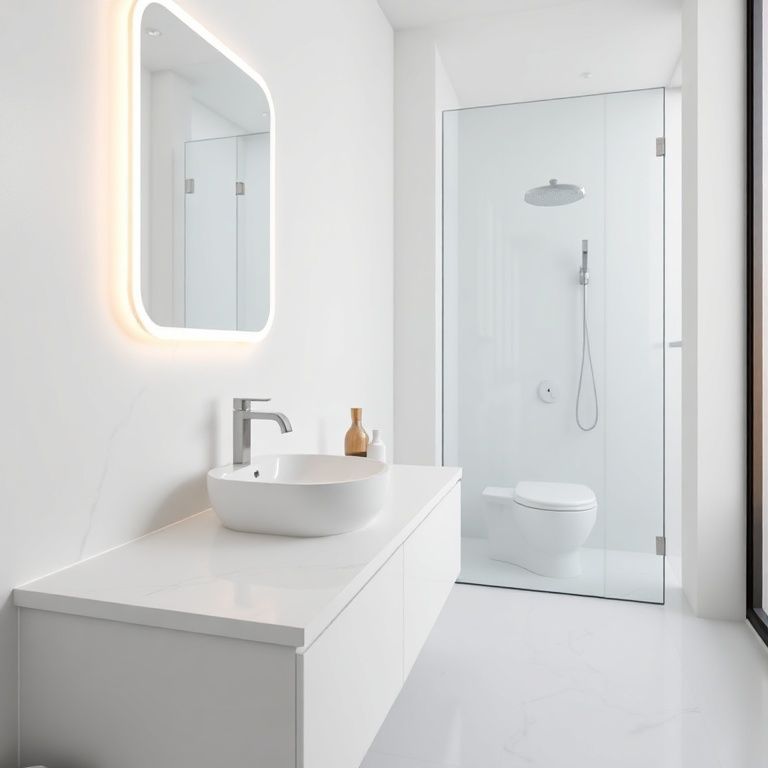
From an environmental perspective, quartz countertops have a relatively low impact. The production process for quartz involves fewer emissions and less energy consumption compared to natural stone extraction processes. Additionally, quartz is a renewable resource, as it can be mined sustainably without depleting natural stone reserves. This makes quartz an environmentally friendly choice for those who prioritize sustainability in their home decor.
Conclusion
Quartz countertops offer an impressive combination of durability, aesthetic versatility, ease of maintenance, cost-effectiveness, health benefits, and environmental sustainability. Whether you’re looking to enhance the beauty of your kitchen or create a serene bathroom retreat, quartz provides a reliable and stylish solution that stands the test of time. In the next part of this comparison, we will delve into the characteristics and benefits of engineered stone, offering a comprehensive view to help you make the best choice for your home.
The Intricacies of Engineered Stone Countertops
In the previous part, we explored the remarkable qualities of quartz countertops, focusing on their durability, aesthetic versatility, ease of maintenance, cost-effectiveness, health benefits, and environmental impact. In this part, we turn our attention to engineered stone countertops, examining their unique characteristics, benefits, and drawbacks to provide a well-rounded comparison for making an informed choice.
What is Engineered Stone?
Engineered stone is a composite material made from natural stone, water, and other binding agents, which are combined and processed under high pressure and temperature. This process results in a material that has many of the desirable qualities of natural stone, including beauty and durability, while offering enhanced resistance to stains, scratches, and impacts.
Durability and Strength
One of the most compelling features of engineered stone is its exceptional durability. While it may not match the sheer hardness of natural stone, engineered stone is significantly more resistant to scratches, chips, and impacts compared to many other countertop materials. The binding agents used in its production provide a robust structure that can withstand everyday wear and tear, making it an excellent choice for high-traffic areas.
Aesthetic Versatility
Engineered stone offers a wide range of aesthetic options, allowing homeowners to choose from various colors, patterns, and finishes. Manufacturers can mimic the look of natural stone, marble, granite, and even wood, providing a versatile solution for different design preferences. The ability to customize colors and patterns means that engineered stone can complement almost any interior style, from modern to traditional.
Maintenance
Maintaining engineered stone countertops is relatively easy, though it requires some attention compared to quartz. To keep engineered stone looking its best, it’s important to clean it regularly with mild soap and warm water. While engineered stone is more resistant to stains than some other materials, it’s still advisable to clean up spills promptly to prevent discoloration. Unlike natural stone, engineered stone does not require sealing, which simplifies the maintenance process and eliminates the need for periodic reapplication of sealants.
Cost-Effectiveness
Engineered stone is often more affordable than natural stone, making it an attractive option for homeowners looking for high-quality countertops without a premium price tag. The lower cost of engineered stone can also make it a more budget-friendly alternative to quartz, especially in large installations where the cost difference can be significant. Despite its lower cost, engineered stone provides a durable and stylish surface that can rival natural stone in appearance.
Health and Safety Benefits
Engineered stone is a safe choice for health-conscious homeowners. It is typically free from harmful chemicals, mold, and bacteria, making it a hygienic option for kitchen and bathroom countertops. The manufacturing process involves controlled conditions that ensure the material is free from contaminants. This makes engineered stone a suitable choice for those who prioritize indoor air quality and sanitation.
Installation and Compatibility
Engineered stone countertops are relatively easy to install, thanks to their flat, even surface and ease of cutting. The material can be seamlessly integrated into various types of cabinetry and can easily accommodate custom designs and shapes. Like quartz, engineered stone can work well with most backsplashes and can be repaired if minor damage occurs. The material’s flexibility also allows for easy installation over existing surfaces.
Environmental Impact
The production of engineered stone has a relatively low environmental impact compared to the extraction and processing of natural stone. The manufacturing process for engineered stone uses less energy and generates fewer emissions. Additionally, the use of natural stone in engineered stone production contributes to its sustainability, as it can be sourced from responsibly managed quarries. This makes engineered stone a more environmentally friendly option compared to some synthetic materials.
Advantages of Engineered Stone
Flexibility in Design: Engineered stone allows for a wide range of design possibilities, including intricate patterns and custom shapes, making it suitable for unique and personalized projects. Cost-Effectiveness: Generally more affordable than natural stone, engineered stone provides a high-quality alternative without a premium price. Low Maintenance: While requiring more attention than quartz, engineered stone’s low maintenance needs and stain resistance make it a practical choice for busy households. Durability: Engineered stone offers significant durability, making it a reliable choice for high-traffic areas.
Conclusion
Engineered stone countertops offer a compelling combination of durability, aesthetic versatility, ease of maintenance, cost-effectiveness, health benefits, and environmental sustainability. While it may not match the sheer hardness and natural beauty of quartz, engineered stone provides a robust and stylish alternative that is wellsuited for many home design needs. In the final part of this comparison, we will provide a detailed overview and conclusion to help you decide which countertop material best fits your specific requirements and preferences.
Part 3: Making the Final Choice
By now, you have a thorough understanding of the unique qualities, benefits, and drawbacks of both quartz and engineered stone countertops. To help you make the final decision, let’s summarize the key points and offer some guidance on how to choose the right material for your home.
Key Points to Consider
1. Durability and Strength
Quartz: Exceptionally durable, resistant to scratches, dents, and impacts. Its solid surface ensures long-lasting performance. Engineered Stone: Highly durable, though not as hard as natural stone. It offers good resistance to scratches and impacts.
2. Aesthetic Versatility
Quartz: Wide range of colors, patterns, and finishes available, allowing for extensive design customization. Engineered Stone: Also offers a variety of colors and patterns, though it may not match the exact replicas of natural stone that quartz provides.
3. Maintenance
Quartz: Requires minimal maintenance. Easy to clean with simple wipe-down techniques. Engineered Stone: Requires more attention than quartz but is still low maintenance. Regular cleaning and prompt spill management are necessary.
4. Cost-Effectiveness
Quartz: Higher upfront cost but cost-effective in the long run due to durability and low maintenance. Engineered Stone: More affordable, making it a budget-friendly option.
5. Health and Safety
Quartz: Free from harmful substances, VOCs, bacteria, and mold, making it a safer choice. Engineered Stone: Generally safe and free from harmful chemicals, though it may contain some binding agents.
6. Environmental Impact
Quartz: Lower environmental impact due to less energy-intensive production and sustainable sourcing. Engineered Stone: Also has a lower environmental impact than natural stone extraction but involves the use of binding agents.
Choosing the Right Material
When deciding between quartz and engineered stone, consider the following factors:
1. Budget: If you’re on a tight budget but still want high-quality countertops, engineered stone is likely the better option. Quartz, while more expensive upfront, offers superior durability and low maintenance, which can save you money in the long run.
2. Design Preferences: If you want a countertop that closely mimics the look of natural stone with intricate patterns and designs, quartz is the superior choice. Engineered stone can also mimic natural stone but may not offer the same level of detail and realism.
3. Maintenance: If you prefer minimal maintenance and are looking for an easy-to-clean surface, quartz is the ideal choice. Engineered stone requires more regular cleaning and maintenance compared to quartz.
4. Durability: If you need a countertop that can withstand heavy use and frequent impacts, quartz’s superior hardness and durability make it the better option.
5. Health and Safety: If you prioritize health and safety, quartz is the safer choice due to its lack of harmful substances and mold resistance.
Final Verdict
Ultimately, the choice between quartz and engineered stone depends on your specific needs, preferences, and budget. Quartz offers unmatched durability, aesthetic versatility, and low maintenance, making it a premium choice for those who value high-quality, long-lasting countertops. On the other hand, engineered stone provides a cost-effective alternative with good durability and a wide range of design options, making it suitable for those who want a stylish yet affordable countertop.
By considering the key points and factors discussed in this article, you can make an informed decision that will enhance the beauty, functionality, and longevity of your kitchen or bathroom countertops.