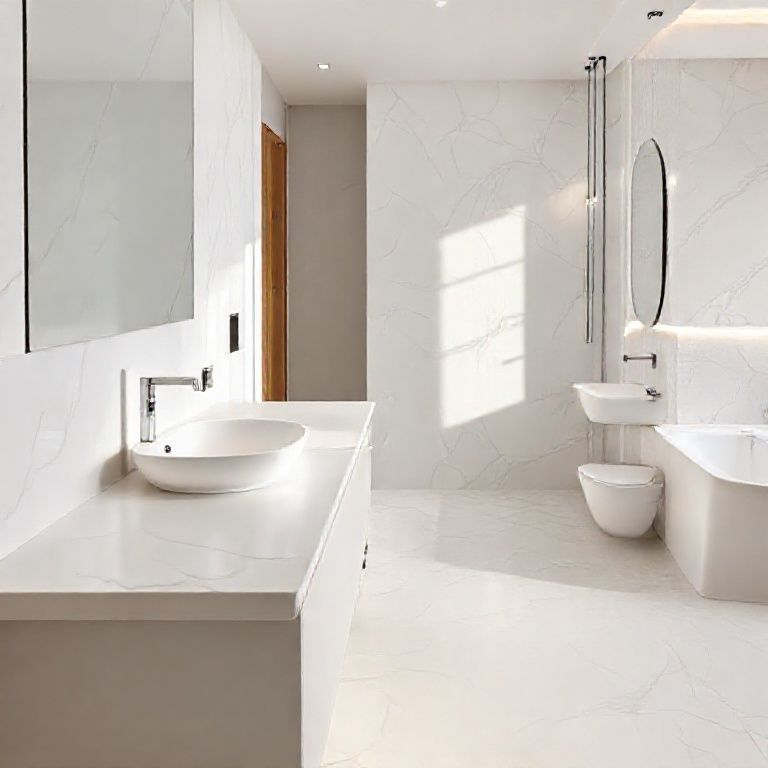
When it comes to selecting a kitchen countertop, the decision between quartzite and granite can be daunting. This comprehensive guide explores the pros and cons of both materials, helping you make an informed choice that will enhance the beauty, durability, and functionality of your kitchen. Read on to discover which countertop material is best suited for your culinary space.
Quartzite vs. Granite: An In-Depth Comparison
Introduction to Kitchen Countertops
Choosing the right material for your kitchen countertop is a crucial decision that can impact both the aesthetics and functionality of your kitchen for years to come. Two popular choices in the market today are quartzite and granite, both renowned for their beauty and durability. This article delves into the intricacies of each material to help you determine which one is the best fit for your kitchen.
Quartzite: A Modern Marvel
Durability and Maintenance
Quartzite is a relatively new entrant in the countertop material market but has quickly gained popularity due to its impressive durability. Composed of 94% pure quartz, quartzite is one of the hardest natural materials available, only surpassed by diamond. This high level of hardness translates to superior scratch and stain resistance, making it an excellent choice for busy kitchens where spills and scratches are common.
Quartzite countertops require minimal maintenance. They are sealed with a non-porous resin that repels water and stains, ensuring that your countertop remains pristine over time. While regular cleaning is essential, quartzite doesn’t demand special cleaning products or frequent maintenance routines, making it a hassle-free option for many homeowners.
Aesthetic Appeal
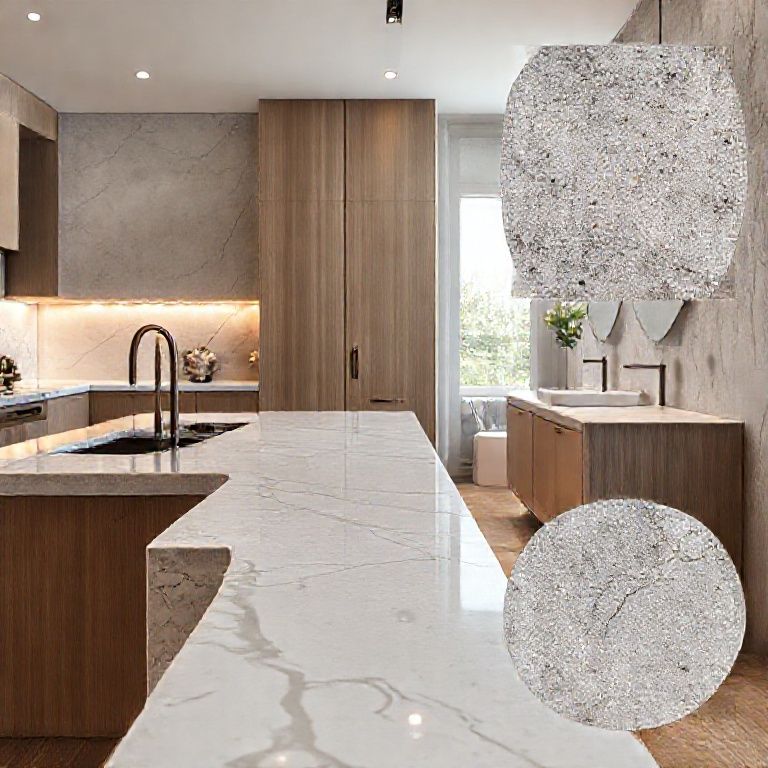
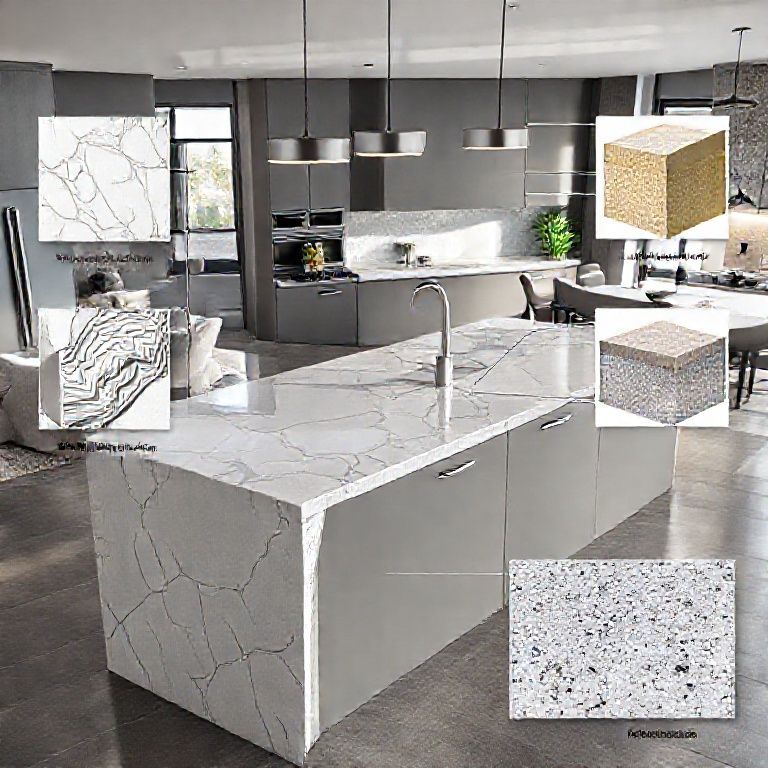
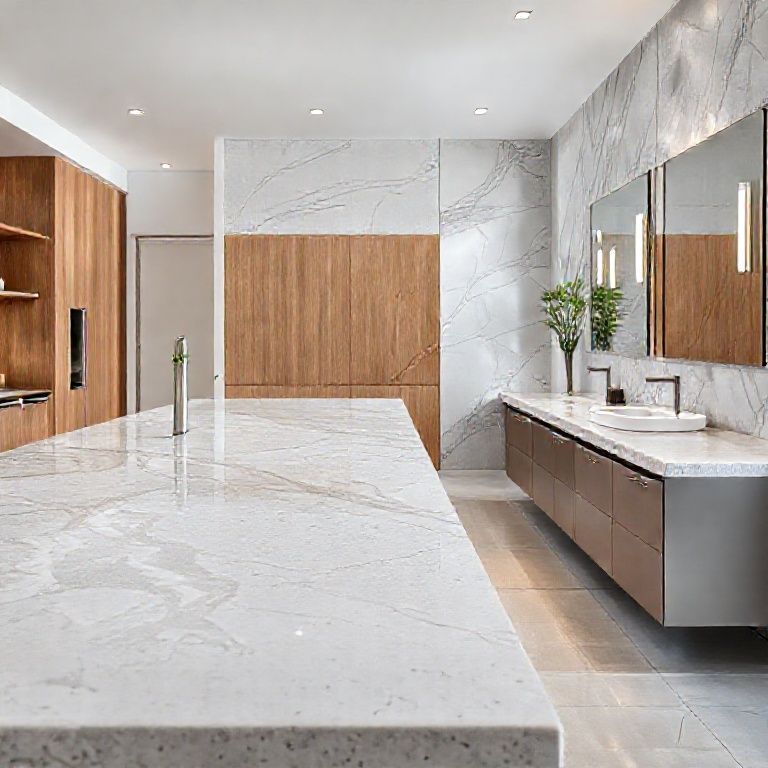
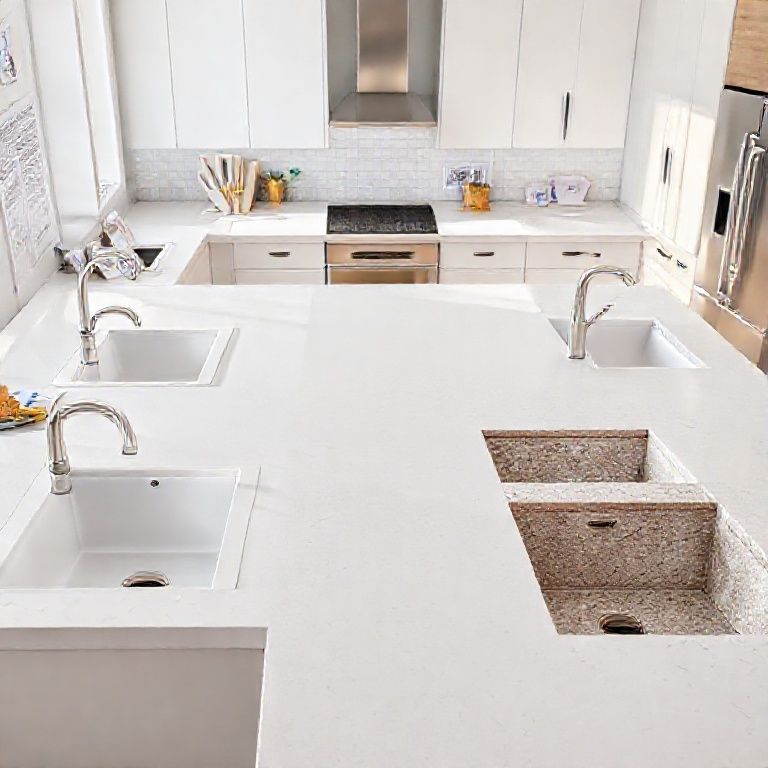
One of the most significant advantages of quartzite is its versatility in design. It is available in a wide range of colors and patterns, allowing designers to create unique and customized designs. Quartzite can mimic the look of almost any other natural stone, including granite, marble, and slate, providing a seamless and luxurious appearance.
Cost
Quartzite generally falls into the premium category of countertop materials. However, its cost can vary depending on the design and color chosen. Despite the higher upfront cost, many find that the long-term savings in maintenance and durability justify the expense.
Installation and Versatility
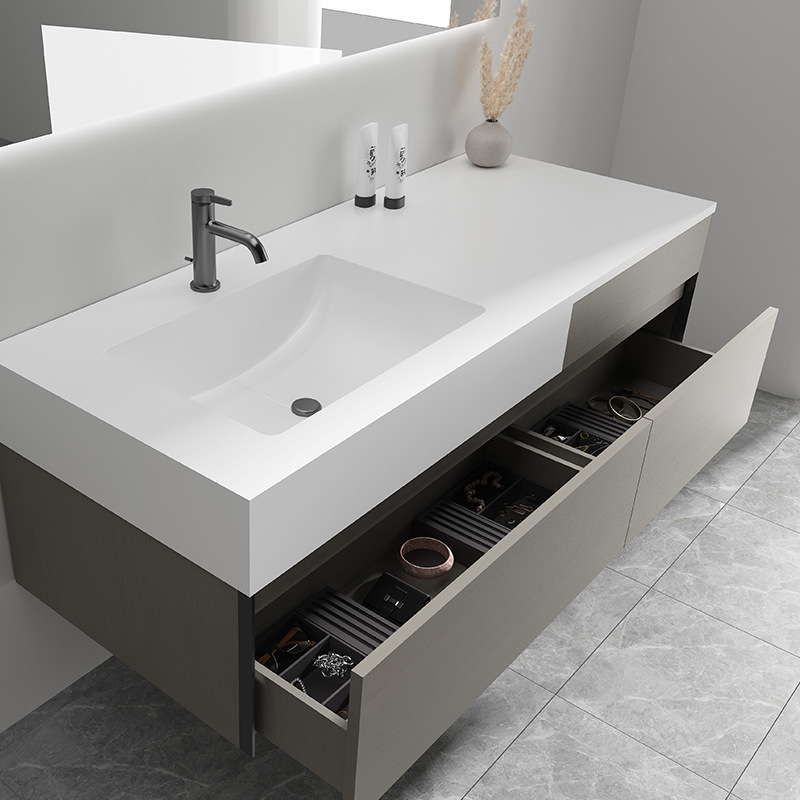
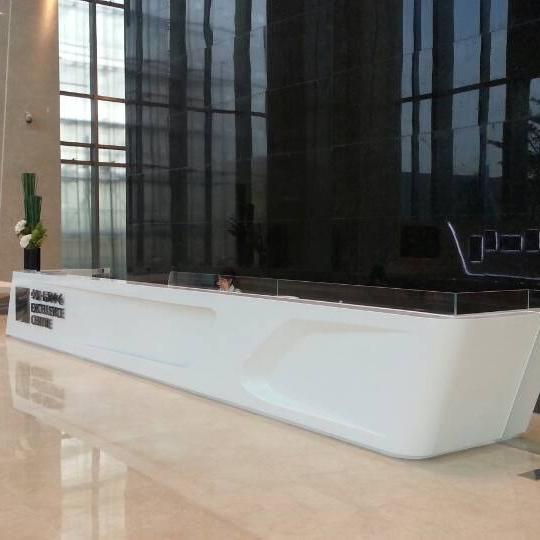
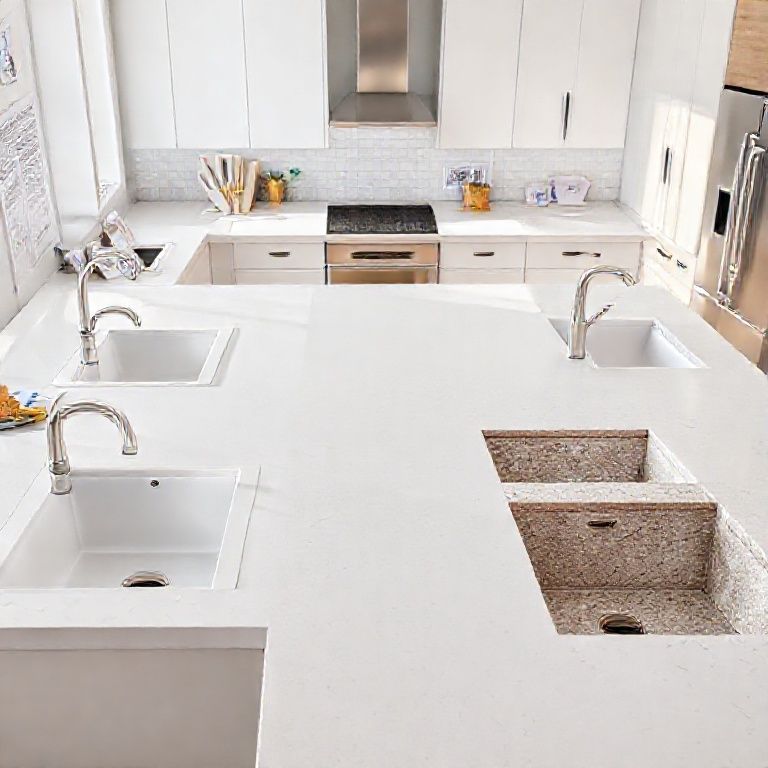
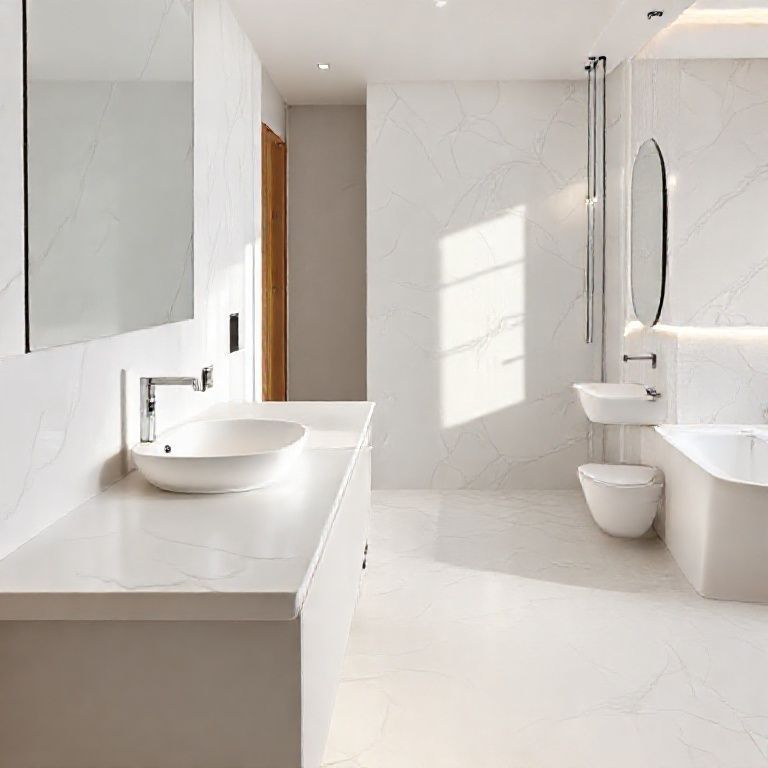
Quartzite is relatively easy to install and can be used for various applications beyond kitchen countertops. It can be used for bathroom vanities, sinks, and even outdoor features due to its resistance to UV rays. This versatility adds to its appeal for those looking for a material that can seamlessly integrate into multiple areas of their home.
Granite: The Classic Choice
Durability and Maintenance
Granite has been a staple in the countertop market for decades, celebrated for its natural beauty and durability. Composed of various minerals, granite is renowned for its hardness, making it resistant to scratches and cuts. However, its porous nature means that it requires more maintenance compared to quartzite. Granite countertops need to be sealed regularly to prevent stains and water from seeping into the stone, which can cause discoloration and weakening over time.
Aesthetic Appeal
Granite comes in an extensive array of colors and patterns, offering almost limitless design possibilities. From the classic black Ebanos to the vibrant reds of Imperial Red, granite can cater to diverse aesthetic preferences. Its unique and natural appearance makes it a popular choice for those who appreciate the beauty of natural stone.
Cost
Granite countertops generally offer a range of price points, depending on the type and quality of the stone chosen. While some varieties are more affordable, high-end granite can be quite expensive. The cost of sealing and potential future maintenance should also be factored into the overall budget.
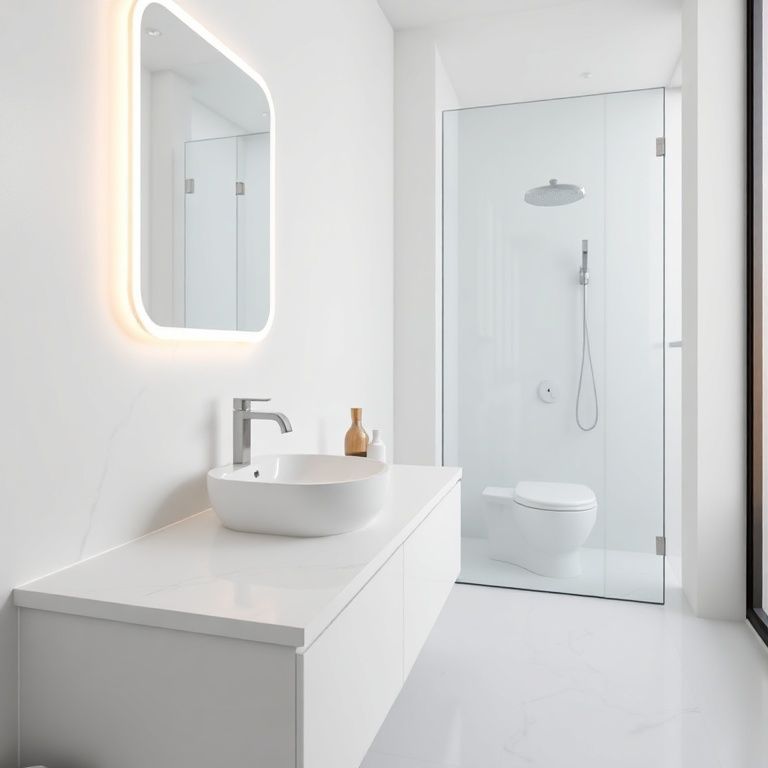
Installation and Versatility
Granite is also relatively easy to install and is versatile enough to be used in various settings, including bathrooms and dining areas. Its natural look complements a wide range of interior styles, from traditional to modern.
Conclusion
When deciding between quartzite and granite for your kitchen countertop, it’s essential to consider your specific needs and preferences. Quartzite offers superior durability, low maintenance, and a wide range of design options, making it an excellent choice for those looking for a low-effort, long-lasting countertop. On the other hand, granite provides unmatched natural beauty and a rich, classic appeal, ideal for those who value the aesthetic qualities of natural stone. Both materials have their unique advantages, and the best choice depends on your priorities and lifestyle.
Making the Final Decision: Quartzite vs. Granite
Factors to Consider
Long-Term Durability
When evaluating the long-term durability of quartzite and granite, it’s clear that quartzite holds the upper hand. The high quartz content and non-porous nature of quartzite make it highly resistant to scratches, stains, and water damage. Over time, this translates to fewer repairs and replacements, offering significant cost savings.
Granite, while also durable, requires regular sealing to maintain its integrity and appearance. This ongoing maintenance can add up over time, making it less cost-effective in the long run compared to quartzite. Additionally, granite is prone to staining, which can be difficult to remove, especially with high-traffic areas in the kitchen.
Ease of Maintenance
Quartzite’s non-porous surface means it is much easier to maintain than granite. Cleaning quartzite only requires mild dish soap and warm water. It’s also resistant to heat, making it safe to place hot pots and pans directly on the surface. This low-maintenance feature is a significant advantage for busy households or those who prefer a hassle-free kitchen experience.
Granite, in contrast, requires more stringent maintenance. It needs to be sealed regularly to prevent stains and water damage. While some modern granites have improved over time, the necessity for sealing still adds an extra layer of care that quartzite simply doesn’t need.
Design Flexibility
Both quartzite and granite offer extensive design possibilities, but quartzite provides a broader range of customization. Its ability to mimic the look of various stones and materials allows designers to create highly unique and personalized designs that can cater to any aesthetic preference. Whether you want a sleek, modern look or a more traditional style, quartzite can be tailored to fit your vision perfectly.
Granite also offers a wide range of designs, with its natural veining and color variations providing a unique, one-of-a-kind appearance for each slab. However, the natural stone’s appearance can sometimes be less predictable, and the design is more dependent on the specific cut and type of granite.
Cost Considerations
The initial cost of quartzite and granite can vary significantly. Quartzite tends to be on the higher end of the price spectrum, but its durability and low maintenance can offset this initial investment over time. Additionally, the cost of sealing and maintaining granite over the years should be factored into the overall budget.
Granite’s cost can range widely, from affordable to very expensive, depending on the type and quality of the stone. While it may offer a more budget-friendly option initially, the ongoing maintenance and potential need for repairs can add to the long-term cost.
Installation and Versatility
Both quartzite and granite are relatively easy to install, but quartzite offers slightly more versatility in terms of applications beyond kitchen countertops. Its non-porous nature makes it ideal for bathroom vanities, sinks, and even outdoor features, where granite may be more susceptible to water damage and staining.
Granite is also versatile but is more commonly used for kitchen countertops, bathrooms, and dining areas due to its natural appearance. Its aesthetic appeal makes it a popular choice for spaces where the visual impact of natural stone is desired.
Conclusion: Which is Right for You?
Choosing between quartzite and granite for your kitchen countertop ultimately boils down to your personal preferences, lifestyle, and budget. If you prioritize durability, low maintenance, and versatility, quartzite is likely the superior choice. Its non-porous surface, resistance to scratches and stains, and minimal maintenance requirements make it a practical and long-lasting option for busy kitchens.
On the other hand, if you are drawn to the natural beauty and unique aesthetic of stone, granite offers an unparalleled visual appeal that can enhance the charm of your kitchen. While it requires more maintenance and can be more costly in the long run, its timeless look and extensive design possibilities make it a classic choice for many homeowners.
In the end, both materials offer excellent qualities that can elevate the beauty and functionality of your kitchen. Consider consulting with a professional designer or countertop specialist to help you make the best choice for your home and culinary space.