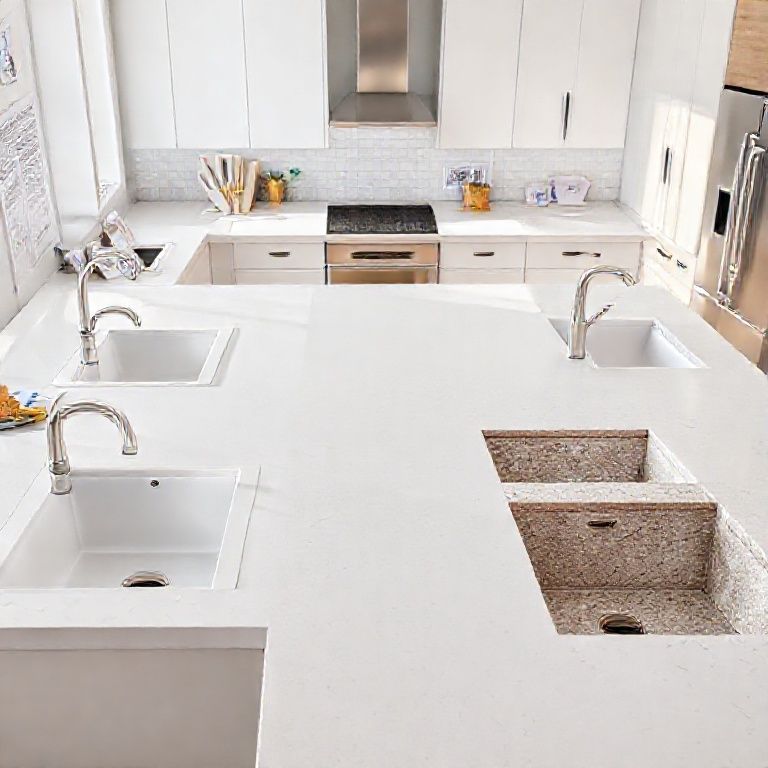
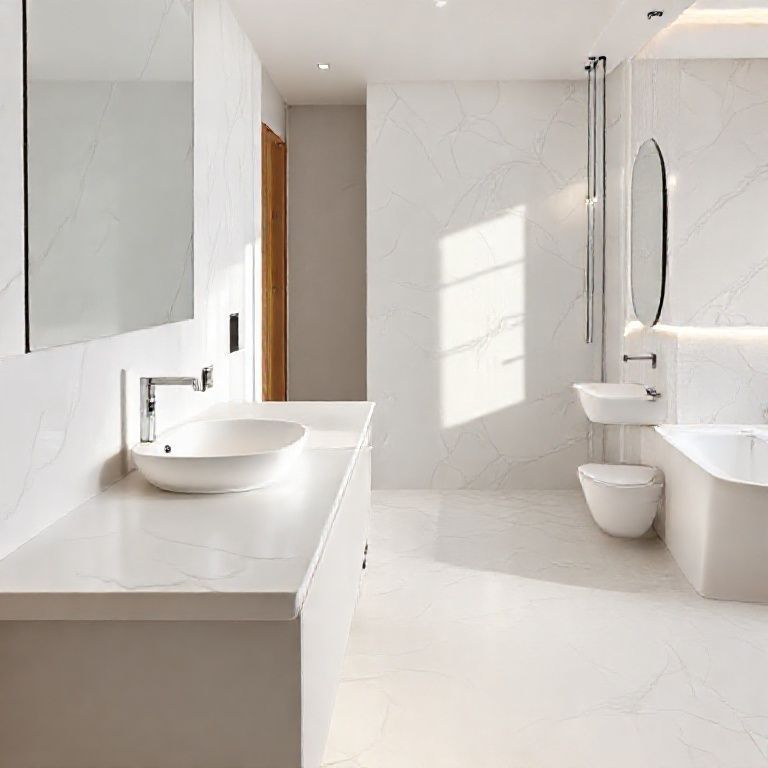
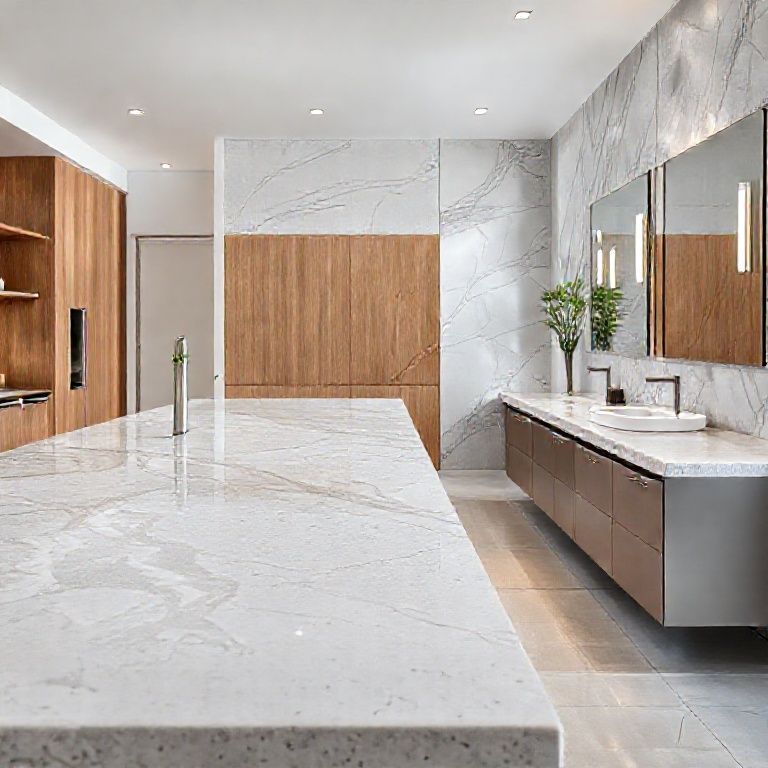
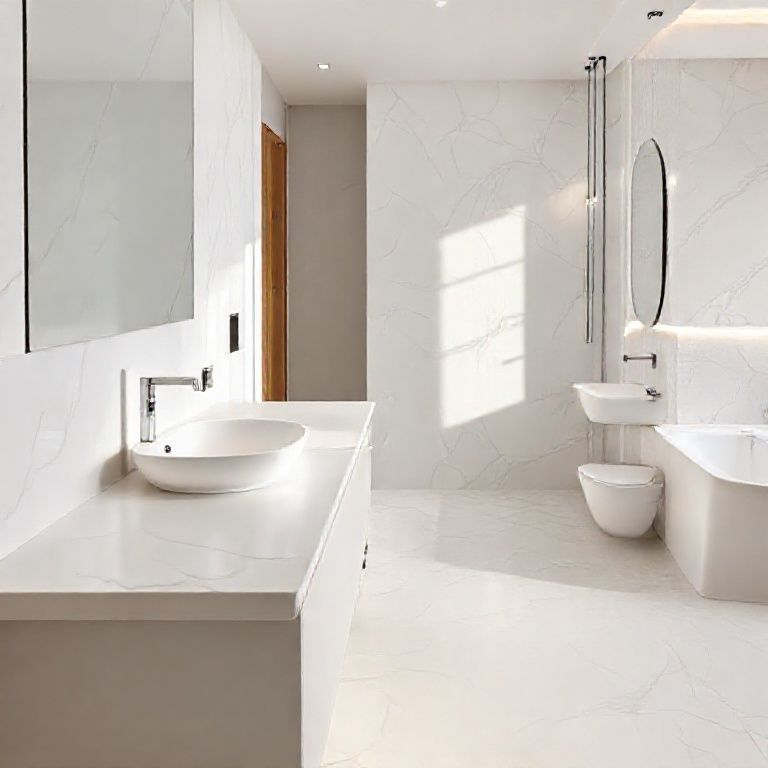
Choosing the right material for your kitchen countertop is a pivotal decision that influences both the aesthetics and functionality of your kitchen space. In this comprehensive guide, we will explore the various options available, highlighting the pros and cons of each to help you make an informed decision. This article covers the most popular materials, from natural stone to engineered composites, ensuring you find the perfect fit for your culinary haven.
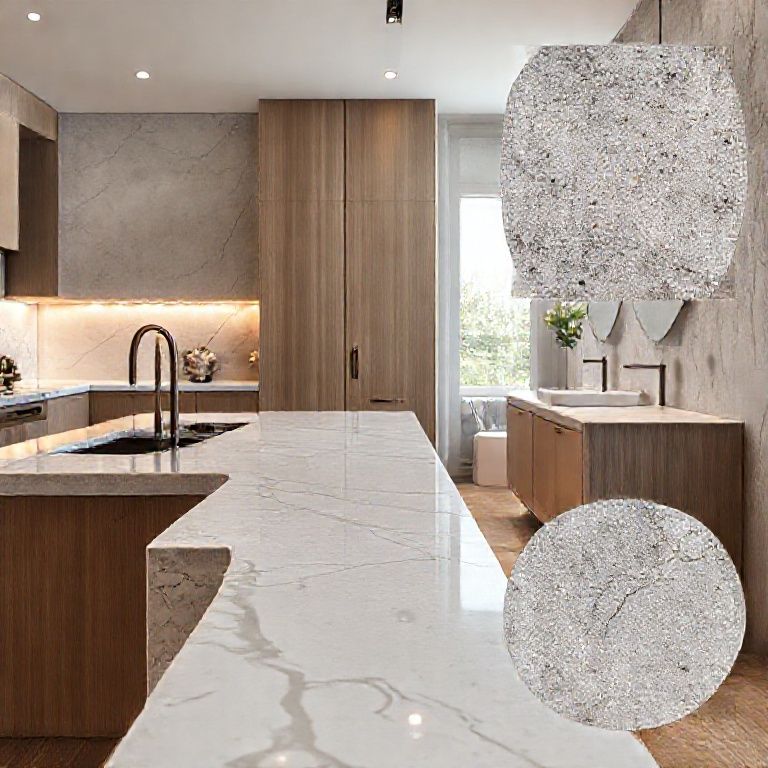
Choosing the Perfect Material for Your Kitchen Countertop
When it comes to designing your kitchen, the countertop is arguably one of the most critical elements. It’s where you prepare meals, entertain guests, and often becomes the focal point of the room. Selecting the right material for your kitchen countertop is a decision that impacts durability, aesthetics, and maintenance. Let’s dive into the most popular materials available, their unique benefits, and some important considerations to help you choose the perfect material for your kitchen.
Natural Stone Countertops
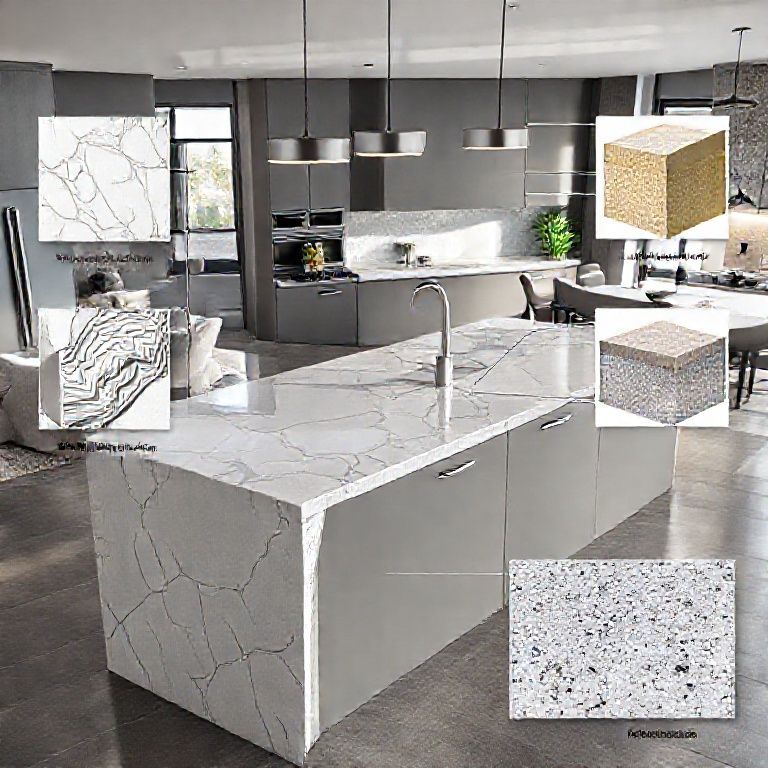
Natural stone countertops are renowned for their timeless elegance and durability. Among the most popular types of natural stone are granite, marble, and slate.
Granite: Granite is a popular choice for its durability, strength, and stunning visual appeal. It comes in an array of colors and patterns, making it a versatile option that can complement various kitchen styles. Granite countertops are highly resistant to scratches and stains, but they do require regular sealing to maintain their natural beauty.
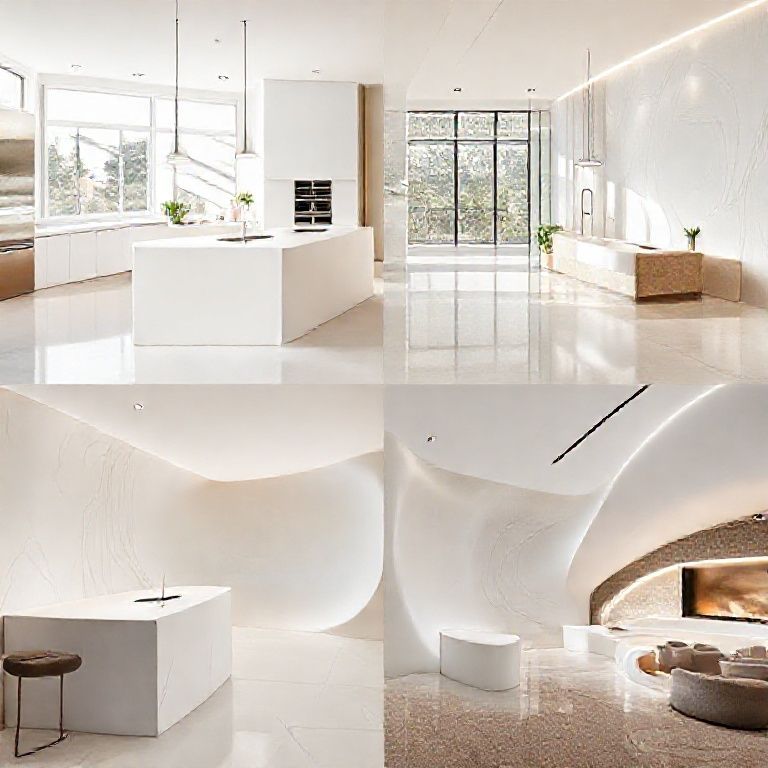
Marble: Marble countertops are prized for their exquisite beauty and veined patterns. However, they are more prone to staining and require careful maintenance. Regular sealing and avoiding acidic substances can help prolong the life of marble countertops.
Slate: Slate offers a rustic and unique look with its natural fissures and color variations. It is durable and relatively easy to maintain, but it is also heavier than other natural stones and may require professional installation.
Engineered Stone Countertops
Engineered stone combines the best qualities of natural stone with the benefits of synthetic materials, resulting in countertops that are durable, affordable, and easy to maintain.
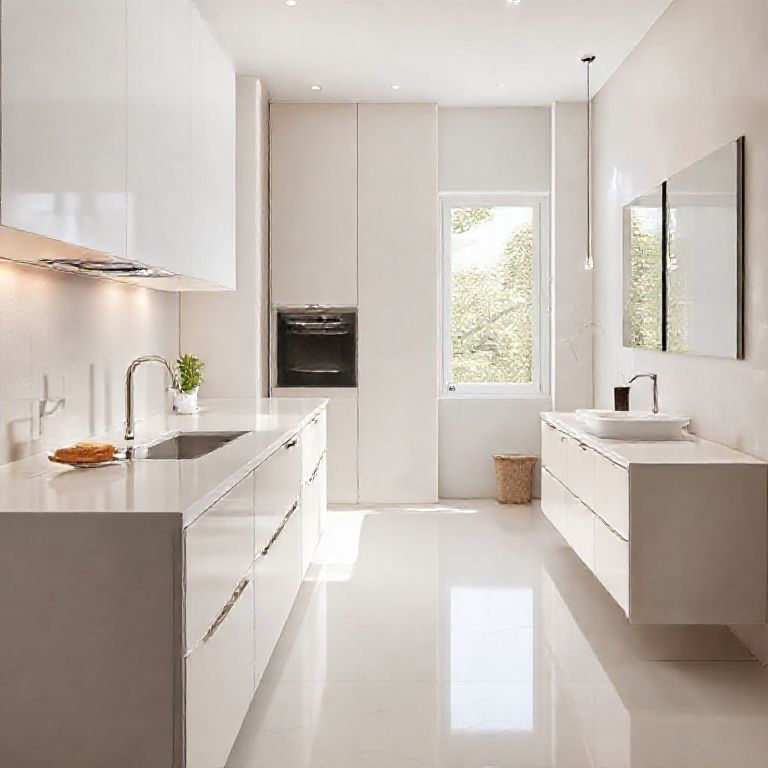
Quartz: Quartz countertops are made from 93% natural quartz and 7% resin. They are highly durable, scratch-resistant, and stain-proof. Quartz offers a vast array of colors and patterns, providing endless design possibilities. They are relatively easy to maintain and do not require sealing.
Laminate: Laminate countertops are made from multiple layers of paper and resin that are bonded together. They are known for their affordability and wide range of colors and patterns. While laminate is less durable than natural stone, it is still a good option for those on a budget. Regular cleaning and avoiding heavy objects are key to maintaining laminate countertops.
Composite Countertops
Composite countertops are made from a combination of natural stone dust and resin, offering a balance between natural beauty and ease of maintenance.
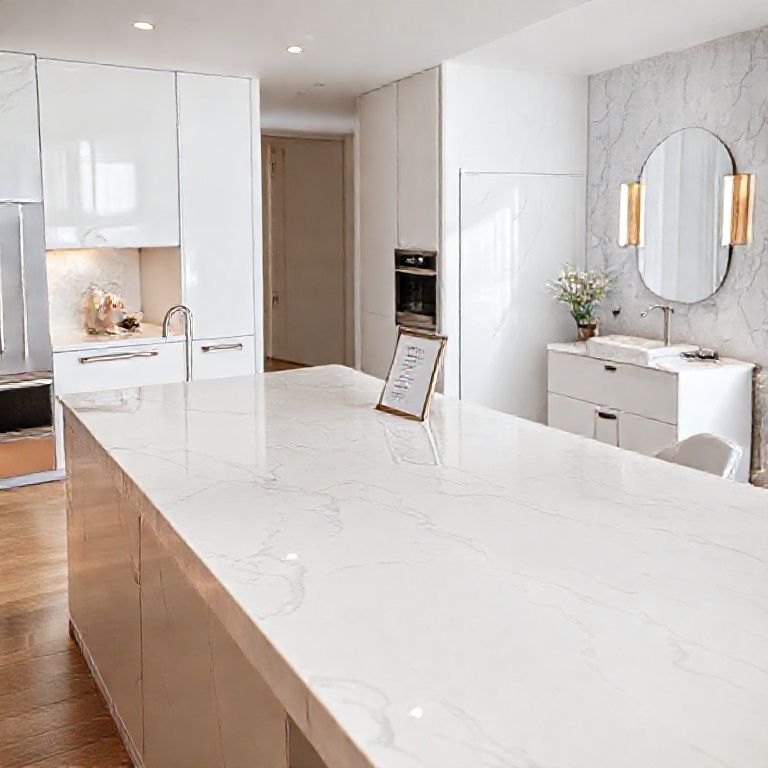
Corian: Corian is a type of composite countertop made from acrylic resin and stone dust. It is highly durable, scratch-resistant, and easy to clean. Corian countertops offer a wide range of colors and patterns, providing flexibility in design. They do not require sealing and are an excellent choice for those looking for low-maintenance options.
Onyx: Onyx is another composite material that combines stone dust with resin. It offers a sleek and modern look with its polished finish. Onyx countertops are durable and resistant to scratches and stains, though they do require sealing to maintain their appearance.
Other Considerations
When choosing a countertop material, there are several other factors to consider beyond just aesthetics and durability.
Maintenance: Different materials require different levels of maintenance. Natural stone countertops, especially marble and granite, need regular sealing to protect against stains and damage. On the other hand, engineered stone and composite materials like Corian and Onyx are generally low-maintenance and easy to clean.
Cost: The cost of countertops can vary widely depending on the material and design. Natural stone countertops tend to be more expensive than engineered stone and composite options. However, the longevity and aesthetic appeal of natural stone often justify the higher upfront cost.
Installation: Some materials, like natural stone, may require professional installation to ensure a seamless and durable finish. Engineered stone and composite materials are generally easier to install, even for DIY enthusiasts.
Weight: Natural stone countertops, particularly marble and slate, are heavier than engineered and composite options. This can affect the structural requirements of your kitchen.
Heat Resistance: If you frequently use your countertop for cooking, heat resistance is an important factor. Natural stone and engineered stone materials generally offer better heat resistance compared to laminate and some composite options.
Conclusion
Choosing the perfect material for your kitchen countertop involves weighing the pros and cons of each option based on your specific needs and preferences. Natural stone countertops offer timeless beauty and durability but require more maintenance. Engineered stone and composite materials provide a balance of durability, aesthetics, and low maintenance. By considering factors such as maintenance, cost, installation, weight, and heat resistance, you can make an informed decision that will enhance both the functionality and beauty of your kitchen.
In the next part of this article, we will delve deeper into some of the lesser-known but equally impressive countertop materials, including recycled and eco-friendly options, and provide tips on how to maintain your chosen countertop material for years to come.
Advanced Choices and Maintenance Tips for Your Kitchen Countertop
In the previous part, we explored some of the most popular materials for kitchen countertops, including natural stone, engineered stone, and composite options. Now, let’s delve deeper into some lesser-known but equally impressive materials and provide comprehensive maintenance tips to ensure your chosen countertop remains beautiful and functional for years to come.
Recycled and Eco-Friendly Materials
As sustainability becomes a more important consideration for homeowners, recycled and eco-friendly materials are gaining popularity for kitchen countertops.
Recycled Stone: Recycled stone countertops are made from reclaimed natural stone, giving a second life to materials that would otherwise go to waste. These countertops offer unique patterns and colors while reducing the environmental impact associated with mining new stone. They are durable and low-maintenance, making them a great eco-friendly option.
Recycled Glass: Recycled glass countertops are made from upcycled glass, providing a sleek and modern look. They are highly durable, scratch-resistant, and easy to clean. Recycled glass countertops are also eco-friendly, as they reduce the need for new glass production.
Bamboo: Bamboo countertops are made from rapidly renewable bamboo, offering a unique and sustainable option. Bamboo is strong, durable, and has a natural, attractive appearance. While bamboo countertops may require more maintenance than some other options, they are a great choice for those looking for a low-maintenance, eco-friendly material.
Specialty Materials
Beyond the common choices, there are specialty materials that offer unique properties and aesthetics for your kitchen countertop.
Cork: Cork countertops are made from the bark of the cork oak tree, providing a natural, sustainable material. Cork is highly durable, water-resistant, and has excellent sound-absorbing properties. It is also easy to clean and maintain. However, cork countertops can be more expensive and may not be suitable for high-traffic areas due to potential wear over time.
Teak: Teak countertops are made from teak wood, which is known for its durability and resistance to weather and insects. Teak countertops offer a warm, natural look with a smooth, oil-based finish. They are relatively easy to maintain but may require occasional re-oiling to keep them looking their best.
Cork and Stone Combos: For those who want the durability of stone combined with the eco-friendliness of cork, there are options that blend these materials. These countertops offer a unique look and the benefits of both materials, providing a durable, low-maintenance surface that is easy to clean.
Maintenance Tips
Regardless of the material you choose for your kitchen countertop, proper maintenance is key to ensuring its longevity and beauty. Here are some general maintenance tips for various countertop materials:
Granite:
Sealing: Regular sealing is essential to protect granite countertops from stains and damage. Follow the manufacturer’s instructions for sealing frequency. Cleaning: Use a mild soap and water solution to clean granite surfaces. Avoid using abrasive cleaners or sponges that can scratch the surface. Acids: Avoid using acidic substances like citrus juices or vinegar, as they can etch the surface.
Quartz:
Cleaning: Quartz countertops are easy to clean and do not require sealing. Wipe them down with a mild soap and water solution or a quartz-specific cleaner. Spills: Immediately clean up spills, especially acidic ones, to prevent stains. Heat: Avoid placing hot pots or pans directly on the surface, as it can cause damage.
Laminate:
Cleaning: Clean laminate countertops with a soft, damp cloth and a mild soap solution. Avoid using abrasive cleaners or excessive water. Heat: Avoid placing hot items on the surface to prevent warping or discoloration. Abrasion: Use coasters and trivets to protect the surface from scratches and heat damage.
Corian:
Cleaning: Corian countertops are easy to clean and do not require sealing. Use a mild soap and water solution继续
Corian (continued):
Scratches: Use coasters and trivets to protect the surface from scratches and heat damage. Acids: Avoid using acidic substances on Corian countertops, as they can cause discoloration.
Onyx:
Sealing: Regular sealing is necessary to protect onyx countertops from stains and damage. Follow the manufacturer’s instructions for sealing frequency. Cleaning: Use a mild soap and water solution to clean onyx surfaces. Avoid using abrasive cleaners or sponges that can scratch the surface. Acids: Avoid using acidic substances like citrus juices or vinegar, as they can etch the surface.
Recycled Stone and Glass:
Cleaning: Clean these countertops with a mild soap and water solution. Avoid using abrasive cleaners or sponges that can scratch the surface. Sealing: Depending on the material, some recycled stone and glass countertops may require sealing to protect against stains and damage. Follow the manufacturer’s instructions for sealing frequency. Heat: Avoid placing hot items on the surface to prevent warping or discoloration.
Bamboo:
Cleaning: Clean bamboo countertops with a mild soap and water solution. Avoid using abrasive cleaners or sponges that can scratch the surface. Sealing: Bamboo countertops often require sealing to protect against stains and water damage. Follow the manufacturer’s instructions for sealing frequency. Heat: Avoid placing hot items on the surface to prevent warping or discoloration.
Cork:
Cleaning: Clean cork countertops with a soft, damp cloth and a mild soap solution. Avoid using abrasive cleaners or excessive water. Sealing: Cork countertops may require occasional re-oiling to maintain their natural finish and protect against wear. Follow the manufacturer’s instructions for re-oiling frequency. Heat: Avoid placing hot items on the surface to prevent damage.
Teak:
Cleaning: Clean teak countertops with a mild soap and water solution. Avoid using abrasive cleaners or sponges that can scratch the surface. Oiling: Teak countertops require occasional re-oiling to maintain their natural finish and protect against wear. Follow the manufacturer’s instructions for re-oiling frequency. Heat: Avoid placing hot items on the surface to prevent warping or discoloration.
Final Thoughts
Choosing the right countertop material for your kitchen involves balancing aesthetics, durability, and maintenance requirements. Natural stone, engineered stone, and composite materials offer a range of options from classic elegance to modern simplicity. Recycled and eco-friendly materials provide sustainable alternatives that are increasingly popular among environmentally conscious homeowners.
Regardless of the material you choose, proper maintenance is crucial to ensuring the longevity and beauty of your kitchen countertop. By following the specific care instructions for your countertop material, you can enjoy a beautiful and functional kitchen for years to come.
When making your final decision, consider factors such as the frequency of use, the types of food and beverages prepared on the countertop, and the level of maintenance you are willing to undertake. With careful consideration and proper care, you can select the perfect material for your kitchen countertop that meets your needs and enhances your culinary space.