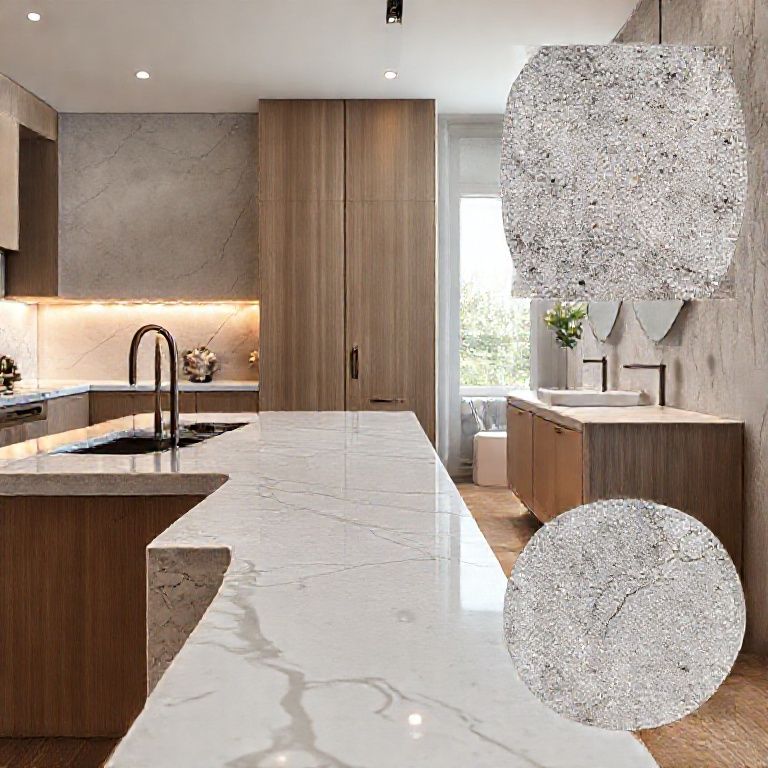
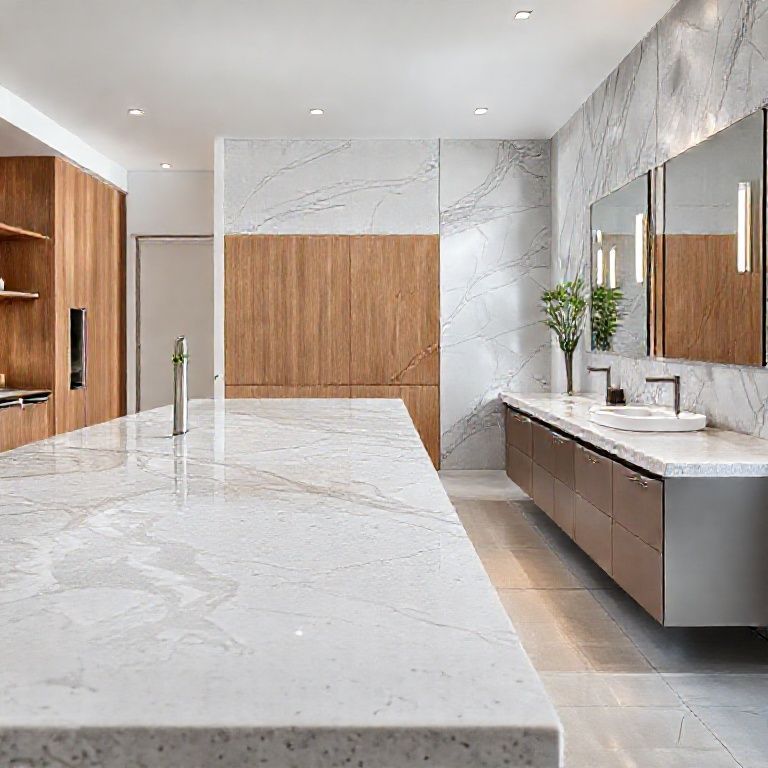
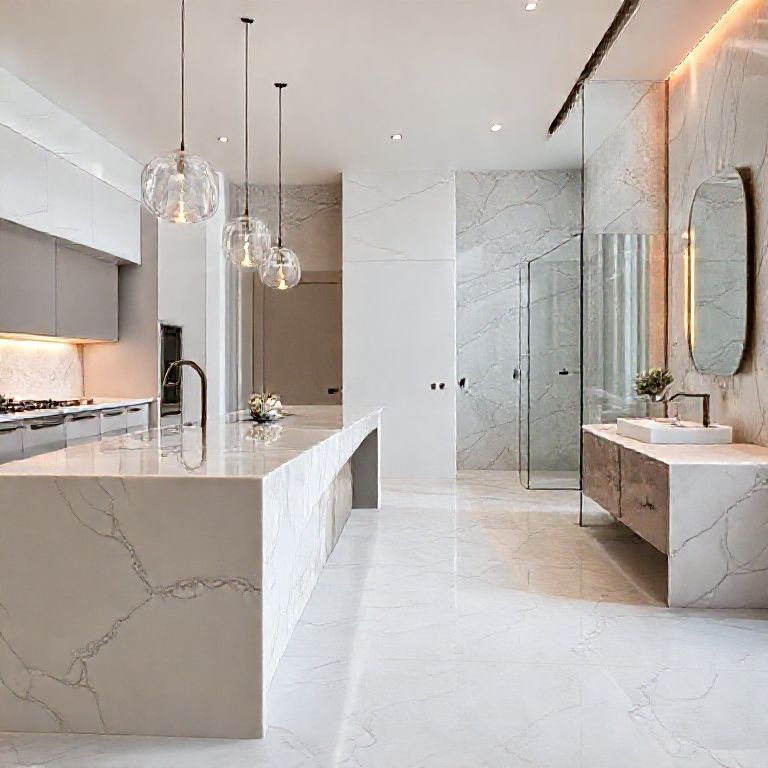
In the heart of any home lies the kitchen, a space where culinary creativity flourishes and family bonds are strengthened. A critical element in this central hub is the kitchen countertop, the surface where meals are prepared, meals are enjoyed, and everyday activities unfold. Selecting the perfect material for your kitchen countertop is a decision that involves balancing aesthetics, functionality, and practicality. In this first part of our comprehensive guide, we’ll explore the most popular materials for kitchen countertops, delving into their unique characteristics, advantages, and potential drawbacks.
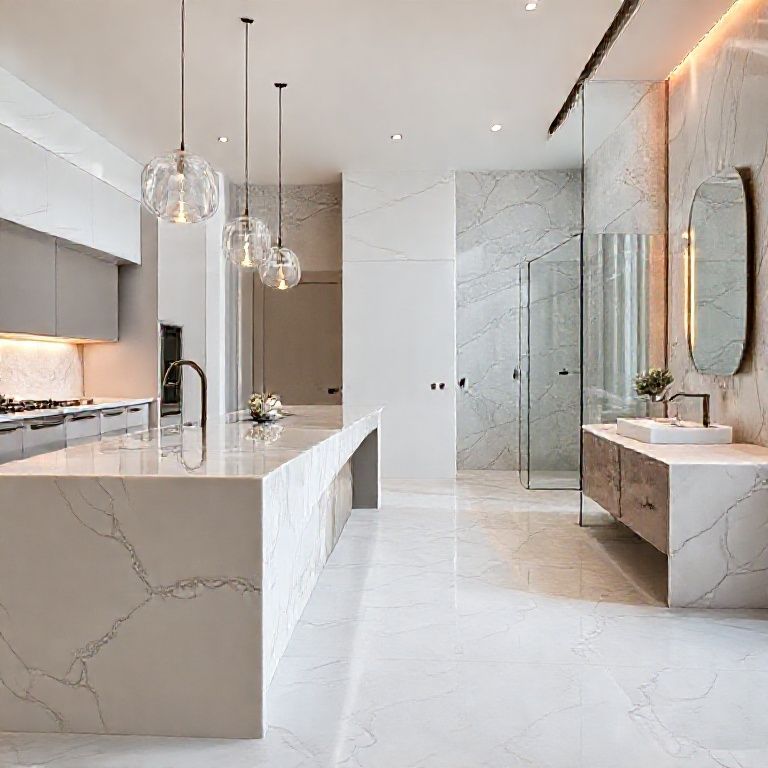
1. Granite
Granite is one of the most popular choices for kitchen countertops due to its impressive durability and timeless elegance. This natural stone is formed from cooled magma deep within the Earth and is known for its strength and resistance to scratches, stains, and heat.
Pros:
Durability: Granite is incredibly hard, which means it can withstand heavy use and resist scratches and dents. Heat Resistance: It can handle the heat from cooking appliances without warping or degrading. Low Maintenance: Granite requires minimal upkeep; a simple wipe with a damp cloth and a mild soap solution suffices. Aesthetic Appeal: Available in a variety of colors and patterns, granite offers a luxurious and sophisticated look that complements almost any kitchen design.
Cons:
Cost: Granite is one of the more expensive countertop options, which can be a significant factor for budget-conscious homeowners. Sealing Requirement: To maintain its protective qualities, granite countertops must be sealed periodically to prevent stains and moisture damage.
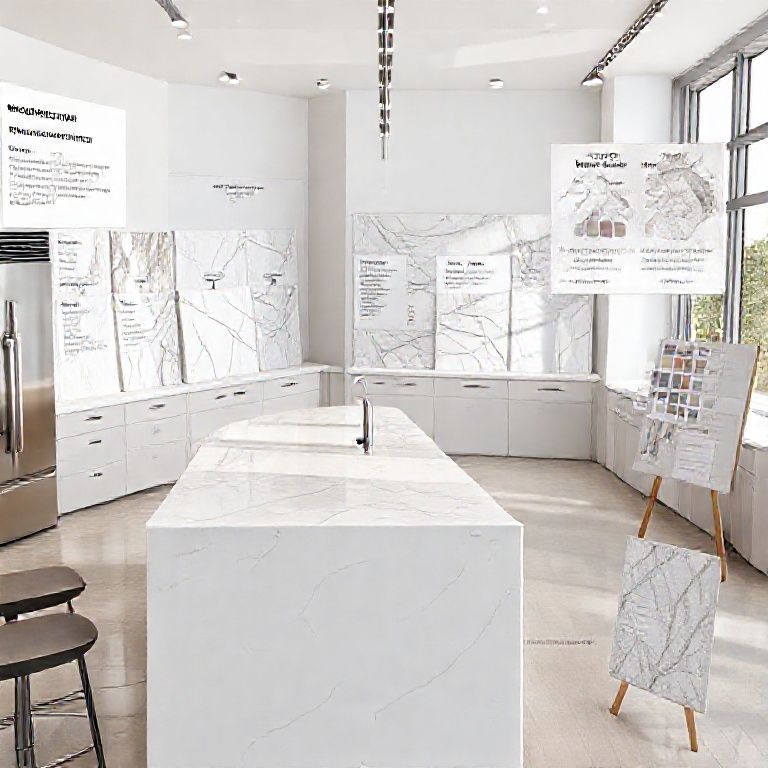
2. Quartz
Quartz countertops are a modern marvel in the world of kitchen design. Composed of 90% pure quartz and 10% resin, these countertops are engineered to deliver unmatched durability, beauty, and ease of maintenance.
Pros:
Durability: Quartz is virtually indestructible. It is resistant to scratches, stains, and heat, making it a low-maintenance option. Affordability: Generally more affordable than granite, quartz offers a high-end look at a more accessible price point. Variety: Available in an extensive range of colors and patterns, quartz provides endless design possibilities. Low Maintenance: Easy to clean with a simple wipe and mild soap solution.
Cons:
Installation: Requires specialized installation due to its high-density nature. Heat Sensitivity: While quartz is heat-resistant, prolonged exposure to high heat can cause discoloration.
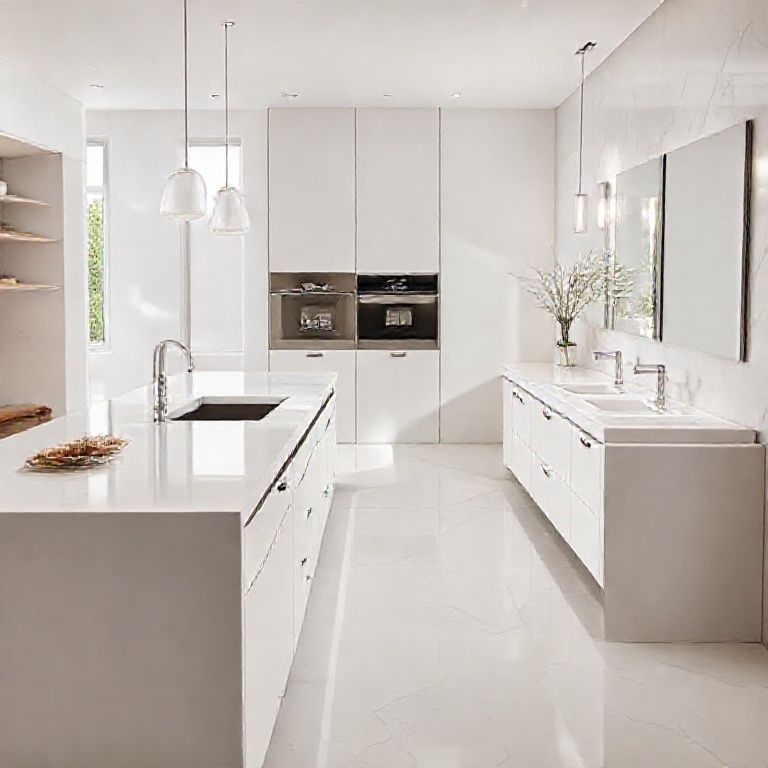
3. Marble
Marble has long been associated with luxury and elegance, and for good reason. This natural stone is known for its stunning veining and beautiful, soft hues.
Pros:
Aesthetic Appeal: Marble’s unique veining and colors provide a breathtaking visual appeal. Heat Resistance: Marble can handle the heat from cooking appliances without warping. Workability: Marble is highly workmanlike, allowing for intricate designs and custom shapes.
Cons:
Porosity: Marble is porous, which means it can stain easily. Regular sealing is required to maintain its beauty and prevent water damage. Cost: Generally more expensive than many other countertop materials, though prices vary widely based on the type and quality. Maintenance: Requires more maintenance than non-porous options; regular cleaning and sealing are essential.
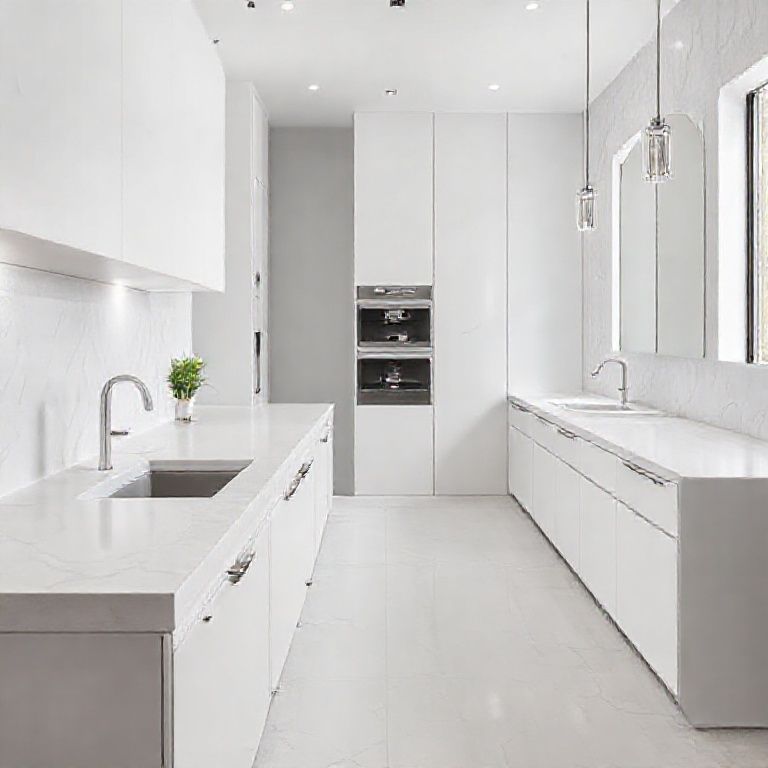
4. Concrete
Concrete countertops have gained popularity for their unique, industrial look and impressive durability. Made from a mixture of cement, water, sand, and aggregate, these countertops are versatile and customizable.
Pros:
Durability: Extremely durable and resistant to scratches, stains, and heat. Customization: Can be colored and textured in almost any way to suit your design vision. Cost-Effective: Generally more affordable than natural stone options.
Cons:
Weight: Heavier than other countertop materials, which can be a concern for older homes with older structures. Finishing: Requires a bit more finishing work compared to other materials to achieve a smooth, professional look.
5. Laminate
Laminate countertops are a budget-friendly option that offers a variety of colors and patterns. Made from a layer of paper-like material covered with a protective layer of resin, these countertops are known for their affordability and ease of installation.
Pros:
Affordability: One of the most budget-friendly options available. Design Flexibility: Available in a wide range of colors and patterns to suit any kitchen design. Easy Installation: Simple to install, often requiring no professional help.
Cons:
Durability: Not as durable as other options; prone to scratches, dents, and warping. Heat Sensitivity: Can be damaged by hot pots and pans, leading to discoloration. Maintenance: Requires regular cleaning to maintain its appearance.
Conclusion
Choosing the perfect material for your kitchen countertop involves careful consideration of your lifestyle, budget, and design preferences. Granite and quartz offer unmatched durability and low maintenance, making them ideal for high-traffic areas. Marble provides a luxurious and elegant look but requires more maintenance and sealing. Concrete offers a unique, customizable aesthetic at a more affordable price point, while laminate provides budget-friendly design flexibility. Each material has its own set of advantages and challenges, so it’s important to weigh these factors carefully to make the best choice for your kitchen.
In the next part of our guide, we will delve deeper into some additional materials, including solid surface composites and stainless steel, and provide tips on installation, maintenance, and cost considerations to help you finalize your decision.
Continuing from where we left off, this second part of our comprehensive guide focuses on some additional materials for kitchen countertops, providing deeper insights into their characteristics, advantages, and potential drawbacks. We will also offer detailed tips on installation, maintenance, and cost considerations to help you make an informed decision when choosing the perfect material for your kitchen countertop.
6. Solid Surface Composites
Solid surface composites, such as Corian and CPVC, are engineered materials that combine the best features of natural stone and synthetic materials. They are made from a mixture of polymers, fiberglass, and other materials to create a strong, durable surface that’s easy to maintain.
Pros:
Durability: Extremely tough and resistant to scratches, dents, and stains. Heat Resistance: Can withstand high temperatures without warping or degrading. Design Flexibility: Available in a vast array of colors and patterns, offering limitless design possibilities. Low Maintenance: Easy to clean with a simple wipe and mild soap solution.
Cons:
Installation: Requires professional installation to ensure a seamless finish. Cost: Generally more expensive than laminate and budget-friendly composites.
7. Stainless Steel
Stainless steel countertops are known for their sleek, modern look and impressive durability. Made from an alloy of iron, chromium, and other elements, stainless steel is resistant to corrosion and easy to clean.
Pros:
Aesthetic Appeal: Offers a sleek, contemporary look that is both stylish and functional. Durability: Highly resistant to scratches, dents, and corrosion. Ease of Cleaning: Easy to clean and maintain; just a simple wipe with a damp cloth suffices.
Cons:
Heat Sensitivity: Prolonged exposure to high heat can cause discoloration and warping. Cost: Generally more expensive than laminate and some other budget-friendly options.
8. Butcher Block
Butcher block countertops are made from solid wood, typically hardwood like maple, oak, or walnut. These countertops have a rustic, natural look and are popular among those who appreciate a more traditional and tactile kitchen.
Pros:
Aesthetic Appeal: Offers a beautiful, natural look that adds warmth and character to the kitchen. Durability: Generally durable, though it requires careful maintenance to prevent damage. Customization: Can be customized with various finishes and stains to suit your design preference.
Cons:
Maintenance: Requires regular maintenance to prevent moisture damage, scratches, and staining. Cost: Can be more expensive than some other options, depending on the type of wood used. Weight: Heavier than other countertop materials, which can be a concern for older homes with older structures.
9. Engineered Wood
Engineered wood countertops are made from layers of wood veneer bonded together with resin. These countertops offer a more affordable alternative to solid wood while still providing a natural, beautiful look.
Pros:
Affordability: Generally more affordable than solid wood butcher blocks. Design Flexibility: Available in a variety of colors and patterns. Durability: Resistant to scratches and dents, though not as durable as solid wood.
Cons:
10. 天然石英石
天然石英石(Natural Quartz)是一种由石英、树脂和其他材料混合制成的人造石材。它的优点在于耐用性和抗污性,同时也具有丰富的颜色和图案选择。
Pros:
耐用性: 极其耐用,抗污性强,不易划伤。 抗热性: 能够承受高温,不会变形。 设计灵活: 提供丰富的颜色和图案选择。 易清洁: 只需用湿布和中性清洁剂擦拭即可。
Cons:
成本: 相对于一些低端材料,但比纯石材便宜。 安装: 需要专业安装,以确保无缝衔接。
选材的其他考虑因素
在选择最终的台面材料时,还需要考虑其他几个因素:
预算: 不同材料的价格差异很大,需要根据自己的预算做出选择。 维护: 有些材料需要更多的维护和保养,例如大理石和石英石需要定期密封。 耐热性: 如果你经常烹饪,耐热性是一个重要的考虑因素。 厨房的整体设计: 材料的颜色和质感需要与整体厨房设计风格相协调。
耐用性: 考虑材料的耐用性,确保它能够长期使用而不会轻易损坏。
安装和维护
专业安装: 无论选择哪种材料,最好还是请专业人员进行安装,以确保台面的平整和密封。 定期清洁: 不同材料需要不同的清洁方法。例如,大理石需要使用专门的大理石清洁剂,而石英石则只需简单的湿布擦拭。 防止损坏: 使用切菜板、砧板等保护台面,避免直接用刀切割,以防止划伤。
及时修复: 出现划痕或污渍时,尽快进行修复,以防问题扩大。
结论
选择厨房台面材料时,需要综合考虑耐用性、美观性、预算和维护要求。每种材料都有其独特的优点和缺点,了解这些信息将帮助你做出最适合自己家庭的选择。希望这篇指南能为你提供有价值的信息,帮助你找到完美的厨房台面材料。