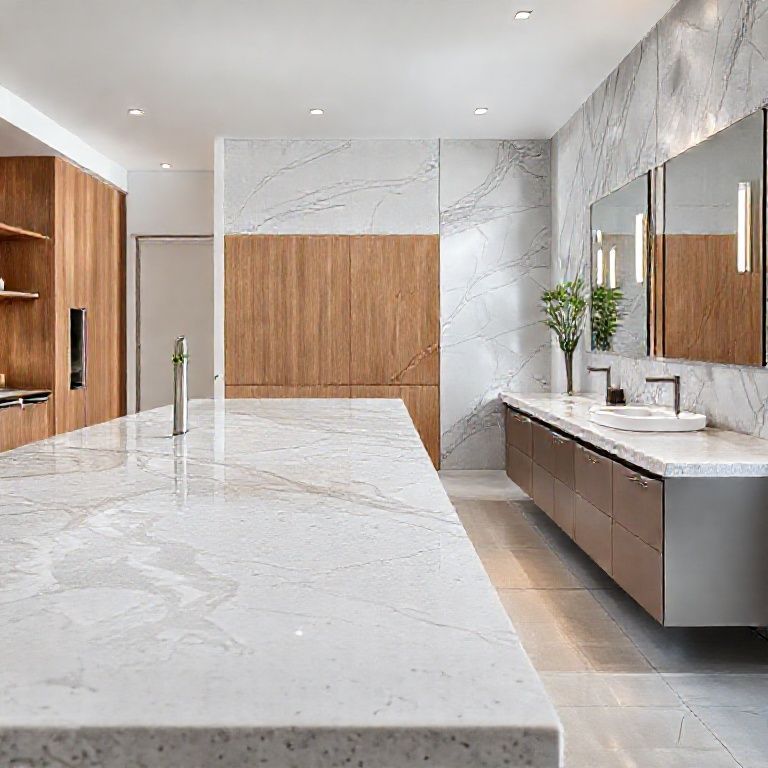
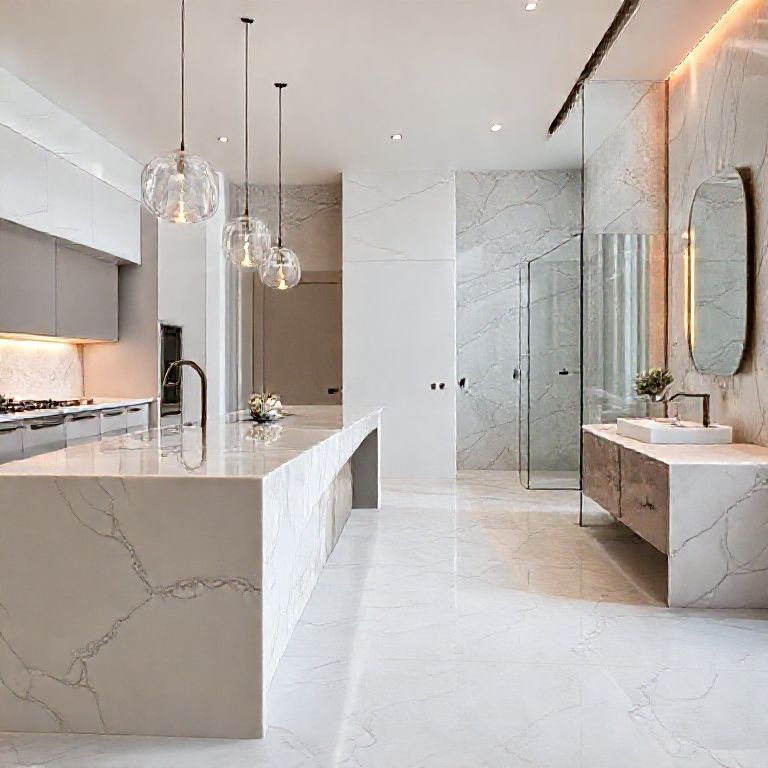
When it comes to selecting the ideal material for kitchen countertop, the decision is crucial for both aesthetics and functionality. This comprehensive guide explores the various options available, helping you make an informed choice that suits your needs and preferences. Part 1 will cover the top materials and their unique features, while Part 2 will delve deeper into installation, maintenance, and additional considerations.
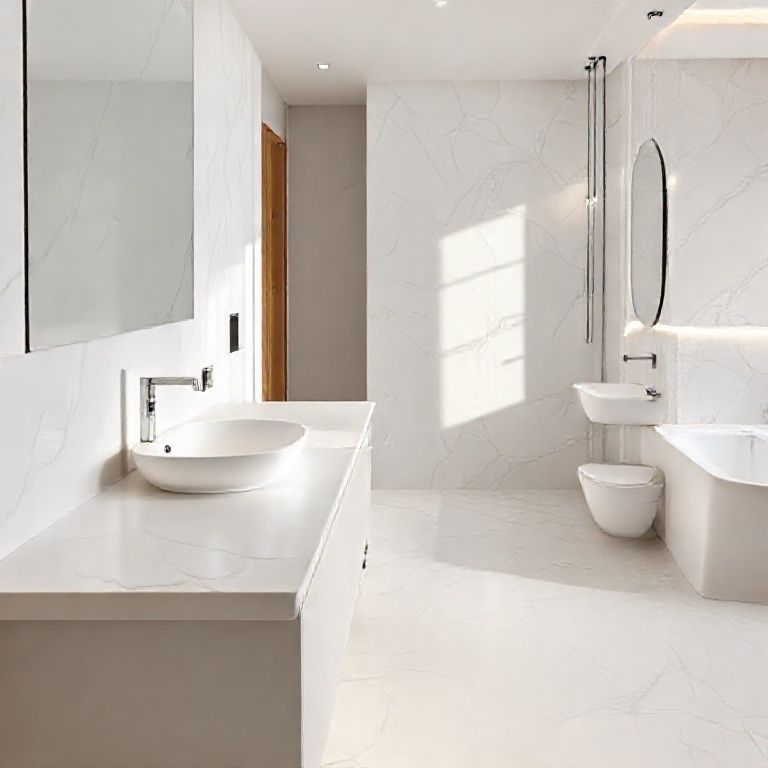
kitchen countertop, countertop material, countertop options, granite, quartz, marble, laminate, stainless steel, concrete, installation, maintenance, durability, aesthetics
Choosing the Perfect Material for Your Kitchen Countertop: A Comprehensive Guide
Introduction: The kitchen is the heart of any home, and the countertop is arguably its most prominent feature. The right material for your kitchen countertop can enhance both its beauty and functionality. From the sleek look of quartz to the timeless elegance of marble, each material has its own unique benefits and drawbacks. Here’s an in-depth look at the top materials for kitchen countertops to help you make an informed decision.
1. Granite:
Granite is one of the most popular choices for kitchen countertops due to its durability, strength, and stunning natural beauty. Originating from natural stone, granite is available in a wide array of colors and patterns, allowing for a highly personalized look.

Durability and Strength: Granite is incredibly durable and can withstand heavy use. It’s also highly resistant to scratches, stains, and thermal damage, making it an excellent choice for high-traffic areas. Maintenance: Although granite is low-maintenance, it does require sealing every one to two years to maintain its protective properties against stains and scratches. Cost: Granite countertops are generally on the higher end of the price spectrum, but they offer excellent value due to their longevity and natural aesthetic.
2. Quartz:
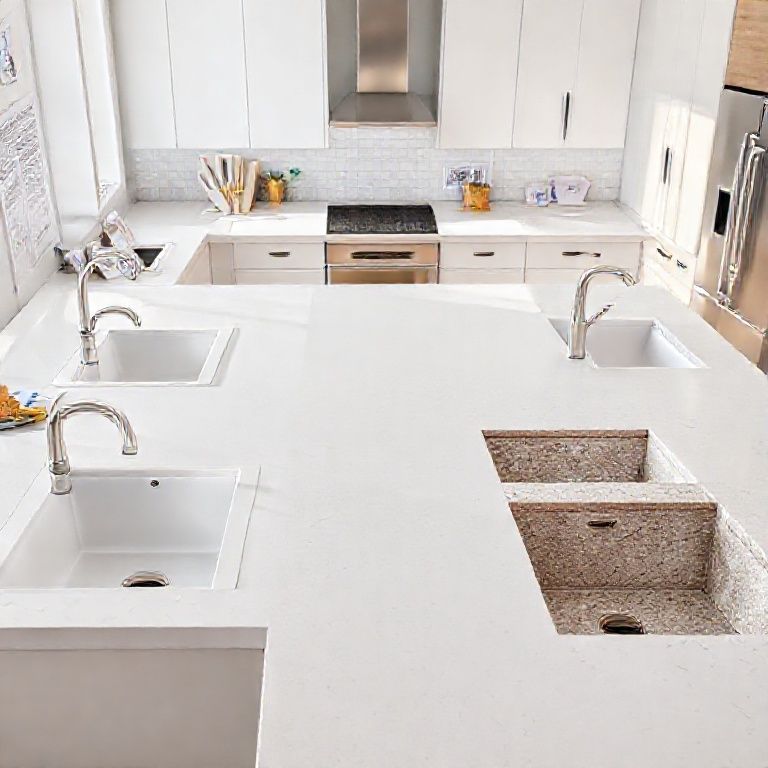
Quartz, a man-made stone, has become a favorite among homeowners for its combination of durability and design flexibility.
Durability: Quartz is known for its incredible strength, ranking high on the Mohs scale of mineral hardness. It’s also resistant to scratches, stains, and thermal damage, making it suitable for a busy kitchen. Design Options: With thousands of color and pattern combinations available, quartz allows for a high degree of customization to match any style. Maintenance: Quartz is low-maintenance and does not require sealing. It’s also easy to clean with simple household cleaners. Cost: Quartz countertops offer a wide range of price points, providing both affordable and premium options.
3. Marble:
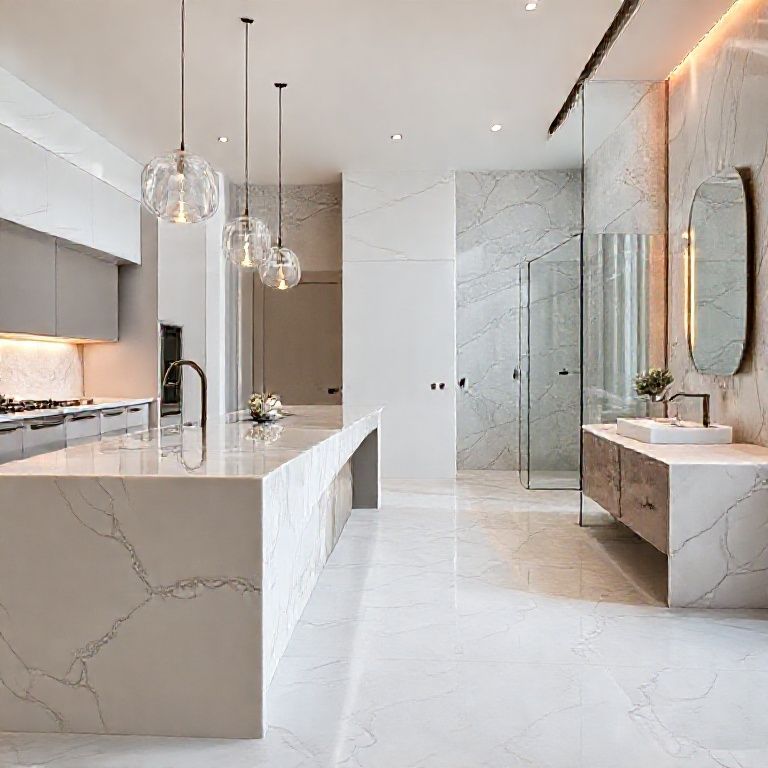
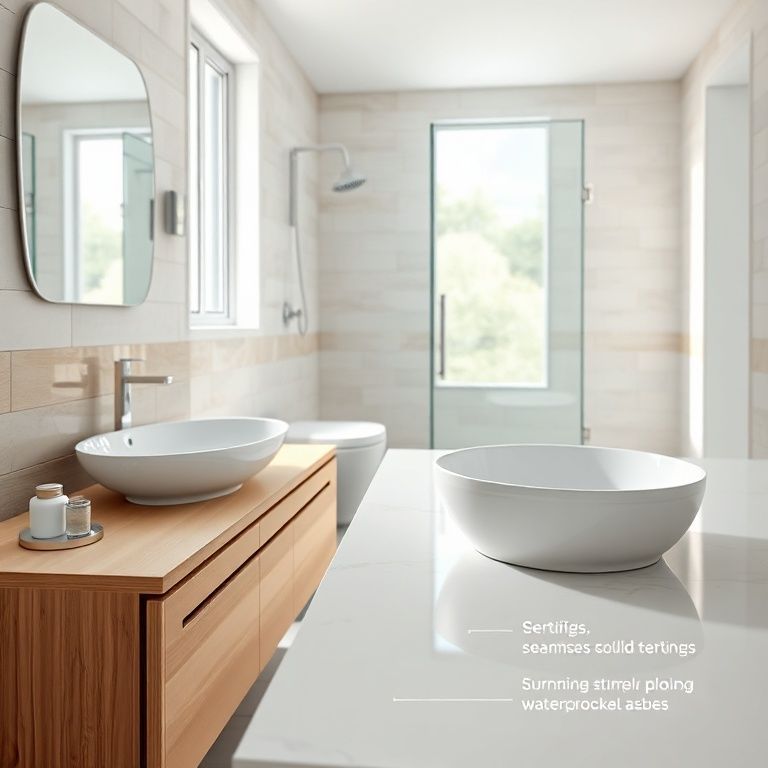
Marble has long been a symbol of luxury and elegance, making it a popular choice for upscale kitchens.
Aesthetics: Marble’s unique veining and colors provide a beautiful, natural look that is often associated with high-end kitchens. Durability: While marble is a beautiful material, it is relatively soft and prone to scratches and stains. It also requires regular sealing to prevent acid-based spills from staining the surface. Maintenance: Marble countertops need regular maintenance, including sealing and careful cleaning to avoid etching. Cost: Marble can range from moderately priced to very expensive, depending on the type and quality of the marble used.
4. Laminate:
Laminate countertops offer a budget-friendly option with a variety of design possibilities.
Design Flexibility: Laminate is available in numerous colors and patterns, providing flexibility for custom designs. Durability: While laminate is resistant to scratches and stains, it is not as durable as natural stone options. It is also not heat-resistant. Maintenance: Laminate is easy to clean and maintain, but it can be damaged by sharp objects and excessive heat. Cost: Laminate countertops are generally the most affordable option, making them a popular choice for budget-conscious homeowners.
5. Stainless Steel:
Stainless steel countertops are known for their strength, durability, and modern aesthetic.
Durability: Stainless steel is highly durable and resistant to scratches, stains, and thermal damage. It’s also highly hygienic, making it a great choice for kitchens. Aesthetics: Stainless steel offers a sleek, modern look that complements a variety of kitchen styles. Maintenance: Stainless steel is easy to clean and maintain, though it can be prone to fingerprints and smudges. Cost: Stainless steel countertops are moderately priced and offer good value for their durability and modern look.
6. Concrete:
Concrete countertops are a unique and modern choice, offering an industrial aesthetic.
Aesthetics: Concrete provides a raw, industrial look that is perfect for contemporary kitchens. Durability: Concrete is highly durable and resistant to scratches, stains, and thermal damage. Maintenance: Concrete requires regular sealing to prevent stains and etching, but it’s otherwise low-maintenance. Cost: Concrete countertops can vary in price depending on the design and finish, but they generally offer a high-end look at a competitive price.
Conclusion: Choosing the right material for your kitchen countertop involves considering factors like durability, maintenance, aesthetics, and budget. Granite, quartz, marble, laminate, stainless steel, and concrete each offer unique benefits that cater to different needs and preferences. By understanding the pros and cons of each material, you can make an informed decision that enhances both the beauty and functionality of your kitchen space.
Choosing the Perfect Material for Your Kitchen Countertop: A Comprehensive Guide
Introduction: Having covered the top materials for kitchen countertops in Part 1, we now delve deeper into installation, maintenance, and additional considerations to help you make the best choice for your kitchen. This section will provide detailed insights to ensure you understand not just what to choose, but how to maintain and install your selected countertop material effectively.
1. Installation:
Proper installation is crucial to ensure the longevity and functionality of your kitchen countertop. Here’s a look at the installation process for the different materials:
Granite: Granite countertops require professional installation to ensure a proper fit and a seamless appearance. The installation process involves cutting the granite to size, applying adhesive, and then pressing the granite onto the subframe. Once installed, a grout line may be added to hide the seams. Quartz: Quartz countertops are typically installed in a similar manner to granite, though they can often be cut to size at home if you’re handy with tools. Professional installation ensures a flawless finish, and additional sealing may be applied to protect the surface. Marble: Marble countertops need careful handling due to their susceptibility to scratches and damage. Professional installation is highly recommended to avoid damaging the marble during the process. Laminate: Laminate countertops are relatively easy to install, often requiring only basic tools. They are typically adhered directly to the cabinet tops with adhesive. However, professional installation can ensure a smooth and flawless finish. Stainless Steel: Stainless steel countertops are usually installed by professionals to ensure a tight fit and a polished appearance. The process involves securing the countertop to the cabinet tops using brackets. Concrete: Concrete countertops require a more complex installation process, often involving multiple steps to achieve a polished finish. Professional installation is recommended to ensure a seamless and durable result.
2. Maintenance:
Maintenance is an ongoing aspect of countertop care that can significantly impact the lifespan and appearance of your kitchen countertop. Here’s how to maintain each material:
Granite: Granite countertops require periodic sealing to protect against stains and scratches. It’s also important to clean regularly with mild soap and water, avoiding acidic cleaners that can etch the surface. Quartz: Quartz is low-maintenance and requires no sealing. Regular cleaning with mild dish soap and water is sufficient. Avoid using abrasive cleaners or sponges that can scratch the surface. Marble: Marble countertops need regular sealing to prevent acid-based spills from staining the surface. Cleaning should be done with a soft cloth and mild soapy water, and it’s important to avoid using abrasive cleaners or harsh chemicals. Laminate: Laminate countertops are relatively low-maintenance but should be cleaned regularly with mild soap and water. Avoid using abrasive cleaners or sharp objects that can scratch the surface. Stainless Steel: Stainless steel countertops are easy to clean and maintain. Regular cleaning with a soft cloth and mild soapy water is recommended. Avoid using abrasive cleaners or objects that can scratch the surface. Concrete: Concrete countertops require regular sealing to protect against stains and etching. Cleaning should be done with mild soap and water, and it’s important to avoid using abrasive cleaners or sharp objects.
3. Additional Considerations:
When choosing a countertop material, there are several additional factors to consider:
Budget: Your budget will play a significant role in determining the material you can afford. Granite and marble tend to be more expensive, while laminate and stainless steel offer more budget-friendly options. Lifestyle: Consider your daily kitchen activities and lifestyle. If you frequently cook or use your kitchen for entertaining, a more durable material like granite or quartz may be best. If you prefer a low-maintenance option, laminate or stainless steel could be ideal. Aesthetics: Think about the style of your kitchen and how the countertop will complement it. Natural stone like granite and marble offer timeless elegance, while modern materials like stainless steel and concrete provide a sleek, industrial look. Resale Value: Some materials may offer better resale value than others. Granite and quartz are generally considered to have higher resale value due to their durability and aesthetic appeal.
4. Environmental Impact:
When choosing a kitchen countertop, it’s also important to consider the environmental impact of the material. Here’s a look at how different materials stack up in terms of sustainability:
Granite: Granite is a natural stone that is formed over millions of years. While it’s durable and long-lasting, the mining process can have significant environmental impacts, including habitat destruction and pollution. Quartz: Quartz is a synthetic material made from 90% quartz and 10% resin. It’s a more sustainable option compared to natural stone, as it doesn’t require mining. However, the manufacturing process can involve energy-intensive processes and the use of resins. Marble: Like granite, marble is a natural stone that is formed over millions of years. The mining process can have significant environmental impacts, including habitat destruction and pollution. Additionally, marble is more prone to damage, which can lead to more waste over time. Laminate: Laminate countertops are made from layers of wood or fiberboard bonded together with resin. They are generally more sustainable than natural stone but can still contribute to deforestation if not sourced responsibly. Stainless Steel: Stainless steel is a durable and recyclable material. However, its production involves energy-intensive processes and the use of various metals that can have environmental impacts. Concrete: Concrete is made from cement, sand, gravel, and water. The production of cement is energy-intensive and a significant contributor to greenhouse gas emissions. However, concrete is a highly durable and recyclable material.
5. Customization and Design:
Customization and design flexibility are important factors to consider when choosing a countertop material. Here’s how different materials offer unique design possibilities:
Granite: Granite’s natural veining and colors provide a unique and personalized look. Custom designs and patterns can be created, though they may be more expensive due to the material’s cost and the need for professional installation. Quartz: Quartz offers a wide range of design possibilities due to its thousands of color and pattern combinations. Custom designs and patterns can be created, and it’s available in various thicknesses to suit different design needs. Marble: Marble’s unique veining and colors provide a beautiful and personalized look. Custom designs can be created, but the material’s susceptibility to scratches and stains requires careful consideration. Laminate: Laminate offers a high degree of design flexibility with its numerous color and pattern combinations. Custom designs can be created, though the material’s durability and resistance to scratches may be limited. Stainless Steel: Stainless steel provides a sleek, modern look that can be customized with various finishes and patterns. It’s also available in various thicknesses to suit different design needs. Concrete: Concrete offers a unique and personalized industrial look. Custom designs can be created, though the material’s durability and resistance to scratches may be limited.
Conclusion:
Choosing the right material for your kitchen countertop involves careful consideration of durability, maintenance, aesthetics, budget, lifestyle, environmental impact, and design flexibility. Each material offers unique benefits and drawbacks that cater to different needs and preferences. By understanding the pros and cons of each material, you can make an informed decision that enhances both the beauty and functionality of your kitchen space. Whether you opt for the timeless elegance of marble, the durability of granite, the modern look of stainless steel, or the budget-friendly option of laminate, the right choice will reflect your personal style and contribute to a beautiful, functional kitchen.