Choosing the Perfect Material for Your Kitchen Countertop: An Attractive Guide
When it comes to kitchen design, one of the most critical aspects to consider is the countertop. The countertop not only serves as the primary workspace but also acts as a focal point in the kitchen. Choosing the perfect material for your kitchen countertop is essential to ensure durability, aesthetics, and functionality. In this comprehensive guide, we’ll explore the various materials available for kitchen countertops and how to make an informed decision that suits your lifestyle and design preferences.
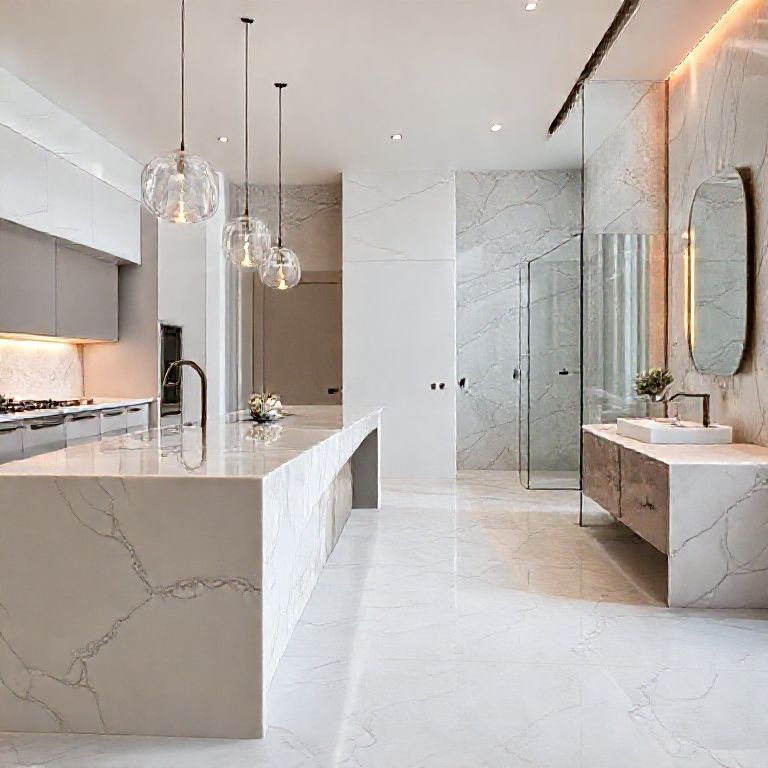
The Importance of Kitchen Countertops
Countertops are the heart of your kitchen. They are where you prepare meals, mix ingredients, and often serve as a dining area for casual meals. Given their central role, selecting the right material is crucial. The right countertop material can enhance your kitchen’s beauty, add value, and withstand daily use.
Material Options for Kitchen Countertops
1. Granite
Durability and Longevity: Granite is renowned for its durability and long-lasting nature. It is a natural stone that comes in a variety of colors and patterns, offering endless design possibilities.
Maintenance: While granite is highly resistant to scratches and stains, it requires sealing periodically to maintain its protective qualities.
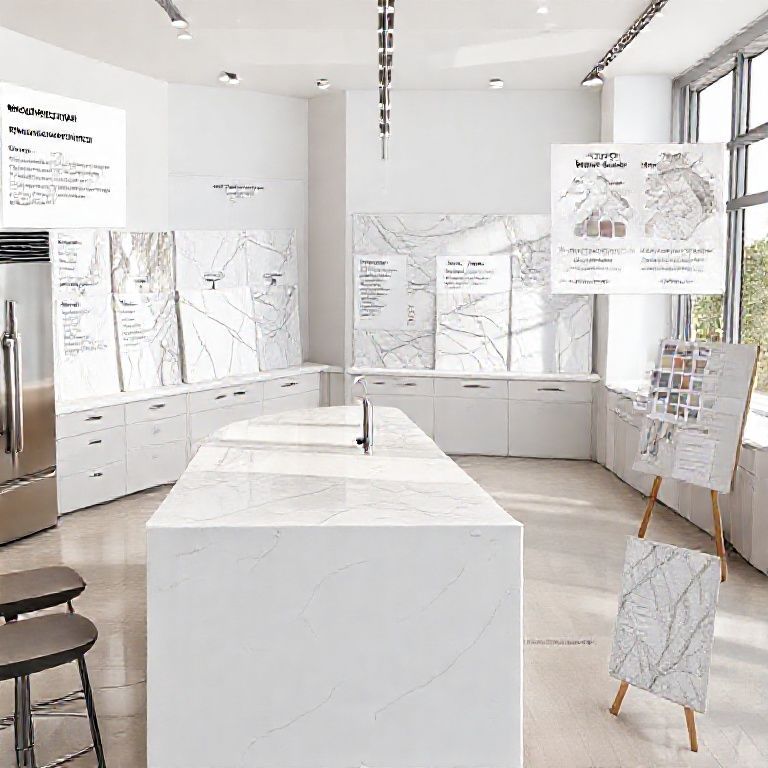
Cost: Granite countertops are generally on the higher end of the price spectrum, but their durability often justifies the investment.
2. Quartz
Aesthetic Versatility: Quartz is known for its versatility in design. It comes in an extensive range of colors and patterns, allowing for custom designs that can match any kitchen style.
Low Maintenance: One of the standout features of quartz is its low maintenance. It is resistant to stains, scratches, and heat, making it an ideal choice for busy kitchens.
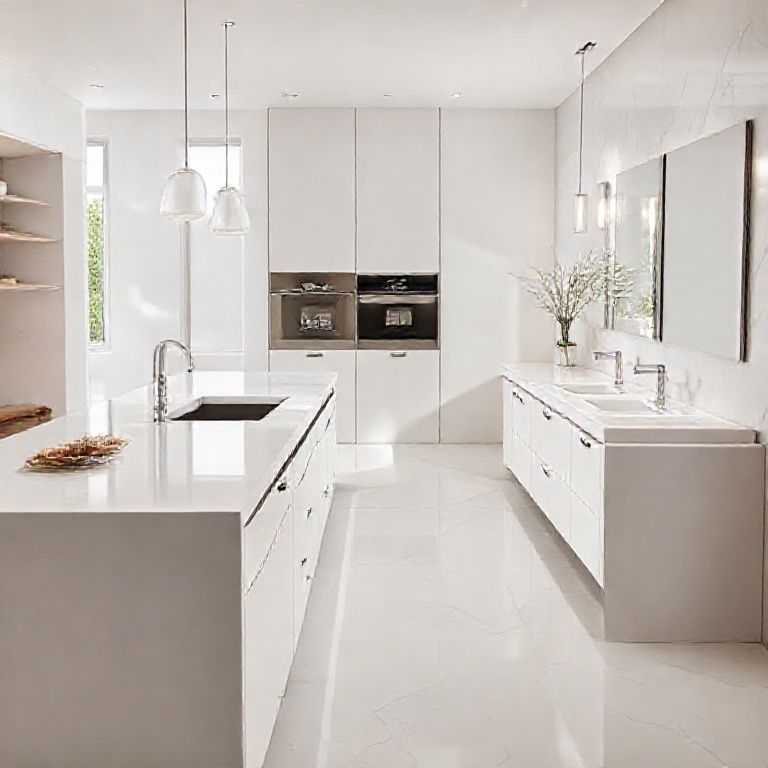
Cost: Quartz countertops offer a balance between cost and quality, making them a popular choice for homeowners looking for high-performance surfaces without breaking the bank.
3. Marble
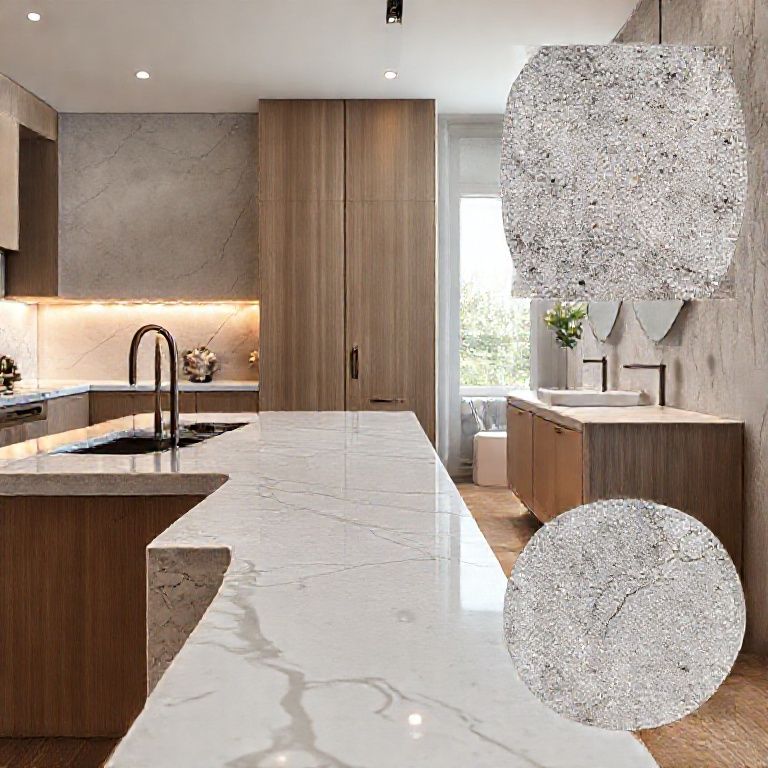
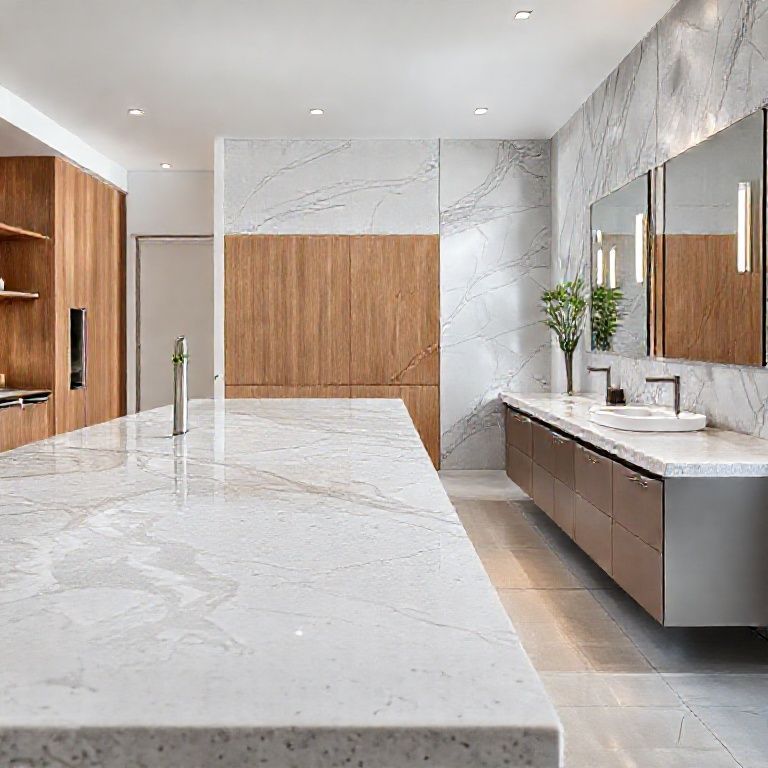
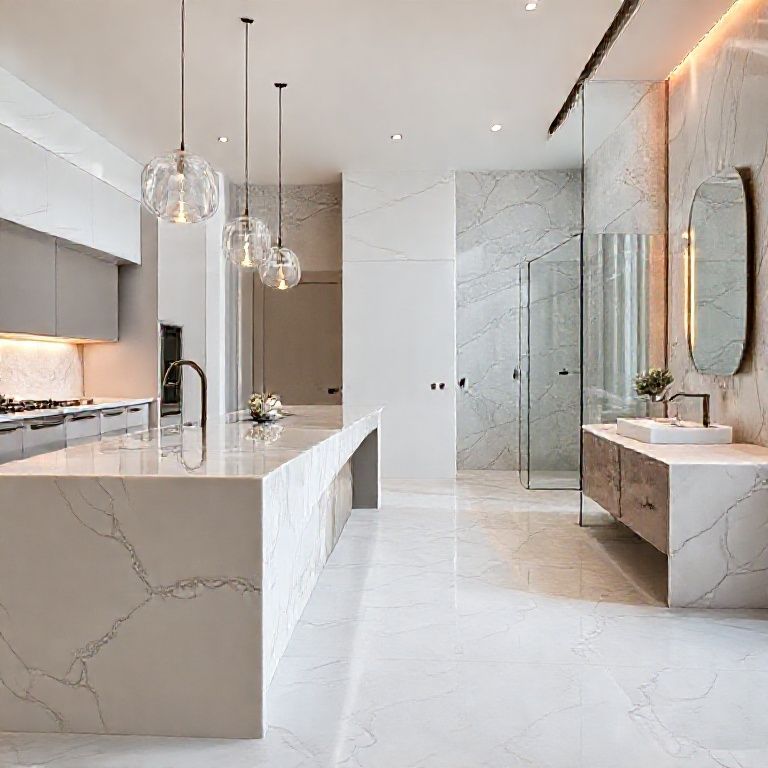
Classic Elegance: Marble countertops exude classic elegance and timeless beauty. Its unique veining and natural patterns add a luxurious touch to any kitchen.
Maintenance: Marble requires more maintenance compared to other materials. It is prone to staining and needs regular sealing to prevent damage. It is also not recommended for heavy cooking surfaces due to its low heat tolerance.
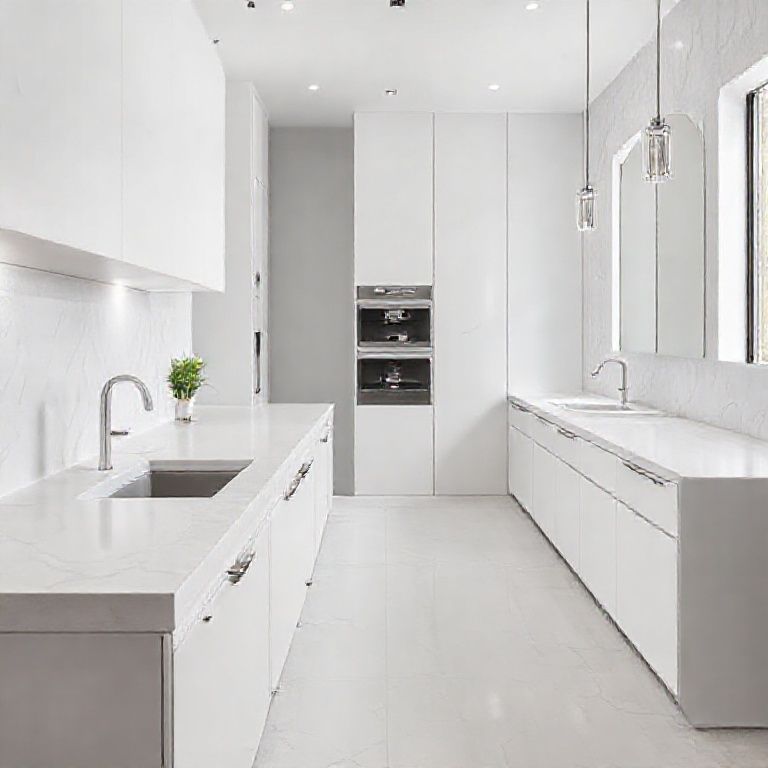
Cost: Marble countertops can be expensive, depending on the type and quality of marble chosen. However, their aesthetic appeal often makes them worth the investment.
4. Laminate
Affordability: Laminate is one of the most affordable options for countertops. It is available in a wide range of colors and designs, allowing for a budget-friendly kitchen makeover.
Durability: Laminate is less durable compared to natural stone options. It is more susceptible to scratches and can be damaged by heat. However, it is a good choice for those on a tight budget.
Maintenance: Laminate countertops are easy to clean and maintain. They are also resistant to moisture, making them suitable for kitchens where spills are common.
5. Concrete
Unique Texture and Design: Concrete countertops offer a unique texture and design. They are customizable, allowing you to create custom shapes and patterns that suit your kitchen’s aesthetic.
Durability: Concrete is highly durable and can withstand scratches, stains, and heat. It is an excellent choice for kitchens that see a lot of use.
Maintenance: Concrete countertops require regular sealing to maintain their appearance and protect against stains. They are also easy to clean, but any cracks need to be addressed promptly to prevent further damage.
6. Stainless Steel
Functionality and Style: Stainless steel countertops combine functionality with style. They are highly durable and resistant to scratches, stains, and heat.
Maintenance: Stainless steel is easy to clean and maintain. However, it can be prone to fingerprints and may require regular wiping to keep it looking pristine.
Cost: Stainless steel countertops are generally more affordable than natural stone options but still offer a modern and industrial look.
Factors to Consider When Choosing Your Countertop Material
1. Durability
When selecting a countertop material, durability is a key factor. Consider how much wear and tear your kitchen will experience. Natural stone options like granite and quartz are highly durable, while materials like laminate and laminate are less so. Durability will help you decide which material will last longer and withstand daily use.
2. Maintenance
Different materials require different levels of maintenance. For instance, granite and marble need regular sealing to protect against stains, while laminate and concrete are low-maintenance. Consider your willingness and ability to maintain the countertop to keep it looking its best.
3. Budget
Your budget will significantly influence your choice of countertop material. Granite and marble are generally on the higher end of the price spectrum, while laminate and stainless steel offer more affordable options. Balance your budget with the desired look and functionality of your kitchen.
4. Aesthetics
The aesthetic appeal of your countertop is crucial in creating a visually pleasing kitchen. Whether you prefer the natural beauty of marble, the sleek look of quartz, or the modern vibe of stainless steel, choose a material that complements your kitchen’s design and your personal style.
5. Functionality
Consider how your countertop will function in your daily kitchen activities. If you frequently cook and need a surface that can handle heat, opt for a more heat-resistant material like granite or quartz. If you prefer a low-maintenance option, materials like laminate or concrete might be more suitable.
Conclusion
Selecting the perfect material for your kitchen countertop is a significant decision that impacts the beauty, functionality, and longevity of your kitchen. By understanding the various options available—ranging from durable natural stones like granite and quartz to more affordable choices like laminate and stainless steel—you can make an informed choice that aligns with your lifestyle, budget, and design preferences. Whether you seek the classic elegance of marble, the versatile appeal of quartz, or the modern look of stainless steel, there is a countertop material that will enhance your kitchen and provide years of satisfaction.
Choosing the Perfect Material for Your Kitchen Countertop: An Attractive Guide
Continuing from where we left off, let’s delve deeper into the various aspects of kitchen countertop materials and how they can influence your kitchen’s overall design and functionality. The right choice not only enhances the aesthetics of your kitchen but also ensures it meets your practical needs.
Exploring Advanced Options for Kitchen Countertops
1. Engineered Stone
Combining Durability and Design: Engineered stone is a hybrid material that combines the best features of natural stone with the durability of synthetic materials. It offers the intricate designs and colors of natural stone while being more durable and less expensive.
Heat Resistance: Engineered stone countertops are highly heat-resistant, making them suitable for kitchens where cooking happens frequently.
Maintenance: Although engineered stone is durable, it still requires regular cleaning to maintain its appearance. It is less prone to staining compared to natural stone but should still be sealed periodically.
Cost: Engineered stone countertops offer a good balance between cost and quality, making them an attractive option for those seeking a stylish yet affordable countertop.
2. Solid Surface
Customizable Designs: Solid surface materials like Corian and Formica are highly customizable. They can be molded into any shape or design, offering unlimited possibilities for kitchen countertop aesthetics.
Durability and Low Maintenance: Solid surfaces are highly durable and resistant to scratches, stains, and heat. They are also easy to clean and maintain, making them a low-maintenance option for busy kitchens.
Cost: Solid surface countertops are generally more expensive than laminate options but offer superior durability and design flexibility.
3. Composites
Versatility and Cost-Effectiveness: Composite countertops are made from a combination of natural stone, resin, and other materials. They offer a blend of the durability of natural stone and the cost-effectiveness of synthetic materials.
Customization: Composites allow for a wide range of colors and patterns, providing versatile design options that can mimic natural stone while being more affordable.
Maintenance: Composites are generally low-maintenance, resistant to scratches and stains, and easy to clean.
Cost: Composites provide a cost-effective solution without compromising on durability and aesthetics.
Environmental and Health Considerations
1. Sustainability
When choosing a countertop material, it’s important to consider the environmental impact. Some materials, like natural stone, are sustainable and renewable. Others, like certain synthetic materials, may have a higher environmental footprint. Opting for sustainable materials not only benefits the environment but also adds value to your kitchen renovation project.
2. Safety
Health and safety should also be a priority when selecting your countertop material. Look for materials that are free from harmful chemicals and VOCs (volatile organic compounds). Natural stone options typically have fewer chemicals, making them a safer choice for households with children and pets.
Customizing Your Kitchen Countertop
1. Shapes and Sizes
Custom当然,我们可以继续讨论关于如何选择厨房台面材料的问题。从实用性、美观性和环保性等多方面进一步探讨,以帮助你做出最适合自己家庭的选择。
实用性
1. 耐用性和耐用性
选择耐用的台面材料对于长期使用至关重要。自然石材如花岗岩和大理石非常耐用,但也需要定期保养。相比之下,石英、瓷砖和不锈钢等材料通常更耐用,适合高流量的厨房。
2. 耐热性
如果你经常烹饪,选择耐热的台面材料是非常重要的。石英、不锈钢和高质量的瓷砖都是耐热性能优异的选择,而自然石材如大理石则不太适合高温环境。
3. 易清洁性
易清洁的台面材料能减少日常维护的麻烦。瓷砖、石英和不锈钢材料通常非常容易清洁,只需简单的擦拭即可保持光亮如新。相比之下,天然石材可能需要定期密封以防止污渍。
美观性
1. 设计灵活性
现代厨房台面材料提供了极大的设计灵活性。例如,石英和人造石可以模仿几乎任何天然石材的外观,并且可以根据你的设计需求进行定制。瓷砖和不锈钢则提供了现代、工业风的视觉效果。
2. 色彩和图案
不同材料提供了不同的色彩和图案选择。天然石材通常具有独特的天然纹理和色彩,而石英和人造石则可以提供更精确的颜色和图案复制。瓷砖则可以提供几乎无限的设计选择,从传统到现代,从简约到复杂。
环保性
1. 可持续性
选择可持续材料对环境和未来都有益。天然石材如花岗岩和大理石是可再生资源,但其采集和加工过程可能对环境有影响。相比之下,可再生材料如再生瓷砖和再生不锈钢对环境更友好。
2. 健康和安全
选择对健康无害的材料也是重要的。天然石材如大理石和花岗岩在加工过程中可能释放微量的有害物质。相比之下,现代材料如石英表面通常经过严格的安全测试,确保其对人体无害。
预算考虑
1. 初始成本
不同材料的初始成本差异很大。天然石材如大理石和花岗岩通常价格较高,而人造材料如石英和复合材料则相对便宜。瓷砖和不锈钢位于中间价位。
2. 长期成本
考虑到维护和修复费用,选择耐用和低维护的材料可能在长期内更具经济性。虽然初始成本可能较高,但其耐用性和低维护性可能在长期内节省大量费用。
总结
选择厨房台面材料时,应综合考虑实用性、美观性、环保性和预算等多方面因素。每种材料都有其独特的优点和缺点,因此,最终的选择应根据你的具体需求和偏好来决定。无论你选择哪种材料,都希望你能在新的厨房台面上找到满意的美观和实用性结合。