Choosing the Perfect Materials for Kitchen Cabinet Countertops: Your Ultimate Guide
When it comes to designing a kitchen, one of the most crucial decisions involves selecting the right materials for the cabinet countertops. The countertop not only serves as a functional workspace but also as a prominent design element that can elevate the entire kitchen aesthetic. Therefore, choosing the perfect material for kitchen cabinet countertops is essential for both functionality and style.
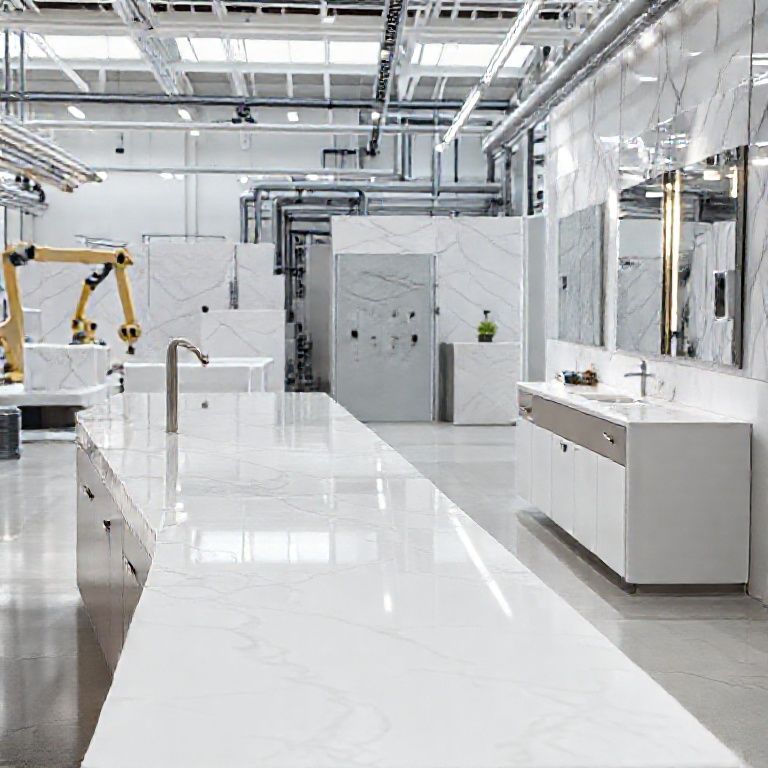
1. Granite Countertops: The Classic Choice
Granite has long been a favorite for kitchen countertops due to its remarkable durability, natural beauty, and resistance to heat and stains. Originating from natural stone, granite countertops offer a timeless look that complements a wide range of kitchen styles.
Pros:
Durability: Granite is known for its high resistance to scratches, stains, and heat, making it an excellent choice for busy kitchens. Aesthetic Appeal: With a vast array of colors and patterns, granite offers a unique, natural look that can add elegance to any kitchen. Low Maintenance: Granite countertops require minimal upkeep, primarily involving regular cleaning with mild soap and water.
Cons:
Cost: Granite can be expensive compared to other countertop materials, especially when considering custom cuts and installations. Weight: Granite slabs are heavy, which might require additional support if not properly integrated with cabinetry.
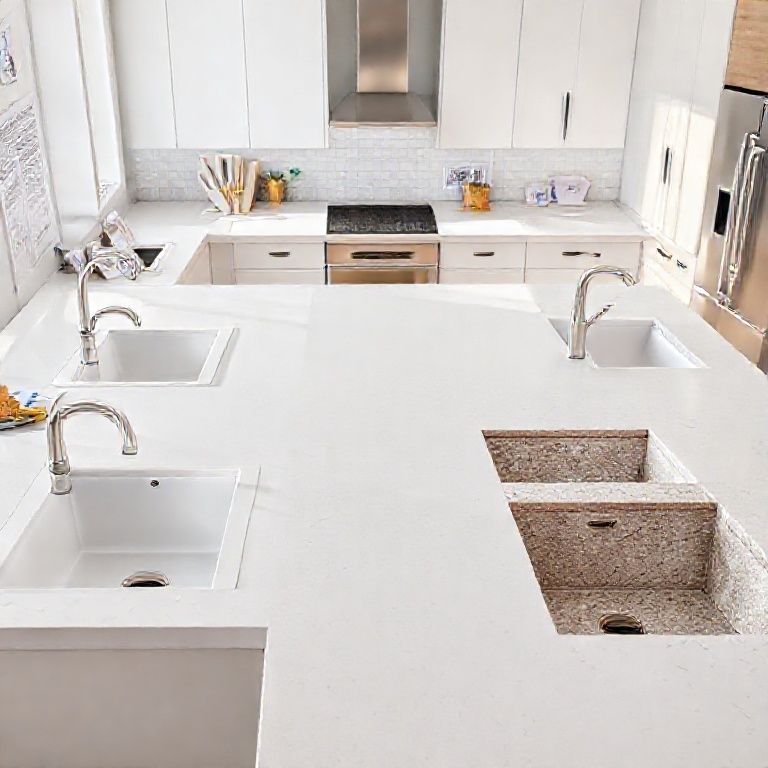
2. Quartz Countertops: The Modern Alternative
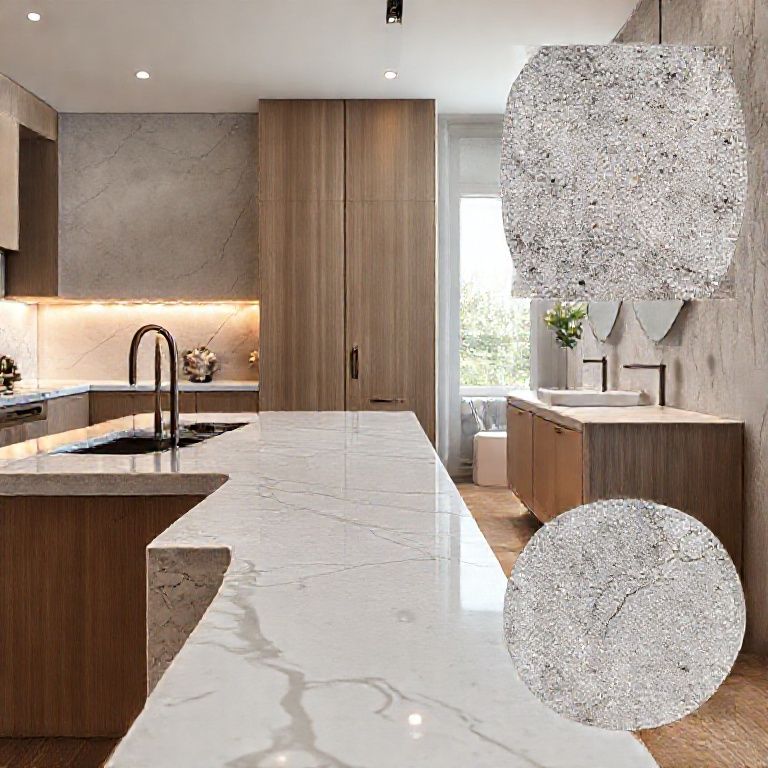
Quartz has emerged as a popular alternative to granite, offering many of the same benefits without the hefty price tag. Composed of 90% natural stone and 10% resin, quartz countertops combine the aesthetic appeal of natural stone with the durability of synthetic materials.
Pros:
Affordability: Generally more affordable than granite, quartz countertops provide excellent value for money. Heat Resistance: Like granite, quartz is highly resistant to heat, stains, and scratches. Ease of Installation: Quartz is lightweight and easy to install, making it a practical choice for DIY enthusiasts.
Cons:
Surface Scarring: While quartz is tough, it can still be scratched by metal objects, requiring regular maintenance to avoid noticeable scars. Color Variation: Though quartz comes in many colors, the exact shade might not always match perfectly with other materials or existing decor.
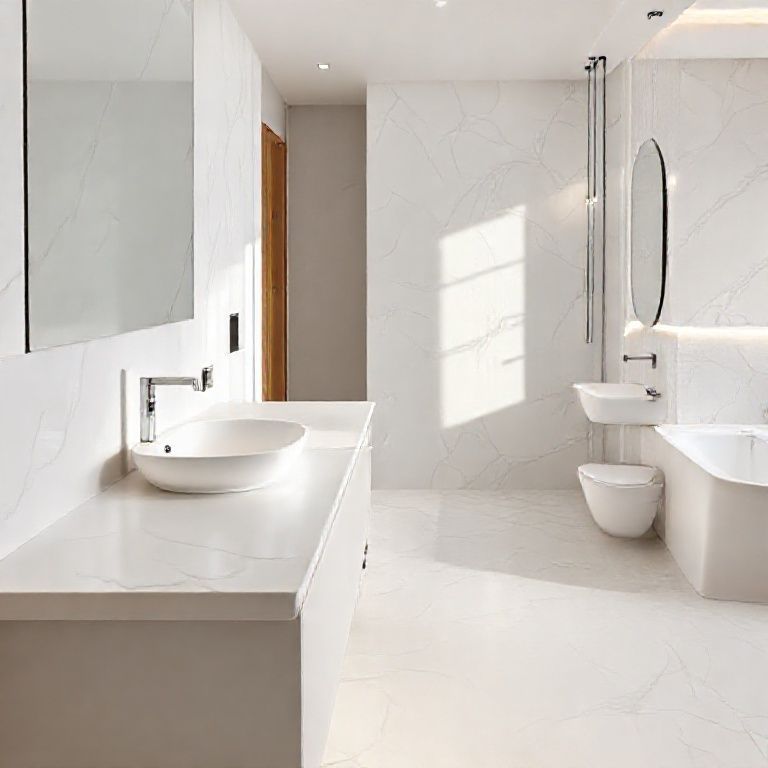
3. Laminate Countertops: The Budget-Friendly Option
For those looking for an affordable yet stylish option, laminate countertops are an excellent choice. Laminate is made by applying a decorative laminate to a core material, often made from plywood or medium-density fiberboard (MDF).
Pros:
Cost-Effective: Laminate countertops are generally the most affordable option, making them ideal for budget-conscious homeowners. Design Versatility: Available in a wide range of colors and patterns, laminate countertops can easily match any kitchen decor. Low Maintenance: Easy to clean and generally resistant to stains.
Cons:
Durability: Laminate is not as durable as natural stone or even composite materials, making it prone to scratches and dents. Heat Sensitivity: Laminate can be damaged by heat and should be used with caution around hot pots and pans. Surface Wear: Over time, the surface of laminate can wear off, leading to a dull appearance.
4. Solid Wood Countertops: The Natural Look
Solid wood countertops offer a natural, organic look that can add warmth and character to a kitchen. Made from solid planks of wood, these countertops are available in a variety of species, each with its unique grain and color.
Pros:
Natural Aesthetics: Solid wood provides a beautiful, natural look that enhances the rustic charm of a kitchen. Durability: High-quality solid wood can be very durable if properly maintained. Customizability: Available in various species and finishes, solid wood countertops can be tailored to suit individual preferences.
Cons:
Maintenance: Solid wood requires regular maintenance, including sealing and refinishing to protect against scratches and moisture. Cost: Depending on the wood species and quality, solid wood countertops can be expensive. Sensitivity to Moisture: Wood is prone to warping, splitting, and staining if exposed to excessive moisture.
5. Composite Countertops: The Versatile Solution
Composite countertops are made from a blend of natural stone and resin, offering a combination of the durability of stone and the ease of maintenance of composite materials.
Pros:
Durability: Composites are highly resistant to scratches, stains, and heat. Affordability: Generally more affordable than pure stone countertops. Design Flexibility: Available in a variety of colors and patterns, composites offer a versatile option for different kitchen styles.
Cons:
Surface Scarring: While durable, composite surfaces can still be scratched by metal objects. Heat Sensitivity: Like other composite materials, they can be damaged by excessive heat.
Conclusion
Choosing the right material for your kitchen cabinet countertops involves balancing aesthetics, functionality, and budget. Granite and quartz offer high durability and natural beauty, making them ideal for those who want a long-lasting, stylish countertop. Laminate provides an affordable and versatile option for budget-conscious homeowners, while solid wood brings a natural, rustic charm that can add warmth to a kitchen. Composite materials offer a versatile solution that combines the best features of stone and resin.
By considering these factors, you can make an informed decision that enhances both the look and functionality of your kitchen, ensuring it meets your needs for years to come.
Choosing the Perfect Materials for Kitchen Cabinet Countertops: Your Ultimate Guide
Continuing our detailed exploration into the best materials for kitchen cabinet countertops, this second part delves deeper into specific options, providing more insights into their long-term benefits, maintenance, and suitability for different kitchen designs.
6. Slate Countertops: The Timeless Classic
Slate is another natural stone option that offers a timeless, elegant look. Made from compressed sedimentary rock, slate countertops are known for their durability, versatility, and classic appeal.
Pros:
Durability: Slate is highly resistant to scratches, stains, and heat, making it a durable choice for high-traffic kitchen areas. Aesthetic Appeal: With a range of natural colors and patterns, slate provides a classic, timeless look that can complement various kitchen styles. Maintenance: Slate countertops are relatively low-maintenance, requiring only occasional cleaning with mild soap and water.
Cons:
Cost: Slate can be expensive, especially for custom cuts and installations. Weight: Like granite, slate is heavy and requires additional support for proper installation.
7. Marble Countertops: The Luxurious Option
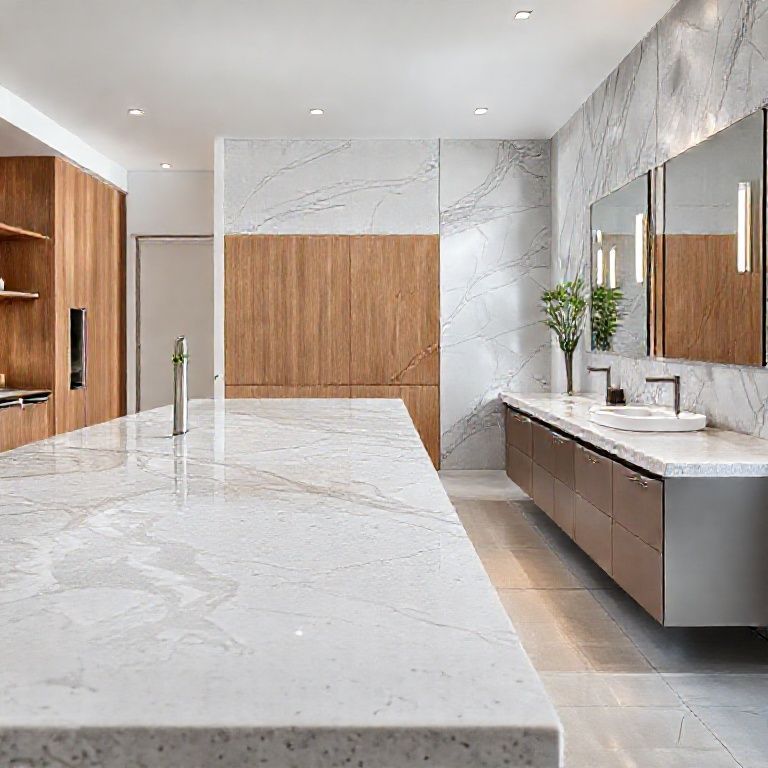
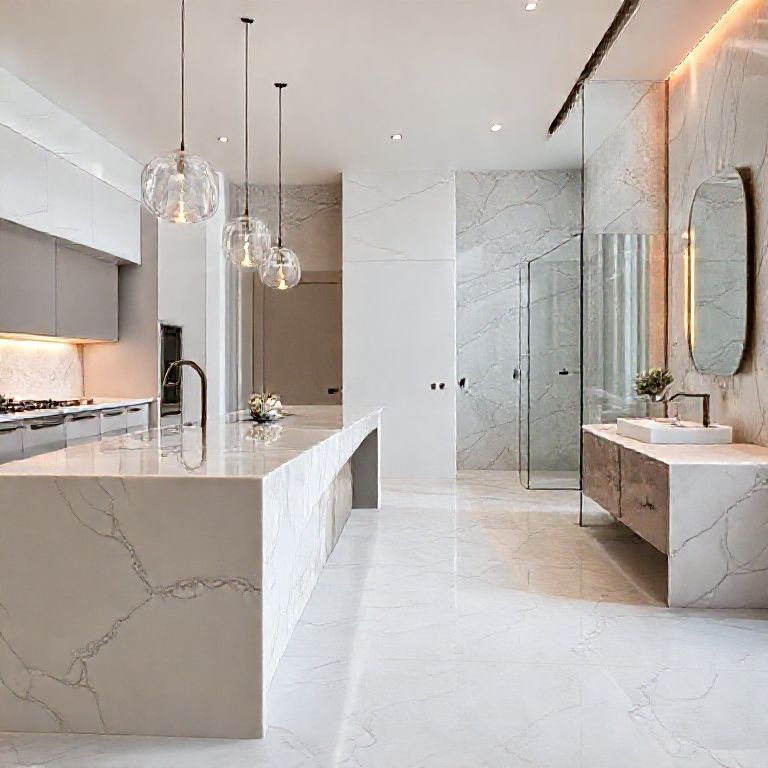
Marble is often associated with luxury and opulence. Known for its stunning veining and polished finish, marble countertops can add a touch of elegance and sophistication to any kitchen.
Pros:
Aesthetic Appeal: Marble’s unique veining and polished finish offer a luxurious, high-end look that can enhance the overall aesthetic of a kitchen. Variety: Available in a wide range of colors and patterns, marble can be tailored to suit various design preferences.
Cons:
Maintenance: Marble is highly porous and requires regular sealing to prevent staining. Cost: Marble countertops are typically more expensive compared to other natural stone options. Sensitivity to Acid: Marble can be damaged by acidic substances, including many cleaning agents and food items.
8. Engineered Stone Countertops: The Hybrid Solution
Engineered stone combines the benefits of natural stone with the advantages of composite materials, resulting in a robust, durable countertop that offers a natural look without the high cost of natural stone.
Pros:
Durability: Engineered stone is highly resistant to scratches, stains, and heat, providing a durable, long-lasting countertop. Affordability: Generally more affordable than solid natural stone, engineered stone offers excellent value for money. Customizability: Available in a wide range of colors and patterns, engineered stone can be tailored to match various kitchen designs.
Cons:
Surface Scarring: While durable, engineered stone can still be scratched by metal objects. Heat Sensitivity: Like other composite materials, it can be damaged by excessive heat.
9. Stainless Steel Countertops: The Industrial Look
For those seeking a modern, industrial aesthetic, stainless steel countertops offer a sleek, durable, and highly functional option. Stainless steel is known for its strength, resistance to stains, and easy maintenance.
Pros:
Durability: Stainless steel is highly resistant to scratches, stains, and corrosion, making it an excellent choice for busy kitchens. Aesthetic Appeal: Stainless steel provides a sleek, modern look that can complement a variety of kitchen styles, from industrial to contemporary. Low Maintenance: Stainless steel countertops are easy to clean and maintain, requiring only occasional cleaning with mild soap and water.
Cons: 继续
10. 不锈钢台面:工业风格的选择
对于追求现代、工业风格的厨房设计,不锈钢台面是一个出色的选择。不锈钢以其强度、耐用性和易于清洁的特点受到广泛欢迎。
优点:
耐用性: 不锈钢具有极高的耐腐蚀性和耐污性,适合高频使用的厨房环境。 现代美学: 不锈钢台面提供了简洁、现代的外观,能够提升整体厨房的时尚感。 易清洁: 不锈钢表面光滑,不易沾染污渍,只需简单擦拭即可保持清洁。
缺点:
反光: 不锈钢具有强烈的反光效果,可能会在明亮的厨房环境中反射光线,影响视觉舒适度。 热传导: 不锈钢容易导热,热源接触可能会导致手部烫伤,需要谨慎使用。
11. 混合材料台面:最佳融合
混合材料台面是由两种或多种材料组合而成,旨在结合不同材料的优点,达到最佳的耐用性、美观性和功能性。
优点:
多样性: 混合材料可以根据设计需求调整,提供多种颜色和纹理选择。 耐用性: 结合多种材料的优点,混合材料台面通常具有较高的耐用性和抗损能力。 灵活性: 可以根据个人喜好和预算定制,提供更多的设计可能性。
缺点:
复杂性: 混合材料的设计和安装可能比单一材料更复杂,需要专业技术支持。 成本: 由于涉及多种材料,混合材料台面通常比单一材料更昂贵。
12. 瓷砖台面:经济实惠的选择
瓷砖台面是一种经济实惠的选择,常用于预算有限但仍希望实现美观和耐用效果的厨房。
优点:
价格实惠: 瓷砖材料相对便宜,安装成本也较低。 多样性: 瓷砖提供了广泛的颜色和图案选择,可以匹配各种厨房风格。 耐用性: 瓷砖耐污、耐用,且不易受潮、变色。
缺点:
硬度: 瓷砖表面较硬,可能会导致划痕和刮擦。 热传导: 瓷砖容易导热,需要小心使用热源。
13. 人造石台面:经济高效
人造石台面是由天然石材和树脂混合而成,是一种性价比高的选择,具有天然石材的外观和耐用性。
优点:
性价比: 相比天然石材,人造石台面价格更为实惠。 耐用性: 人造石具有良好的耐刮擦和耐污性,非常适合厨房使用。 设计多样: 提供多种颜色和纹理,可以满足不同设计需求。
缺点:
重量: 人造石台面相对较重,安装过程可能需要专业人员协助。 成分: 人造石含有树脂,可能对环境和健康有一定影响,需要注意通风。
总结
选择厨房橱柜台面的材料时,需要综合考虑多种因素,包括预算、耐用性、美观性和维护成本。无论选择哪种材料,都应优先考虑其在厨房环境中的实际使用效果和长期维护便利性。通过深入了解各种材料的特点和适用场景,可以更好地为自己的厨房设计出理想的台面选择。