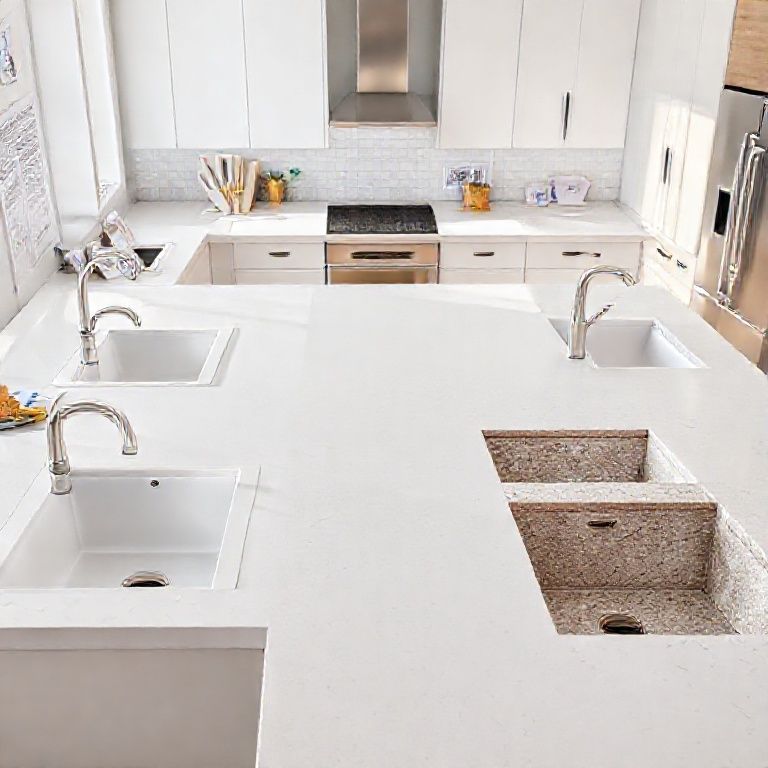
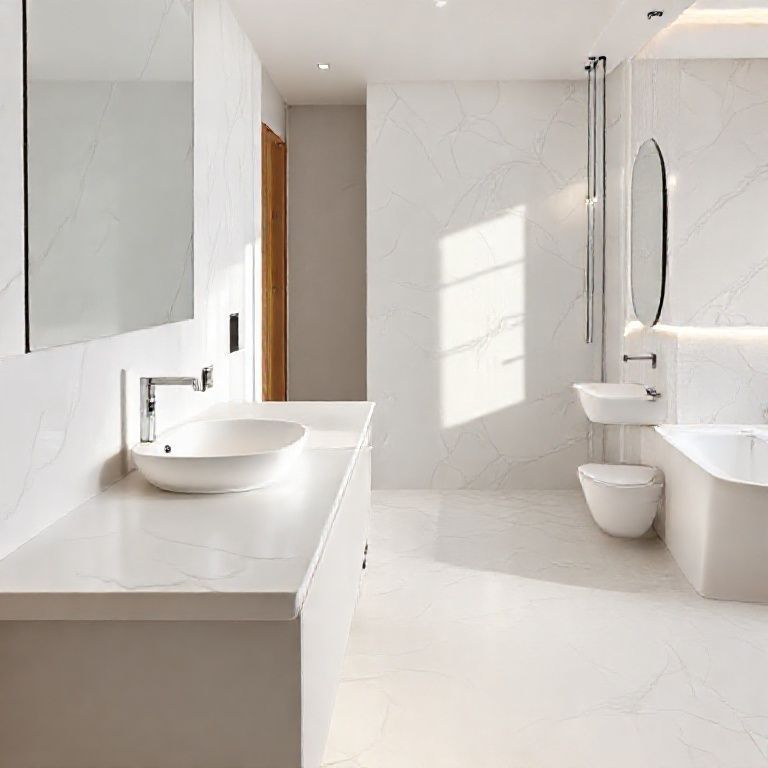
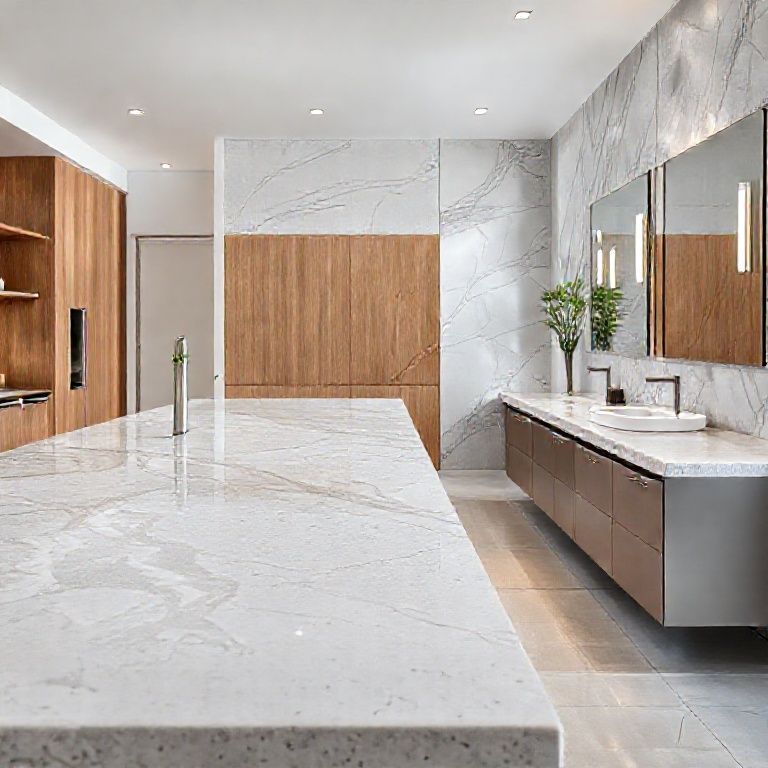
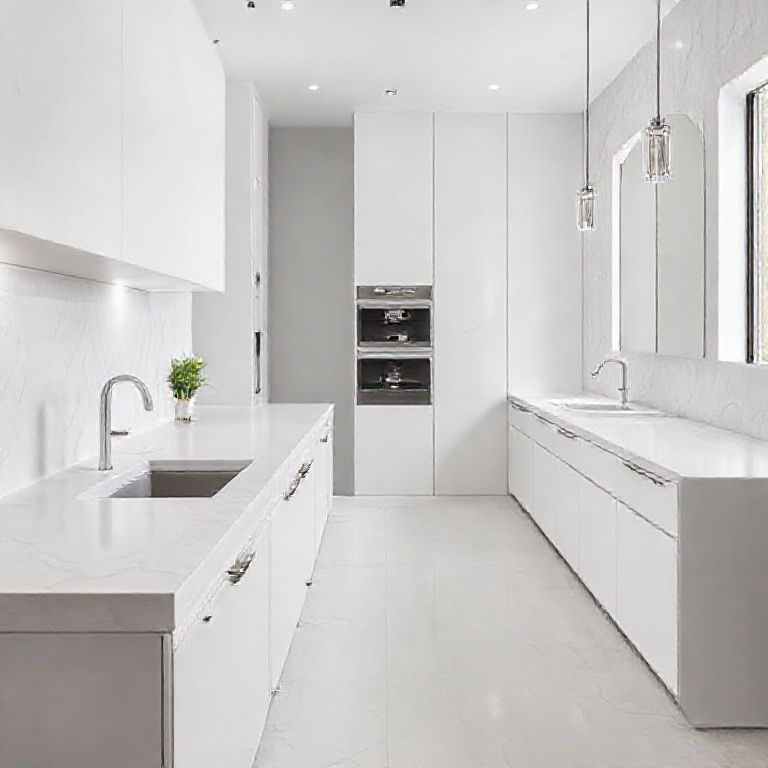
When it comes to designing a modern and functional kitchen, one of the most crucial decisions you’ll make is selecting the right material for your countertops. In this comprehensive guide, we delve into the myriad of stone options available for kitchen countertops. We’ll explore the pros and cons of various stones, helping you make an informed decision that enhances both the aesthetics and durability of your kitchen space.
kitchen countertops, stone materials, countertop design, durability, aesthetics, natural stone, quartz, granite, marble, slate, countertop maintenance
The Importance of Choosing the Right Stone for Your Kitchen Countertop
When it comes to kitchen design, the choice of countertop material can significantly influence both the functionality and aesthetic appeal of the space. The kitchen is often the heart of the home, and having a beautiful, durable, and easy-to-maintain countertop can enhance this ambiance. Among the many options available, natural stone has always been a popular choice for kitchen countertops due to its timeless elegance and impressive durability.
Quartz: The Modern Marvel
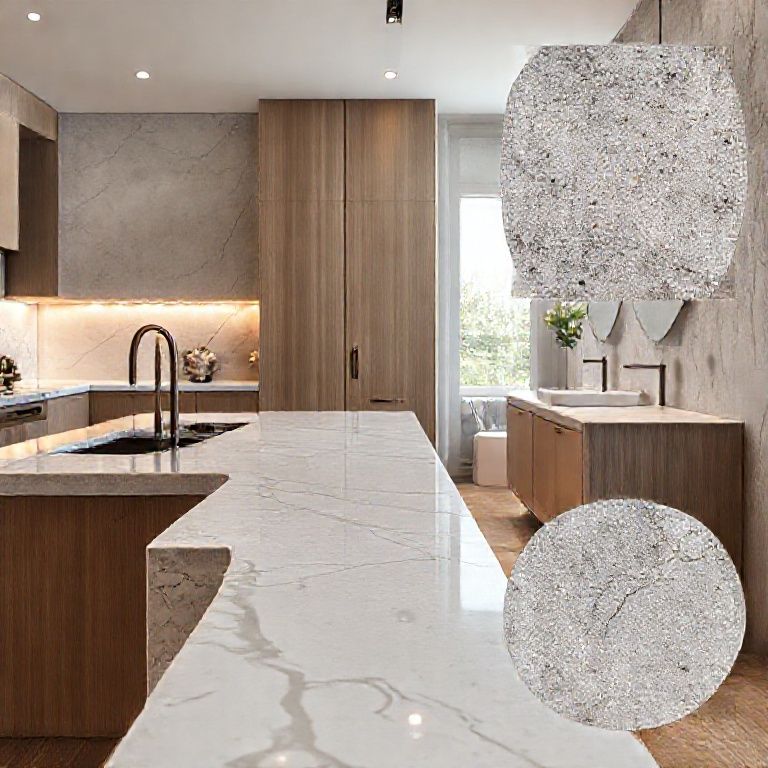
Quartz has emerged as a top contender in the realm of kitchen countertops. Manufactured by combining crushed stone with resins under high pressure and temperature, quartz offers a sleek, seamless appearance with virtually no maintenance. It’s also available in a wide array of colors and patterns, allowing for a high degree of customization to match any kitchen decor.

Pros of Quartz:
Durability: Quartz countertops are highly resistant to stains, scratches, and heat. This makes them an excellent choice for kitchens where cooking and food preparation are frequent activities. Low Maintenance: Unlike natural stone, quartz does not require sealing or regular maintenance. Simply wiping it down with a mild soap solution is usually sufficient to keep it looking pristine. Cost-Effective: With a variety of designs and finishes available, quartz offers both high-end luxury and more affordable options.
Cons of Quartz:
Weight: Quartz is heavier compared to other countertop materials, which may require additional support for installation. Heat Resistance: While quartz is heat-resistant, it can crack if exposed to an extremely high temperature source, like a hot pan.
Granite: The Classic Choice
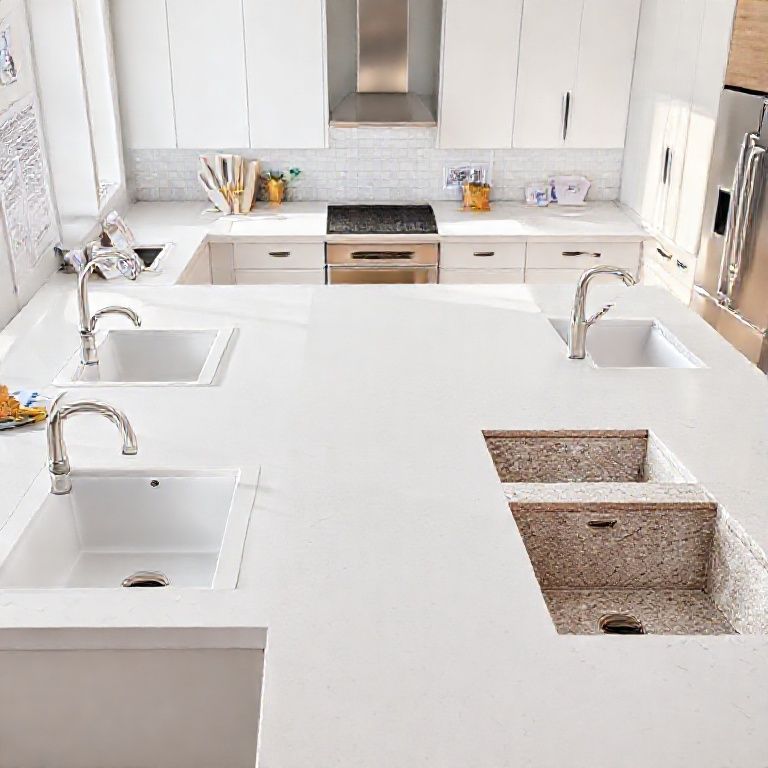
Granite has been a favorite for centuries, prized for its natural beauty and durability. It’s a metamorphic rock formed under intense heat and pressure, which gives it a unique and striking appearance.
Pros of Granite:
Aesthetic Appeal: Granite countertops come in a wide range of colors and textures, providing a natural and luxurious look. Durability: Granite is one of the hardest natural stones, making it highly resistant to scratches, stains, and heat. It’s also long-lasting and can withstand heavy use. Low Maintenance: Granite requires minimal maintenance. A simple cleaning with a mild soap solution will keep it looking great.
Cons of Granite:
Sealing: Granite needs to be sealed periodically to protect against stains. Failure to do so can result in discoloration and reduced aesthetic appeal. Weight: Like quartz, granite is heavy, requiring additional support during installation.
Marble: The Elegant Option
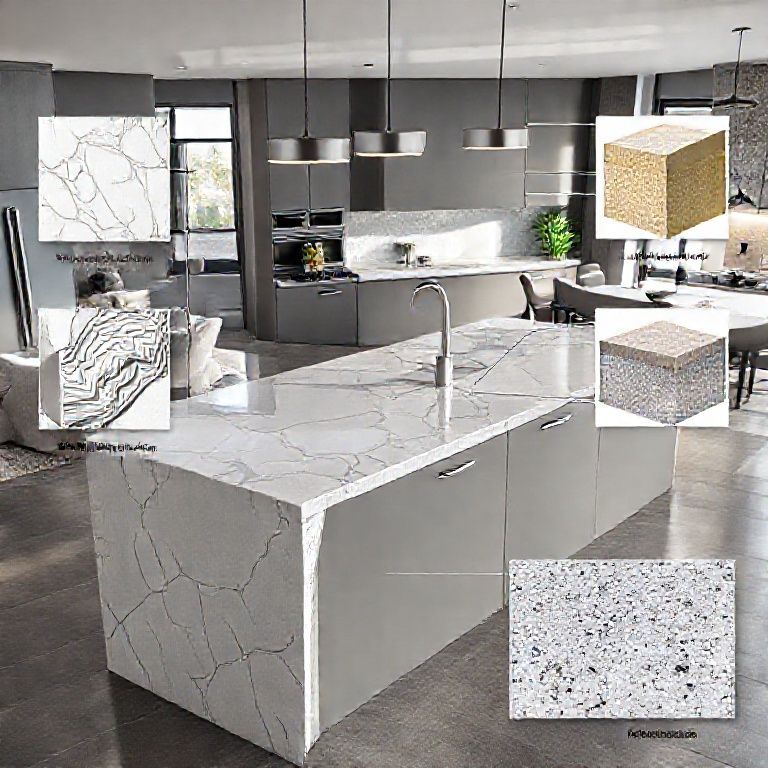
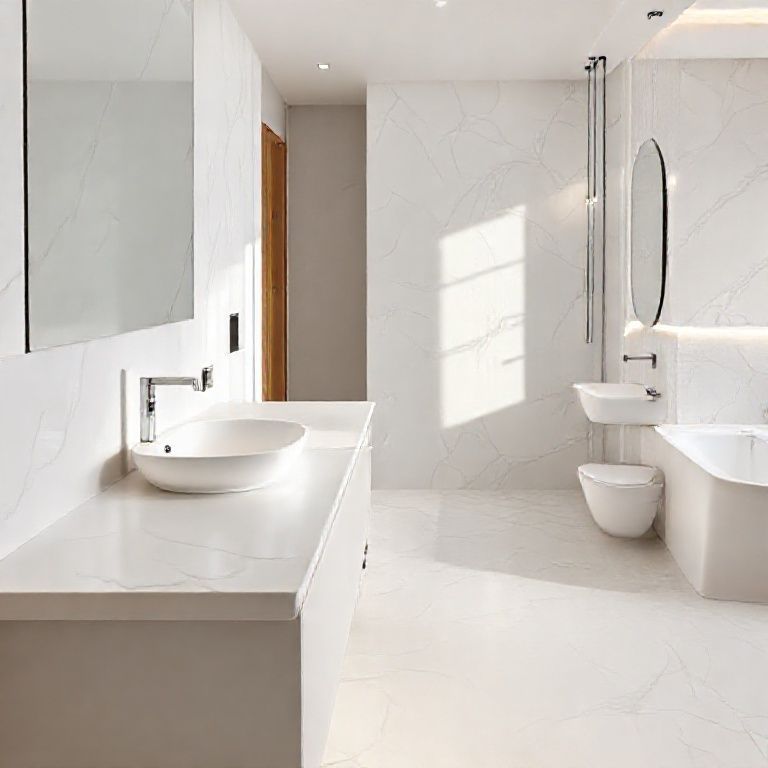
Marble is known for its beautiful veining and smooth, luxurious feel. It’s often chosen for its aesthetic appeal, though it requires careful maintenance and is more susceptible to staining and etching compared to other stone options.
Pros of Marble:
Aesthetic Appeal: Marble’s unique veining and texture offer a stunning, elegant look. Feel: Marble provides a smooth, cool surface that feels luxurious to the touch.
Cons of Marble:
Maintenance: Marble needs regular sealing to prevent staining and etching. Acidic foods and beverages can also cause discoloration. Fragility: While marble is beautiful, it’s also more brittle than other natural stones, making it less durable in high-traffic areas.
Slate: The Robust Alternative
Slate is another natural stone option that offers a rugged, earthy aesthetic. It’s composed of fine-grained metamorphic rock, making it durable and relatively easy to maintain.
Pros of Slate:
Durability: Slate is highly durable and can withstand heavy use and scratches. Low Maintenance: Slate requires minimal maintenance and can be cleaned easily with a damp cloth.
Cons of Slate:
Aesthetic Appeal: While durable, slate’s look is more rustic and may not appeal to everyone. Cracking: Slate can crack if subjected to extremely high temperatures.
Making an Informed Decision: Factors to Consider When Choosing Your Kitchen Countertop Stone
Selecting the perfect stone for your kitchen countertop involves more than just visual appeal. It’s important to consider several factors to ensure that the material you choose will stand the test of time, withstand daily use, and complement your overall kitchen design.
Budget Considerations
One of the most critical factors to consider is your budget. Natural stone countertops, while durable and beautiful, can vary significantly in price. Quartz and granite typically fall in the higher price range, while slate and marble can range from moderate to high depending on the quality and type.
Durability and Maintenance
Durability is a key factor, especially in a high-traffic area like the kitchen. Natural stone varies in terms of hardness and resistance to wear and tear. Quartz and granite are known for their exceptional durability, while marble and slate are more prone to scratching and staining.
Maintenance Requirements
Each type of stone requires different levels of maintenance. Quartz, for instance, requires minimal upkeep, making it an excellent choice for those who prefer low-maintenance options. Granite also requires minimal maintenance but does need periodic sealing to prevent staining. Marble, on the other hand, needs regular sealing to maintain its beauty, and slate requires only occasional cleaning.
Aesthetic Compatibility
The aesthetic appeal of your stone countertop should complement your kitchen design. Granite and quartz offer a wide range of colors and finishes, allowing for a high degree of customization. Marble’s unique veining provides a classic, elegant look that can add a touch of luxury to any kitchen. Slate’s rustic appearance can create a cozy and earthy ambiance.
Installation Considerations
The installation process can also influence your choice. Quartz and granite are generally heavier than other materials, requiring additional support during installation. Marble, while beautiful, is also quite heavy, which may necessitate extra structural considerations.
Environmental and Health Factors
When selecting a countertop material, it’s also important to consider environmental and health factors. Quartz, being a synthetic material, is free from the volatile organic compounds (VOCs) often found in natural stone processing. Granite and marble can release some VOCs during installation, so it’s important to choose high-quality, low-emission products.
Future-Proofing Your Kitchen
Choosing a stone that will stand the test of time is crucial for future-proofing your kitchen. Natural stone countertops are known for their longevity, but some types are more durable than others. Granite and quartz offer exceptional longevity, making them excellent choices for those looking for a long-lasting countertop.
Final Thoughts
Choosing the perfect stone for your kitchen countertop is a decision that involves careful consideration of aesthetics, durability, maintenance, and budget. Whether you opt for the sleek, modern look of quartz, the classic elegance of granite, the rustic charm of slate, or the luxurious beauty of marble, each material offers unique advantages and considerations.
Ultimately, the best choice will depend on your specific needs, preferences, and the overall design of your kitchen. By weighing these factors carefully, you can make an informed decision that will enhance both the functionality and beauty of your kitchen for years to come.
Conclusion
Selecting the right stone for your kitchen countertop is a significant decision that can greatly impact the look, feel, and functionality of your kitchen. By understanding the pros and cons of each material and considering factors such as durability, maintenance, and aesthetic compatibility, you can choose a countertop that not only meets your current needs but also stands the test of time. Whether you opt for the modern elegance of quartz, the timeless beauty of granite, the luxurious allure of marble, or the rustic charm of slate, your choice will contribute to the overall harmony and appeal of your kitchen space.