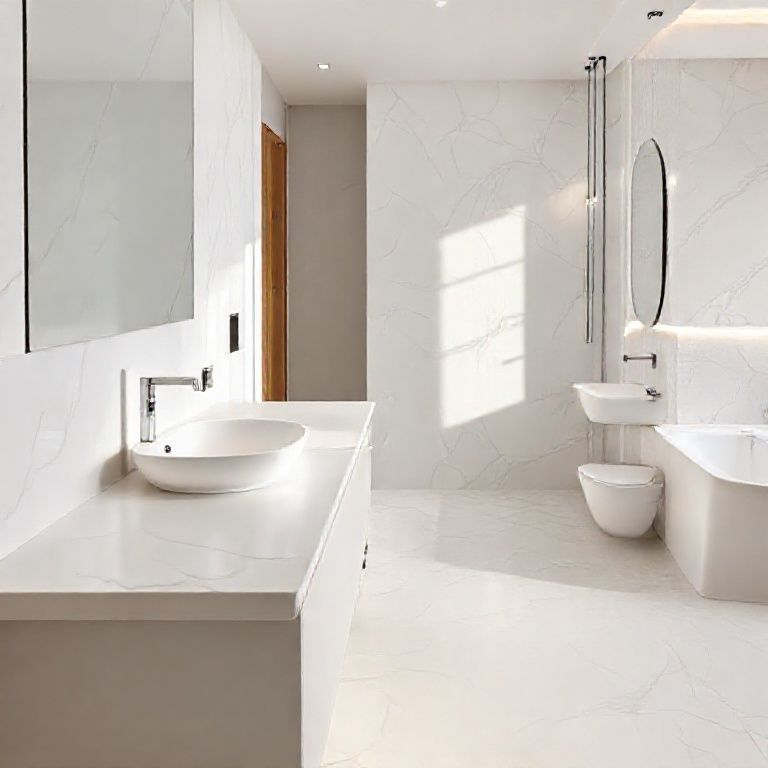
Choosing the Perfect Stone for Your Kitchen Countertop: A Comprehensive Guide
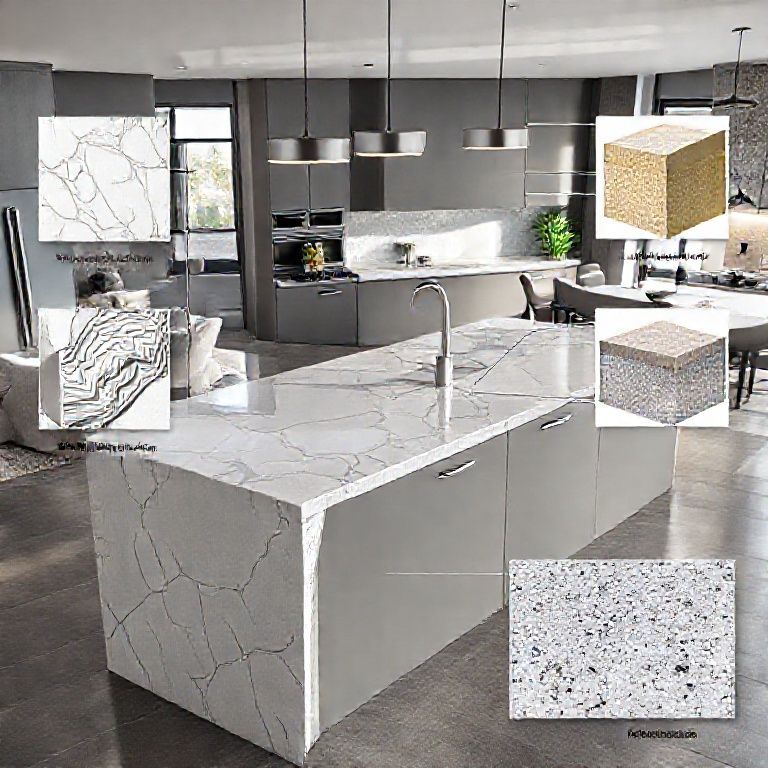
When it comes to upgrading your kitchen, one of the most impactful changes you can make is selecting the perfect stone for your countertop. The right material not only enhances the aesthetic appeal of your kitchen but also provides durability and longevity. Let’s dive into the various types of stones you can choose from and the factors to consider when making your decision.
Granite: The Classic Choice
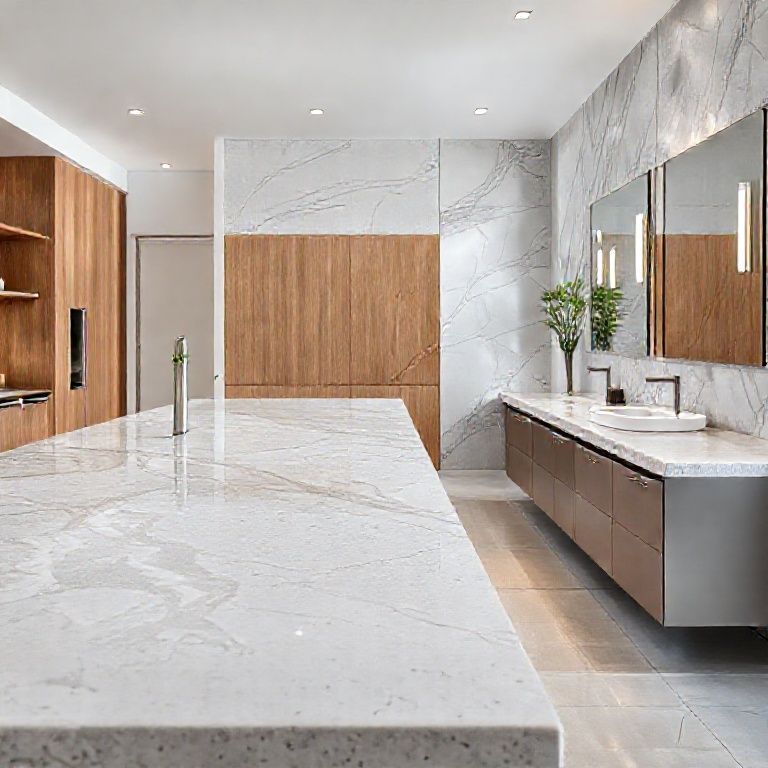
Granite is often considered the classic choice for kitchen countertops. Renowned for its durability and strength, granite is highly resistant to scratches, stains, and heat. Available in a stunning array of colors and patterns, it can complement any kitchen design.
Durability: Granite is one of the hardest natural stones, making it highly durable and able to withstand heavy use and a variety of cooking methods. This means it will maintain its structural integrity over many years.
Maintenance: While granite is low-maintenance, it does require sealing every one to two years to protect its surface from stains and spills. However, the process is relatively simple and can be done at home with the right products.
Aesthetics: Granite offers a natural, timeless look that can elevate the elegance of any kitchen. Its unique veining and colors provide a bespoke touch that no other countertop material can match.
Cost: Granite countertops are generally on the higher end of the cost spectrum, but the investment is often justified by their durability and aesthetic appeal.
Quartz: The Affordable Alternative
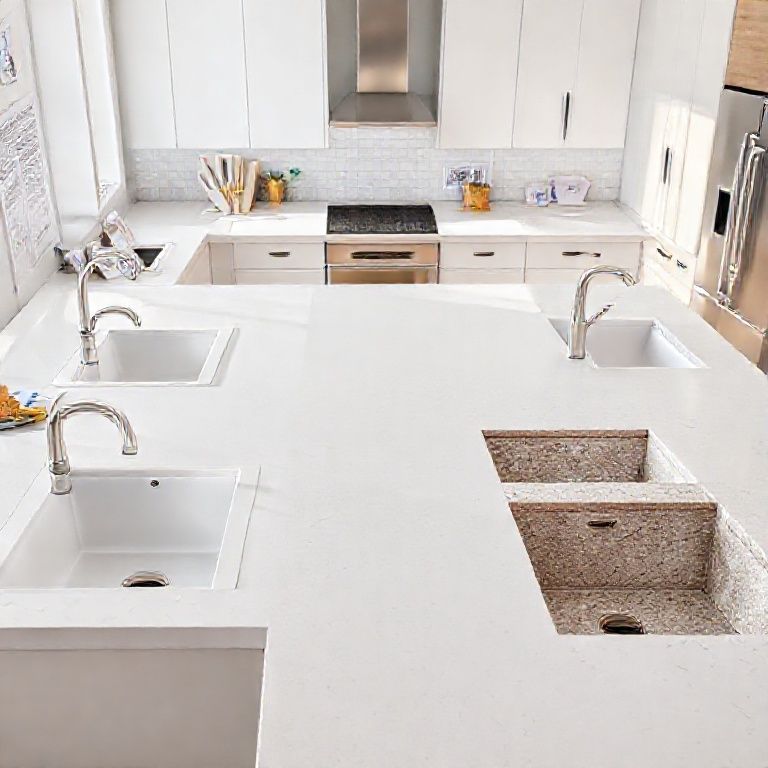
Quartz has emerged as a popular alternative to granite, offering a stunning range of colors and patterns at a more affordable price point.
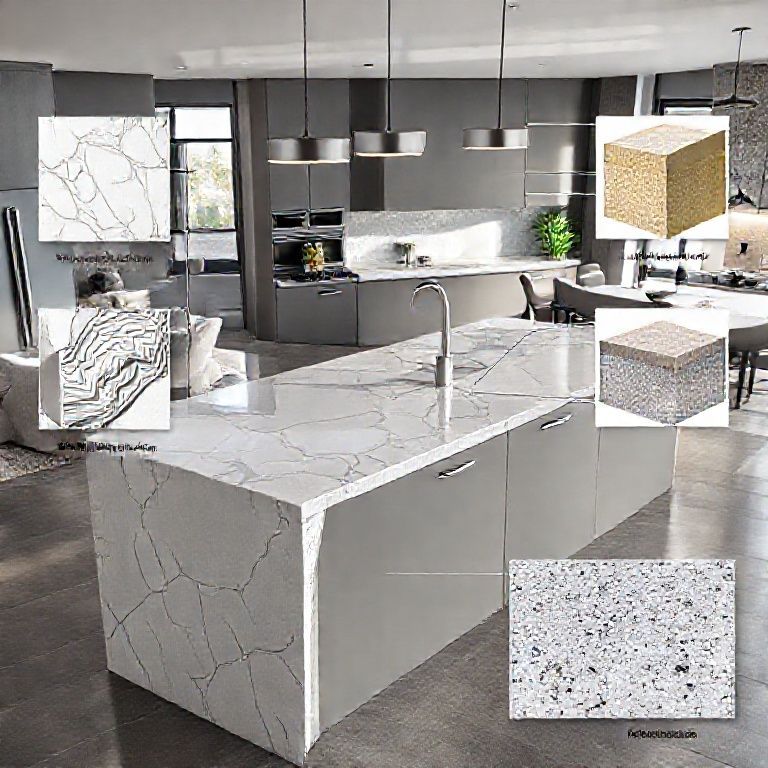
Durability: Quartz is made from 90% natural quartz and bound together with a resin to create a solid surface that is scratch-resistant and heat-proof. While not as hard as granite, it is still very durable and suitable for most kitchen uses.
Maintenance: Quartz countertops are generally low-maintenance. They do not require sealing and are easy to clean with a simple wipe-down using a damp cloth and mild soap. This makes them an excellent choice for busy households.
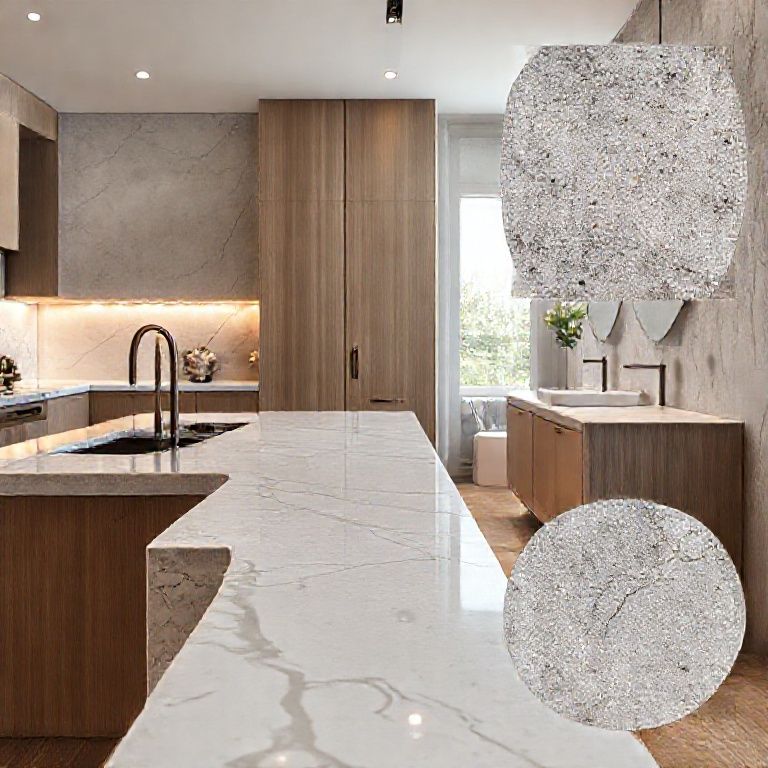
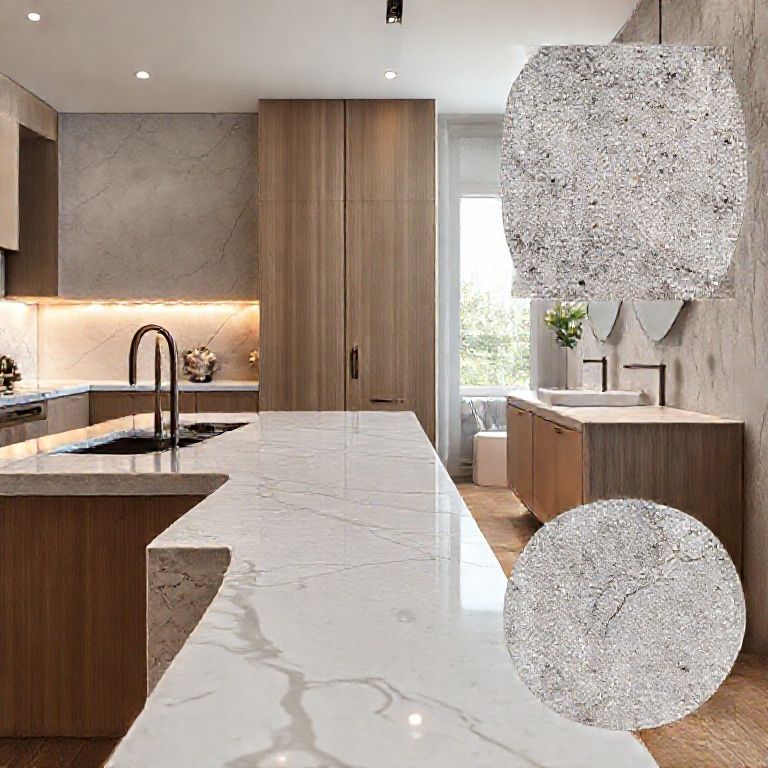
Aesthetics: With a wide array of colors and designs, quartz can mimic the look of almost any natural stone, including marble, granite, and slate. This versatility makes it a favorite for those looking to achieve a specific aesthetic without the premium price tag.
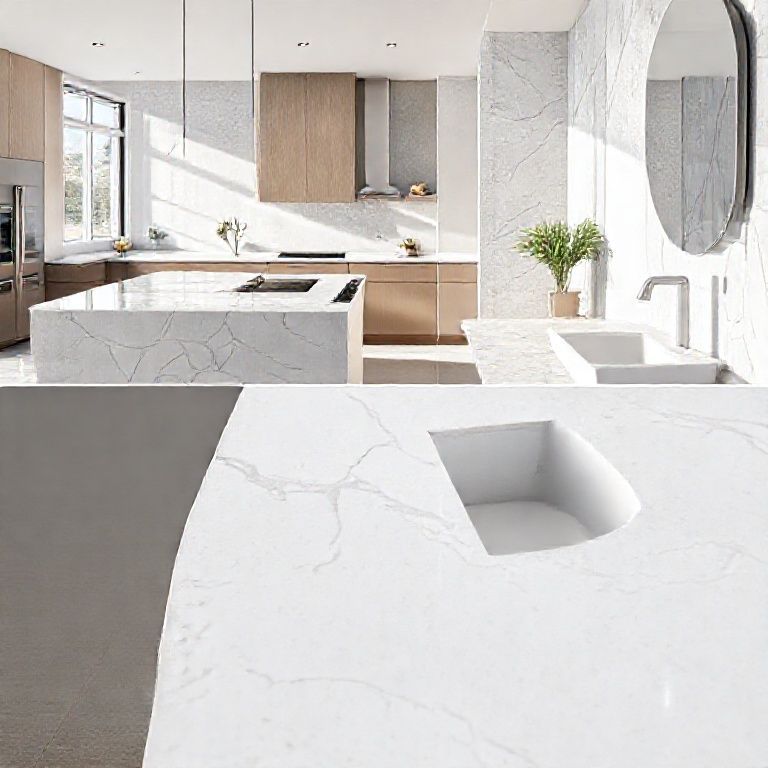
Cost: Quartz is more affordable than granite, making it an attractive option for those looking to achieve a high-end look without the high cost.
Marble: The Luxurious Option
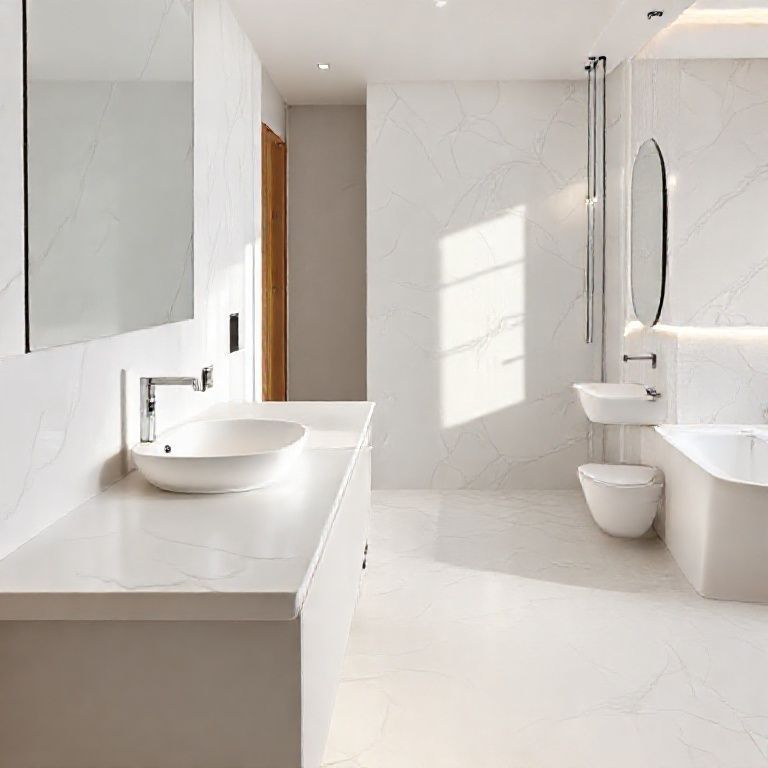
Marble is often associated with luxury and opulence, making it a popular choice for those who want a high-end kitchen countertop.
Durability: Marble is a softer stone compared to granite and quartz, which makes it more susceptible to scratches and stains. While it can still hold up well in low-traffic areas, it is not ideal for high-traffic kitchen spaces.
Maintenance: Marble requires regular maintenance to keep its beauty intact. It needs to be sealed regularly to prevent stains and etching from acidic foods and drinks. Additionally, spills should be cleaned immediately to avoid discoloration.
Aesthetics: Marble’s unique veining and patterns offer a luxurious and elegant look that can make a kitchen feel more upscale. It comes in a variety of colors, from the classic white to rich, deep hues.
Cost: Marble countertops are typically on the higher end of the cost spectrum, reflecting their luxurious nature and the labor-intensive process of installation.
Slate: The Undervalued Gem
Slate is often overlooked but offers a unique and durable option for kitchen countertops.
Durability: Slate is a natural stone known for its durability and strength. It is highly resistant to scratches and stains, making it a solid choice for kitchen countertops.
Maintenance: Slate countertops are relatively low-maintenance. They do not require sealing and are easy to clean with a simple wipe-down. However, because slate can chip or crack under heavy impact, it is important to avoid placing heavy objects directly on the surface.
Aesthetics: Slate has a natural, rustic look that can add a touch of elegance and character to a kitchen. Its color can range from dark grays to black, providing a versatile option for different design styles.
Cost: Slate is generally more affordable than granite and marble but can vary depending on the specific type and quality of the stone.
Conclusion
Choosing the perfect stone for your kitchen countertop involves balancing durability, maintenance, aesthetics, and cost. Granite offers unmatched durability and a timeless look but comes at a higher price. Quartz provides a more affordable alternative with a stunning range of designs. Marble offers luxury and elegance but requires regular maintenance. Slate provides a durable and unique option at a reasonable cost. Consider these factors carefully to make an informed decision that best suits your kitchen’s needs and style.
Choosing the Perfect Stone for Your Kitchen Countertop: A Comprehensive Guide
In the previous part, we explored various stone options for kitchen countertops, including granite, quartz, marble, and slate. Now, we’ll delve deeper into specific considerations and trends to help you make the best choice for your kitchen.
Understanding Stone Maintenance
Maintaining your kitchen countertop is essential to preserving its beauty and longevity. Different stones require different maintenance routines. Here’s a closer look at what you need to know:
Granite:
Sealing: Granite countertops need to be sealed every one to two years to protect against stains and maintain their appearance. Use a commercial granite sealer and follow the manufacturer’s instructions for best results. Cleaning: Regular cleaning with a mild soap and water solution will keep your granite looking pristine. Avoid using abrasive cleaners or steel wool, which can scratch the surface.
Quartz:
Cleaning: Quartz countertops are low-maintenance and require minimal cleaning. A simple wipe-down with a damp cloth and mild soap is usually sufficient. There’s no need to seal quartz countertops. Spills: Immediate cleaning of spills is recommended to prevent staining, especially for acidic or sugary liquids.
Marble:
Sealing: Marble countertops should be sealed every six months to a year to protect against stains and etching. Use a high-quality marble sealer and follow the manufacturer’s instructions. Cleaning: Clean marble with a soft cloth and a pH-neutral cleaner. Avoid using vinegar or acidic cleaners, which can damage the stone.
Slate:
Cleaning: Slate countertops are low-maintenance and can be cleaned with a simple wipe-down using a mild soap and water solution. There’s no need to seal slate. Spills: While slate is resistant to stains, it’s important to clean up spills promptly to prevent any potential discoloration.
Aesthetic Considerations
The aesthetic appeal of your kitchen countertop is crucial, as it sets the tone for the entire space. Here are some tips to enhance the visual appeal of your chosen stone:
Color and Pattern:
Granite: Granite’s unique veining and patterns can add a bespoke touch to your kitchen. Choose a color that complements your existing decor. Quartz: Quartz offers a vast array of colors and patterns, allowing you to choose a design that closely mimics natural stone or goes for a unique, modern look. Marble: Marble’s natural veining and patterns provide a luxurious and elegant appearance. Consider the color and pattern that best fits your kitchen’s style. Slate: Slate’s natural, rustic look can add character and elegance to a kitchen. Its color and texture can provide a unique focal point.
Design and Layout:
Consider the layout and design of your kitchen when choosing a countertop material. For example, a marble countertop might look stunning in an open kitchen but could be impractical in a busy cooking area. Granite and quartz offer more versatility in terms of design and layout.
Budget Considerations
Budget is a significant factor when choosing kitchen countertop material. Here’s a breakdown of the costs associated with each type of stone:
Granite:
Initial Cost: High. Granite countertops are generally more expensive due to their durability and aesthetic appeal. Long-term Cost: Moderate. The cost of sealing and maintenance is relatively low compared to the initial investment.
Quartz:
Initial Cost: Moderate to high. While quartz can be more affordable than granite, premium designs and colors can increase the cost. Long-term Cost: Low. Quartz countertops require minimal maintenance and do not need sealing.
Marble:
Initial Cost: High. Marble countertops are typically expensive due to their luxurious appearance and the labor involved in installation. Long-term Cost: Moderate. The cost of sealing and regular maintenance is necessary to preserve the stone’s appearance.
Slate:
Initial Cost: Moderate. Slate countertops are generally more affordable than granite and marble but can vary depending on the quality and type of stone. Long-term Cost: Low. Slate requires minimal maintenance and does not need sealing. # Choosing the Perfect Stone for Your Kitchen Countertop: A Comprehensive Guide
In the previous part, we delved into specific considerations and trends to help you make the best choice for your kitchen countertop. Now, we’ll explore additional factors that can influence your decision, such as installation, environmental impact, and future trends.
Installation and Professional Help
The installation process for kitchen countertops can vary depending on the stone material chosen. It’s often a good idea to consult with professionals who have experience with the specific type of stone you’re considering.
Granite:
Installation: Granite countertops require careful installation to ensure a perfect fit and a smooth surface. Professional installation is recommended to avoid issues with sealing and maintenance. Professional Help: Experienced installers can ensure that the granite is cut and installed correctly, minimizing the risk of future problems.
Quartz:
Installation: Quartz countertops are relatively easy to install and can often be installed by homeowners. However, professional help is advisable for complex installations or custom designs. Professional Help: Professionals can ensure precise cuts and seamless integration with existing cabinetry.
Marble:
Installation: Marble countertops require meticulous installation due to the stone’s susceptibility to chips and cracks. Professional installation is highly recommended. Professional Help: Skilled installers can handle the delicate nature of marble and ensure a flawless finish.
Slate:
Installation: Slate countertops are relatively straightforward to install but may require professional help for large or custom installations. Professional Help: Professional installers can ensure that slate pieces are laid correctly and that the surface is smooth and even.
Environmental Impact
With growing concerns about sustainability, it’s important to consider the environmental impact of your kitchen countertop material.
Granite:
Sustainability: Granite is a natural stone that is non-renewable, meaning its extraction and the subsequent environmental impact are significant. However, it is durable and can last for many years, reducing the need for frequent replacements. Environmental Considerations: The mining and transportation of granite can have a substantial environmental footprint.
Quartz:
Sustainability: Quartz countertops are made from natural quartz and resin, making them a more sustainable option compared to granite. The resin-bound process used in manufacturing quartz is less environmentally damaging. Environmental Considerations: Quartz production has a lower environmental impact compared to granite, though transportation still plays a role.
Marble:
Sustainability: Marble is also a non-renewable resource, and its extraction can lead to significant environmental degradation, including habitat destruction and pollution. Environmental Considerations: The mining and transportation of marble have a considerable environmental impact, making it less sustainable compared to other options.
Slate:
Sustainability: Slate is a more sustainable option than marble and granite due to its durability and longevity. However, its extraction can still have environmental consequences. Environmental Considerations: While slate is more sustainable than marble and granite, it’s important to consider the environmental impact of its extraction and transportation.
Future Trends
The market for kitchen countertops is continually evolving, with new materials and designs emerging. Keeping an eye on future trends can help you make a decision that will stand the test of time.
Durability and Innovation:
Advances in stone technology are leading to the development of new materials that combine the durability of traditional stones with modern design capabilities. Innovations in composite materials and natural stone hybrids are making it possible to achieve high-end aesthetics with improved durability and maintenance.
Sustainable Practices:
The demand for sustainable materials is growing, leading to more eco-friendly options in the countertop market. Companies are increasingly focusing on sustainable sourcing, manufacturing processes, and recycling practices to minimize the environmental impact of their products.
Customization and Design:
Customization is becoming more popular, allowing homeowners to choose from a wide range of colors, patterns, and designs. Advances in technology are making it easier to create custom shapes and designs that perfectly fit your kitchen space.
Smart Integration:
The integration of smart technology into kitchen countertops is a growing trend. Smart countertops can include features like built-in induction cooktops, built-in speakers, and even charging stations for devices. These innovations are making countertops not just functional surfaces but also smart, interactive elements of the kitchen.
Conclusion
Choosing the perfect stone for your kitchen countertop is a significant decision that involves balancing durability, maintenance, aesthetics, cost, installation, environmental impact, and future trends. By understanding these factors and considering your specific needs and preferences, you can make an informed choice that will enhance both the beauty and functionality of your kitchen for years to come.
Whether you opt for the classic elegance of granite, the affordability and versatility of quartz, the luxury of marble, or the unique character of slate, the right stone countertop can transform your kitchen into a beautiful and practical space.