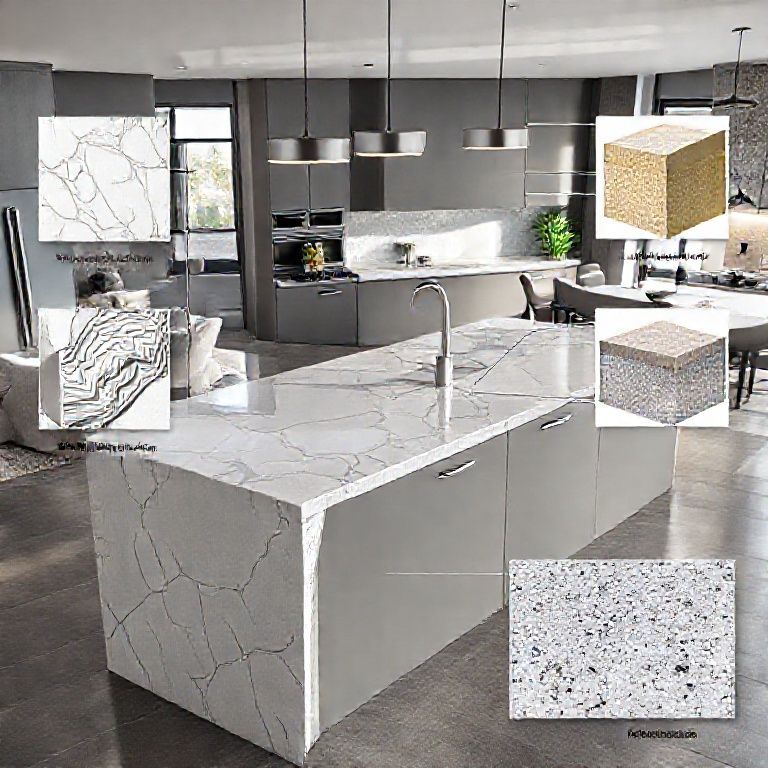
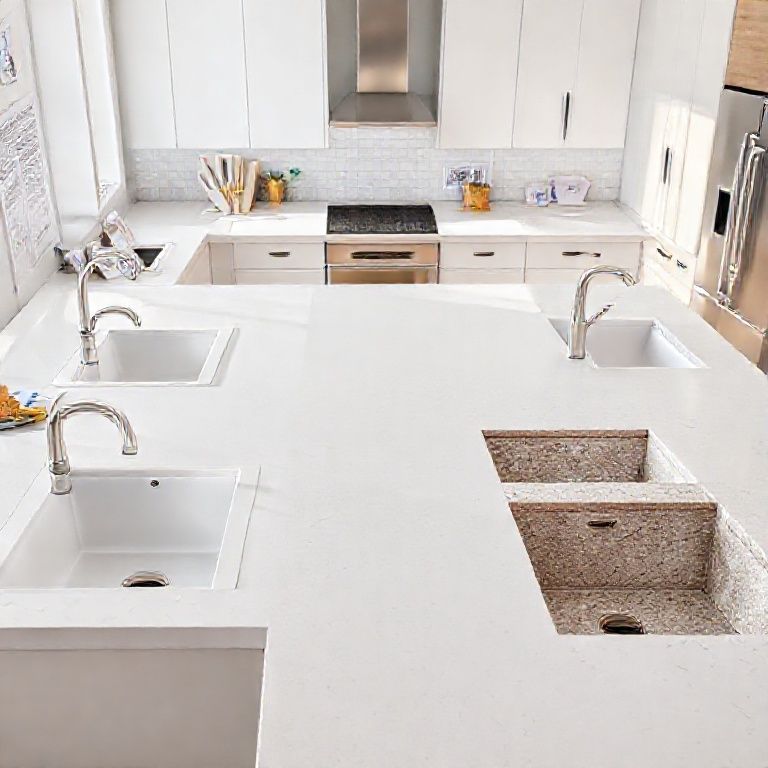
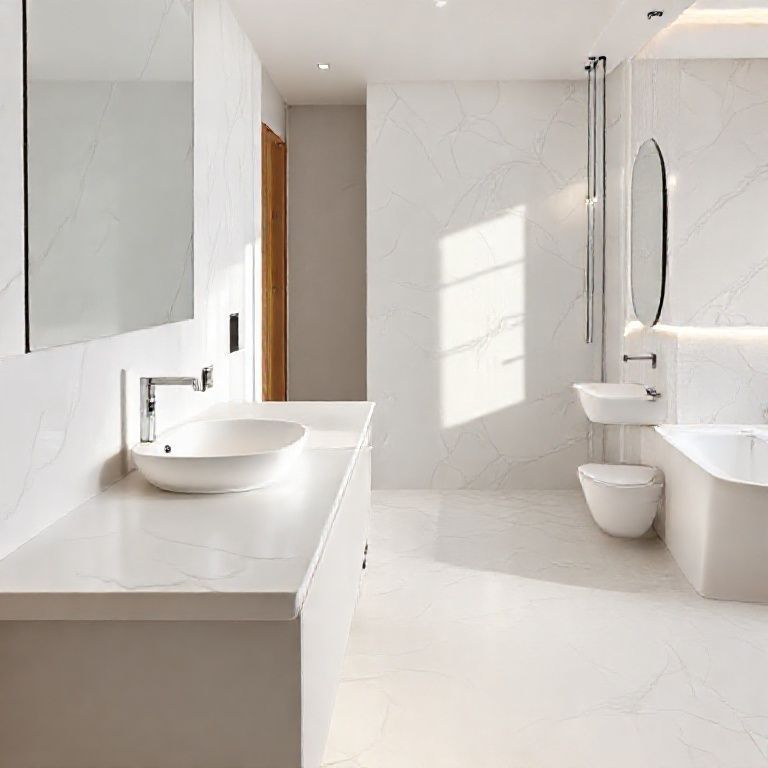
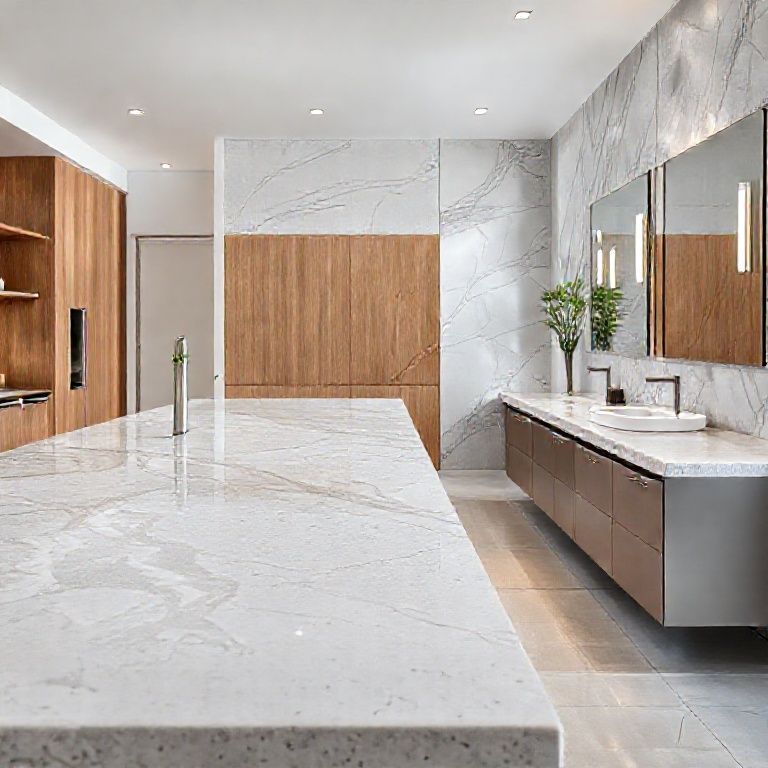
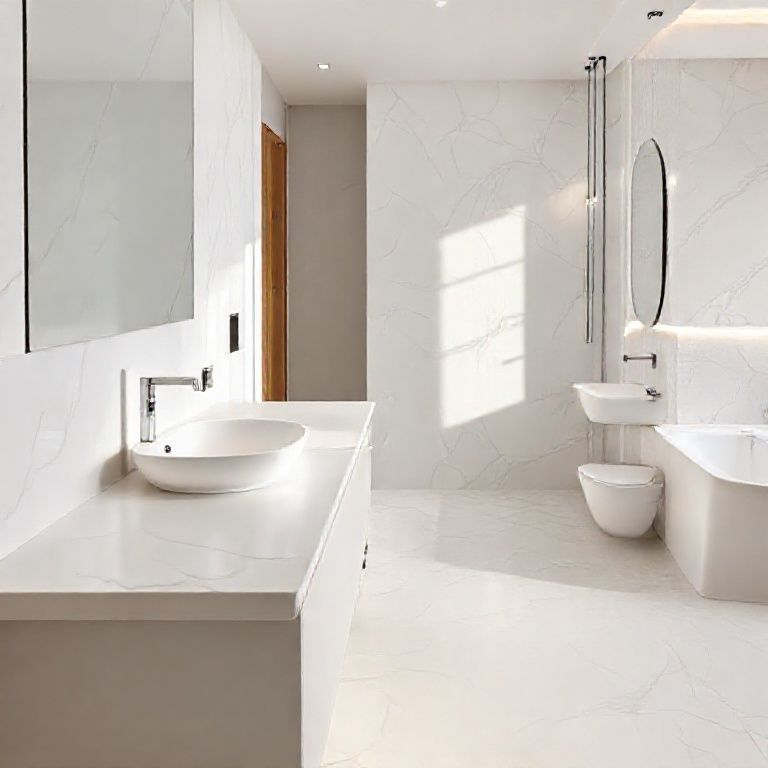
Choosing the Perfect Stone for Your Kitchen Stovetop: A Comprehensive Guide
When it comes to kitchen design and functionality, the stovetop is one of the most critical elements. It’s where most of your cooking takes place, and its material can significantly affect its durability, appearance, and ease of maintenance. Among the myriad of options available, selecting the right stone material for your kitchen stovetop is crucial. Here, we explore the top choices, their benefits, and how to maintain them to ensure longevity and aesthetic appeal.
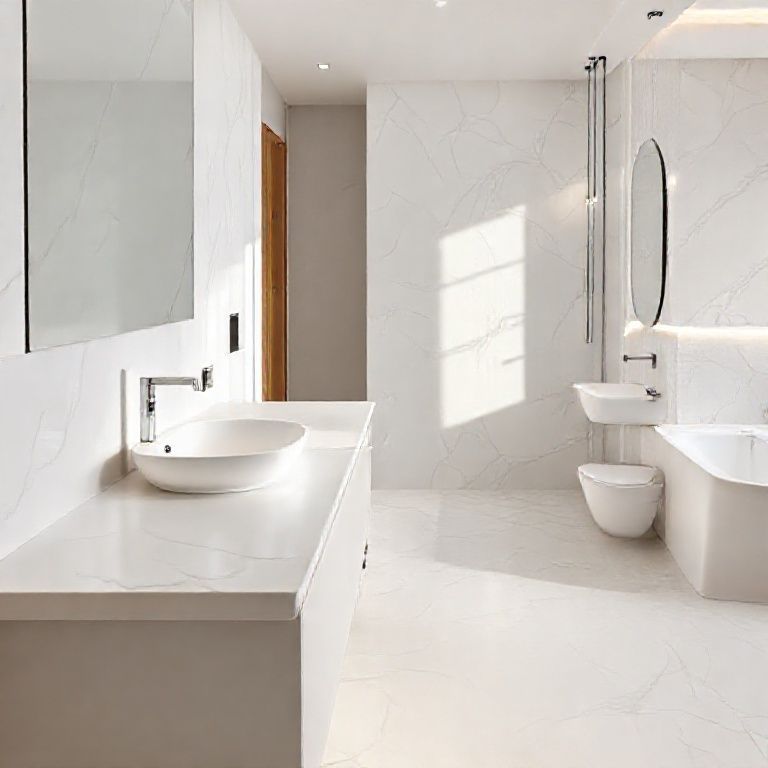
1. Granite: The Timeless Classic
Granite is perhaps the most popular choice for kitchen stovetops due to its durability, strength, and timeless appeal. Originating from natural stone, granite is a silicate rock that is formed from the slow crystallization of magma. Its hard, crystalline structure makes it highly resistant to scratches, stains, and heat.
Benefits of Granite:
Durability: Granite is one of the most durable materials for stovetops. Its hardness makes it resistant to scratches, cuts, and dents. Heat Resistance: Granite can withstand high temperatures, making it suitable for induction, gas, and electric cooktops. Low Maintenance: Granite requires minimal maintenance. A simple wipe with a damp cloth and mild soap is usually sufficient to keep it looking pristine. Aesthetic Appeal: Granite comes in a wide range of colors and patterns, allowing for a personalized touch to your kitchen design.
Considerations:
Sealing Requirement: Although granite is durable, it is porous and requires sealing to prevent stains. Regular sealing is necessary to maintain its appearance.

2. Quartz: The Versatile Alternative
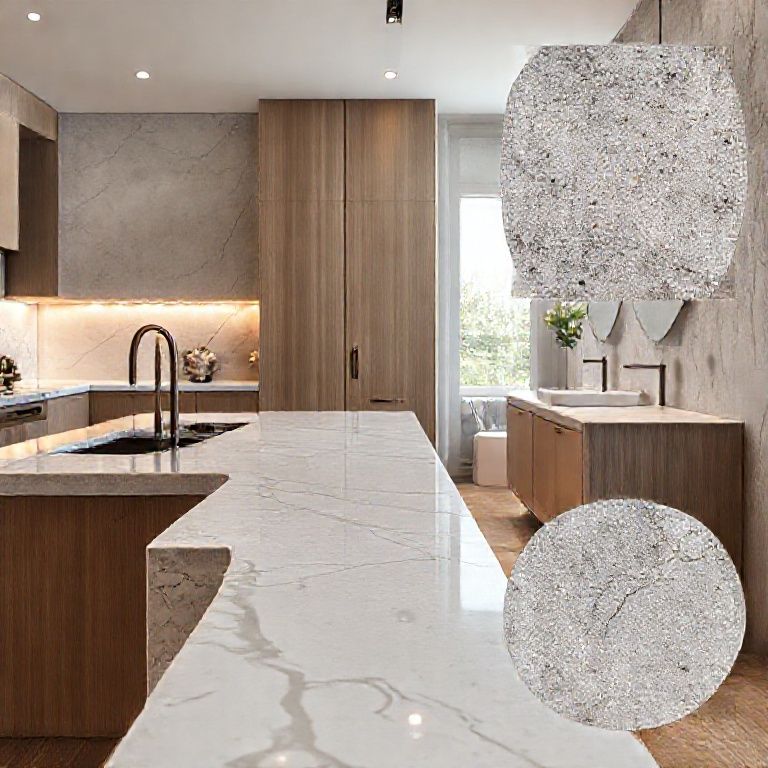
Quartz, a relatively newer material in the stone market, has quickly become a favorite among homeowners and chefs alike. Composed of 93% pure quartz and 7% resin, quartz is manufactured and offers consistent quality, color, and finish.
Benefits of Quartz:
Non-Porous: Unlike natural stone, quartz is non-porous, making it highly resistant to stains, scratches, and heat. Low Maintenance: Quartz is incredibly easy to maintain. A simple wipe with a damp cloth and mild soap will suffice, and it does not require sealing. Heat Resistance: Quartz can handle high temperatures, making it suitable for any type of cooktop. Customization: Quartz offers endless design possibilities with customizable colors, patterns, and textures.
Considerations:
Cost: Quartz can be more expensive than some other materials, but its durability and low maintenance often justify the investment.
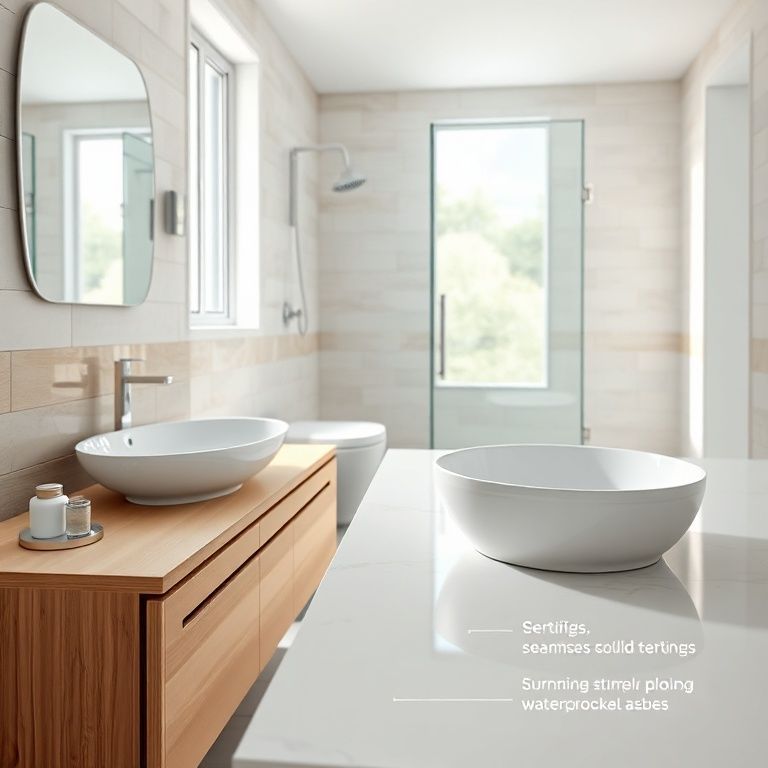
3. Marble: The Elegant Choice
Marble is renowned for its beauty and elegance, making it a popular choice for high-end kitchens. Composed of calcite, marble is a metamorphic rock known for its striking patterns and colors.
Benefits of Marble:
Aesthetic Appeal: Marble offers a luxurious, natural look that can elevate the style of any kitchen. Unique Patterns: Each marble slab has unique patterns and colors, providing a one-of-a-kind appearance. Easy Maintenance: Marble is relatively easy to maintain, though it is essential to use a mild soap and a soft cloth to avoid scratching.
Considerations:
Porosity: Marble is porous, which means it can stain and needs regular sealing. Heat Sensitivity: Marble can be sensitive to heat, so it’s best used with glass or ceramic cooktops.
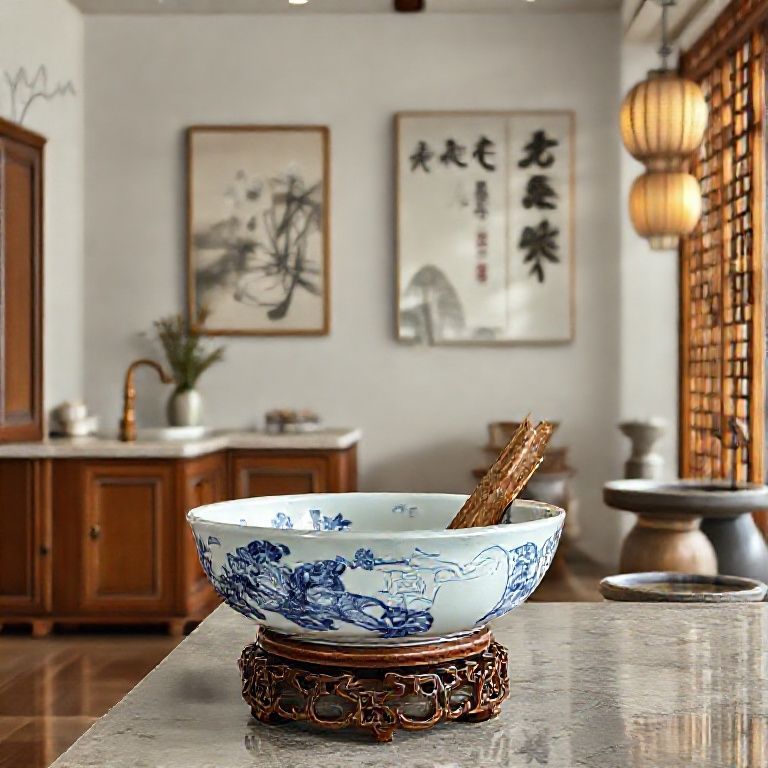
4. Slate: The Natural and Rugged Option
Slate is a metamorphic rock formed under pressure from sedimentary rock layers. Known for its durability and natural appearance, slate is a robust choice for kitchen stovetops.
Benefits of Slate:
Durability: Slate is highly durable and resistant to scratches, making it a long-lasting option. Heat Resistance: Slate can withstand high temperatures, suitable for any cooktop type. Natural Look: Slate offers a rustic, natural look that can complement various kitchen styles.
Considerations:
Maintenance: Slate requires minimal maintenance. Regular cleaning with a damp cloth and mild soap is usually sufficient. Cost: Slate can be less expensive than other high-end stone options, but prices can vary based on the quality and type of slate used.
Maintenance Tips for Your Stovetop Stone
Regardless of the stone material you choose, proper maintenance is crucial for prolonging the life of your stovetop and maintaining its appearance. Here are some general maintenance tips:
Avoid Using Metal Utensils: Metal utensils can scratch the surface of your stovetop. Use wooden or plastic utensils instead. Immediate Cleaning: Wipe up spills and splatters immediately to prevent stains and damage. Use Heat-Resistant Pads: Place heat-resistant pads under cookware to prevent direct contact with the stovetop, which can cause damage. Regular Cleaning: Use a mild soap and water solution to clean the stovetop regularly. Avoid harsh chemicals that can damage the surface. Professional Cleaning: Consider professional cleaning services for deep cleaning and sealing.
In the next part, we will delve into additional stone materials for kitchen stovetops, including their unique benefits and maintenance tips. We’ll also explore expert recommendations to help you make the best choice for your kitchen.
Choosing the Perfect Stone for Your Kitchen Stovetop: A Comprehensive Guide (Continued)
In the first part of this article, we explored the most popular stone materials for kitchen stovetops, including granite, quartz, marble, and slate. Each of these materials has its unique benefits and considerations, making them suitable for different kitchen styles and needs. In this part, we will continue to delve into additional stone materials, their unique benefits, and maintenance tips. We’ll also offer expert recommendations to help you make the best choice for your kitchen.
5. Corian: The Durable and Versatile Option
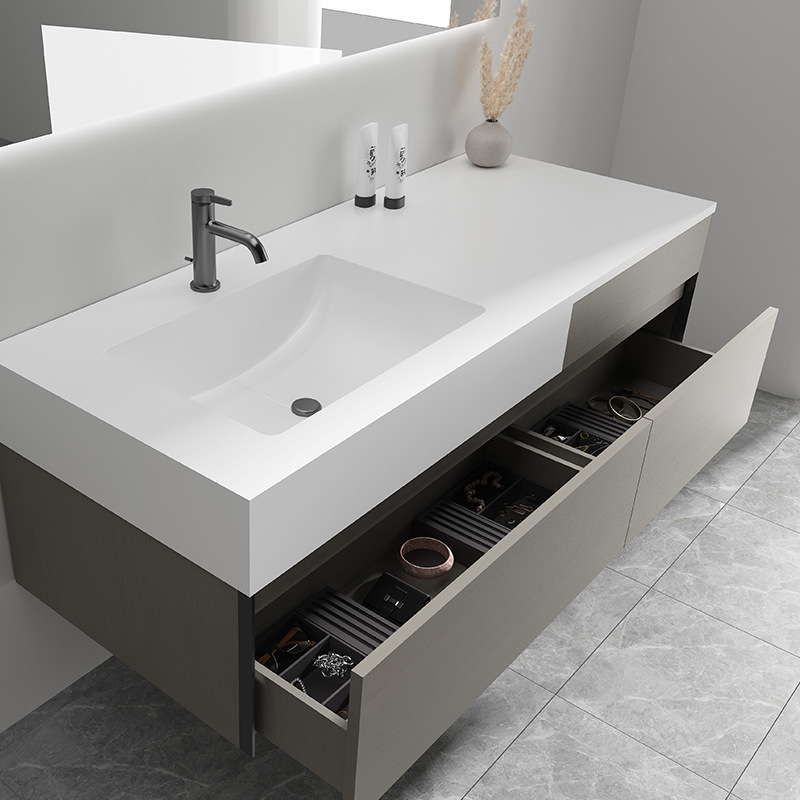
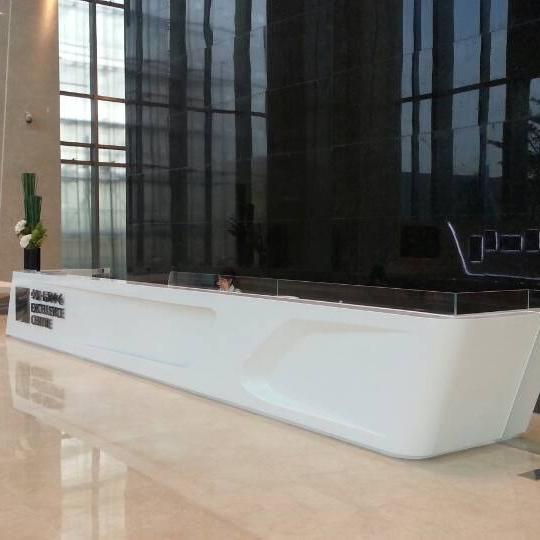
Corian, a brand of synthetic stone made from polyvinyl chloride (PVC), is known for its durability and versatility. It’s a popular choice for kitchen stovetops due to its resistance to scratches, stains, and heat.
Benefits of Corian:
Durability: Corian is highly resistant to scratches, cuts, and dents, making it an excellent choice for busy kitchens. Heat Resistance: Corian can withstand high temperatures, suitable for induction, gas, and electric cooktops. Stain Resistance: Corian’s surface is non-porous, which means it is highly resistant to stains and easy to clean. Customization: Corian offers a wide range of colors and patterns, allowing for a personalized touch to your kitchen design.
Considerations:
Cost: Corian can be more expensive than some other materials, but its durability and low maintenance often justify the investment. Maintenance: Regular cleaning with a mild soap and water solution is usually sufficient. Avoid using abrasive cleaners or scrubbing pads.
6. OnyX: The Sleek and Modern Choice
OnyX is a composite stone made from 95% natural stone and 5% resin, known for its sleek, modern look and high-end appeal. It’s a popular choice for contemporary kitchen designs.
Benefits of OnyX:
Aesthetic Appeal: OnyX offers a sleek, modern look with unique veining and colors, providing a high-end appearance. Durability: OnyX is highly durable and resistant to scratches, cuts, and stains. Heat Resistance: OnyX can withstand high temperatures, making it suitable for any type of cooktop. Low Maintenance: OnyX is easy to maintain. A simple wipe with a damp cloth and mild soap will suffice, and it does not require sealing.
Considerations:
Cost: OnyX can be more expensive than some other materials, but its durability and modern look often justify the investment. Maintenance: Regular cleaning with a mild soap and water solution is usually sufficient. Avoid using abrasive cleaners or scrubbing pads.
7. Engineered Stone: The Budget-Friendly Alternative
Engineered stone is a composite material made from natural stone and resin. It’s a budget-friendly option that offers many of the benefits of natural stone at a lower cost.
Benefits of Engineered Stone:
Cost-Effective: Engineered stone is generally more affordable than natural stone, making it a budget-friendly option. Durability: Engineered stone is durable and resistant to scratches, cuts, and stains. Heat Resistance: Engineered stone can withstand high temperatures, suitable for any type of cooktop. Customization: Engineered stone offers a wide range of colors and patterns, allowing for a personalized touch to your kitchen design.
Considerations:
Maintenance: Regular cleaning with a mild soap and water solution is usually sufficient. Avoid using abrasive cleaners or scrubbing pads. Variability: The quality and durability of engineered stone can vary depending on the manufacturer and theengineered stone is generally more affordable than natural stone, making it a budget-friendly option.
Maintenance:
Regular cleaning with a mild soap and water solution is usually sufficient. Avoid using abrasive cleaners or scrubbing pads. Variability: The quality and durability of engineered stone can vary depending on the manufacturer and the specific composition of the stone.
8. Travertine: The Natural and Unique Option
Travertine is a natural stone formed from limestone deposits. Known for its unique patterns and colors, travertine offers a rustic and natural look that can add character to any kitchen.
Benefits of Travertine:
Aesthetic Appeal: Travertine has a natural, organic look with unique veining and colors, providing a one-of-a-kind appearance. Durability: Travertine is relatively durable and resistant to scratches and cuts. Heat Resistance: Travertine can withstand high temperatures, suitable for any type of cooktop.
Considerations:
Porosity: Travertine is porous, which means it can stain and needs regular sealing. Maintenance: Regular cleaning with a mild soap and water solution is usually sufficient. Travertine requires sealing to prevent stains and can benefit from periodic resealing.
9. Slate: The Durable and Rugged Option (Revisited)
As mentioned earlier, slate is a metamorphic rock known for its durability and natural appearance. It’s a robust choice for kitchen stovetops.
Benefits of Slate:
Durability: Slate is highly durable and resistant to scratches, making it a long-lasting option. Heat Resistance: Slate can withstand high temperatures, suitable for any cooktop type. Natural Look: Slate offers a rustic, natural look that can complement various kitchen styles.
Considerations:
Maintenance: Slate requires minimal maintenance. Regular cleaning with a damp cloth and mild soap is usually sufficient. Cost: Slate can be less expensive than other high-end stone options, but prices can vary based on the quality and type of slate used.
10. Composite Stone: The Customizable and Low-Maintenance Choice
Composite stones are made from a mixture of natural stone and resin, offering a customizable and low-maintenance option for kitchen stovetops.
Benefits of Composite Stone:
Customization: Composite stone offers endless design possibilities with customizable colors, patterns, and textures. Durability: Composite stone is highly durable and resistant to scratches, cuts, and stains. Heat Resistance: Composite stone can withstand high temperatures, suitable for any type of cooktop. Low Maintenance: Composite stone is easy to maintain. A simple wipe with a damp cloth and mild soap will suffice, and it does not require sealing.
Considerations:
Cost: Composite stone can be more expensive than some other materials, but its durability and low maintenance often justify the investment. Maintenance: Regular cleaning with a mild soap and water solution is usually sufficient. Avoid using abrasive cleaners or scrubbing pads.
Expert Recommendations
When selecting the perfect stone for your kitchen stovetop, consider the following expert recommendations:
Assess Your Cooking Habits: If you frequently use heavy cookware or cook with high heat, opt for a stone material that is highly durable and heat-resistant, such as granite, quartz, or slate. Consider Maintenance: If you prefer low-maintenance options, materials like quartz, Corian, and composite stone are excellent choices. Aesthetic Preferences: Choose a stone that complements your kitchen’s design and style. Marble and onyx offer elegant looks, while slate and engineered stone provide rustic and modern aesthetics. Budget: Balance your budget with the long-term benefits of durability and maintenance. Higher-end materials like onyx and travertine offer premium looks but may come with higher upfront costs. Professional Installation: Ensure that your stovetop is installed by professionals to avoid damage and ensure the stone is properly sealed and maintained.
By considering these factors and exploring the unique benefits of each stone material, you can make an informed decision that enhances both the functionality and beauty of your kitchen.
In the next part of this series, we will delve into expert tips for maintaining and caring for your chosen stovetop material, as well as future trends in kitchen design. Stay tuned for more insights to help you create the perfect kitchen space.