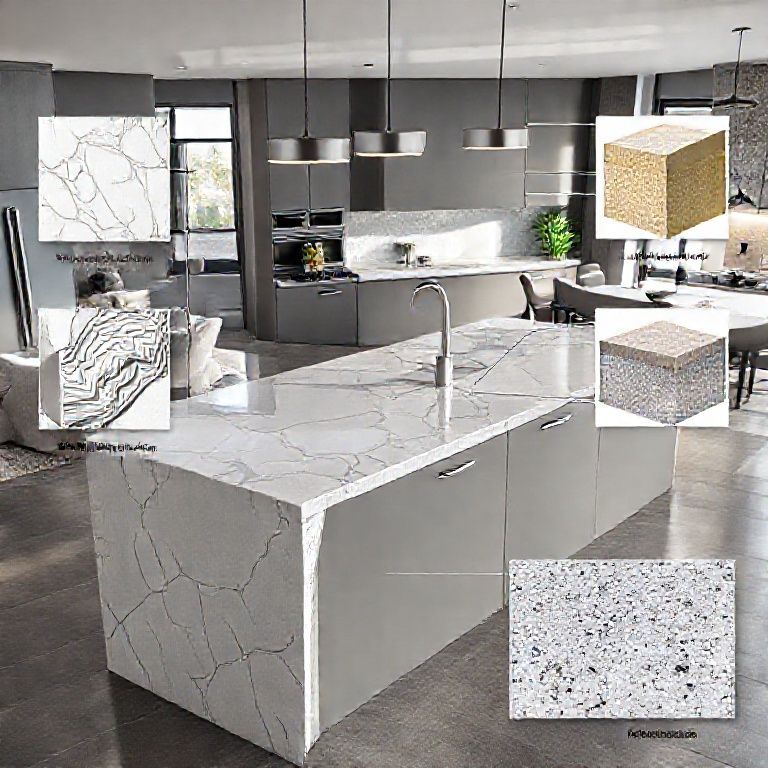
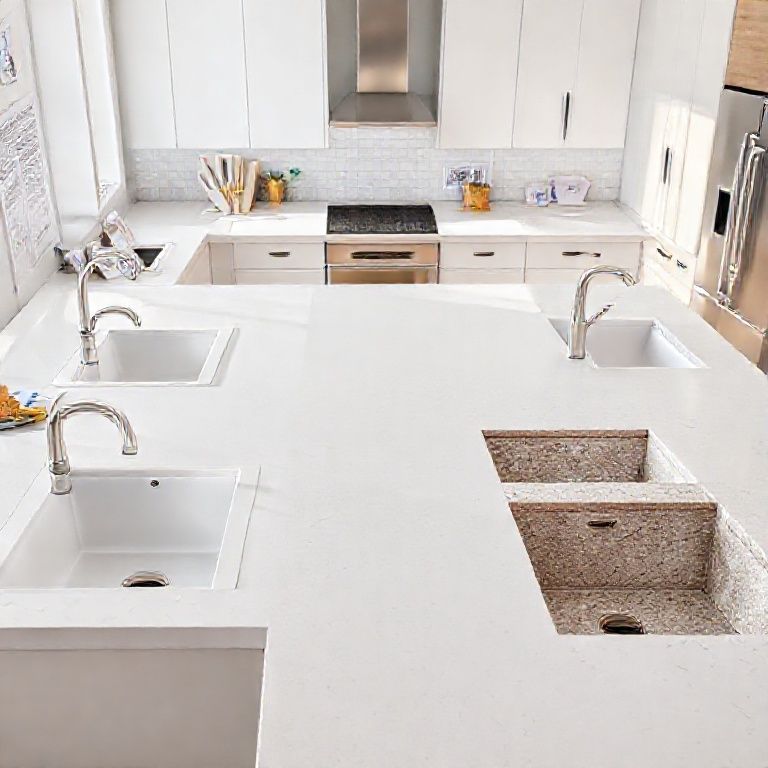
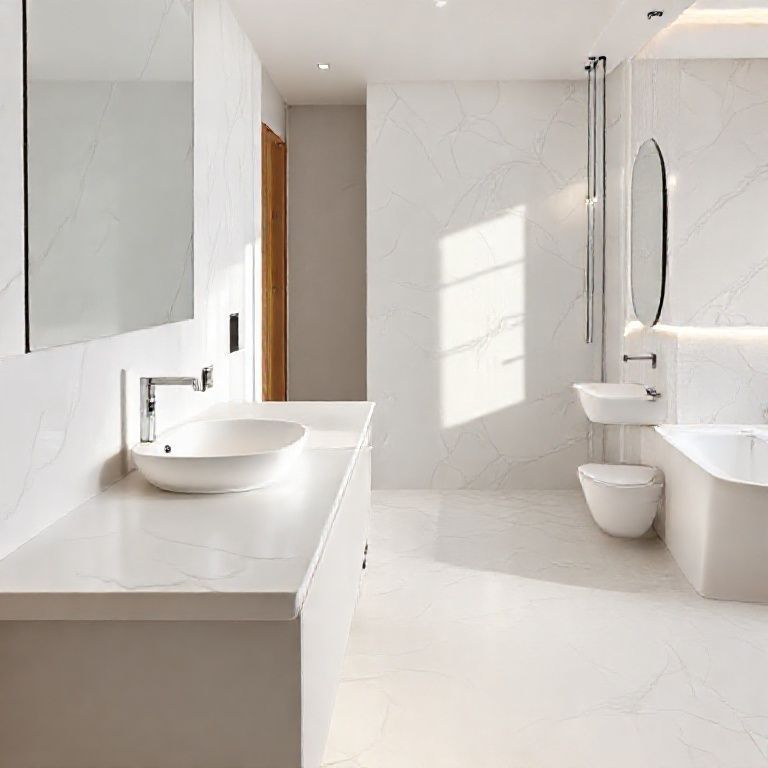
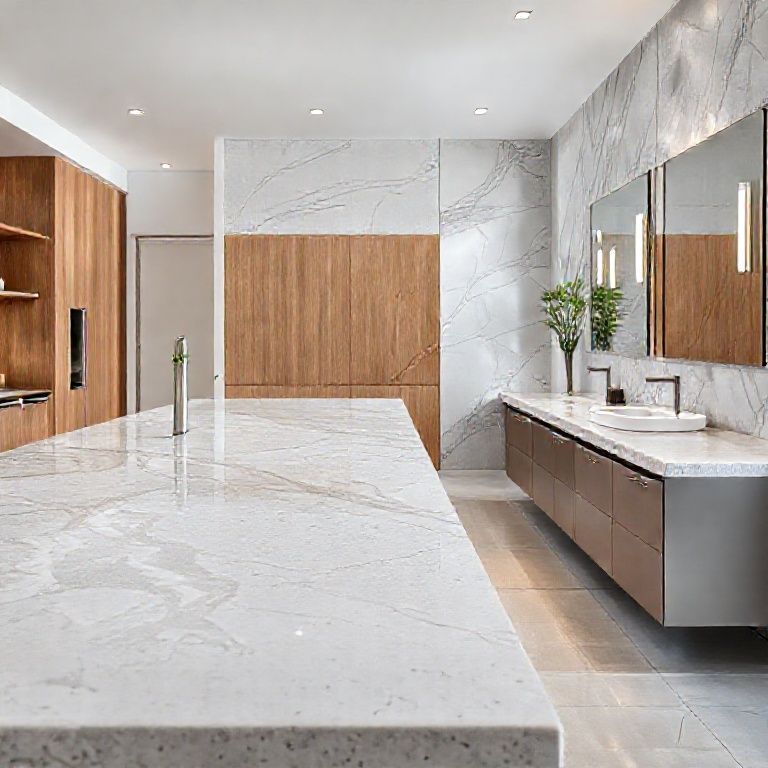
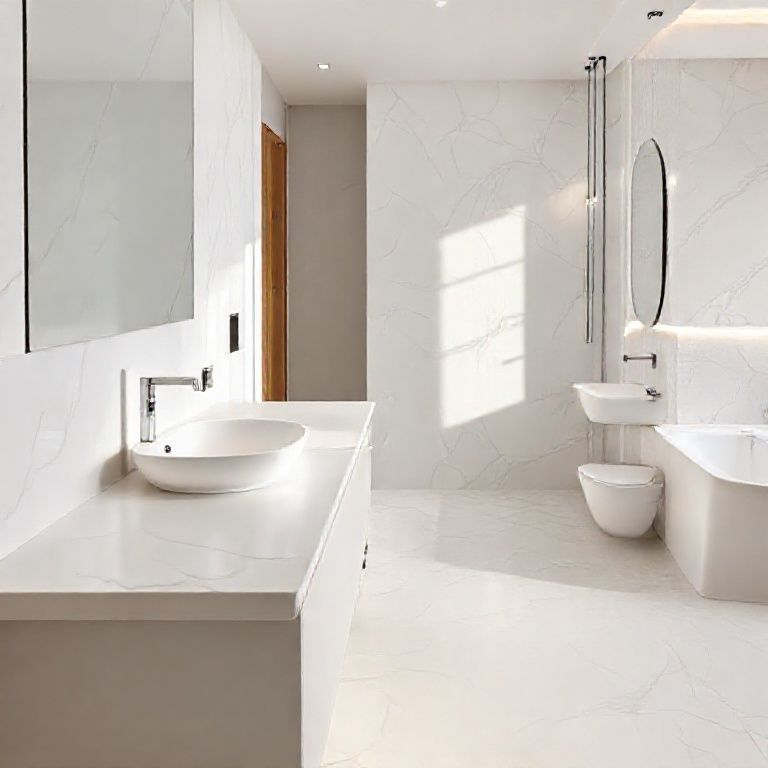
Discover the ideal thickness for your kitchen quartz countertop to achieve both durability and aesthetic appeal. This comprehensive guide covers the essential factors influencing your choice, ensuring your kitchen looks stunning and lasts longer. Learn why the right thickness matters for your quartz countertop in two engaging parts.
kitchen countertop, quartz stone, thickness, durability, aesthetics, installation, maintenance, kitchen design, countertop materials
The Ideal Thickness for Your Quartz Kitchen Countertop
The Ideal Thickness for Your Quartz Kitchen Countertop
When it comes to designing a modern and functional kitchen, one of the most crucial elements is the kitchen countertop. Quartz has emerged as a top choice for its blend of durability, beauty, and low maintenance. However, one key factor that often gets overlooked is the thickness of the quartz countertop. The thickness of your kitchen quartz countertop not only affects its appearance but also its longevity and functionality. In this first part, we will explore the ideal thickness for quartz kitchen countertops, the factors influencing this choice, and how to make the best decision for your kitchen.
Understanding Quartz Countertops
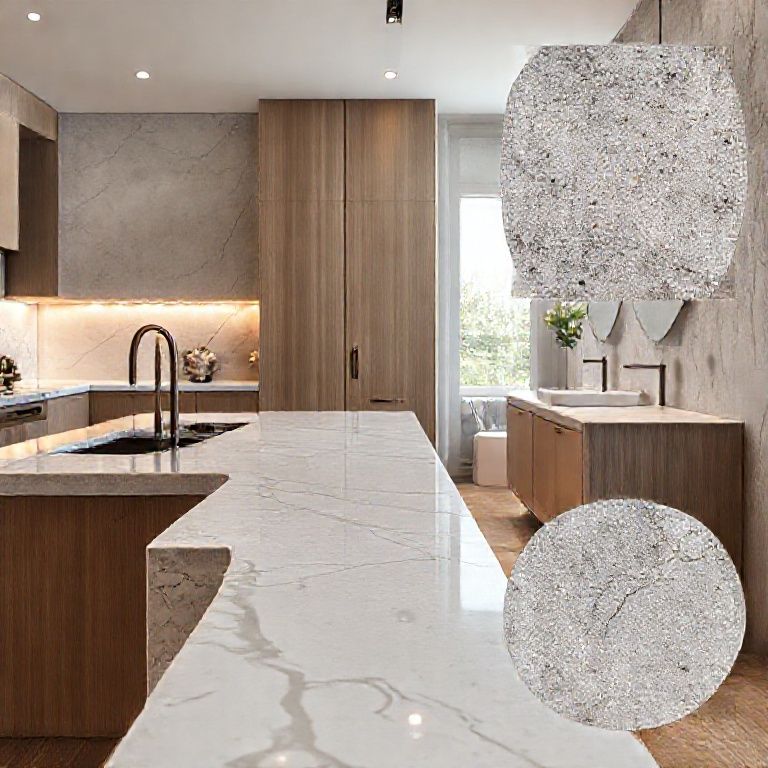
Quartz, a composite material made from 90% natural stone and 10% resin, offers unparalleled strength and durability. Unlike traditional granite or marble, quartz is impervious to stains, scratches, and heat. Its versatility and resilience make it an excellent choice for modern kitchens. However, the thickness of the quartz countertop plays a significant role in its performance and aesthetic appeal.
The Ideal Thickness: A Balance of Aesthetics and Durability
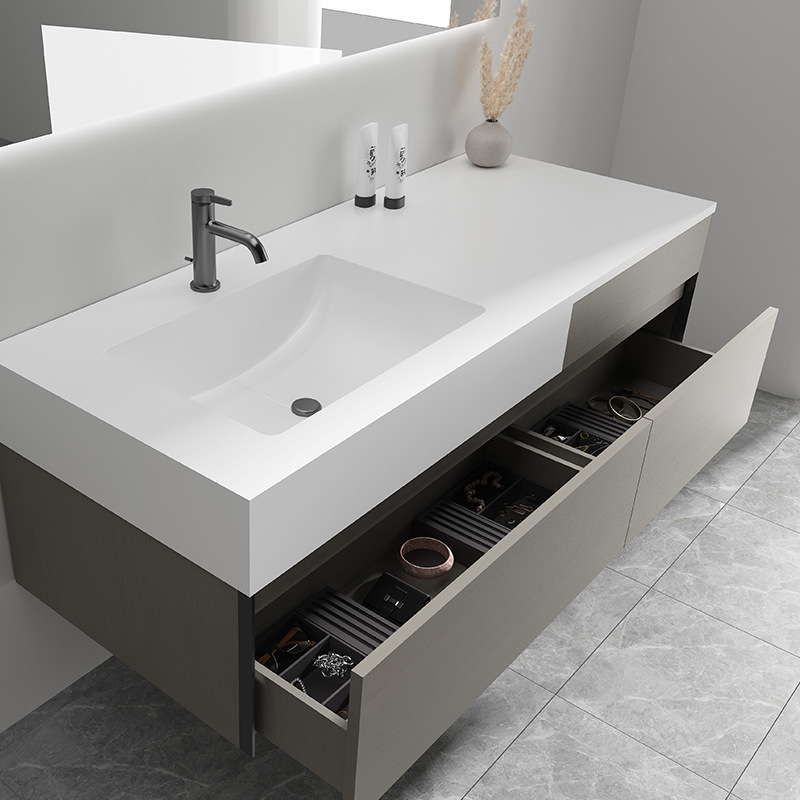
The ideal thickness for a quartz kitchen countertop typically ranges from 1.5 inches to 2 inches. This range ensures a balance between visual appeal and structural integrity. Here’s a deeper look into why this range is optimal:
1. Durability
Weight Distribution: A thicker countertop distributes weight more evenly, reducing the risk of cracking and warping. This is especially important if you plan to use heavy appliances or frequently place large items on your countertop. Resistance to Impact: Thicker quartz countertops are more resistant to impact and scratches, maintaining their pristine appearance over time. This makes them ideal for households with children or those who frequently entertain guests.
2. Aesthetics
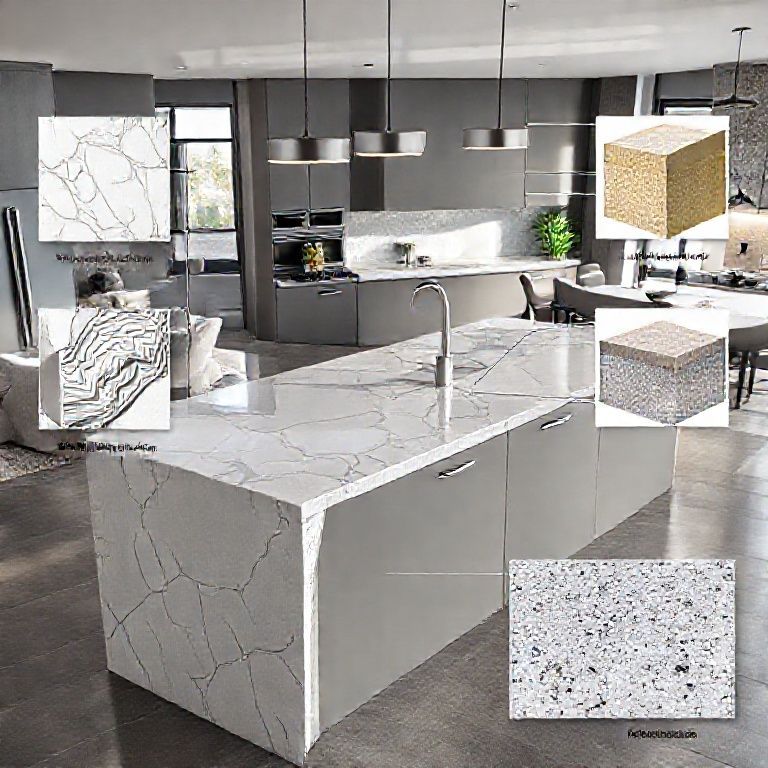
Visual Depth: A thicker quartz countertop can add a sense of depth and texture, giving your kitchen a more sophisticated and refined look. It also provides a more substantial feel, which can enhance the overall design. Customization: With a thickness in the 1.5 to 2-inch range, you have ample room for customization. You can choose from various colors, patterns, and textures to match your kitchen’s design perfectly.
3. Installation Considerations
Cabinet Clearance: Ensure that the thickness of your quartz countertop fits within the height of your cabinets. A thicker countertop may require a slight adjustment in cabinet height or a custom installation to avoid any issues. Sink and Appliance Integration: Consider how the thickness of the countertop will interact with your kitchen sink and other appliances. A thicker countertop might need additional space or specific cuts to accommodate these elements seamlessly.
Factors Influencing the Choice of Thickness
Several factors influence the decision on the thickness of your quartz kitchen countertop:
1. Kitchen Design
Your overall kitchen design plays a significant role in determining the appropriate thickness. For modern, minimalist designs, a thinner countertop might be more appropriate, while traditional or rustic designs might benefit from a thicker, more substantial look.
2. Usage Patterns
If your kitchen sees heavy use, such as daily cooking, entertaining, or hosting large meals, a thicker countertop is more durable and long-lasting. Conversely, if your kitchen is used lightly, a thinner countertop might suffice.
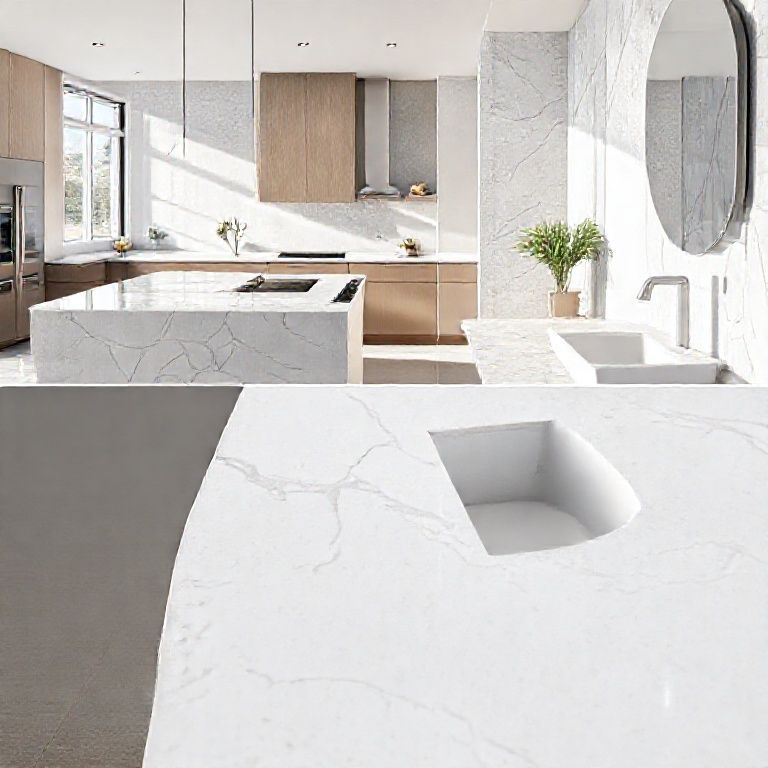
3. Budget
Thicker quartz countertops generally cost more due to the additional material and labor required for installation. Ensure that you balance your budget with the desired aesthetic and functional benefits.
Installation Tips for Quartz Countertops
Proper installation is crucial for the longevity and performance of your quartz countertop. Here are some essential tips to ensure a flawless installation:
1. Professional Installation
Always opt for professional installation. A skilled installer will ensure that your quartz countertop is cut, fitted, and sealed correctly, maximizing its durability and appearance.
2. Proper Adhesion
Ensure that the adhesive used during installation is suitable for quartz countertops. The right adhesive will provide strong adhesion and prevent the countertop from lifting over time.
3. Regular Maintenance
Regular maintenance is key to keeping your quartz countertop looking its best. Use appropriate cleaning products and avoid placing hot pots or pans directly on the surface without a trivet.
Conclusion
Choosing the ideal thickness for your quartz kitchen countertop is a decision that impacts both the aesthetic and functional aspects of your kitchen. By understanding the importance of thickness and considering factors such as durability, design, and installation, you can make an informed decision that enhances your kitchen’s beauty and longevity. In the next part, we will delve deeper into the maintenance and care of quartz countertops, ensuring they remain a stunning focal point in your kitchen for years to come.
Maintenance and Care of Your Quartz Kitchen Countertop
Maintenance and Care of Your Quartz Kitchen Countertop
In the previous part, we discussed the importance of selecting the right thickness for your quartz kitchen countertop. Now, let’s dive deeper into the maintenance and care of your quartz countertop to ensure it remains a stunning and functional centerpiece in your kitchen for years to come. This comprehensive guide covers essential maintenance tips, cleaning techniques, and best practices to keep your quartz countertop looking pristine.
The Benefits of Quartz Countertops
Quartz countertops are renowned for their durability, low maintenance, and aesthetic appeal. Here’s a quick recap of why quartz is an excellent choice for your kitchen:
Stain Resistance: Unlike natural stone, quartz does not absorb stains. It resists stains from everyday spills, making it easier to clean and maintain. Scratch and Heat Resistance: Quartz is highly resistant to scratches, making it ideal for kitchens where heavy cooking and frequent use occur. Low Maintenance: With proper care, quartz countertops require minimal maintenance compared to other natural stone options.
Regular Maintenance Tips
To keep your quartz countertop in top condition, regular maintenance is essential. Here are some tips to ensure your quartz remains beautiful and functional:
1. Clean Regularly
Clean your quartz countertop regularly to prevent the buildup of grime and stains. Here are some steps to follow:
Daily Cleaning: Use a damp microfiber cloth or paper towel to wipe up spills and crumbs. Avoid using harsh chemicals or abrasive cleaners. Deep Cleaning: For deeper cleaning, use a mild soap and water solution. Avoid using acidic or alkaline cleaners, as they can damage the surface.
2. Use Appropriate Cleaning Products
When it comes to cleaning your quartz countertop, it’s important to use the right products:
Avoid Acidic Cleaners: Products containing vinegar or citrus can etch the surface of the quartz. Stick to neutral pH cleaners. Specialized Cleaners: Consider using specialized quartz cleaners designed to maintain the natural beauty of the stone.
3. Proper Cutting and Handling
When working with your quartz countertop, proper handling and cutting techniques are essential:
Use a Cutting Pad: When cutting your quartz countertop, use a cutting pad to protect the surface from scratches and damage. Handle with Care: Be mindful when placing heavy items on your countertop to avoid scratches and impacts that could damage the surface.
Handling Spills and Stains
Despite its resistance to stains, occasional spills can still occur. Here’s how to handle them effectively:
1. Immediate Action
Address spills immediately to prevent stains from setting in:
Liquid Spills: Blot the spill with a clean, dry cloth. For tougher stains, use a mild soap and water solution. Solid Spills: Scrape up solid spills immediately to avoid them staining the surface.
2. Deep Cleaning for Stubborn Stains
For more stubborn stains, follow these steps:
Baking Soda Paste: Mix baking soda with a small amount of water to create a paste. Apply the paste to the stain and let it sit for a few minutes before scrubbing gently with a soft brush. Vinegar Solution: For tough stains, create a solution of equal parts vinegar and water. Apply the solution to the stain and let it sit before wiping it away with a clean cloth.
Avoiding Heat Damage
Quartz is highly resistant to heat, but it’s still important to use common sense when cooking on your countertop:
1. Use Heat-Resistant Trivets
To prevent heat damage, always use heat-resistant trivets or pot holders when placing hot pots, pans, or dishes on the countertop.
2. Avoid Direct Heat Sources
Avoid placing direct heat sources like candles or heating elements on the countertop, as this can cause damage over time.
Regular Inspections and Repairs
Regular inspections can help identify and address potential issues before they become major problems:
1. Check for Cracks and Chips
Inspect your countertop regularly for any cracks, chips, or signs of damage. If you notice any issues, it’s important to address them promptly to prevent further damage.
2. Professional Repairs
For minor repairs, consider using professional repair services that specialize in quartz countertops. They have the expertise and tools to fix small issues without compromising the integrity of your countertop.
Conclusion
Proper maintenance and care are key to当然,可以继续讨论如何更好地维护和保护你的石英石厨房台面。这里有一些更详细的建议和注意事项,以确保你的石英石台面长期保持美观和功能性:
1. 定期清洁
定期清洁是保持石英石台面的关键。使用温和的清洁剂和水进行清洁,可以有效去除日常污渍和痕迹。避免使用强力化学清洁剂,这些产品可能会损害石英石的表面。
2. 使用适当的工具
使用适当的清洁工具,例如软布、海绵或微纤维布,而不是金属或玻璃清洁喷剂,这些可能会对石英石表面造成划痕。
3. 防止刮擦
尽量避免在石英石台面上放置有尖锐边缘的物品。使用盖子、垫子或托盘来保护台面,尤其是在摆放热锅、碗或重物时。
4. 及时处理溢出物
及时处理溢出物,以防止液体渗入石英石纹理,导致永久性渍或变色。使用干净的布迅速擦干溢出的液体。
5. 定期检查和维护
定期检查石英石台面,确保没有任何裂缝或损坏。如果发现任何损坏,应及时进行维修或咨询专业人员。
6. 安装护边
在石英石台面边缘安装护边,可以防止掉落物品刮伤台面。这些护边可以是不锈钢、铝合金或其他材料制成的。
7. 使用适当的厨具
使用适当的厨具,特别是在烹饪和食物处理时。例如,使用硅胶或木制的炒锅垫,而不是金属或陶瓷的炒锅垫。
8. 避免极端温度
尽量避免在石英石台面上加热食物,这不仅会对表面造成压力,还可能导致裂缝。如果必须使用热源,应确保其与石英石保持适当的距离。
9. 定期打蜡
虽然石英石不需要传统意义上的打蜡,但定期擦拭和保养可以增加其光泽和防护性。
10. 专业清洁
每年或每两年进行一次专业清洁,可以深入清洁和保护石英石台面。专业清洁可以去除顽固污渍和恢复台面的光泽。
11. 安装防护垫
在炉灶边缘安装防护垫,可以防止热量直接接触石英石台面,从而减少热损伤的风险。
12. 遵循制造商的建议
遵循石英石台面制造商的建议和指导,这些建议通常包含了最佳的清洁和维护方法,以确保台面的长期美观和功能。
通过遵循这些维护建议,你的石英石厨房台面可以保持其原有的美丽和耐用性,为你的厨房增添持久的美感和功能。