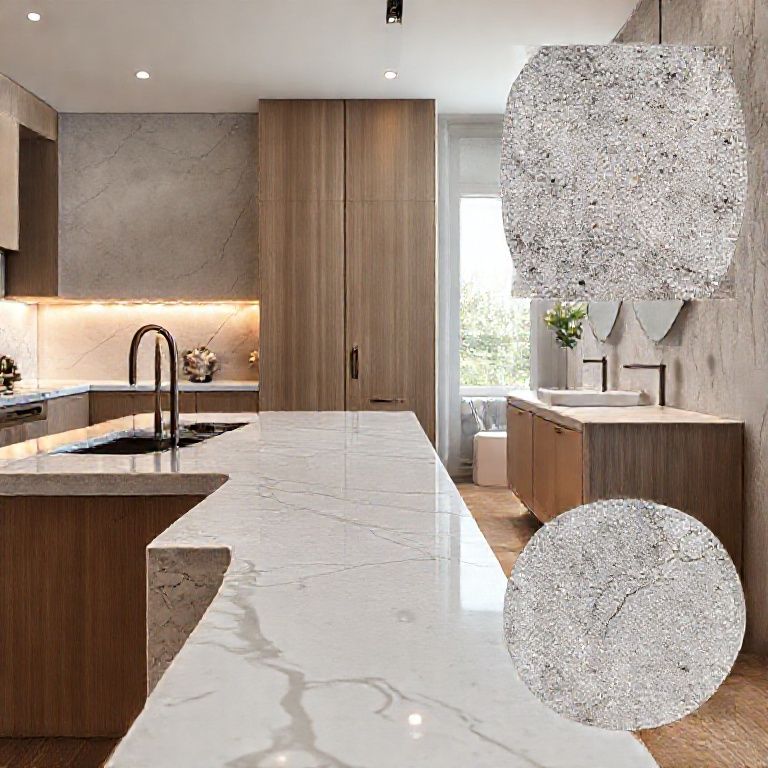
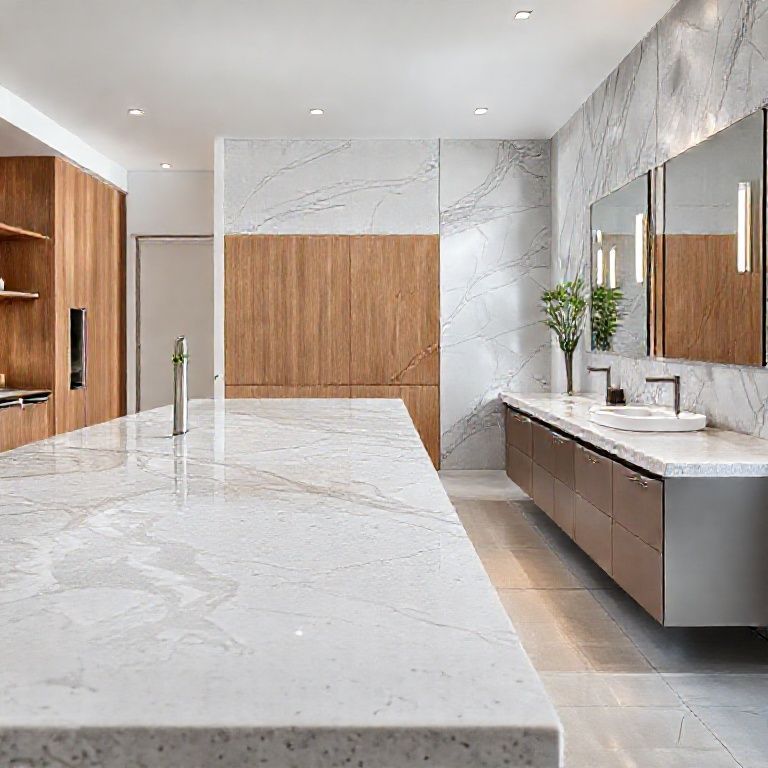
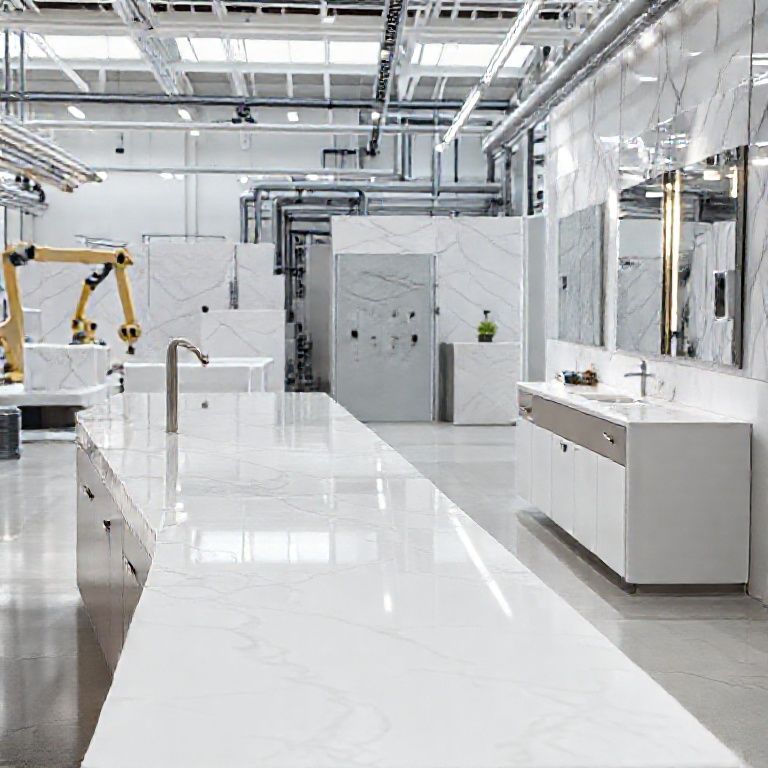
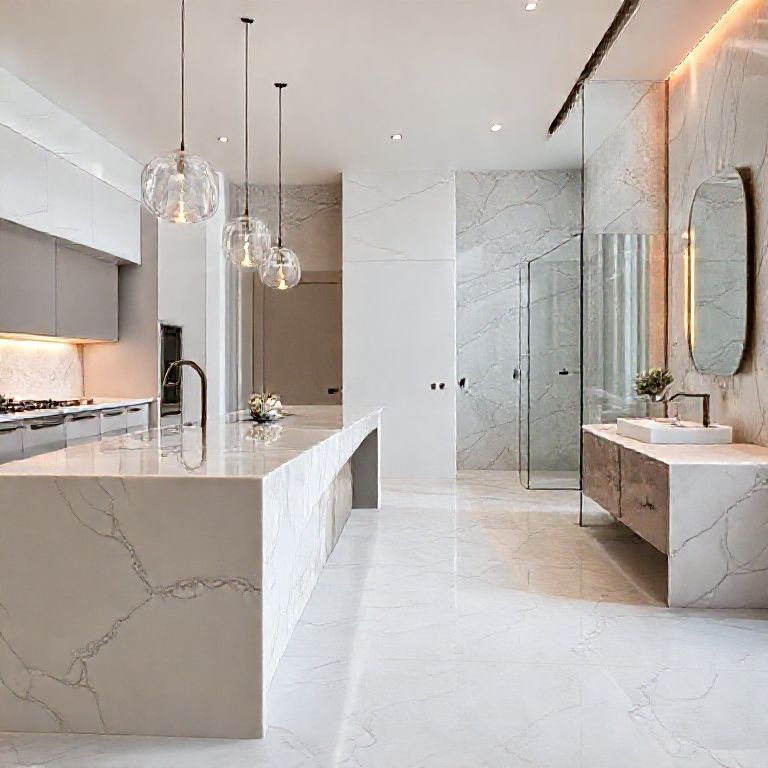
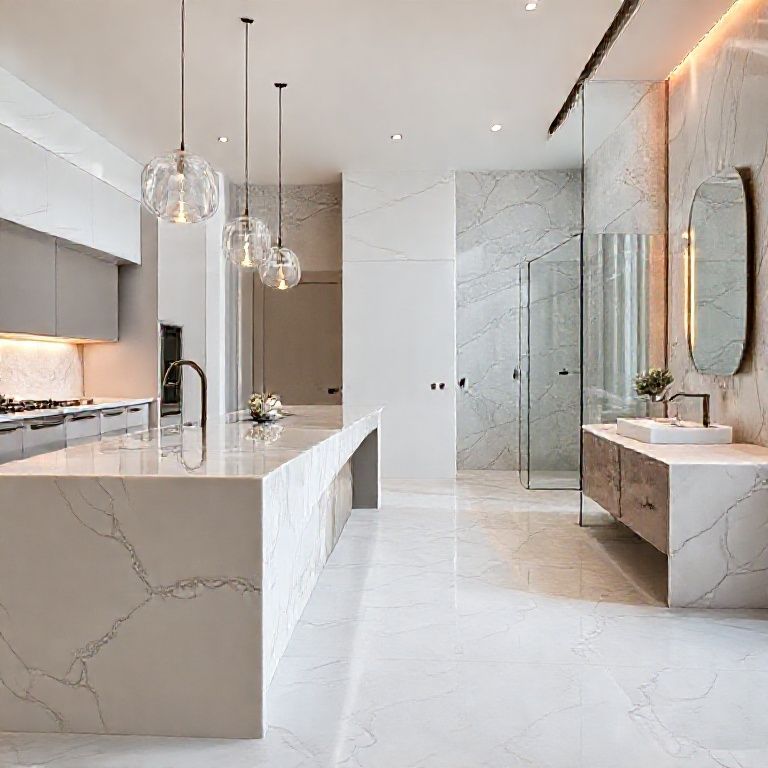
Choosing the right thickness for your kitchen countertop is crucial for both aesthetics and durability. In this article, we will delve into why quartz is the ultimate material for kitchen countertops, exploring the ideal thickness and its various benefits. Join us as we uncover the secrets to creating the perfect kitchen with quartz countertops of the optimal thickness.
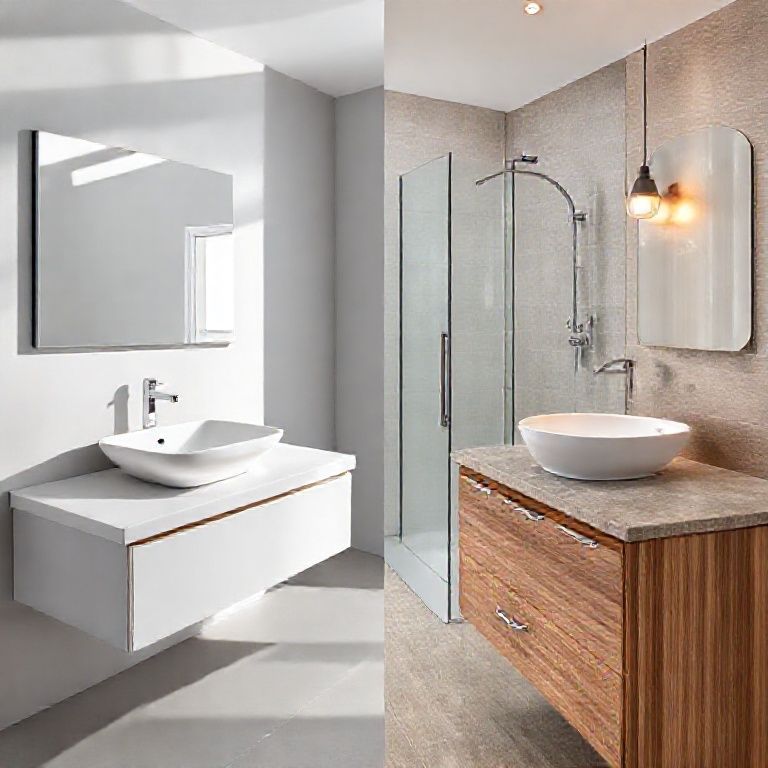
kitchen countertop, quartz, thickness, durability, aesthetics, countertop material, quartz countertop benefits, kitchen design, countertop installation
The Ultimate Kitchen Countertop: Quartz and Its Ideal Thickness
When it comes to kitchen countertops, durability, aesthetics, and ease of maintenance are paramount. Among the myriad of choices available, quartz has emerged as a top contender. Known for its superior qualities, quartz countertops offer unmatched performance and beauty. But how thick should these countertops be to achieve the perfect balance between style and functionality? Let’s dive deeper into the ideal thickness for quartz kitchen countertops and the reasons behind it.
Why Quartz?
Quartz is a synthetic stone made from 93% natural quartz and enhanced with resins and pigments. This combination makes it incredibly strong and durable, outshining other natural stones like granite and marble. Here are some reasons why quartz is a superior choice for kitchen countertops:
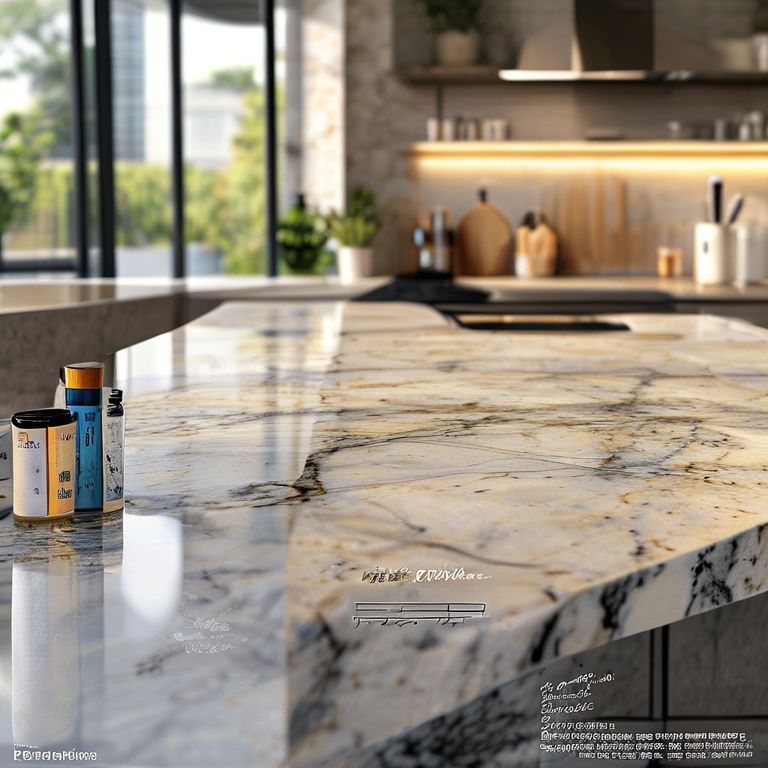
Durability: Quartz is highly resistant to scratches, stains, and heat. Unlike granite, which can chip and stain easily, quartz maintains its appearance over time, making it ideal for high-traffic kitchen areas.
Maintenance: Quartz countertops require minimal maintenance. They are non-porous, which means they do not absorb liquids or stains. Cleaning is as simple as wiping with a damp cloth and a mild soap solution.
Aesthetics: Quartz comes in a wide array of colors and patterns, allowing for endless design possibilities. Whether you prefer a sleek, modern look or a more rustic style, quartz can be customized to fit your vision.
Price: While the initial cost of quartz countertops may be higher than some other materials, their durability and low maintenance translate into long-term savings. You won’t need to invest in costly repairs or frequent cleaning supplies.
Ideal Thickness
The ideal thickness for quartz countertops is generally between 1.5 inches and 2 inches. Here’s why this range is considered optimal:
Strength: A thicker countertop (around 2 inches) offers maximum strength and durability. It can withstand heavy use without showing signs of wear and tear. The additional thickness also provides a more substantial and sturdy feel underfoot.
Aesthetics: A countertop that is 1.5 inches to 2 inches thick looks sleek and modern. It provides a clean, minimalistic appearance that complements a variety of kitchen styles, from industrial to contemporary.
Installation: Quartz countertops are typically installed using adhesive or a mechanical fastener system. The thicker pieces are easier to work with during installation, ensuring a smoother and more secure fit.
Weight: While quartz is lightweight compared to natural stone, a thickness of 1.5 inches to 2 inches ensures that the countertop remains manageable and easy to handle during installation.
Benefits of Choosing the Right Thickness
Selecting the right thickness for your quartz countertop can significantly impact the overall look and feel of your kitchen. Here are some benefits of choosing the ideal thickness:
Enhanced Durability: A thicker quartz countertop provides superior resistance to scratches, impacts, and stains, ensuring that your kitchen looks pristine for years to come. Improved Aesthetics: The right thickness enhances the visual appeal of your kitchen. A thicker countertop gives a more substantial, high-quality appearance that can elevate the entire kitchen design. Ease of Installation: Thicker countertops are generally easier to install, leading to a more precise and secure fit. This can also reduce installation time and potential costs. Comfort: A thicker countertop feels more solid and comfortable underfoot, adding to the overall user experience in your kitchen.
Customizing Your Quartz Countertop
One of the remarkable features of quartz is its versatility in design. Whether you are looking for a unique pattern or a specific color, quartz can be tailored to meet your exact requirements. This customization extends to the thickness as well. Many manufacturers offer quartz countertops in various thicknesses to suit different preferences and needs.
By working with a reputable quartz countertop supplier, you can specify the exact thickness that best suits your kitchen design. Whether you opt for a more traditional look or a cutting-edge contemporary style, quartz offers the flexibility to create a countertop that perfectly complements your vision.
Conclusion
Choosing the right thickness for your kitchen countertop is a decision that will impact both the aesthetics and functionality of your kitchen for years to come. Quartz, with its unmatched durability, low maintenance, and aesthetic flexibility, is an excellent choice for any kitchen. The ideal thickness of 1.5 inches to 2 inches strikes the perfect balance between strength, appearance, and ease of installation, ensuring that your kitchen countertop will be a lasting, beautiful addition to your home.
Maximizing Kitchen Aesthetics and Functionality with the Perfect Quartz Countertop Thickness
When it comes to kitchen design, the countertop plays a central role in defining the space’s character and functionality. Quartz countertops have gained immense popularity for their exceptional qualities. But how do you ensure that your quartz countertop not only looks stunning but also meets your practical needs? This is where the importance of choosing the right thickness comes into play. In this part, we’ll explore the multifaceted benefits of selecting the optimal thickness for your quartz kitchen countertops and how it enhances both aesthetics and functionality.
Enhancing Aesthetics with the Right Thickness
The right thickness for your quartz countertop can significantly enhance the visual appeal of your kitchen. Here’s how:
Modern Look: A quartz countertop that is 1.5 inches to 2 inches thick exudes a modern, sleek look. This thickness provides a clean, minimalistic appearance that is perfect for contemporary and modern kitchen designs. It complements modern appliances and lighting, creating a cohesive and stylish kitchen.
Depth and Dimension: The thickness of the countertop adds depth and dimension, making the kitchen appear more spacious and well-designed. A thicker countertop can also create a more pronounced edge, adding to the overall visual impact.
Customization: Quartz’s versatility allows for extensive customization in both design and thickness. Whether you choose a uniform thickness or a thicker piece with intricate designs, quartz can be tailored to meet your aesthetic preferences. This flexibility ensures that your kitchen countertop seamlessly integrates with your overall design theme.
Maximizing Functionality
Functionality is just as important as aesthetics when it comes to kitchen design. The right thickness for your quartz countertop can greatly enhance its functionality:
Durability: As mentioned earlier, a thicker quartz countertop (around 2 inches) offers maximum strength and durability. It can withstand heavy use without showing signs of wear and tear. This ensures that your countertop remains pristine and functional for years to come.
Heat Resistance: Quartz is an excellent heat conductor, but its thickness plays a crucial role in managing heat distribution. A thicker countertop provides a more even heat distribution, preventing hot spots and ensuring that your cooking surfaces remain safe and functional.
Ease of Use: A thicker quartz countertop feels more substantial and comfortable underfoot, which enhances the overall user experience in your kitchen. It also provides more surface area for food preparation, cooking, and other kitchen tasks, making it more functional.
Practical Considerations for Thickness
When choosing the thickness for your quartz countertop, several practical considerations come into play:
Installation: Thicker countertops are generally easier to install. They offer a more secure fit and reduce the risk of installation issues. Additionally, thicker pieces are less likely to warp or crack during the installation process.
Weight: While quartz is lightweight, thicker pieces do add some weight. However, the benefits of enhanced durability and functionality often outweigh the slight increase in weight. Modern installation techniques and tools ensure that even thicker countertops can be easily installed.
Budget: The cost of quartz countertops can vary based on thickness, color, and design. While thicker countertops may have a higher upfront cost, their durability and low maintenance translate into long-term savings. It’s essential to consider your budget while also weighing the long-term benefits.
Customizing Your Quartz Countertop
Quartz countertops offer unparalleled flexibility in customization. From thickness to color and design, quartz can be tailored to meet your specific needs and preferences. Here’s how you can customize your quartz countertop:
Thickness: As discussed, the ideal thickness for quartz countertops is generally between 1.5 inches and 2 inches. You can choose the thickness that best suits your kitchen design and functional requirements.
Color and Pattern: Quartz comes in a wide range of colors and patterns, allowing you to choose a design that complements your kitchen’s aesthetic. Whether you prefer a natural stone look, a vibrant color, or a unique pattern, quartz can be customized to fit your vision.
Edge Design: Quartz countertops can be designed with various edge finishes, such as bullnose, chamfered, or smooth. The edge design can enhance the overall look of your countertop and provide additional functionality, such as preventing spills.
Long-Term Benefits
Choosing the right thickness for your quartz countertop offers several long-term benefits:
耐用性和抗损能力:石英石的耐用性和抗损能力在很大程度上依赖于其厚度。较厚的石英石台面通常更能抵抗冲击和划伤,这对于高频使用的厨房尤为重要。例如,在一个家庭厨房中,厚度在1.5英寸到2英寸之间的石英石台面能够更好地承受切菜、烹饪和其他日常活动带来的物理冲击。
重量与安装:虽然石英石本身相对轻便,但增加厚度会使其重量增加。尽管现代安装技术能够应对这些挑战,选择较厚的石英石仍需要更专业的安装工具和技术。如果你对自己的技术水平有疑虑,建议寻求专业人员的帮助,以确保台面能够安全、牢固地安装在厨房台面上。
价格与性价比:通常情况下,石英石的价格随着其厚度的增加而上升。考虑到其更高的耐用性和更长的使用寿命,较厚的石英石台面在长期来看可能具有更高的性价比。在预算允许的情况下,投资于更厚的石英石台面可能会节省因更换和维修带来的费用。
与其他材料的对比:与其他厨房台面材料如花岗岩、大理石和人造石相比,石英石在厚度和耐用性方面具有显著优势。虽然花岗岩和大理石也有较高的抗损能力,但它们更容易受到酸碱液体的侵蚀,而石英石则因其非吸水性而具有更好的抗污能力。
个人偏好与设计需求:选择石英石台面的厚度还涉及到个人的审美偏好和设计需求。如果你希望台面具有更加沉稳、厚重的感觉,那么选择厚度为2英寸的石英石可能更符合你的期望。而如果你更倾向于轻盈、现代的设计,1.5英寸厚的石英石可能会更适合。
在选择石英石厨房台面的厚度时,需要综合考虑耐用性、安装难度、价格、以及个人设计偏好。对于大多数厨房使用需求,厚度在1.5英寸到2英寸之间的石英石台面能够提供出色的性能和外观,是一种较为平衡的选择。