Comparing the Price of Artificial Quartz and Marble: Unveiling the Hidden Truths
When it comes to selecting the perfect material for your home or commercial space, the choices can seem overwhelming. Among the most popular options are artificial quartz and natural marble. Both have their own set of benefits and drawbacks, and one of the most significant factors that influences the decision-making process is price. In this article, we’ll delve into the intricacies of the cost associated with artificial quartz and natural marble, shedding light on what makes each material unique.
Understanding Artificial Quartz
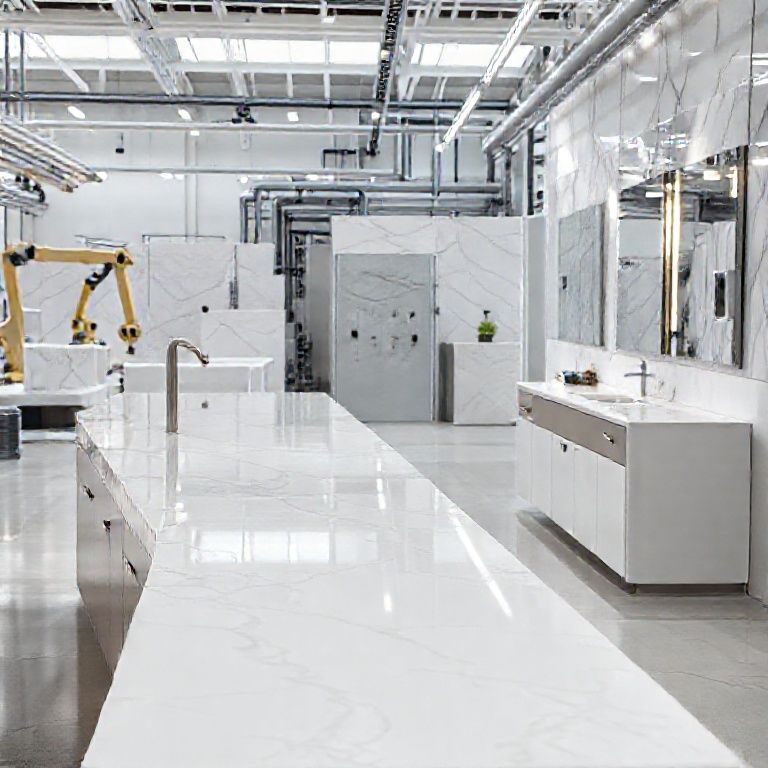
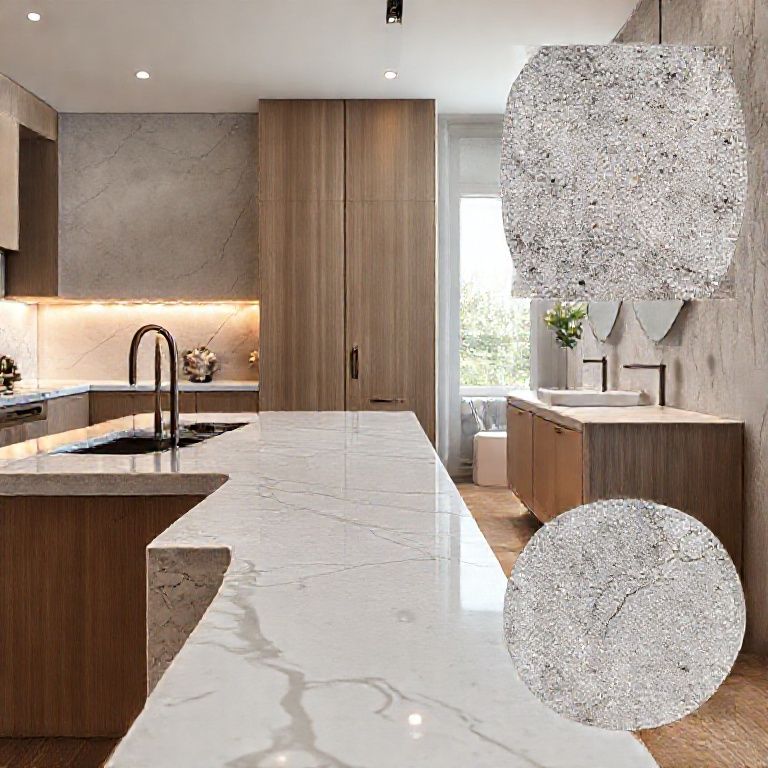
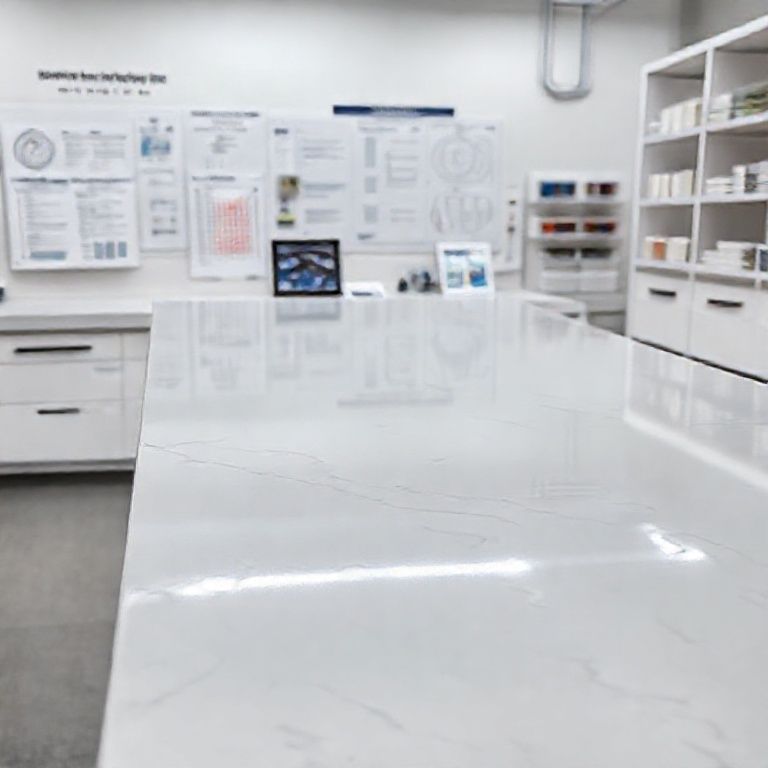
Artificial quartz, often referred to as quartzite or quartz stone, is a man-made composite material made from 93% quartz powder and a polymer binder. It is engineered to mimic the look and feel of natural stone while offering superior durability and resistance to scratches, stains, and heat. The manufacturing process of artificial quartz allows for a wide range of colors, patterns, and finishes, making it a versatile option for various design applications.
Pricing Factors of Artificial Quartz
The cost of artificial quartz can vary based on several factors, including:
Material Composition: The primary ingredient, quartz powder, contributes significantly to the overall cost. Higher quality quartz powder results in a more premium product.
Manufacturing Process: The intricate process of combining quartz powder with a polymer binder to create a solid, durable surface adds to the cost. Advanced manufacturing techniques and technologies can drive up prices.
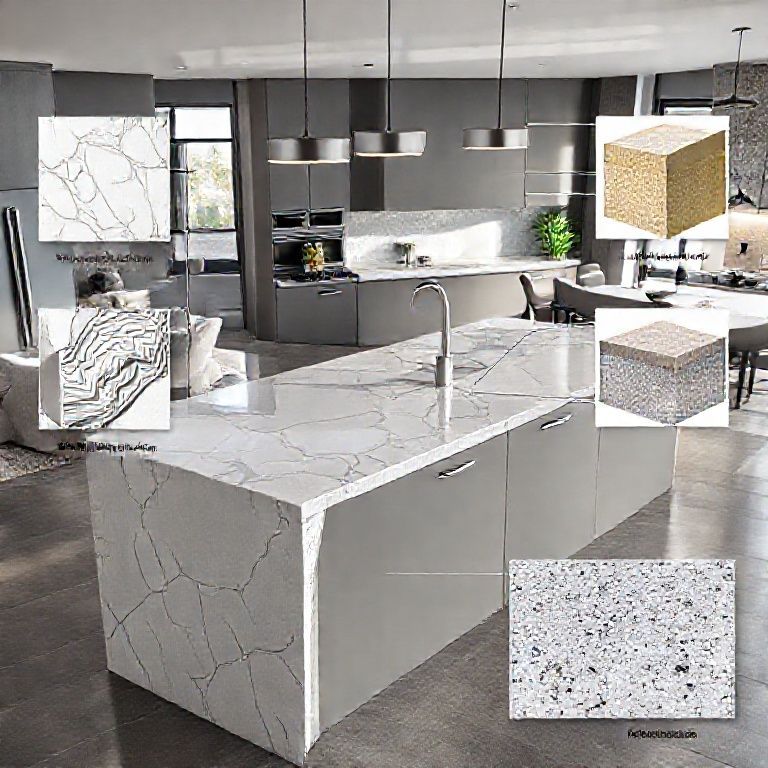
Customization: Custom colors and patterns can add to the expense, as they require additional processing and design elements.
Brand and Quality: Established brands with a reputation for quality and durability often command higher prices.
The Price of Natural Marble
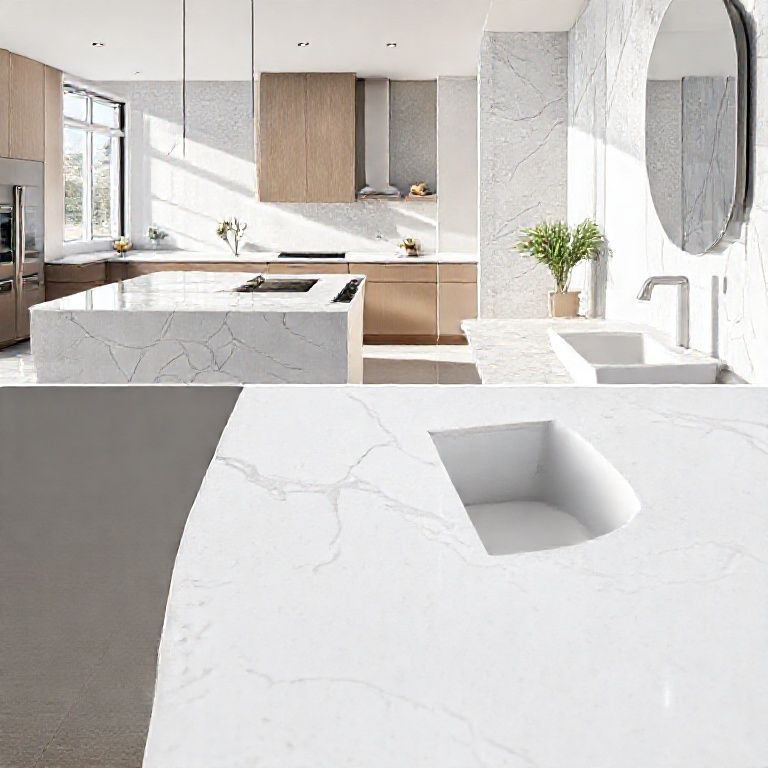
Natural marble is a metamorphic rock formed from limestone through a process of heat and pressure. It is prized for its natural beauty, veining, and texture. Marble has been a classic choice for luxury countertops, flooring, and decorative elements for centuries.
Pricing Factors of Marble
The cost of natural marble is influenced by several factors:
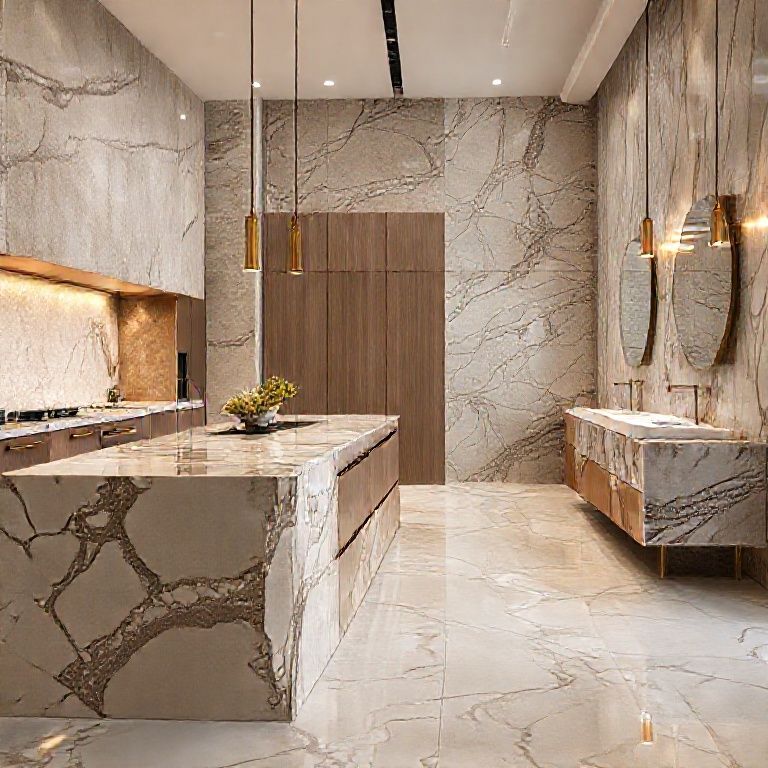
Quality and Rarity: Marble comes in various types, each with its unique characteristics. High-quality, rare marbles like Italian or Brazilian marble are naturally more expensive.
Color and Veining: Marble with intricate and appealing veining patterns is more sought after and, therefore, more costly.
Size and Quantity: Larger slabs or extensive installations will naturally incur higher costs.
Transport and Import Costs: Marble sourced from distant locations can have additional costs due to transportation and import taxes.
The Cost Comparison
When comparing the price of artificial quartz and natural marble, several points emerge:
Price Range: Generally, artificial quartz tends to be more affordable than high-quality natural marble. This is primarily due to the manufacturing process and material composition. While premium marble can cost several thousand dollars per square meter, high-quality artificial quartz can be obtained at a fraction of the price.
Durability and Maintenance: Artificial quartz offers a more durable and low-maintenance alternative to natural marble. The lower cost is often a reflection of its longevity and the ease of maintenance, which further makes it a compelling choice.
Customization: Artificial quartz provides unparalleled customization options. Homeowners and designers can choose from an extensive palette of colors and patterns without incurring the additional cost of sourcing rare natural marble.
Sustainability: Artificial quartz is a more sustainable option compared to natural marble. The production of marble involves significant environmental impacts, including mining and transportation. Artificial quartz, on the other hand, is produced in a controlled environment, reducing its carbon footprint.
Conclusion
While both artificial quartz and natural marble offer unique aesthetic and functional benefits, the price comparison highlights significant advantages for artificial quartz. Its affordability, durability, customization options, and sustainability make it an increasingly popular choice for modern interiors and commercial spaces. As we continue to explore innovative materials, artificial quartz stands out as a practical and stylish alternative to the traditional luxury of natural marble.
Stay tuned for the second part of this comparison, where we will delve deeper into the quality, maintenance, and design versatility of artificial quartz and natural marble, helping you make an informed decision for your next renovation project.
Comparing the Price of Artificial Quartz and Marble: Unveiling the Hidden Truths (Continued)
In the previous section, we explored the cost comparison between artificial quartz and natural marble. Now, let’s take a closer look at the quality, maintenance, and design versatility of both materials to further understand their unique advantages and potential drawbacks.
Quality and Durability
Artificial Quartz
Artificial quartz, also known as quartzite, is renowned for its exceptional durability. Composed of 93% quartz powder and a polymer binder, this material is engineered to withstand the rigors of everyday use. Unlike natural stone, which can chip, crack, or stain over time, artificial quartz offers a seamless, scratch-resistant surface that maintains its appearance indefinitely.
The high-pressure and high-temperature manufacturing process ensure that quartz is incredibly tough and resilient. This makes it an ideal choice for high-traffic areas such as kitchens and dining rooms, where durability is paramount. Moreover, artificial quartz does not react to acidic spills, making it a low-maintenance option for homeowners and businesses alike.
Natural Marble
Natural marble is celebrated for its natural beauty and timeless elegance. The intricate veining and unique patterns found in marble slabs contribute to its appeal. However, marble’s natural stone composition makes it more susceptible to scratches, stains, and acidic spills compared to artificial quartz. Over time, marble surfaces can develop stains, requiring frequent cleaning and maintenance to preserve their appearance.
Marble is also more prone to chipping and cracking, particularly when exposed to heavy use or dropped objects. This necessitates careful handling and sometimes the use of protective coatings to extend its lifespan. Despite these challenges, the aesthetic appeal of marble remains unmatched, making it a popular choice for high-end projects where natural beauty is a priority.
Maintenance Requirements
Artificial Quartz
One of the most significant advantages of artificial quartz is its low maintenance. Unlike natural marble, quartz surfaces do not require sealing or regular cleaning to maintain their appearance. A simple wipe-down with a damp cloth and mild soap is often sufficient to keep artificial quartz looking pristine.
The durability of quartz also means that repairs are minimal. If a minor scratch occurs, it can typically be buffed out with a fine-grit stone, ensuring that the surface remains flawless. This ease of maintenance is a substantial benefit for homeowners and businesses, reducing the time and cost associated with upkeep.
Natural Marble
In contrast, natural marble requires more regular maintenance to preserve its beauty and integrity. Marble countertops and surfaces need to be sealed periodically to protect against stains and spills. This involves applying a marble sealant that forms a protective barrier over the stone, preventing penetration of liquids and acids.
Cleaning marble surfaces also demands care. Harsh chemicals and abrasive cleaners can damage the stone, so it’s essential to use products specifically designed for marble. Regular cleaning with a pH-neutral marble cleaner and a soft cloth will help maintain the marble’s natural luster.
Design Versatility
Artificial Quartz
Artificial quartz offers unparalleled design versatility. The manufacturing process allows for an extensive range of colors, patterns, and textures that can mimic natural stone, wood, and even metal finishes. This flexibility makes artificial quartz suitable for a wide variety of design styles, from modern and minimalist to traditional and ornate.
Designers and homeowners can create custom designs that incorporate intricate patterns or mimic the unique characteristics of natural materials. This versatility means that artificial quartz can be tailored to fit any aesthetic vision, whether it’s a sleek kitchen island or an elegant dining table.
Natural Marble
While natural marble is prized for its unique beauty, it offers less versatility compared to artificial quartz. Each marble slab is unique, with its own veining and coloration. This means that while marble can be customized to some extent, it is inherently less versatile in terms of design flexibility. Marble’s natural beauty is a double-edged sword; while it can be stunning, it also means that every piece is one-of-a-kind, which can limit its application in larger, more uniform projects.
Sustainability Considerations
Artificial Quartz
Artificial quartz stands out as a more sustainable option compared to natural marble. The production of natural marble involves significant environmental impacts, including the extraction of limestone and the energy-intensive process of transforming it into marble. This process also generates considerable waste and emits greenhouse gases.
In contrast, artificial quartz is produced in a controlled environment, significantly reducing its carbon footprint. The manufacturing process does not require the extensive use of natural resources, making it a more eco-friendly choice. Additionally, the durability of artificial quartz means that it has a longer lifespan, further reducing the need for replacements and minimizing waste.
Natural Marble
The extraction and transportation of marble involve considerable environmental impacts. Mining operations can lead to habitat destruction and soil erosion. Transporting marble from distant locations adds to the carbon footprint and involves additional costs and logistical challenges.
Moreover, natural marble is a non-renewable resource. As the world moves towards sustainability, the use of non-renewable materials becomes less desirable. While natural marble offers a timeless beauty, its environmental资源消耗和环境影响使得它在可持续发展的考量中显得不太理想。
尽管如此,高质量的大理石仍然是许多高端建筑和装饰项目的首选,因为其独特的美学价值和历史文化背景。
经济性与投资回报
Artificial Quartz
在经济性方面,artificial quartz 通常比自然大理石更具有吸引力。尽管初始购买成本可能低于某些高档大理石,但长期来看,它的耐用性和低维护成本使其成为一种更具投资价值的选择。它可以减少未来的维修和更换费用,这在长期的经济规划中是一个重要的考虑因素。
Natural Marble
自然大理石虽然可能在初始成本上占优,但其高维护需求和易受损特性会增加后期的维护费用。由于大理石的自然特性,它可能需要定期的专业处理和保护,这不仅增加了运营成本,还可能在长期使用中导致不可预见的损坏和维修费用。
市场接受度与设计趋势
随着现代建筑和室内设计趋势的发展,人造石材如人造石英石逐渐受到更多设计师和消费者的青睐。这种趋势不仅体现在家庭装修中,也在商业空间、办公楼和公共建筑中广泛应用。设计师们越来越倾向于使用人造石英石,因为它不仅提供了广泛的设计可能性,还能满足现代建筑对材料耐用性和低维护的要求。
虽然人造石英石在现代设计中越来越受欢迎,但自然大理石在文化和历史背景中拥有独特的地位。大理石在历史上被广泛用于建筑和艺术品,是古希腊、罗马以及文艺复兴时期的重要材料。它代表了奢华和高雅,在许多文化中象征着权力和地位。
结论
在选择artificial quartz 和 natural marble 时,需综合考虑材料的经济性、耐用性、维护要求、设计灵活性以及文化背景。人造石英石因其经济性、耐用性和低维护特性在现代建筑和室内设计中越来越受欢迎,而大理石则因其独特的美学价值和历史文化背景仍然具有不可替代的地位。
最终的选择应根据具体项目的需求、预算以及设计理念来决定。无论选择哪种材料,都应关注其对环境的影响和长期的经济效益。