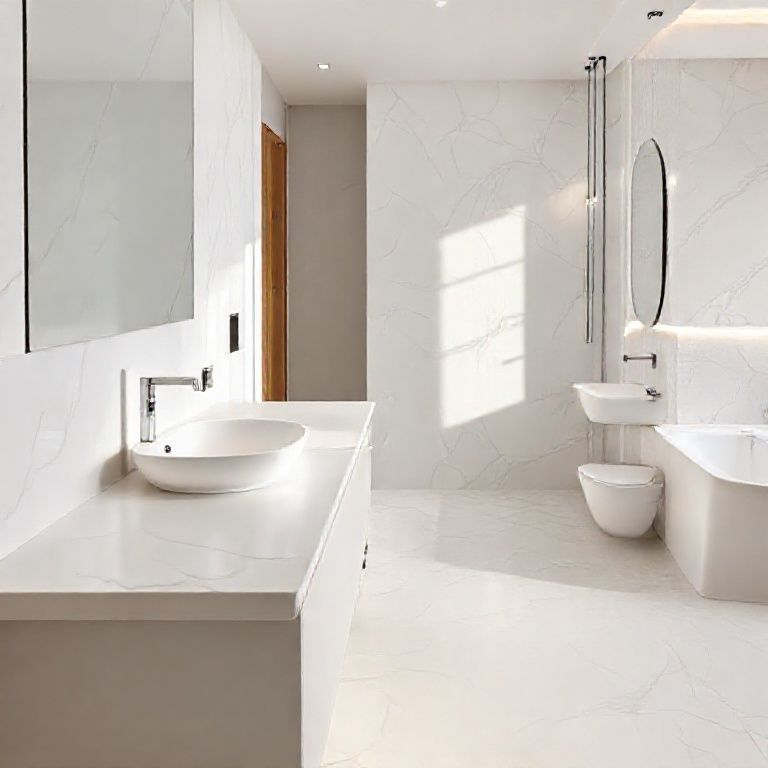
Advantages of Artificial Stone Countertops
Artificial stone countertops have revolutionized modern kitchen and bathroom design, offering a stunning blend of durability, aesthetic versatility, and cost-effectiveness. Here’s an in-depth look at the primary advantages of these innovative surfaces.
Durability
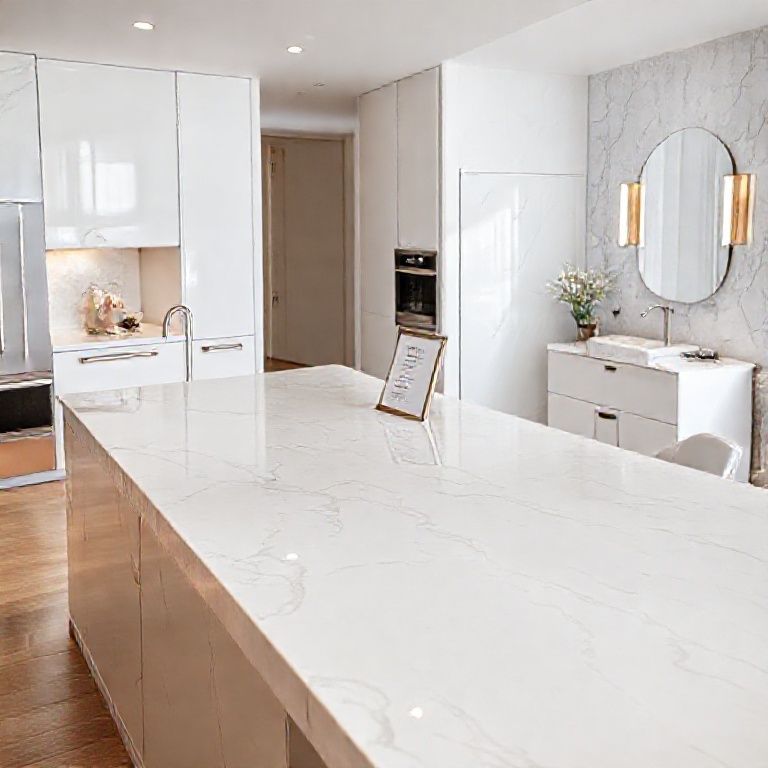
One of the most compelling reasons to choose artificial stone countertops is their exceptional durability. Unlike traditional materials like granite or marble, artificial stone is significantly more resistant to scratches, stains, and chips. It’s composed of a composite material that combines natural stone with resin, creating a surface that is both tough and resilient. This means that artificial stone countertops can withstand heavy usage without showing signs of wear and tear, making them an ideal choice for high-traffic areas such as kitchens and dining rooms.
Aesthetic Versatility
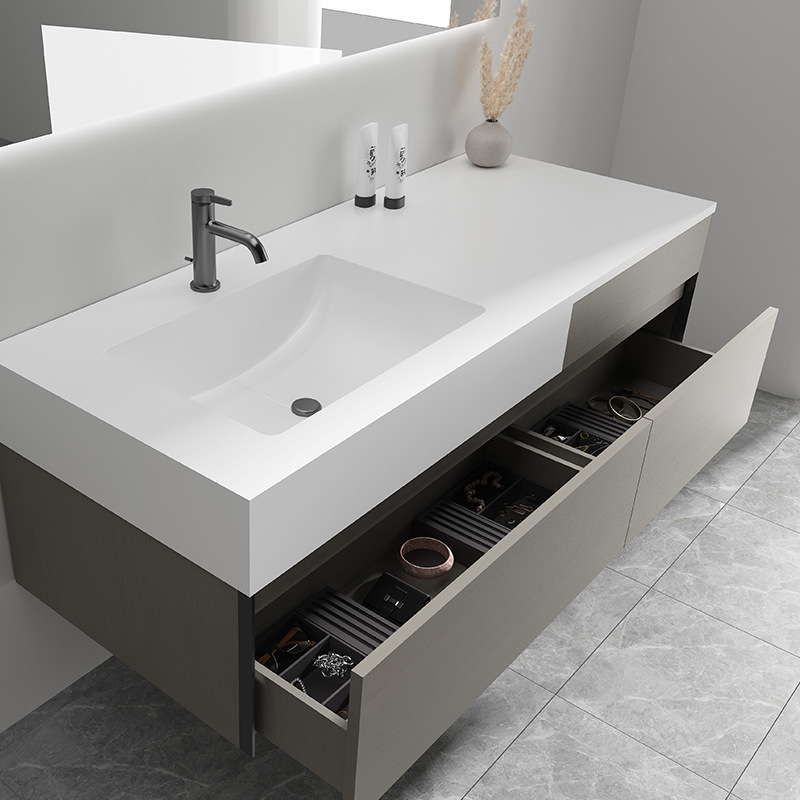
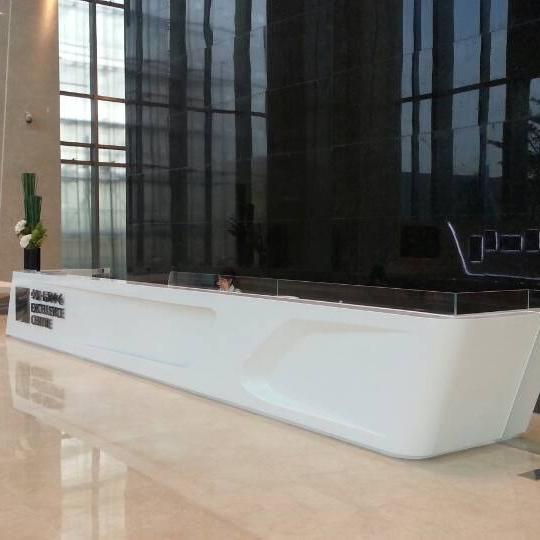
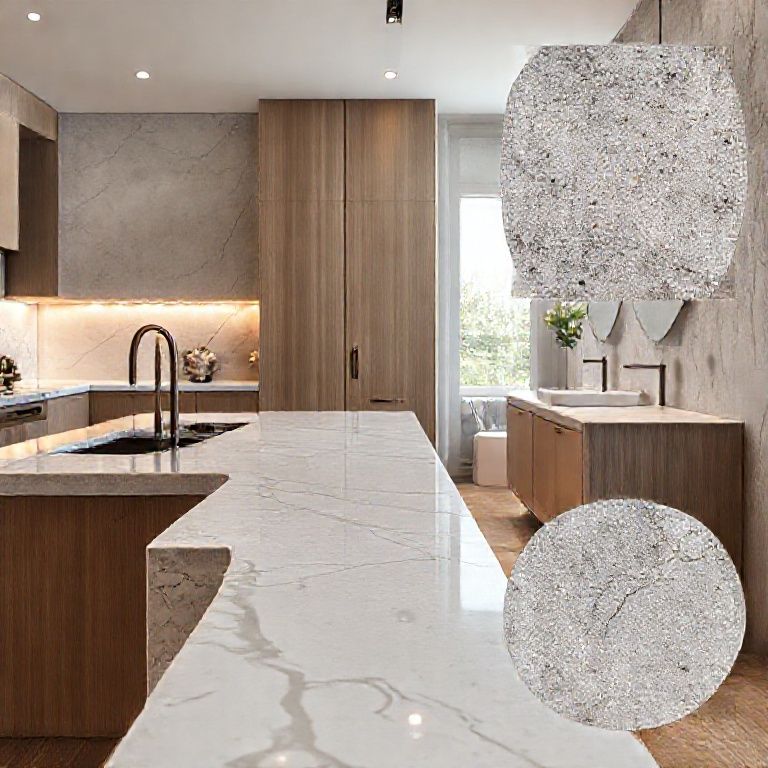
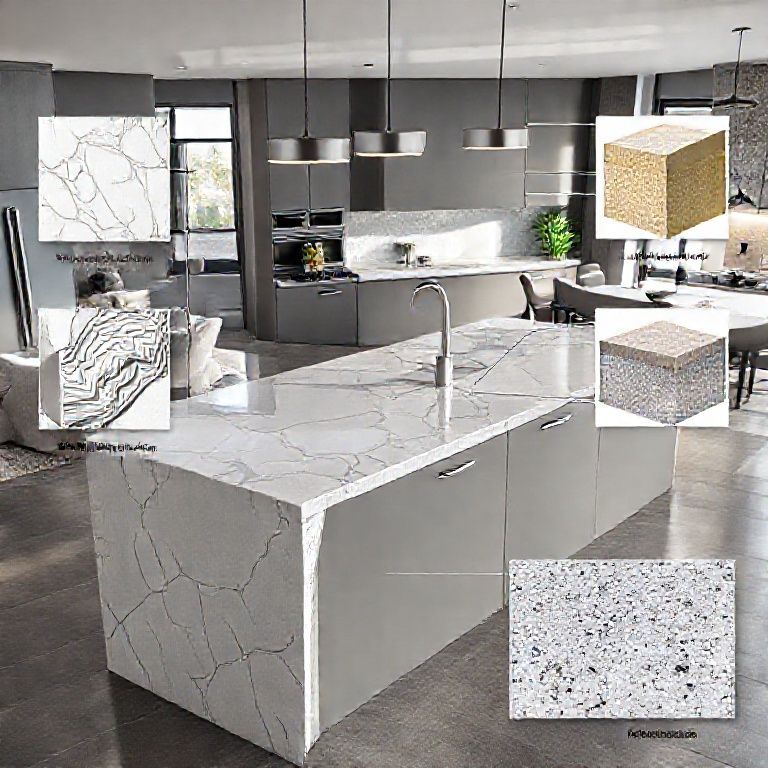
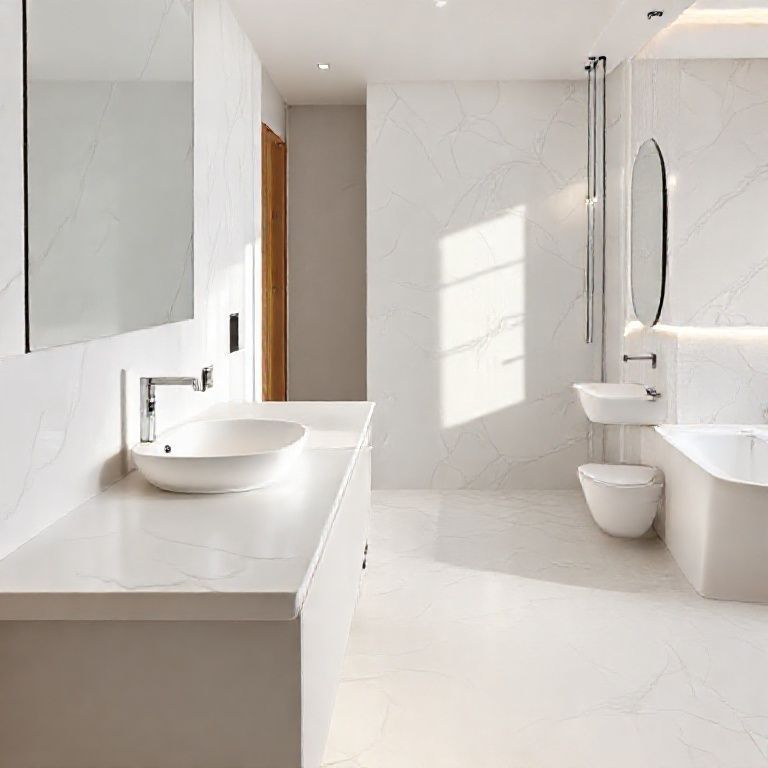
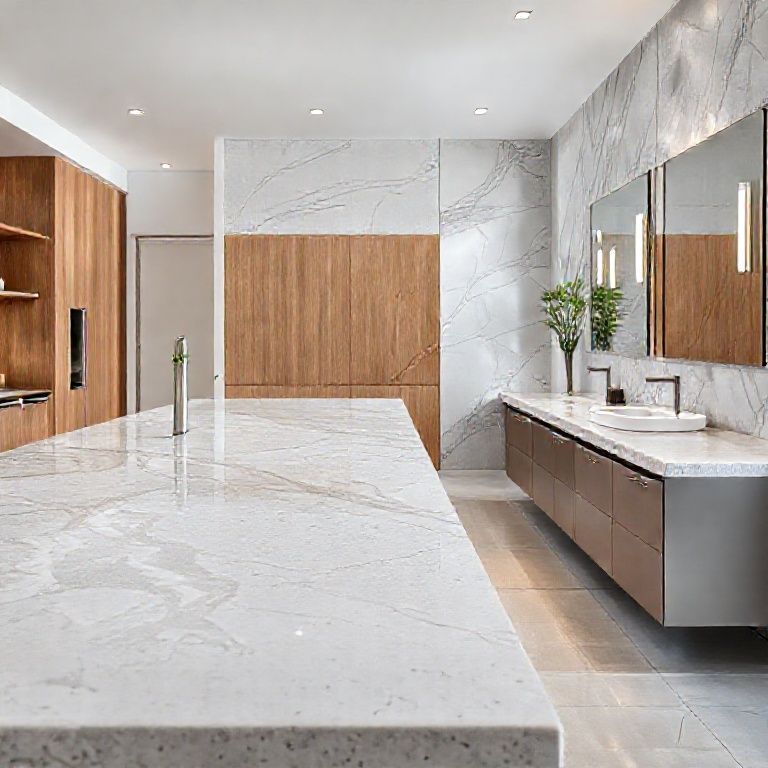
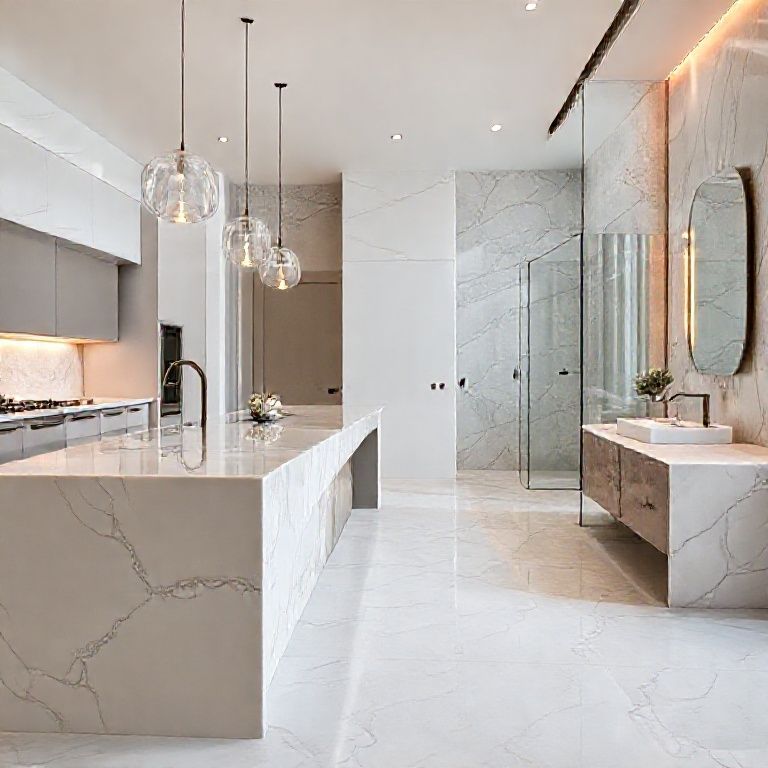
Artificial stone countertops offer unparalleled aesthetic versatility. With a wide range of colors, textures, and finishes available, you can mimic almost any natural stone look. Whether you’re aiming for the sleek, modern appearance of granite or the intricate veining of marble, artificial stone can be customized to meet your design needs. This flexibility allows for creative expression and helps maintain a cohesive look across different elements of your home.
Cost-Effectiveness
While high-quality natural stone countertops can come with a hefty price tag, artificial stone provides a cost-effective alternative without compromising on quality. The production process of artificial stone is more economical, allowing manufacturers to offer competitive pricing. Additionally, since artificial stone requires less maintenance and has a longer lifespan, it ultimately saves money over time by reducing the need for frequent replacements and repairs.
Easy to Install
Another significant advantage of artificial stone countertops is the ease of installation. Unlike natural stone, which often requires specialized techniques and tools for installation, artificial stone can be cut and shaped with standard tools. This makes it a practical choice for DIY enthusiasts or those looking to minimize professional installation costs. Additionally, the lightweight nature of artificial stone simplifies the installation process, reducing labor time and costs.
Water Resistance
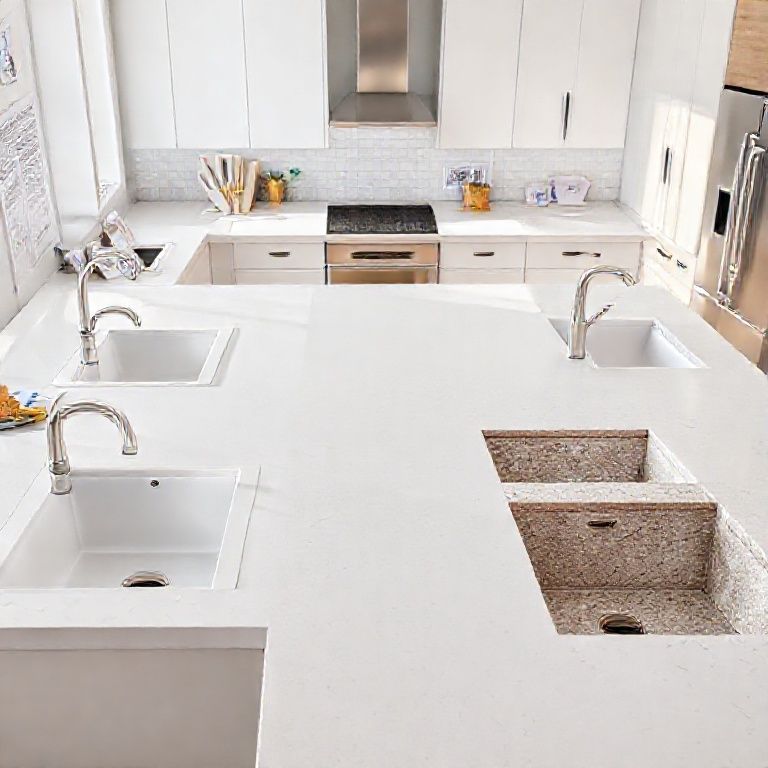
Artificial stone is inherently water-resistant, which makes it an excellent choice for kitchens and bathrooms. Unlike natural stone, which can absorb water and develop stains or weaken over time, artificial stone retains its appearance and integrity even with frequent exposure to moisture. This property ensures that your countertops remain clean and pristine, even after years of daily use.
Eco-Friendly Option
From an environmental perspective, artificial stone offers a sustainable alternative to natural stone. The production of natural stone involves significant environmental impact, including land disturbance and water usage. In contrast, artificial stone uses recycled materials and has a lower carbon footprint. This makes artificial stone a more eco-friendly option for environmentally conscious consumers.
Disadvantages of Artificial Stone Countertops
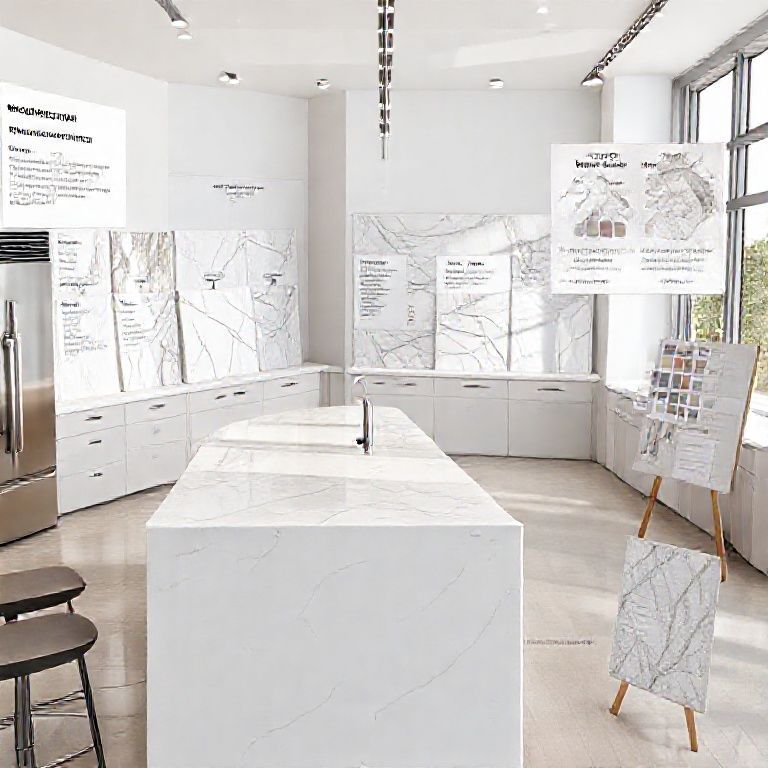
While artificial stone countertops offer numerous advantages, it’s important to consider the potential drawbacks before making a decision. This part of the analysis focuses on the maintenance, environmental impact, and other limitations associated with artificial stone.
Maintenance
Despite their durability, artificial stone countertops do require some level of maintenance to keep them looking their best. Unlike natural stone, which can be sealed and polished to enhance its natural beauty, artificial stone often requires regular cleaning to prevent the buildup of grease and grime. It’s essential to use appropriate cleaning agents to avoid damaging the surface. While the maintenance requirements are generally straightforward, they do necessitate regular attention to ensure the countertops remain in top condition.
Environmental Impact
Although artificial stone is considered more eco-friendly than natural stone due to its lower carbon footprint, it’s not entirely free from environmental concerns. The production of artificial stone involves the use of resins and other chemicals, which can pose environmental risks if not handled properly. Additionally, the disposal of artificial stone at the end of its life cycle can be challenging, as it may not be easily recyclable in all regions. It’s important to research local recycling options and consider the lifecycle of artificial stone to make an informed decision.
Heat Resistance
One of the potential drawbacks of artificial stone countertops is their limited heat resistance. While they can withstand moderate heat, prolonged exposure to high temperatures can cause the surface to crack or deform. This makes artificial stone less suitable for areas where hot pots or pans are frequently placed directly on the countertop. To avoid damage, it’s advisable to use trivets or other heat-resistant pads when placing hot items on the surface.
Aesthetic Limitations
While artificial stone offers a wide range of colors and textures, it may not perfectly replicate the unique beauty of natural stone. The veining and patterns in natural stone are often more intricate and varied, which can be difficult to replicate exactly. Although advancements in artificial stone technology have improved its aesthetic appeal, some purists may still prefer the natural look and feel of genuine stone.
Weight and Installation Challenges
Although artificial stone is generally lightweight compared to natural stone, it can still be cumbersome to handle, especially for large countertops. The installation process may also be more complex than anticipated due to the need for precise cutting and fitting. While professional installation is recommended to ensure a flawless finish, the overall process may be more labor-intensive than expected.
Cost Variability
While artificial stone is often more affordable than natural stone, the cost can vary significantly depending on the brand, quality, and design. Some high-end artificial stone products can be priced similarly to premium natural stone, making it essential to research and compare options thoroughly. Additionally, the initial cost savings may be offset by higher maintenance costs or the need for more frequent replacements if the product quality is not up to par.
Potential for Surface Damage
Although artificial stone is highly durable, it’s not completely immune to surface damage. While it’s more resistant to scratches and chips than natural stone, it can still be affected by sharp objects or heavy impacts. It’s crucial to use appropriate protective measures, such as cutting boards and coasters, to prevent damage to the surface over time.
In conclusion, artificial stone countertops present a compelling alternative to traditional natural stone options, offering remarkable durability, aesthetic versatility, and cost-effectiveness. While they do have some limitations in terms of maintenance, environmental impact, and heat resistance, their overall advantages make them a popular choice for many homeowners. By carefully considering these pros and cons, you can make an informed decision that best suits your needs and preferences. Whether you’re looking to upgrade your kitchen or bathroom, artificial stone provides a stylish and practical solution that stands up to the test of time.