Understanding the Causes and Initial Assessment
Artificial stone countertops have gained immense popularity due to their durability, aesthetic appeal, and cost-effectiveness. However, like any material, they are susceptible to cracks, which can be caused by various factors. In this part, we will explore the common causes of cracks in artificial stone countertops and how to conduct an initial assessment to determine the extent of the damage.
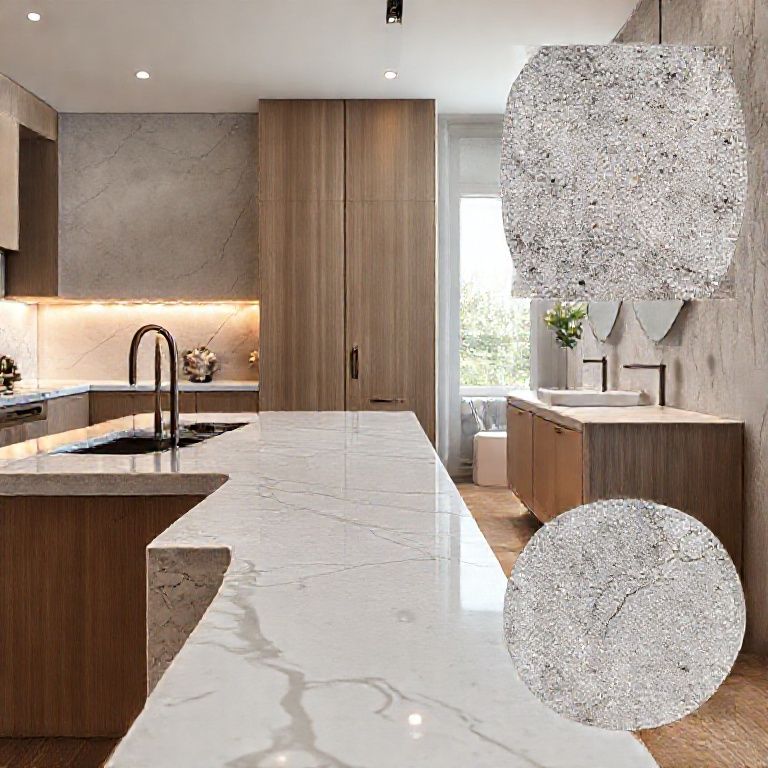
Common Causes of Cracks in Artificial Stone Countertops
1. Physical Impact: The most frequent cause of cracks in artificial stone is physical impact. Dropping heavy objects, such as pots and pans, or even a sudden jolt can cause a crack to form. The impact creates stress points that can propagate through the material, leading to a visible crack.
2. Thermal Stress: Artificial stone countertops are sensitive to rapid temperature changes. Placing a hot pot directly on a cold countertop or vice versa can cause thermal shock, leading to cracks. This is particularly common in kitchens where hot dishes are frequently handled.
3. Manufacturing Defects: Although rare, manufacturing defects can cause cracks in artificial stone countertops. These defects might include uneven mixing of the stone composition or improper curing processes. High-quality manufacturers minimize these risks, but they can still occur.
4. Improper Installation: Improper installation practices can also lead to cracks. If the countertop is not properly secured to the cabinet or if there are uneven edges, it can create stress points that lead to cracks over time.
Initial Assessment and Extent of Damage
1. Visual Inspection: The first step in assessing the damage is a thorough visual inspection. Look for cracks that may be subtle at first but can grow over time. Pay attention to the size, length, and depth of the crack. Also, check for any signs of spalling or flaking around the crack.
2. Stress Points: Identify any areas around the crack that may be weak points. Stress points can be caused by uneven edges, improper installation, or manufacturing defects. These areas are more susceptible to further cracking and should be prioritized in the repair process.

3. Structural Integrity: Evaluate the structural integrity of the countertop. If the crack is deep or if multiple cracks are present, it may indicate a more significant underlying issue that could compromise the countertop’s stability. In such cases, it’s essential to consult a professional for a thorough evaluation.
Preparing for Repair
1. Clean the Area: Before any repair process, clean the affected area thoroughly. Remove any dirt, debris, or residue around the crack. This ensures that the repair material adheres properly and prevents contamination.
2. Gather Tools and Materials: Depending on the extent of the damage, you may need specific tools and materials. For minor cracks, a crack filler or epoxy resin might suffice. For more extensive damage, you may need a repair kit that includes a stone filler, sanding tools, and polishing equipment.

3. Safety Precautions: When working with repair materials, always follow safety guidelines. Wear protective gear such as gloves, safety goggles, and a mask to prevent inhalation of dust and chemicals.
Cost Factors in Artificial Stone Countertop Repair
1. Severity of Damage: The cost of repairing an artificial stone countertop largely depends on the severity of the crack. Minor cracks can be repaired relatively inexpensively using crack fillers or epoxy resins. However, extensive cracks that compromise the structural integrity of the countertop will require more advanced repair techniques and materials, leading to higher costs.
2. Size of the Countertop: The size of the countertop also plays a crucial role in determining the repair cost. Larger countertops may require more materials and labor, increasing the overall cost. Conversely, smaller countertops typically have lower repair costs.
3. Type of Repair Material: Different types of repair materials come with varying price tags. High-quality epoxy resins and fillers that closely match the original stone color will cost more than generic alternatives. The choice of material can significantly impact the final repair cost.
4. Labor Costs: Professional repair services will have labor costs that can vary based on the complexity of the repair and the expertise required. In areas with high labor costs, the repair price might be higher.
5. Warranty and Guarantees: Some repair services offer warranties or guarantees on their work. While this adds an extra cost, it ensures that the repair is done to a high standard and provides peace of mind that the work will last.
Advanced Repair Techniques and Long-Term Maintenance
In the first part of our guide, we explored the causes of cracks in artificial stone countertops and the initial assessment process. In this second part, we will delve into advanced repair techniques and discuss long-term maintenance strategies to ensure the longevity and aesthetic appeal of your artificial stone countertops.
Advanced Repair Techniques
1. Epoxy Resin Repair: Epoxy resin is a popular choice for repairing cracks in artificial stone countertops. This method involves mixing the resin according to the manufacturer’s instructions and injecting it into the crack. Once cured, the resin is sanded and polished to blend seamlessly with the original countertop surface.
2. Stone Filler and Bonding: For more extensive damage, a stone filler or bonding agent can be used. This involves removing the cracked section and replacing it with a new piece of stone. The filler is applied to create a smooth, even surface that matches the original countertop. This method is often used when the crack is too deep for a simple filler repair.
3. Professional Restoration Services: In cases of severe damage, professional restoration services might be required. These services often include the following steps:
a. Crack Injection: High-pressure injection is used to fill deep cracks with a specialized material that hardens and restores the integrity of the countertop.
b. Chipping and Cutting: For extensive damage, the cracked section may need to be chipped and cut out. A new piece of stone is then installed, and the surface is polished to match the original finish.
c. Polishing and Finishing: Professional polishers ensure that the repaired area matches the surrounding surface perfectly. They use specialized equipment to achieve a smooth, shiny finish that restores the countertop’s aesthetic appeal.
Long-Term Maintenance Strategies
1. Regular Cleaning: Maintaining a clean countertop is essential to prevent damage. Use a mild detergent and warm water to clean the surface regularly. Avoid using abrasive cleaners or sponges that can scratch the stone.
2. Protective Coatings: Applying a protective coating can help to prevent future cracks. These coatings create a barrier that protects the stone from spills, scratches, and stains. Choose a high-quality, food-safe sealant that enhances the countertop’s durability.
3. Proper Handling: To avoid physical impact, always use pot holders when handling hot items. Avoid placing heavy objects directly on the countertop and use cutting boards or pads when cutting food.
4. Immediate Repair: If a crack does occur, it’s essential to repair it promptly. Small cracks can be repaired relatively easily and inexpensively. However, ignoring cracks can lead to more extensive damage that requires costly repairs.
5. Regular Inspections: Regularly inspect your artificial stone countertops for any signs of wear or damage. Early detection can prevent minor issues from becoming major problems.
Cost Considerations for Long-Term Maintenance
1. Cleaning Supplies: The cost of regular cleaning supplies is minimal. A mild detergent, warm water, and a soft cloth are all that’s needed for routine maintenance.
2. Protective Coatings: Investing in a high-quality protective coating will pay off in the long run. While the initial cost might be higher than using cheaper alternatives, the protection it provides will prevent costly repairs and extend the life of your countertop.
3. Professional Maintenance Services: For those who prefer not to handle maintenance themselves, professional cleaning and inspection services are available. These services typically charge a fee for their expertise, but they ensure that your countertop remains in excellent condition.
4. Emergency Repairs: Unexpected damage can happen, and in such cases, it’s important to have a plan in place for emergency repairs. Having a list of reputable repair services and knowing their costs can save you time and money in the long run.
Final Thoughts
Repairing cracks in artificial stone countertops is a task that requires careful consideration and attention to detail. By understanding the causes of cracks, conducting a thorough initial assessment, and employing advanced对于人造石台面的裂缝修补,正确的方法和材料选择可以显著提高修复后的台面质量,并延长其使用寿命。
修补材料和工具
修补胶和填充剂: 高质量的修补胶和填充剂是修复裂缝的关键。选择那些专门为人造石设计的产品,确保它们能够与台面材料兼容。 一些品牌提供专门的修补胶,这些胶通常能够提供更好的附着力和耐久性。 砂纸和打磨工具: 使用细砂纸(如220目或更高)打磨修复区域,以确保修补材料能够均匀附着。
电动打磨工具或手持打磨器可以加速这一步骤,同时提供更精确的控制。 抛光工具: 修复完成后,需要使用抛光工具将台面恢复到光滑的、美观的状态。 使用抛光膏和抛光机可以有效地提升台面的光泽度。 清洁工具: 清洁工具如橡皮擦和清洁布可以用来清除修补过程中的灰尘和残留物。
修补步骤
清洁台面: 在开始修补前,确保台面干净无污。使用温和的清洁剂和水清洗,然后用干布擦干。 准备修补材料: 根据裂缝的大小和深度,选择合适的修补胶和填充剂。确保材料在使用前符合说明书上的要求。 填补裂缝: 使用胶枪或小刷子将修补胶填充到裂缝中。
如果裂缝较深,可能需要多次填充并让每层干燥。 打磨修复区域: 当修补材料完全干燥后,使用细砂纸轻轻打磨修复区域,使其与原始台面表面一致。 抛光台面: 使用抛光工具和抛光膏将台面抛光至光滑。这一步可以显著提升台面的外观和耐用性。
预防未来损坏
正确安装: 确保人造石台面在安装时使用适当的粘合剂和支撑结构。这有助于减少由于安装不当导致的裂缝。 使用保护垫: 在放置热物品或重物时,使用热垫或保护垫,以避免热胀冷缩导致的裂缝。 定期维护: 定期清洁和检查台面,及时处理小裂缝和损坏,可以有效预防大裂缝的形成。
避免使用钢铁厨具: 使用钢铁或其他硬物直接接触台面会造成划痕和裂缝,建议使用木质或硅胶铲。
总结
修补人造石台面的裂缝需要精确的技术和高质量的材料。通过正确的修补步骤和长期的维护,你可以延长台面的使用寿命,保持其美观和功能性。无论是DIY修补还是寻求专业服务,了解上述的注意事项和技巧都能帮助你做出最佳的选择。