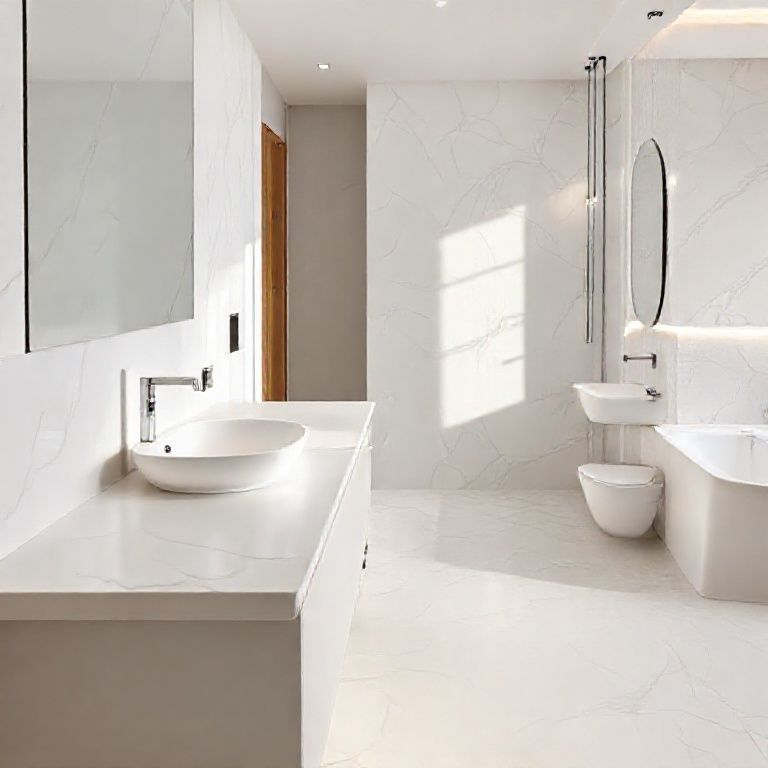
Introduction to Artificial Stone Countertops
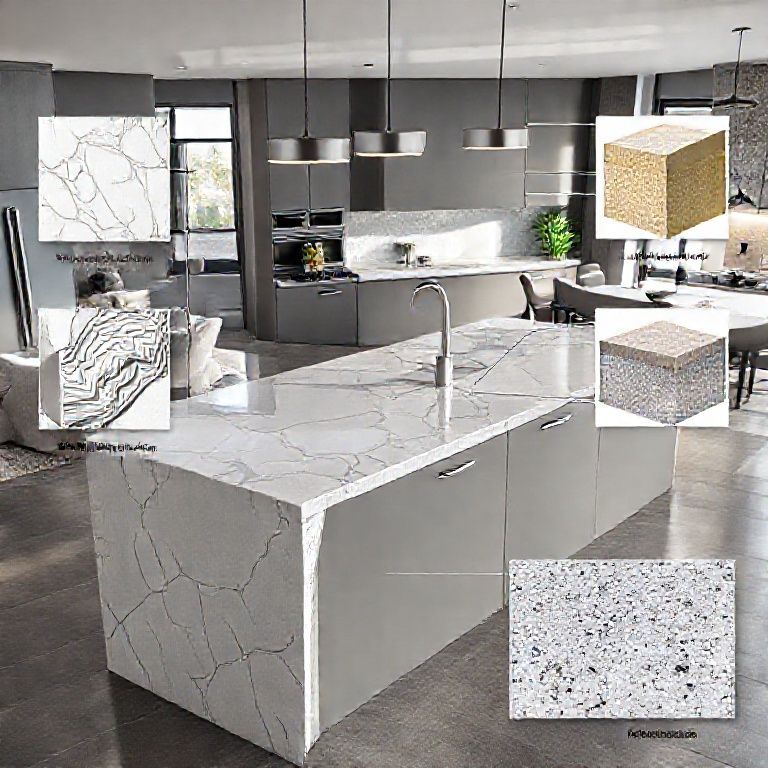
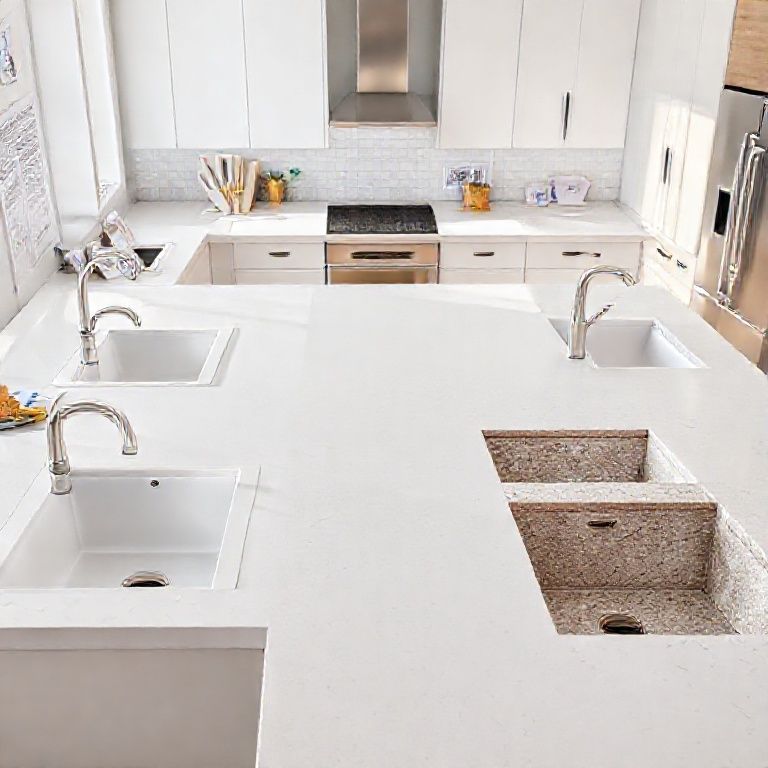
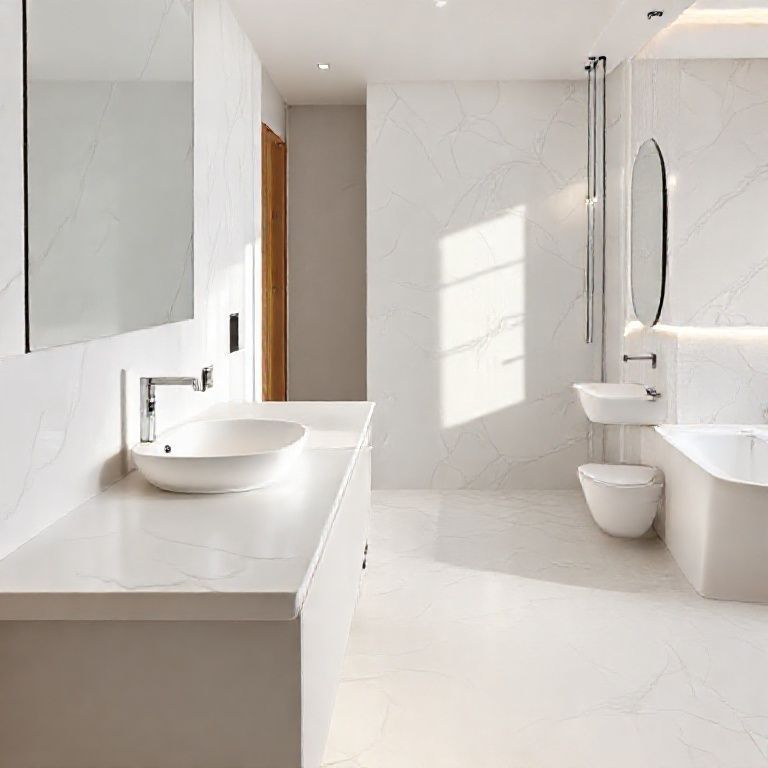
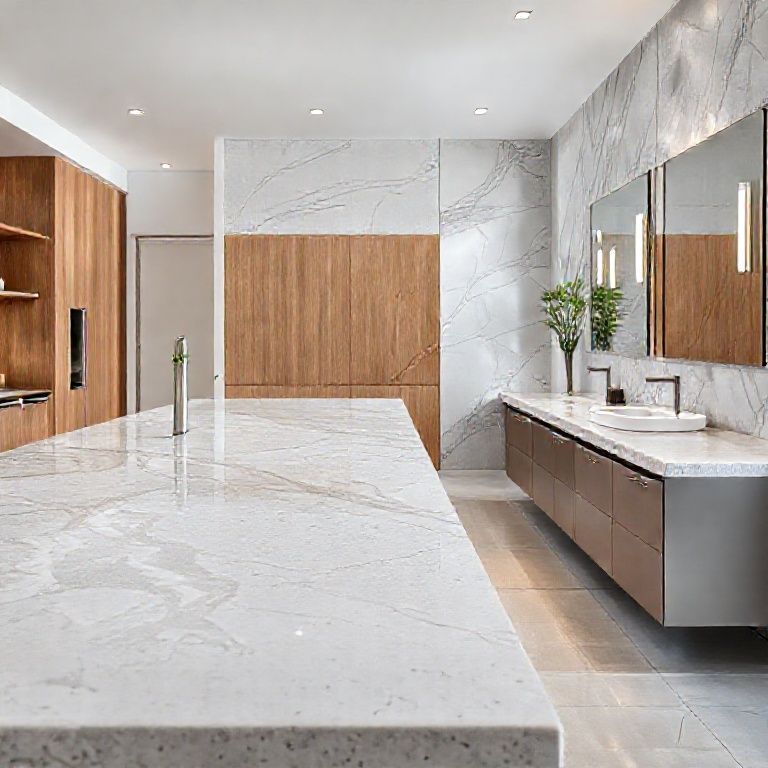
Artificial stone countertops have revolutionized the way we think about kitchen and bathroom surfaces. Combining the durability of natural stone with the flexibility of modern materials, these countertops offer a stunning aesthetic while providing a practical solution to everyday wear and tear. Let’s explore the key benefits and some potential drawbacks of artificial stone, helping you make an informed decision for your next renovation project.
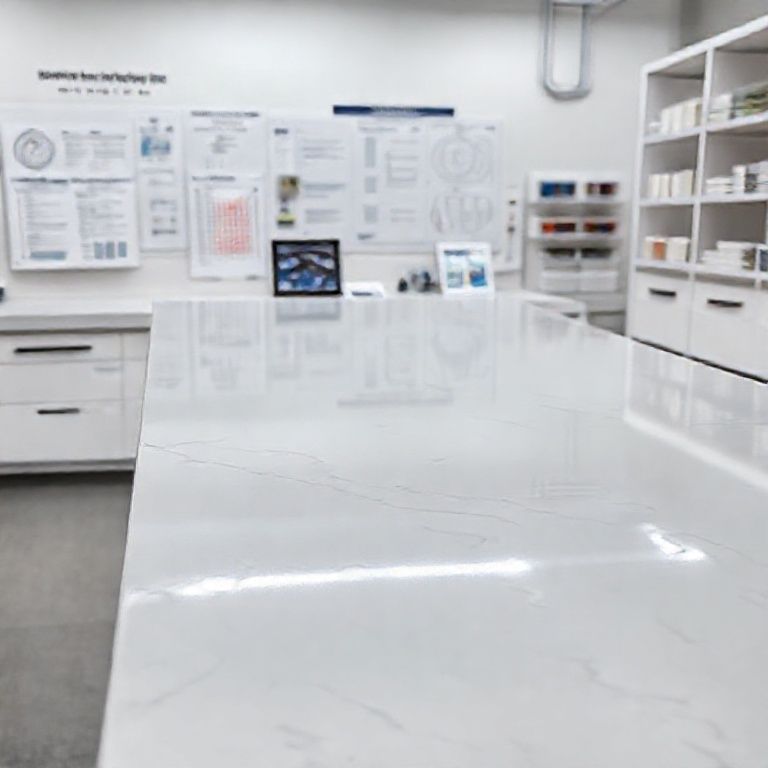
Advantages of Artificial Stone Countertops
Durability and Hardness: One of the standout features of artificial stone countertops is their exceptional durability. Unlike natural stone, artificial stone is less prone to scratches, chips, and cuts. This makes it an ideal choice for high-traffic areas where wear and tear are common. The hardness of artificial stone ensures longevity, reducing the need for frequent repairs.
Water Resistance: Artificial stone is inherently water-resistant, which means it doesn’t absorb liquids like granite or marble might. This property makes it easier to clean and maintain, especially in areas where spills are frequent. It also means that artificial stone countertops are less likely to develop water rings or stains.
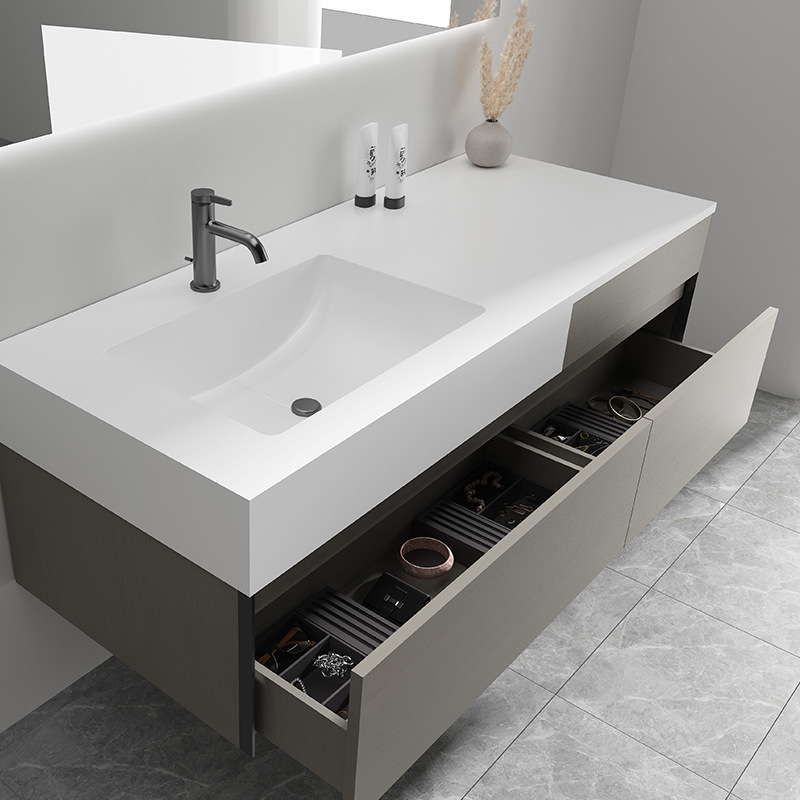
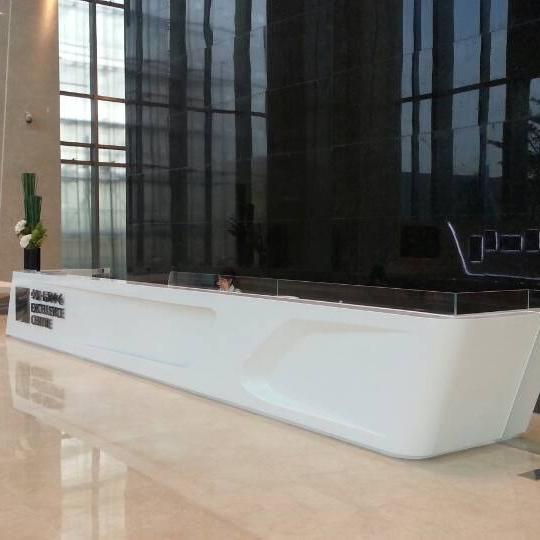
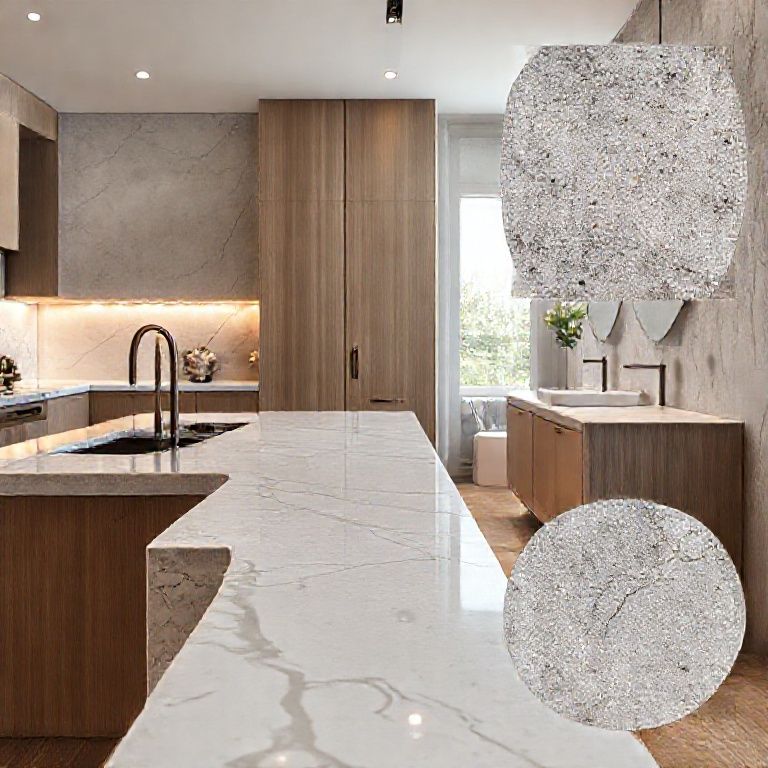
Aesthetic Variety: Artificial stone comes in an impressive array of colors, patterns, and finishes that mimic natural stone. From the classic look of marble to the exotic appeal of onyx, these countertops can be customized to match any style or preference. They also offer the advantage of incorporating unique designs that might be too complex or costly for natural stone.
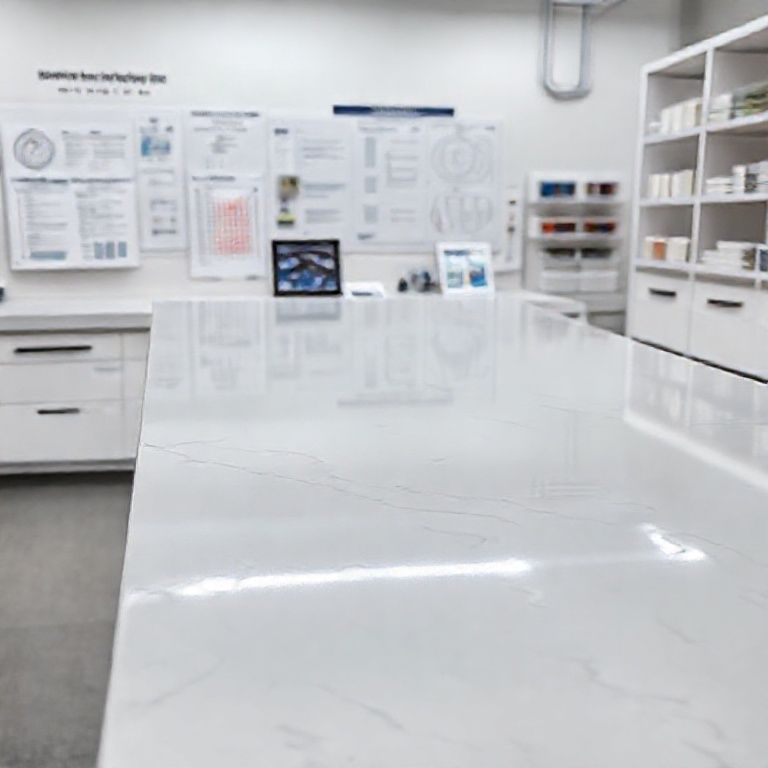
Cost-Effectiveness: While the initial cost of artificial stone countertops might be higher than some other materials, the long-term savings in maintenance and repair can offset this. The durability and low maintenance requirements mean fewer expenses over time, making it a cost-effective choice in the long run.
Ease of Installation: Artificial stone countertops are relatively easy to install, even for those without professional experience. The material is lightweight, which simplifies the installation process, and it can often be cut and shaped on-site to fit specific spaces. Additionally, many types of artificial stone can be glued directly to existing surfaces, providing a seamless upgrade.
Disadvantages of Artificial Stone Countertops
Heat Sensitivity: While artificial stone is durable, it is not as heat-resistant as natural stone. Items that generate high heat, such as hot pots or pans, should not be left on the surface for extended periods to avoid scorching or discoloration. This limitation requires careful consideration if you plan to use your countertops for cooking.
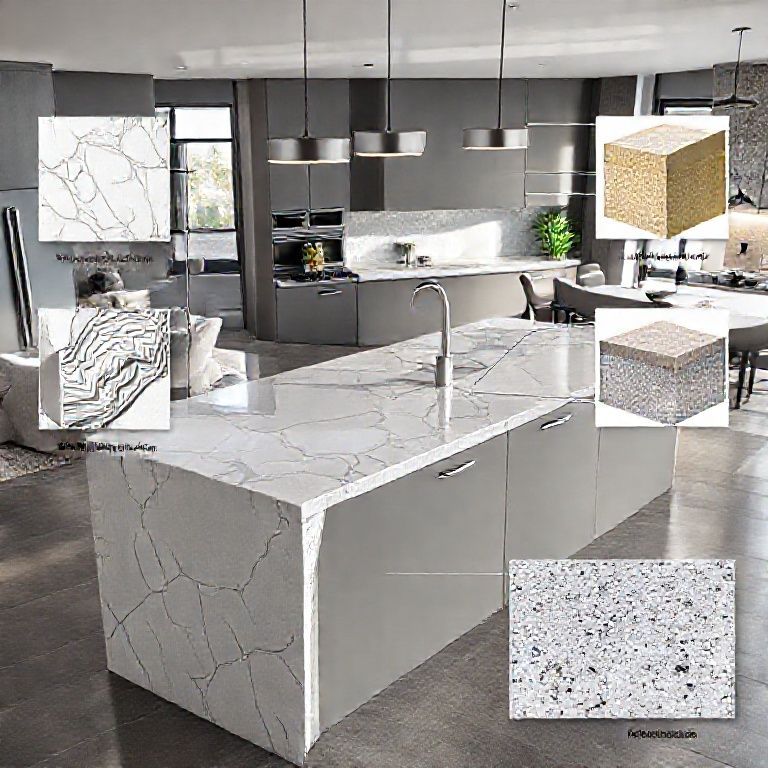
Aesthetic Limitations: Despite the variety of designs, artificial stone might not perfectly replicate the unique texture and appearance of natural stone. Some enthusiasts prefer the natural beauty and character of materials like marble or granite, which artificial stone can’t fully capture.
Chemical Resistance: Although artificial stone is resistant to water, it is not entirely immune to chemicals. Strong acids or solvents should be avoided, as they can potentially damage the surface. This necessitates careful handling of cleaning products to maintain the countertop’s appearance.
Weight: Despite being lightweight compared to natural stone, artificial stone is still heavier than some other countertop materials like quartz or laminate. This might require additional support in certain installations.
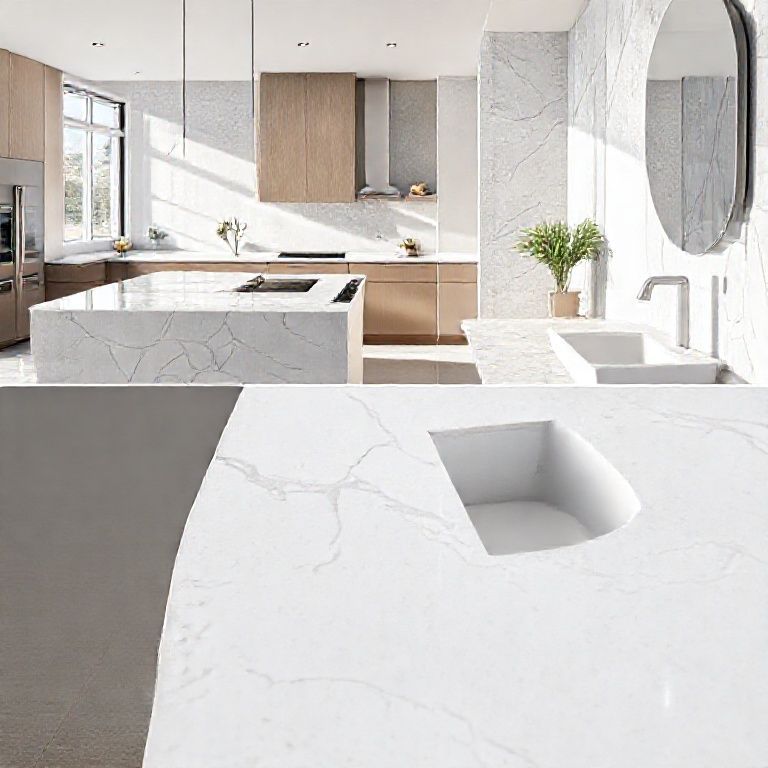
Cleaning and Maintenance of Artificial Stone Countertops
Proper care and maintenance are essential to keep artificial stone countertops looking their best. Here are some effective cleaning and maintenance tips:
Regular Cleaning: Wipe down artificial stone countertops with a soft cloth and a mild, non-abrasive cleaner to remove daily spills and stains. For tougher spots, a soft-bristled brush can help dislodge stubborn residues without scratching the surface.
Avoiding Harsh Chemicals: To prevent damage, avoid using harsh cleaning agents, bleach, or acidic substances on artificial stone. These can strip away the surface finish or cause discoloration. Opt for specialized stone cleaners designed for this purpose.
Immediate Spill Management: For spills that contain liquids, especially those with high acidity, it’s important to clean them up promptly to prevent staining. A quick wipe with a damp cloth can go a long way in maintaining the surface’s appearance.
Sealing the Surface: Although artificial stone is generally resistant to stains, sealing the surface can provide an extra layer of protection. Regular sealing, typically every six months, can help maintain the countertop’s shine and resistance to minor spills.
Handling Heat: To avoid scorching or discoloration from high heat, avoid placing hot pots or pans directly on the surface. If cooking is a frequent activity, consider placing a heat-resistant mat or trivet between the heat source and the countertop.
In-Depth Analysis of Artificial Stone Countertops
Artificial stone countertops have made significant inroads into the market due to their blend of durability, aesthetic appeal, and practicality. This second part will delve deeper into the advantages, disadvantages, and maintenance considerations of artificial stone, offering a thorough understanding to help you decide if this material is right for your home or business.
Advanced Durability and Aesthetic Benefits
Superior Resistance to Impact and Scratches: Artificial stone’s composite nature provides exceptional resistance to impact and scratches. Unlike natural stone, which can chip easily, artificial stone retains its integrity even under significant wear. This makes it an excellent choice for high-use areas such as kitchens and bathrooms where durability is paramount.
Customization and Design Flexibility: One of the most attractive aspects of artificial stone is its versatility in design. Manufacturers can mold and color artificial stone to create a wide range of textures and finishes, allowing homeowners and designers to choose from countless options to match their aesthetic preferences. Whether you prefer the elegance of marble, the warmth of quartz, or the uniqueness of custom designs, artificial stone can be tailored to fit.
Low Maintenance: Artificial stone countertops require minimal maintenance compared to other materials. The water-resistant nature of the material means that spills and stains can be easily wiped away without the risk of water rings or long-term damage. This low-maintenance quality makes artificial stone an attractive option for busy households and commercial spaces alike.
Considerations for Installation and Long-Term Use
Installation Considerations: While artificial stone is relatively easy to install, some considerations should be taken into account. Given its lightweight nature, it is essential to ensure that the installation provides adequate support to prevent any sagging or warping over time. Consulting with a professional installer can help ensure that the countertop is securely fastened and properly aligned.
Long-Term Durability: Although artificial stone is durable, it is not entirely immune to all forms of wear. Prolonged exposure to high heat can lead to scorching or discoloration, so it’s crucial to avoid placing hot items directly on the surface. Additionally, while artificial stone is resistant to stains, regular sealing can help maintain its appearance and resistance over time.
Environmental Impact: When considering the environmental impact, it’s worth noting that artificial stone typically involves the use of synthetic materials. While it offers several practical benefits, its production might not be as eco-friendly as natural stone. However, advancements in material science are continually improving the sustainability of these products.
Detailed Cleaning and Maintenance Techniques
Daily Cleaning: To maintain the luster and cleanliness of artificial stone countertops, daily cleaning is essential. Use a mild, non-abrasive cleaner and a soft cloth to wipe down the surface. For tougher spots, a sponge or a soft-bristled brush can help remove stubborn residues without damaging the surface.
Handling Spills: Immediate action is key when dealing with spills, especially those containing acidic or alkaline substances. A damp cloth should be used to wipe up spills promptly to prevent stains and discoloration. Regular cleaning routines will help maintain the surface’s integrity.
Periodic Deep Cleaning: While daily cleaning keeps the surface looking fresh, periodic deep cleaning can help remove deeper grime and ensure long-term maintenance. Use a specialized stone cleaner designed for artificial stone, following the manufacturer’s instructions carefully to avoid damaging the surface.
Sealing the Countertop: Regular sealing is crucial to maintaining the aesthetic and protective qualities of artificial stone countertops. Sealing helps to fill in the microscopic pores in the stone, making it less susceptible to stains and spills. Depending on the type of artificial stone and its exposure to wear and tear, sealing should typically be done every six months.
Preventing Heat Damage: To avoid scorching or discoloration from heat, it’s important to use trivets or heat-resistant mats when placing hot items on the countertop. This small step can prevent damage and maintain the countertop’s appearance over time.
Conclusion
Artificial stone countertops present a compelling blend of durability, design flexibility, and low maintenance, making them a popular choice for both residential and commercial spaces. While they do come with some limitations, such as heat sensitivity and aesthetic limitations, their numerous advantages make them a practical and attractive option for many. Proper care and maintenance, including regular cleaning and periodic sealing, will ensure that these countertops remain beautiful and functional for years to come.
By understanding the pros, cons, and effective cleaning methods of artificial stone countertops, you can make an informed decision that suits your needs and enhances你的需求非常具体,我将继续提供关于人造石台面的详细信息,包括它们的优缺点、清洁方法以及一些实际使用中的建议。
优点与缺点的深入分析
优点详解
高耐用性:人造石台面通常由石英或其他合成材料制成,这使其具有极高的耐磨性和耐刮擦性,能够承受日常生活中的损耗。
多样性:由于其可塑性,人造石台面可以模仿各种自然石材的外观,甚至是一些非常昂贵的石材。这种多样性使其在设计和装修中更具灵活性。
易于清洁:由于人造石的材质,它不易吸收污渍和油污,只需用湿布和温和的清洁剂即可清洁,保持其光泽和外观。
安全性:由于人造石不会吸收液体,因此在烹饪和厨房使用中非常安全,不会导致食物污染。
成本效益:相比于许多天然石材,人造石的价格通常更为亲民,而且其维护和修复成本也较低。
缺点详解
热敏感:尽管人造石表面硬度高,但它对高温有一定的敏感性。长时间暴露在高温下可能会导致表面变形或损坏。
化学敏感:尽管人造石耐水,但它对强酸、强碱和某些化学清洁剂有一定的敏感性。使用专用的清洁剂是保持人造石台面效果的关键。
重量:相比于一些轻质材料,人造石台面相对较重,这在安装和运输过程中需要特别注意。
清洁方法和维护建议
日常清洁 每天用温水和中性清洁剂轻轻擦拭台面,以去除日常污渍和油渍。 使用软布或海绵,避免使用尖锐或者硬质工具,以免刮花表面。 深度清洁 每月进行一次深度清洁。使用专门的人造石清洁剂,按照说明书上的方法进行处理。 对于顽固污渍,可以使用一些温和的清洁剂,例如白醋和水的混合物,但需要小心使用,以免对表面造成损害。
防护措施 在烹饪或使用台面时,使用锅盖、烤盘或烤架来保护台面,避免直接接触高温物品。 避免在台面上使用强酸、强碱清洁剂或化学品,以免对人造石表面造成损害。 维护建议 定期检查台面是否有任何划痕或损坏,及时处理,以防止问题扩大。 定期进行表面重新密封处理,以保持其防污性和光泽。
实际使用中的注意事项
安装:由于人造石台面的重量,建议在专业人员的指导下进行安装,以确保台面的稳固和安全。
使用:在使用台面时,尽量避免在其上储存食物或液体,以防止污染和损坏。
维修:如果发现台面有小划痕,可以使用专门的修复剂进行修复。对于较大的损坏,建议咨询专业维修人员。
通过了解这些优缺点和清洁维护方法,你可以更好地选择和使用人造石台面,确保其在家庭或办公环境中的最佳表现。