Comprehensive Guide to Marble Renovation: Process and Key Considerations
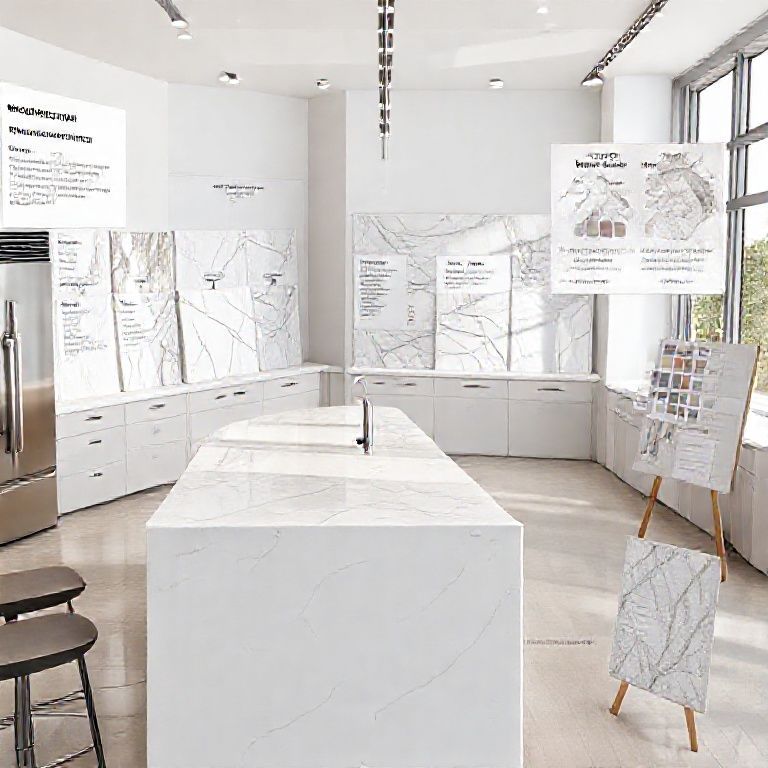
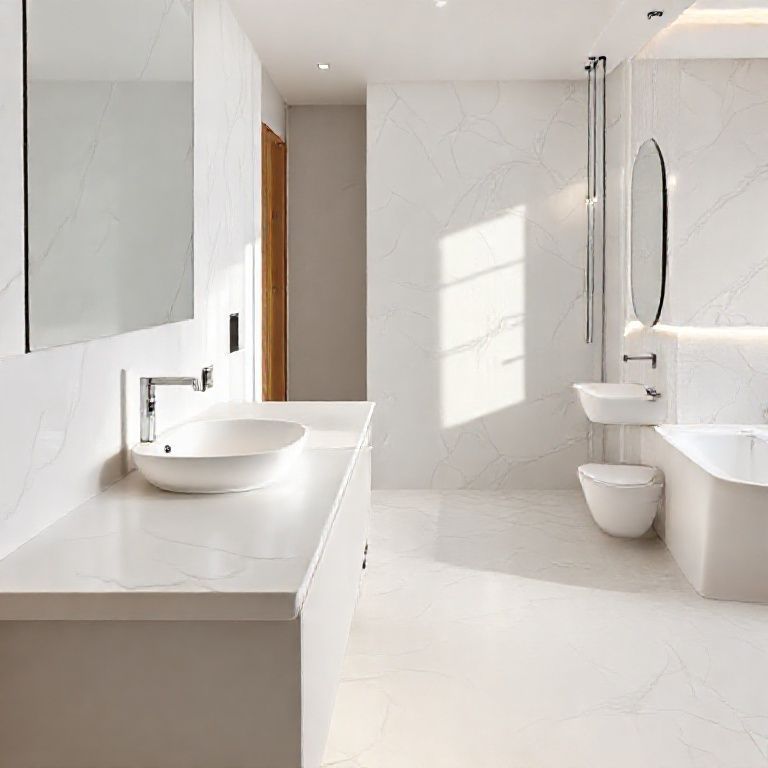
When it comes to renovating marble, whether it’s for your home or a commercial space, the goal is to restore its original beauty and luster. Marble, a popular choice for countertops, flooring, and decorative elements, can be prone to scratches, stains, and wear over time. Fortunately, with the right process and attention to detail, marble can be revived to look like new. Here’s a detailed look at the marble renovation process and key considerations to keep in mind.
Understanding the Marble Renovation Process
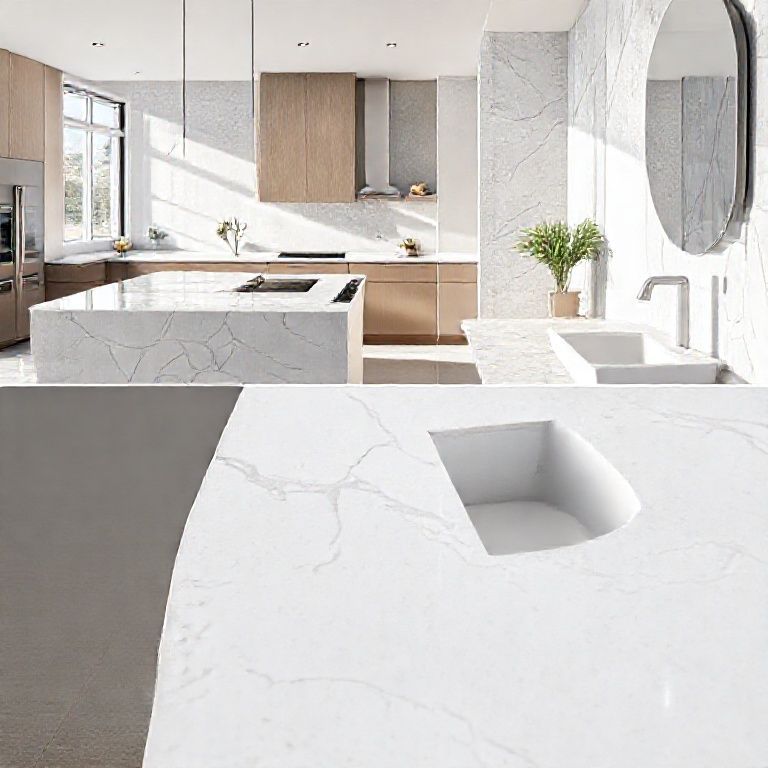
Marble renovation is a meticulous process that involves several steps, each crucial for achieving the desired results. The process generally includes cleaning, assessment, repair, polishing, and sealing.
Initial Cleaning: Before any renovation, thorough cleaning is essential to remove surface dirt and grime. Use a mild detergent and a soft cloth or sponge to clean the marble surface. Avoid using abrasive cleaners or scrubbing pads, as these can scratch the marble. For tough stains, a specialized marble cleaner can be used.
Assessment and Planning: Once the marble is clean, a detailed assessment should be conducted to determine the extent of the damage. This involves identifying stains, scratches, and other imperfections. Based on the assessment, a plan can be created to address these issues effectively. This step is crucial as it sets the foundation for the renovation process.
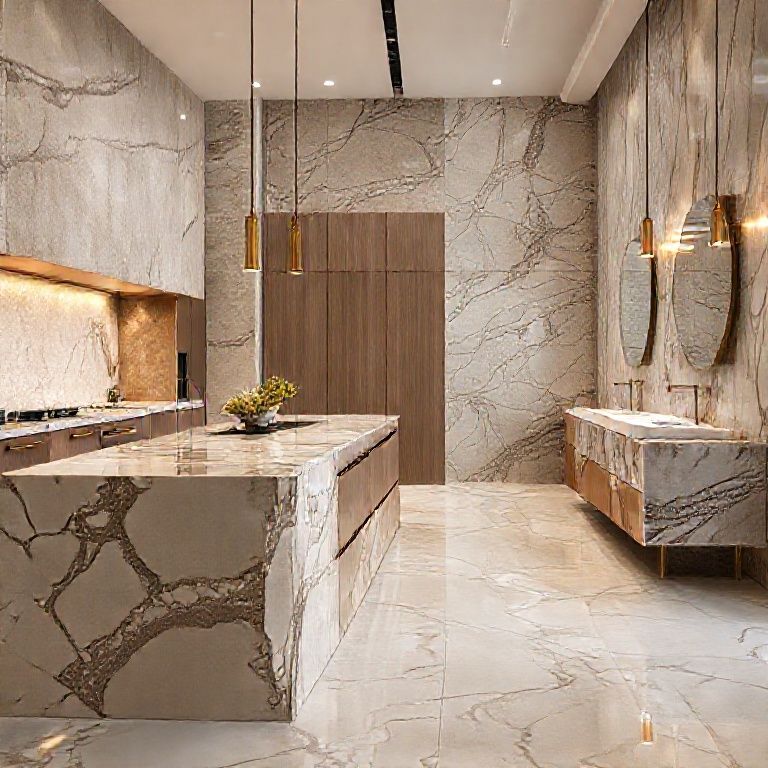
Repair: For deeper scratches or cracks, professional repair may be necessary. Techniques such as epoxy filling can be used to fill in scratches, while laser resurfacing can smooth out imperfections. It’s important to choose a reputable service provider for these repairs to ensure quality and longevity.
Polishing: After repairs, the marble needs to be polished to restore its shine. Polishing involves using specialized tools and compounds to remove the top layer of the marble and reveal its natural beauty. This step is often done in multiple stages to achieve the desired level of shine and smoothness.
Sealing: Finally, sealing the marble is crucial to protect it from future stains and damage. A high-quality sealer can be applied to create a protective barrier. This step is particularly important for high-traffic areas where the marble is more susceptible to wear and tear.
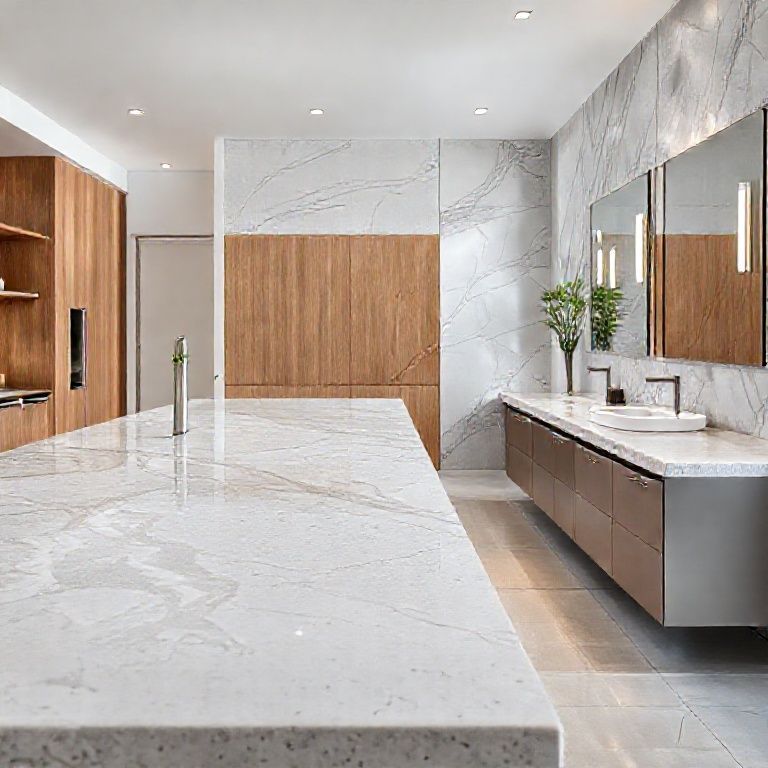
Key Considerations in Marble Renovation
To ensure a successful marble renovation, several key considerations must be kept in mind:
Quality of Materials: The quality of materials used in the renovation process is paramount. From cleaning agents to polish and sealers, using high-grade products ensures better results and longer-lasting protection.
Professional Expertise: While some basic cleaning and minor repairs can be done at home, professional expertise is often required for a comprehensive renovation. Professionals have the right tools and knowledge to handle complex issues safely and effectively.
Proper Maintenance: Post-renovation, proper maintenance is crucial to maintain the marble’s appearance. Regular cleaning with mild detergents and avoiding abrasive cleaners will help prolong the effects of the renovation. Additionally, immediate action against spills and stains can prevent deeper damage.
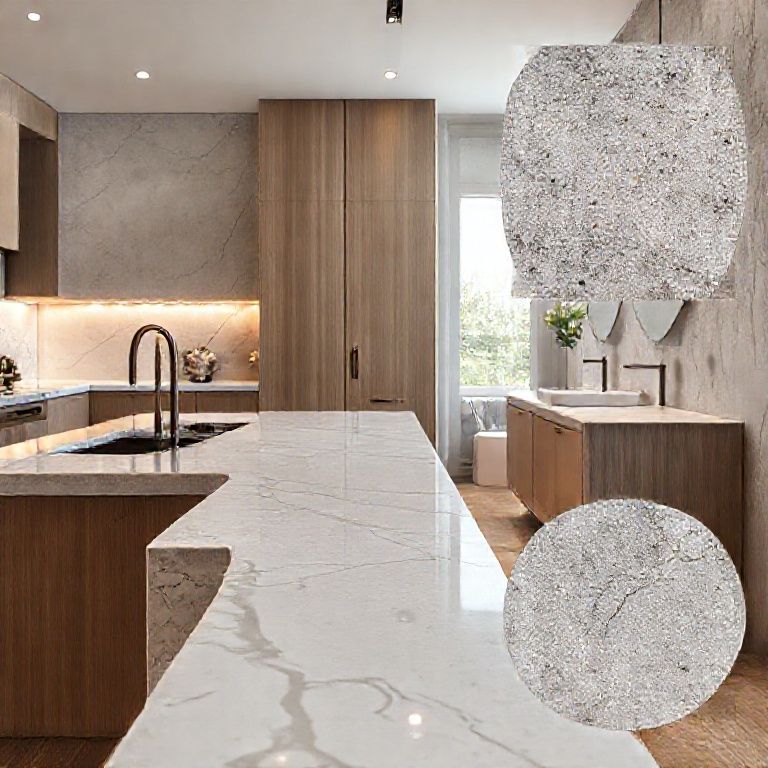
Understanding the Marble Type: Different types of marble require different care and treatment. Knowing the specific type of marble being renovated helps in selecting the appropriate cleaning, polishing, and sealing methods.
Environmental Factors: Environmental factors such as humidity and temperature can affect marble. Ensuring a stable environment can help maintain the marble’s appearance and prevent issues like fading and cracking.
Comprehensive Guide to Marble Renovation: Process and Key Considerations
Continuing from the initial steps and considerations, this part delves deeper into advanced techniques and additional factors to ensure a flawless marble renovation. Whether you’re a homeowner or a professional, understanding these nuances will help you achieve the best possible results.
Advanced Techniques in Marble Renovation
Laser Resurfacing: Laser resurfacing is a sophisticated technique used to remove the top layer of marble, revealing its natural beauty. This method is particularly effective for addressing deep scratches and stains. The laser precisely removes the damaged layer, leaving behind a smooth, polished surface. It’s important to choose a reputable service provider with experience in laser resurfacing to ensure accurate and high-quality results.
Epoxy Filling: For minor scratches or cracks, epoxy filling is an effective repair method. This technique involves filling the imperfections with a colored epoxy that matches the marble’s hue. Once the epoxy is applied and allowed to cure, the surface is polished to blend the repaired area seamlessly with the rest of the marble. This method provides a durable and aesthetically pleasing repair.
Chemical Etching: Chemical etching is another advanced technique used in marble renovation. This method involves applying a chemical solution to the marble surface to create a textured finish. The etching process removes the top layer of the marble, revealing a smooth, polished surface beneath. This technique is often used to create a uniform finish on large marble surfaces, such as countertops and flooring.
Additional Considerations for Marble Renovation
Safety Precautions: During the renovation process, safety should always be a priority. When using chemicals and tools, it’s essential to follow safety guidelines to avoid accidents. Wearing protective gear such as gloves, goggles, and masks can prevent exposure to harmful substances. Additionally, working in a well-ventilated area can reduce the risk of inhaling fumes.
Avoiding Common Mistakes: Several common mistakes can undermine the effectiveness of marble renovation. Using abrasive cleaners or tools can cause irreversible damage to the marble. Over-polishing can also strip the marble of its natural oils, leading to a dull appearance. It’s important to follow the recommended techniques and avoid shortcuts to achieve the best results.
Long-Term Maintenance: After the renovation is complete, long-term maintenance is crucial to preserving the marble’s appearance. Regularly cleaning the marble with mild detergents and avoiding acidic or abrasive substances can extend the life of the renovation. Additionally, using a marble-specific sealer periodically can provide ongoing protection against stains and damage.
Custom Solutions: Each marble surface is unique, and what works for one might not work for another. Custom solutions tailored to the specific type and condition of the marble can yield the best results. Consulting with a professional service provider who can offer customized treatment plans ensures that the renovation addresses the unique needs of the marble.
Environmental Impact: Considering the environmental impact of renovation processes is increasingly important. Using eco-friendly cleaning agents and sustainable practices can reduce the carbon footprint associated with marble renovation. Additionally, choosing materials that are non-toxic and biodegradable contributes to a greener renovation process.
Conclusion
Marble renovation is a detailed and intricate process that requires careful planning, expertise, and attention to detail. By understanding the various steps involved and keeping key considerations in mind, you can achieve a stunning transformation that brings out the natural beauty of the marble. Whether you’re renovating marble at home or in a commercial space, following these guidelines will help ensure a successful and long-lasting renovation.
For those seeking professional help, partnering with a reputable service provider who offers advanced techniques and customized solutions can make all the difference. With the right approach, marble can be revived to look as good as new, enhancing the aesthetic appeal of any space.