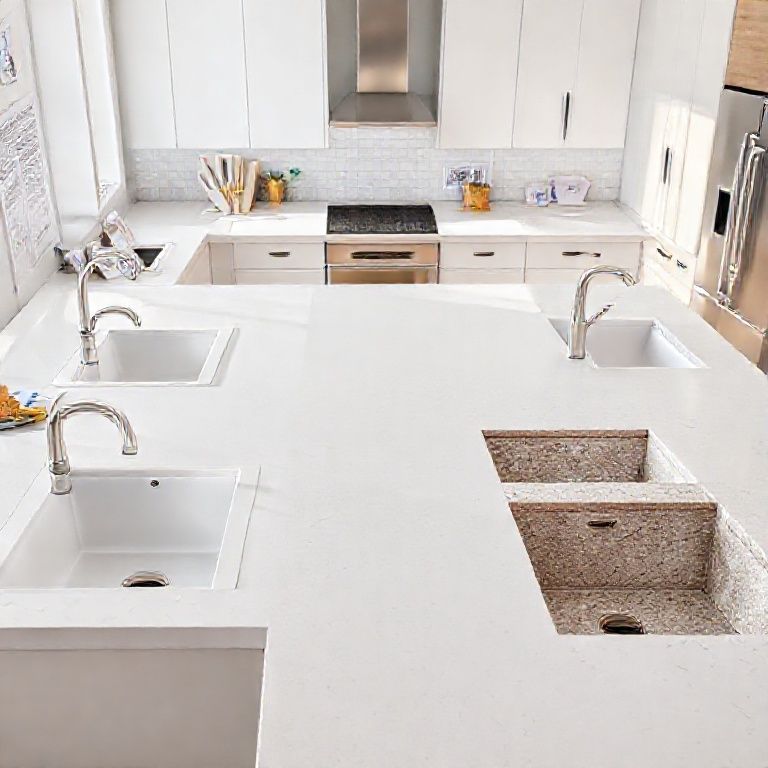
Understanding and Assessing Artificial Stone Countertop Cracks
Artificial stone countertops have gained immense popularity due to their durability, aesthetics, and low maintenance. However, like any material, they can develop cracks over time. Understanding the nature of these cracks and how to assess them is the first step towards effective repair.

Identifying the Type of Crack
Artificial stone countertops can develop various types of cracks, including:
Surface Cracks: These are minor hairline cracks on the surface of the countertop. They are often caused by minor impacts or scratches.
Deep Cracks: These are more severe cracks that penetrate deeper into the countertop. They can result from significant impacts or pressure.
Hairline Cracks: These are very thin cracks that can spread over time if not addressed promptly.
Cracks from Thermal Stress: These occur due to sudden temperature changes, which can cause the material to expand and contract unevenly.

Initial Assessment
To effectively repair cracks in artificial stone countertops, it’s crucial to conduct an initial assessment:
Visual Inspection: Start with a thorough visual inspection to identify the type and extent of the crack. Pay attention to the direction and length of the crack, as this can indicate the underlying cause.
Check for Water Damage: Examine the area around the crack for any signs of water damage, which can weaken the stone and make it more prone to further cracking.

Evaluate Stability: Gently press around the crack to assess if the countertop is still stable. If the stone feels loose, it might indicate more extensive damage that requires professional intervention.
DIY Repair Tools and Materials
Before you start the repair process, gather the necessary tools and materials:
Epoxy Resin: A two-part epoxy resin is commonly used for repairing cracks in artificial stone. It’s available in various colors to match your countertop.
Scraper and Mixing Tool: These are used to apply and spread the epoxy resin.
Protective Gear: Gloves, safety goggles, and a dust mask are essential to protect yourself from fumes and debris.

Cleaning Supplies: Isopropyl alcohol or a mild detergent for cleaning the surface around the crack.
Sandpaper: Fine-grit sandpaper can be used to smooth the repaired area.
Safety Precautions
When working with epoxy resin, it’s crucial to follow safety precautions:
Ventilation: Ensure good ventilation in the work area to avoid inhaling fumes.
Protective Gear: Wear gloves, safety goggles, and a dust mask to protect your skin, eyes, and respiratory system.
Mixing Area: Mix the epoxy resin in a well-ventilated area away from direct sunlight.
Avoid Contamination: Keep the epoxy resin away from water and other contaminants.
By understanding the nature of cracks and preparing the necessary materials and tools, you can effectively begin the repair process for your artificial stone countertop. In the next part, we will delve deeper into the step-by-step repair techniques and advanced methods for ensuring a flawless finish.
Step-by-Step Repair Techniques for Artificial Stone Countertop Cracks
Once you have identified the type of crack and gathered the necessary tools and materials, it’s time to dive into the repair process. This comprehensive guide will walk you through each step to ensure a successful and long-lasting repair.
Step-by-Step Repair Process
Clean the Affected Area
Begin by thoroughly cleaning the area around the crack. Use isopropyl alcohol or a mild detergent to remove any dirt, grease, or debris. This ensures that the epoxy resin adheres properly to the stone surface.
Prepare the Epoxy Resin
Mix the epoxy resin according to the manufacturer’s instructions. It typically involves combining the resin and hardener in a designated mixing container. Use the mixing tool provided to ensure a homogenous mixture.
Apply the Epoxy Resin
Using a scraper or the mixing tool, apply the epoxy resin into the crack. Start from one end and work your way to the other, ensuring that the crack is completely filled. It’s essential to avoid air bubbles, so gently tap the area with a rubber mallet or the back of the scraper.
Smooth the Surface
Once the epoxy resin has been applied, smooth the surface to blend it with the countertop. You can use a damp sponge or a spatula to achieve a seamless finish. Allow the resin to cure as per the manufacturer’s recommendations.
Sand the Area
After the epoxy has cured, use fine-grit sandpaper to smooth the repaired area. This ensures that the repaired section matches the texture and finish of the rest of the countertop. Sand lightly and avoid applying too much pressure to prevent scratching the stone.
Color Matching
If the epoxy resin is available in various colors, choose one that closely matches your countertop. This step is crucial for maintaining the aesthetic appeal of your countertop.
Advanced Repair Techniques
For more extensive or complex cracks, consider these advanced techniques:
Crack Injection Method
This method is suitable for deep cracks that extend beyond the surface. A specialized crack injection tool can be used to inject epoxy resin directly into the crack. This method ensures that the resin reaches the deepest parts of the crack, providing a more robust repair.
Using a Crack Filling Compound
For larger cracks, a crack filling compound can be used. This compound is applied using a caulking gun and provides a flexible, long-lasting repair. It’s particularly useful for cracks caused by thermal stress.
Professional Repair Services
If the crack is severe and you’re unsure about the repair process, consider hiring a professional repair service. Experienced technicians can assess the damage and apply the most suitable repair method to ensure a seamless and durable fix.
Preventive Measures
To prevent future cracks, consider the following preventive measures:
Use Cutting Boards: Always use cutting boards when cutting hard foods like vegetables. This prevents scratches and impacts that can lead to cracks.
Avoid Sharp Objects: Be cautious when placing sharp objects on the countertop. Use coasters or pads to protect the surface.
Regular Maintenance: Clean the countertop regularly to remove spills and stains promptly. Avoid using abrasive cleaners that can damage the surface.
Temperature Control: Avoid placing hot pots or pans directly on the countertop. Use trivets to prevent thermal stress that can cause cracks.
By following these step-by-step techniques and preventive measures, you can effectively repair cracks in artificial stone countertops and restore their beauty and functionality. Whether you choose a DIY approach or opt for professional services, these guidelines will help ensure a successful and lasting repair.
Artificial stone countertops are a remarkable choice for modern kitchens and bathrooms, and with proper care and repair techniques, they can remain in pristine condition for years to come. By understanding the nature of cracks and following detailed repair methods, you can maintain the integrity and appearance of your countertops, ensuring they continue to serve you well.