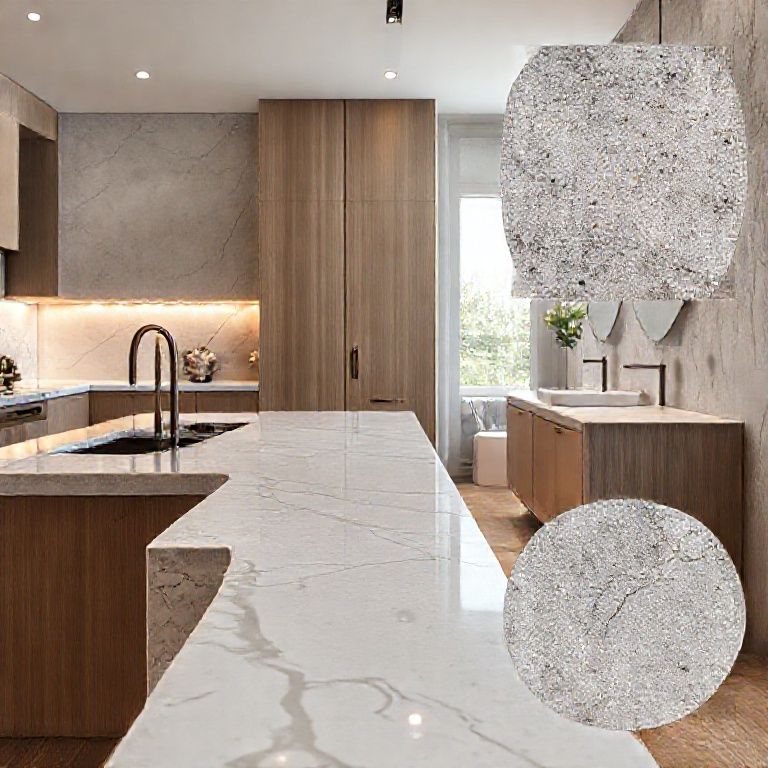
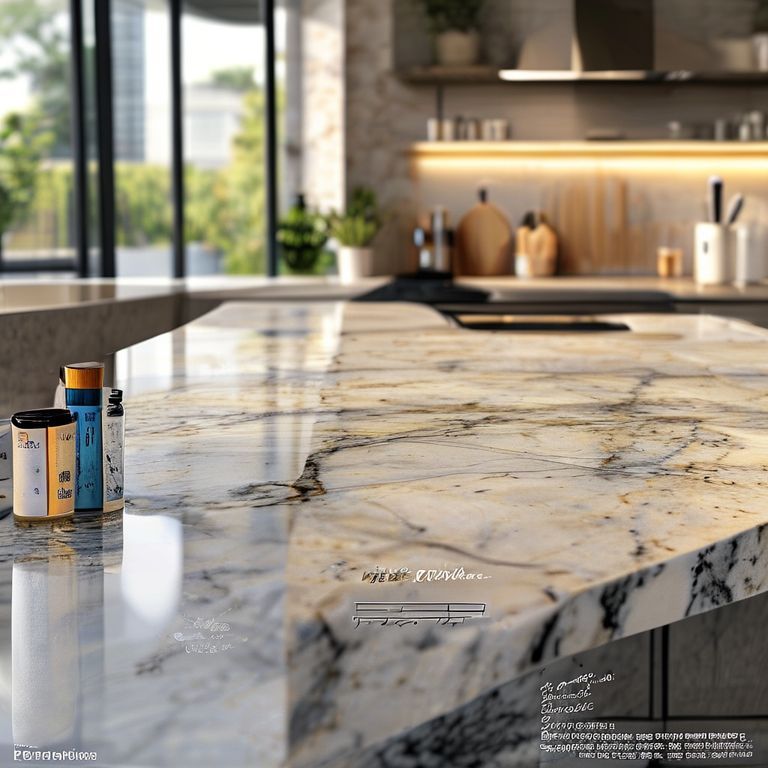
Discover the best methods for restoring artificial granite countertops in your home with this comprehensive guide. Learn about the causes of wear and tear, effective cleaning techniques, and preventive measures to keep your countertops looking pristine. This detailed tutorial will help you maintain the beauty and longevity of your artificial granite surfaces.

artificial granite countertops, restoration methods, countertop repair, cleaning artificial granite, granite surface care, countertop maintenance, granite countertop refinishing, artificial stone care, countertop protection
Revitalizing Your Artificial Granite Countertops: An In-Depth Restoration Guide
Artificial granite countertops have gained immense popularity due to their durability, ease of cleaning, and aesthetic appeal. However, even the most resilient surfaces can show signs of wear and tear over time. Whether it’s from daily use or accidental spills, restoring artificial granite countertops is essential to maintain their pristine appearance and extend their lifespan. This guide will delve into the various methods to restore your artificial granite surfaces effectively.
Understanding the Causes of Wear and Tear
Before diving into restoration techniques, it’s crucial to understand what causes artificial granite countertops to deteriorate. Common issues include:

Stains and Spills: Daily activities can lead to various stains, including coffee, wine, and food spills. These can seep into the surface and cause discoloration.
Abrasive Cleaning: Using harsh abrasive cleaners or scrubbing too hard can scratch and dull the surface.
Chemical Exposure: Exposure to cleaning agents, bleach, and other chemicals can degrade the surface over time.
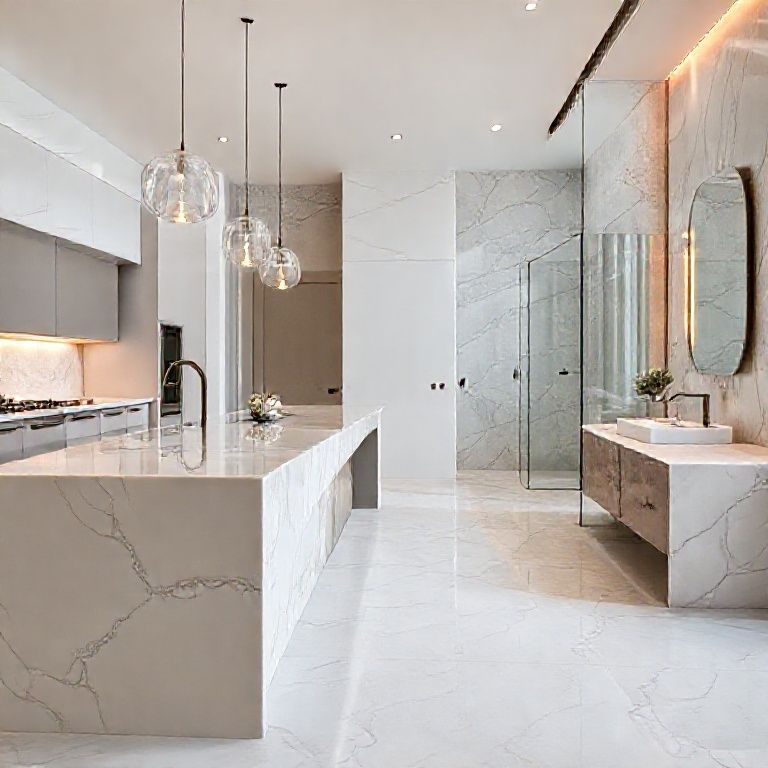
Heat Damage: Hot pots or pans can cause the surface to discolor or crack.
Understanding these factors will help you take preventive measures and know when to employ restoration techniques.
Effective Cleaning Techniques
Regular cleaning is the first step in maintaining your artificial granite countertops. Here’s how you can clean them effectively:
Daily Cleaning: Use a soft, damp cloth and a mild soap or dish detergent to wipe down the surface daily. Avoid using abrasive pads or sponges as they can scratch the surface. Spot Cleaning: For spills, blot them immediately with a clean, dry cloth to prevent absorption. Use a small amount of mild soap mixed with water to clean any remaining stains. Deep Cleaning: For a deeper clean, mix a few drops of dish soap with warm water. Dampen a cloth with the soapy water and wipe the countertop. Rinse the cloth often to avoid scratching the surface. Drying: Always dry the countertop with a clean, dry cloth after cleaning to prevent water spots.
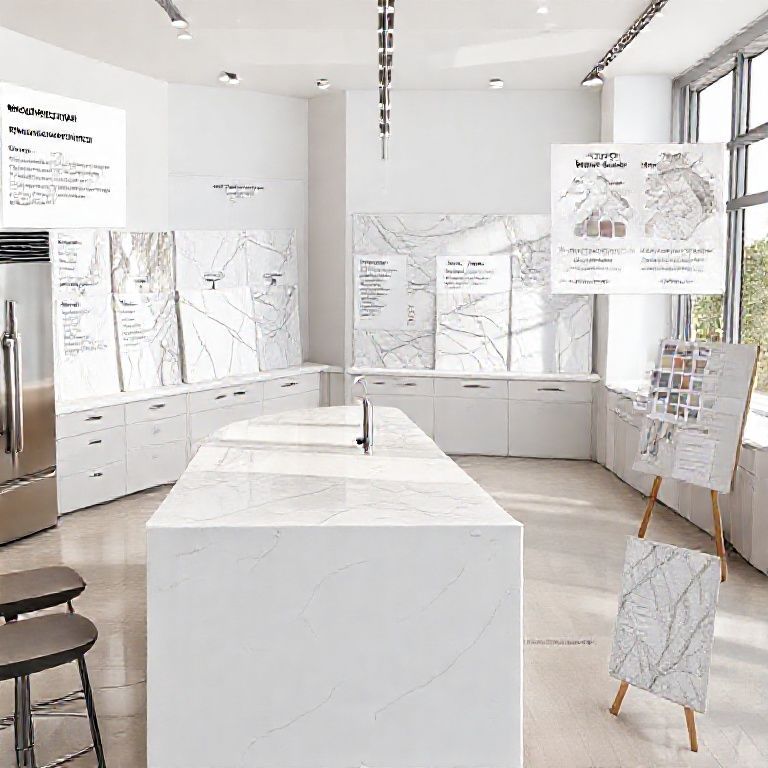
Basic Restoration Methods
For minor imperfections, several basic restoration methods can bring back the shine and beauty of your artificial granite countertops.
Surface Polishing: For minor scratches or dullness, a gentle polishing method using a fine-grit sandpaper (like 400-grit) can help. Lightly sand the affected area in a circular motion, then wipe away the dust with a clean, damp cloth. Follow up with a streak-free polish to restore the shine. Using a Granite Polish: There are commercial granite polishes available specifically designed for artificial granite. Apply a small amount to a soft cloth and rub it into the surface in a circular motion. Buff the surface with a clean cloth to achieve a high shine. Heat Treatment: For heat-damaged areas, a gentle heat application can sometimes reverse discoloration. Use a hair dryer on a low setting to warm the affected area carefully. Avoid using high heat as it can damage the surface.
Preventive Measures
To maintain the beauty and longevity of your artificial granite countertops, follow these preventive measures:
Use Coasters and Placemats: Always use coasters under drinks and placemats under hot items to prevent staining and heat damage. Avoid Harsh Chemicals: Use mild cleaning products and avoid harsh chemicals that can degrade the surface. Regular Maintenance: Regular cleaning and occasional polishing will help keep the surface looking new. Immediate Action: Address spills and stains immediately to prevent deeper damage.
By understanding the causes of wear and tear, employing effective cleaning techniques, and utilizing basic restoration methods, you can ensure your artificial granite countertops remain beautiful and functional for years to come. In the next part of this guide, we will explore more advanced restoration techniques and provide additional tips for maintaining your countertops.
Continue your journey in revitalizing your artificial granite countertops with this advanced restoration guide. Learn about advanced repair techniques, professional restoration services, and expert tips to keep your countertops looking like new. This detailed tutorial will provide you with the knowledge to maintain the beauty and longevity of your artificial granite surfaces.
artificial granite countertops, restoration methods, countertop repair, cleaning artificial granite, granite surface care, countertop maintenance, granite countertop refinishing, artificial stone care, countertop protection
Advanced Techniques for Restoring Artificial Granite Countertops
Now that we’ve covered the basics of cleaning and basic restoration methods, it’s time to delve into more advanced techniques. Advanced restoration methods are particularly useful for deeper stains, extensive scratches, and significant wear. This guide will explore these advanced techniques and offer expert tips for the best results.
Advanced Restoration Methods
Sanding and Refinishing: For deeper scratches and extensive wear, sanding and refinishing are effective methods. Begin with a coarse-grit sandpaper (like 80-grit) to remove the damaged layer, working in a consistent direction to avoid cross-grain scratches. Once the surface is smooth, gradually move to finer grits (120-grit, 220-grit) for a polished finish. After sanding, clean the surface thoroughly to remove any dust and residue. Apply a new layer of protective sealant to restore the shine and protect against future damage. Chemical Restoration: For discoloration or stains that resist polishing, chemical treatments may be necessary. Use a chemical stripper specifically designed for artificial granite. Follow the manufacturer’s instructions carefully, applying the stripper to a cloth and rubbing it into the stained area. Rinse with water and dry thoroughly. For best results, apply a protective sealant afterward to prevent future staining. Heat and Pressure Treatment: In cases of severe discoloration due to heat, a heat and pressure treatment can help restore the surface. Use a heat gun to carefully apply heat to the affected area. Follow up with a pressure treatment to reshape the surface. Always test a small, inconspicuous area first to ensure the method works without causing further damage.
Professional Restoration Services
While advanced techniques can be effective, sometimes it’s best to seek professional help. Here’s why:
Expertise: Professional restorers have the expertise and tools to handle complex restoration tasks safely and effectively. Quality Results: Professionals use high-quality products and techniques to ensure the best results. Warranty: Professional restoration services often come with a warranty, providing peace of mind that your investment is protected.
Expert Tips for Maintaining Your Countertops
To keep your artificial granite countertops looking pristine and extend their lifespan, consider these expert tips:
Use Protective Mats and Coasters: Place protective mats under appliances and coasters under drinks to prevent scratches and stains. Regular Cleaning and Maintenance: Regular cleaning with mild soap and water can prevent buildup that leads to deeper stains. Periodic polishing with a granite polish will keep the surface looking new. Avoid Cutting on the Countertop: Use a cutting board to prevent scratches from knives and other sharp objects. Immediate Cleaning: Clean spills immediately to prevent stains and discoloration. Seal the Surface: Applying a high-quality sealant every few months will protect the surface from stains and scratches.
Conclusion
Restoring artificial granite countertops doesn’t have to be daunting. By understanding the causes of wear and tear, employing effective cleaning techniques, and utilizing both basic and advanced restoration methods, you can keep your countertops looking pristine. For more complex issues, professional restoration services provide expert solutions. Remember, regular maintenance and preventive measures are key to the longevity and beauty of your artificial granite surfaces.
In conclusion, with the right knowledge and tools, you can revitalize your artificial granite countertops and enjoy their beauty for years to come. Whether you opt for do-it-yourself methods or seek professional help, the goal remains the same: to keep your countertops looking like new.