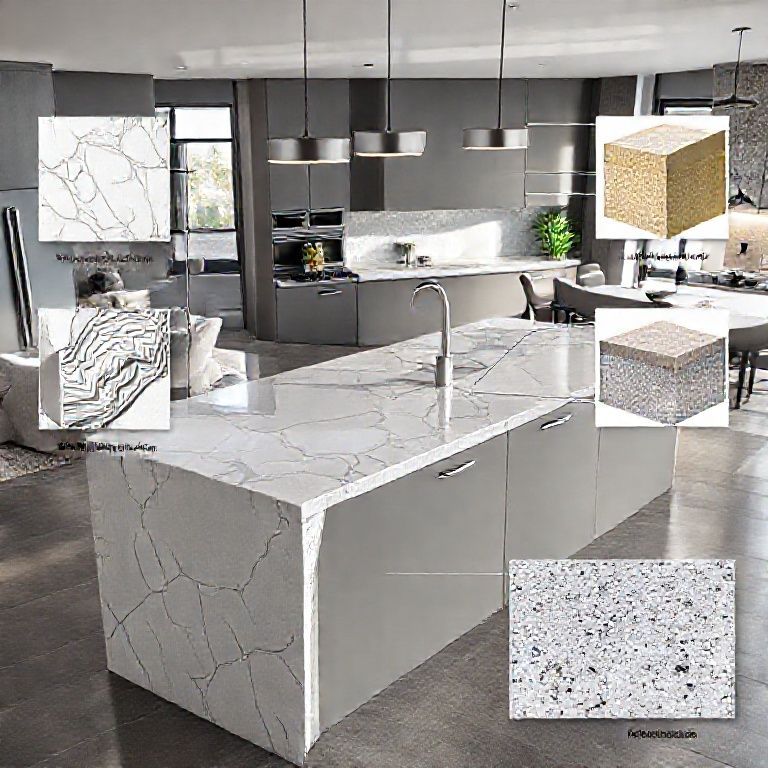
Identifying Common Issues and Initial Restoration Techniques
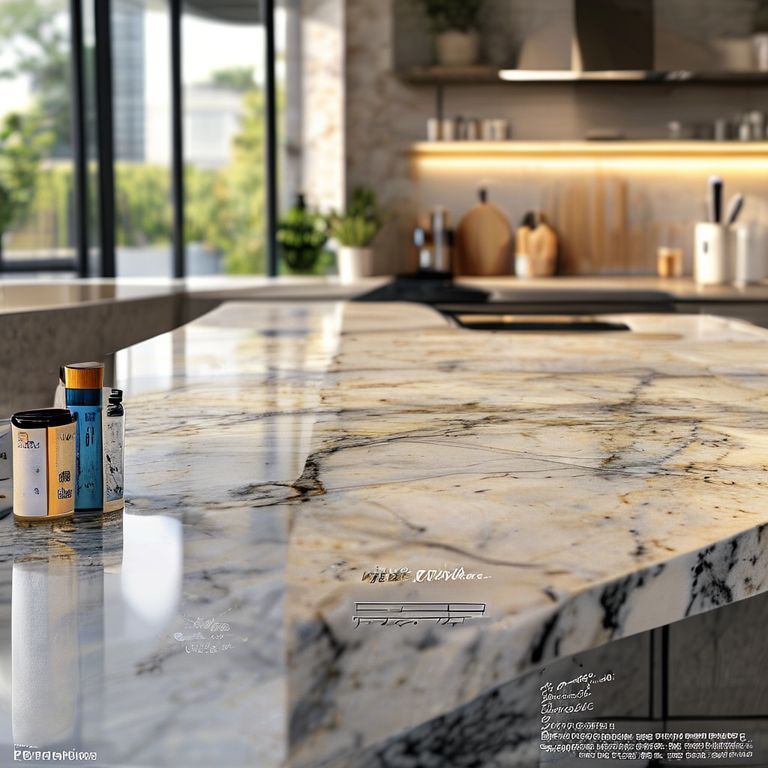
Artificial stone countertops, known for their durability and aesthetic appeal, can sometimes develop issues that compromise their appearance and functionality. Identifying and addressing these issues promptly can save you time and money in the long run. In this part of the guide, we will delve into the common problems that affect artificial stone countertops and introduce basic restoration techniques to get you started.

Common Problems with Artificial Stone Countertops
Chips and Cracks: Cause: The most frequent issue is minor chips and cracks often caused by dropping heavy objects or using sharp utensils directly on the surface. Signs: Small cracks or chips that may appear as white lines or chips in the stone. Stains and Discoloration: Cause: Spills from food, beverages, and cleaning agents can lead to stains and discoloration over time. Signs: Persistent spots or discoloration that do not wash away easily. Surface Scratches: Cause: Regular use with non-protected tools or abrasive materials can scratch the surface. Signs: Deep or shallow scratches visible to the naked eye. Wear and Tear: Cause: Prolonged exposure to various elements can wear down the surface, making it less smooth and aesthetically pleasing. Signs: The surface may feel rough or uneven to the touch.
Basic Restoration Techniques
1. Cleaning and Polishing
Materials Needed:
Mild soap or stone-specific cleaner Soft cloths or sponges Microfiber cloths for polishing
Step-by-Step:
Cleaning: Mix a small amount of mild soap with warm water. Dampen a soft cloth or sponge with the soapy water and gently wipe the surface, avoiding excessive pressure. Rinse the cloth and wipe down the countertop to remove any soap residue. Polishing: After cleaning, dry the surface thoroughly with a microfiber cloth. Apply a stone countertop polish and buff the surface with another clean microfiber cloth until it shines.
Visual Guide:
2. Filling Minor Chips and Cracks
Materials Needed:
Stone countertop filler or epoxy resin Small spatula or applicator Clear topcoat (optional)
Step-by-Step:
Prepare the Area: Clean the affected area thoroughly to remove any dust or debris. Apply the Filler: Using a small spatula or applicator, apply the stone countertop filler or epoxy resin into the crack or chip. Follow the manufacturer’s instructions for the best results. Smooth the Surface: Once the filler has been applied, smooth it out with the spatula until it’s level with the surrounding surface. Curing: Allow the filler to cure as per the product instructions. This usually involves leaving it undisturbed for several hours. Optional Topcoat: For added protection and a polished finish, apply a clear topcoat over the filled area and buff it smooth.
Visual Guide:
3. Removing Stains and Discoloration
Materials Needed:
Baking soda Water Soft cloth Stone-specific cleaner
Step-by-Step:
Baking Soda Paste: Mix baking soda with water to form a paste. Apply the paste to the stained area using a soft cloth. Gently rub the paste into the stain in a circular motion. Rinse and Dry: Rinse the area with clean water and dry it thoroughly using a microfiber cloth. Stone-Specific Cleaner: For stubborn stains, use a stone-specific cleaner following the manufacturer’s guidelines. Apply the cleaner to a soft cloth and gently rub the stained area until the discoloration is removed.
Visual Guide:
Conclusion
Identifying and addressing common issues with your artificial stone countertops is the first step towards restoring their original beauty. Basic techniques like cleaning, polishing, and filling minor chips and cracks can go a long way in maintaining the appearance and longevity of your countertops. In the next part of this guide, we will explore more advanced restoration methods and provide detailed visual guides to help you further enhance your countertops.
Advanced Restoration Methods and Professional Tips
In the previous section, we covered basic restoration techniques for artificial stone countertops. Now, let’s dive into more advanced methods that can handle more severe damage and provide a professional finish. This section will include detailed visual guides to help you execute these methods with confidence.
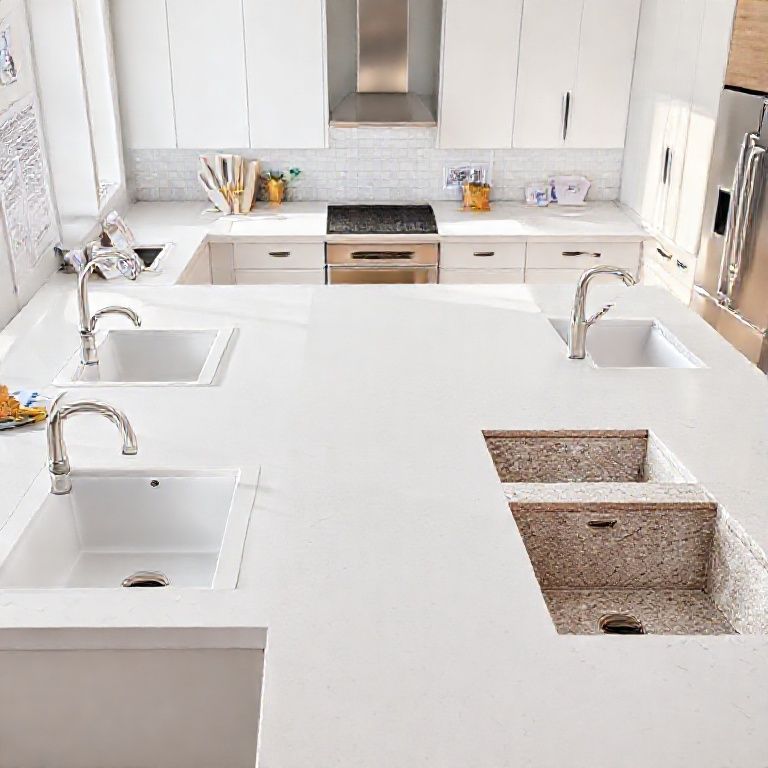
Advanced Restoration Techniques
1. Repairing Larger Cracks and Chips
Materials Needed:
Stone countertop repair kit High-quality epoxy resin Mixing tools Small brush Clear topcoat
Step-by-Step:
Preparation: Clean the area around the crack or chip thoroughly to remove any dust, grease, or debris. Mixing the Resin: Follow the manufacturer’s instructions to mix the epoxy resin. This usually involves combining two components in a specific ratio. Applying the Resin: Use a small brush to apply the mixed resin into the crack or chip. Ensure the resin fills the gap completely and smoothens out the surface. Cure Time: Allow the resin to cure for the recommended time, usually several hours or overnight. Sanding and Polishing: Once cured, lightly sand the area with fine-grit sandpaper to blend the repaired section with the surrounding surface. Wipe away any sanding dust and polish the area with a stone countertop polish. Topcoat: For added protection, apply a clear topcoat over the repaired area and buff it to a shine.
Visual Guide:
2. Addressing Deep Scratches
Materials Needed:
Diamond polishing pads Diamond polishing compound Polishing machine or buffer Soft cloths
Step-by-Step:
Preparation: Clean the scratched area thoroughly to remove any dirt or residue. Applying the Compound: Mix the diamond polishing compound with water to create a paste. Polishing: Attach a diamond polishing pad to a polishing machine or buffer. Apply the compound to the pad and rub it into the scratched area using the buffer. For manual polishing, use a soft cloth to apply the compound and buff the area gently. Rinsing and Drying: Rinse the area with water and dry it thoroughly. Final Polish: To achieve a high-gloss finish, use a stone countertop polish and buff the area until it shines.
Visual Guide:
3. Restoring Worn Surfaces
Materials Needed:
Stone resurfacing kit Diamond abrasives Polishing machine Polishing compounds
Step-by-Step:
Preparation: Thoroughly clean the surface to remove any dirt, grease, or residue. Surface Preparation: Using a diamond abrasive with a polishing machine, begin to resurface the worn area. Start with coarser abrasives to remove the majority of the wear and gradually move to finer abrasives for a smoother finish. Compound Application: Apply a polishing compound to the diamond abrasive and continue the resurfacing process. Finishing Touches: Once the surface is smooth, use a finer polishing compound to buff the area until it shines. Final Polish: Apply a stone countertop polish and buff the surface to a high shine.
Visual Guide:
Professional Tips for Maintaining Your Artificial Stone Countertops
4. 避免使用钢针或其他钢制工具
人造石虽然非常耐用,但它仍然是一种石材,不应被用钢制工具直接划伤。使用钢制餐具、厨具或其他物品直接碰撞人造石台面,会导致严重的划痕和损坏。建议使用木制或硅胶制品进行烹饪和其他操作。
5. 使用砧板
在人造石台面上切割食物时,使用木质、塑料或玻璃砧板。这不仅可以保护台面,还能确保食物的安全和卫生。
6. 使用专用清洁剂
市面上有许多专用于人造石台面的清洁产品,这些产品能够有效去除污渍和油污,同时不会对人造石表面造成损害。使用普通的洗涤剂可能会导致表面变色或损坏。
7. 定期保养
定期对人造石台面进行保养,可以延长其使用寿命。每隔几个月,使用适量的石材护理油或石材保养剂,轻轻涂抹在台面表面,并用干净的布轻轻擦拭。这样可以保持台面的光泽和耐用性。
8. 防止热源接触
人造石台面不应直接接触高温物体,如热锅、烤箱纸或加热器。这些热源可能会导致台面表面开裂或变形。建议在使用热源时,使用砧板或其他隔热材料。
9. 及时处理溢漏物
台面上的溢漏物如油污、果汁或酸性饮料等,应立即用湿布擦拭干净,防止这些物质渗入台面,留下永久性污渍或损伤。
10. 避免化学品接触
尽量避免将强酸、强碱或其他腐蚀性化学品直接接触人造石台面。如果必须使用,务必使用玻璃或塑料器皿,并在清洁后立即彻底清洗台面。
11. 定期检查
定期检查台面上的任何小裂缝或损坏,及时修复或更换。虽然人造石具有很强的耐用性,但一旦出现小裂缝,还是会逐渐扩大,导致更严重的损坏。
通过以上这些方法,你可以更有效地保护和维护你的人造石台面,确保其长期美观和功能性。如果有任何损坏,建议及时寻求专业维修人员的帮助。