
In the realm of interior design, the quest for materials that marry aesthetic appeal with unwavering functionality is a constant pursuit. We seek surfaces that not only captivate the eye but also withstand the rigors of daily life, surfaces that can be shaped and molded to our most ambitious design visions. For decades, one material has consistently risen to this challenge, setting benchmarks for innovation and elegance: Corian Solid Surface. More than just a countertop material, Corian is a versatile canvas, an invitation to reimagine spaces and bring design dreams to life.

The genesis of Corian dates back to the 1960s, a testament to DuPont’s pioneering spirit in material science. Born from a blend of acrylic polymer and alumina trihydrate (ATH), derived from bauxite ore, Corian was engineered to offer a superior alternative to traditional materials like laminate, stone, and wood. Its promise was simple yet profound: a non-porous, durable, and aesthetically pleasing surface that could be fabricated into virtually any shape or form. This inherent flexibility set it apart from the outset, offering designers and homeowners an unprecedented level of creative freedom.
One of Corian’s most celebrated attributes is its seamlessness. Unlike materials that require grout lines or visible seams, Corian can be joined with a special adhesive, creating an unbroken, monolithic surface. This not only contributes to its sleek, modern aesthetic but also offers significant practical benefits. The absence of pores and seams means that Corian is inherently hygienic. It does not harbor bacteria, mold, or mildew, making it an ideal choice for kitchens and bathrooms where sanitation is paramount. Spills and stains are easily wiped away, and the material’s non-porous nature prevents liquids from penetrating and causing discoloration or damage. This ease of maintenance is a significant draw for busy households and high-traffic commercial environments alike.
The aesthetic versatility of Corian is another cornerstone of its appeal. Available in an astonishing array of colors, patterns, and textures, Corian can mimic the look of natural stone, wood, or concrete, or it can present itself in vibrant, solid hues that make bold design statements. From the subtle elegance of a granite-inspired pattern to the striking simplicity of a pure white countertop, the design possibilities are virtually limitless. This adaptability allows Corian to seamlessly integrate into any interior design style, whether it’s a rustic farmhouse kitchen, a minimalist modern bathroom, or a sophisticated commercial lobby.
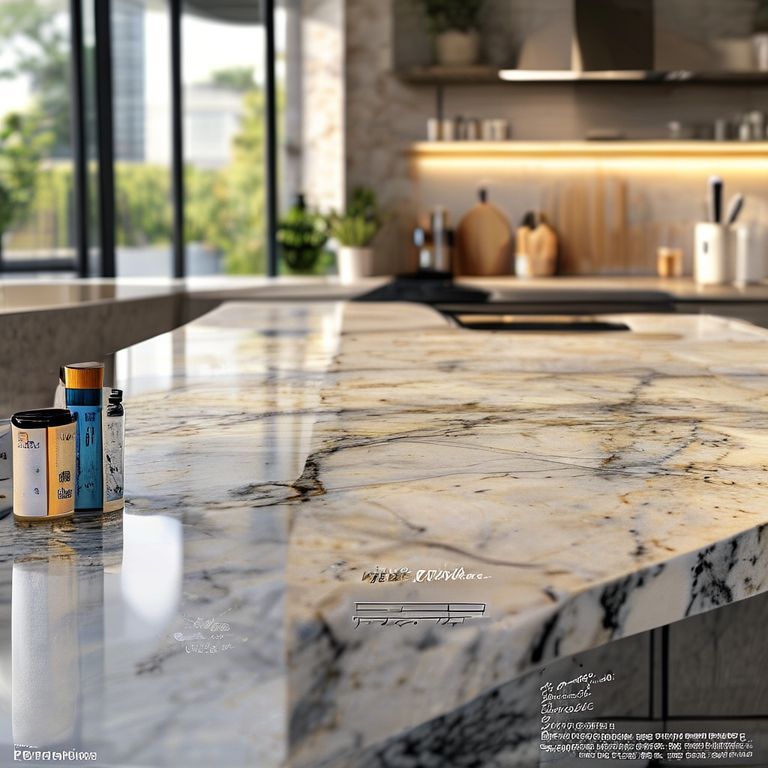
Beyond its visual and hygienic qualities, Corian’s durability is a key selling point. While it is not impervious to scratches or chips (a common misconception), it is a resilient material that can withstand the demands of everyday use. Minor surface scratches can often be buffed out, restoring the surface to its original luster. More significant damage can, in many cases, be repaired by skilled fabricators, further extending the lifespan of the material. This repairability, coupled with its inherent toughness, makes Corian a long-term investment in the beauty and functionality of a space.
The transformative power of Corian extends far beyond countertops. Its thermoformability – its ability to be heated and shaped into curves and complex forms – opens up a universe of design opportunities. Imagine a reception desk with a gentle, ergonomic curve, a seamlessly integrated sink that appears to grow organically from the countertop, or even intricate decorative elements and wall panels. This capacity for bespoke creation allows architects and designers to push the boundaries of what is possible, crafting spaces that are not only functional but also uniquely sculptural and engaging.
In commercial settings, Corian has proven to be an indispensable material. Its hygienic properties, combined with its durability and aesthetic flexibility, make it a preferred choice for healthcare facilities, laboratories, food service establishments, and retail environments. In hospitals, for instance, the non-porous surface ensures a sterile environment, crucial for patient care. In restaurants, it offers a beautiful yet easily cleaned surface for prep areas and serving counters. In retail, its visual appeal can enhance brand image, while its resilience ensures it can withstand constant customer interaction.
The process of bringing a Corian design to life involves skilled fabrication and expert installation. Because Corian is a solid material, it can be cut, routed, shaped, and polished with precision. Certified Corian fabricators possess the specialized knowledge and tools to work with the material, ensuring that the final product meets the highest standards of quality and craftsmanship. This partnership between material and artisan is what truly unlocks Corian’s potential, transforming raw sheets into finished pieces of functional art. The installation process is equally important, ensuring that the material is properly supported and seamlessly integrated into the overall design of the space. This attention to detail at every stage guarantees a beautiful and enduring result.
In essence, Corian Solid Surface is more than just a building material; it is an enabler of design. It empowers individuals and professionals to envision spaces without compromise, to blend form and function with unparalleled grace. It is a testament to how innovation in material science can redefine the possibilities of everyday environments, offering a durable, hygienic, and endlessly beautiful solution for a wide range of applications. As we continue to seek materials that are as practical as they are aesthetically pleasing, Corian stands as a shining example of what can be achieved when vision meets ingenuity.
Continuing our exploration of Corian Solid Surface, we delve deeper into the nuanced advantages and diverse applications that solidify its position as a leading material in contemporary design. The initial allure of its seamless beauty and wide color palette is just the beginning. Beneath its sophisticated exterior lies a material engineered for performance, a partner in creating spaces that are not only beautiful but also resilient and easy to live with.
The non-porous nature of Corian is arguably its most significant functional advantage, especially in areas prone to moisture and bacterial growth. Unlike natural stone, which can have microscopic pores that absorb liquids, or laminate, which can be susceptible to moisture damage at seams, Corian presents a completely sealed surface. This inherent resistance to staining and bacterial proliferation is a critical factor in its adoption across various sectors. In residential kitchens, it means that spilled red wine, tomato sauce, or coffee need not cause panic; a simple wipe with a damp cloth is usually sufficient to restore the surface to its pristine state. This peace of mind is invaluable for anyone who uses their kitchen actively.
Similarly, in bathrooms, the hygienic benefits are paramount. Corian vanities, shower walls, and integrated sinks offer a seamless, grout-free environment that is exceptionally easy to clean and maintain. The absence of grout lines, which are notorious for accumulating soap scum and mildew, simplifies cleaning routines and contributes to a more sanitary living space. Furthermore, Corian is resistant to the effects of common bathroom cleaning products, ensuring its longevity and continued aesthetic appeal.
The repairability of Corian is another facet that enhances its long-term value proposition. While durable, no material is entirely indestructible. However, Corian’s solid composition means that minor scratches, chips, or even burns can often be repaired on-site by trained professionals. For superficial scratches, a gentle buffing or sanding can often restore the original finish. Deeper damage can be patched and blended seamlessly, making the repair virtually undetectable. This ability to restore a damaged surface, rather than requiring a complete replacement, makes Corian a more sustainable and cost-effective choice over time, particularly in high-wear environments.
The design flexibility offered by Corian’s thermoformability is a game-changer for architects and designers seeking to create unique and functional spaces. The process involves heating Corian sheets to a pliable state, allowing them to be molded around forms or bent into specific curves. This enables the creation of integrated sinks and drainboards that flow seamlessly from the countertop, ergonomic reception desks that invite interaction, or even curved wall panels that add a dynamic architectural element. This ability to create bespoke shapes and forms means that design limitations are often reduced to the imagination of the designer.
In commercial applications, Corian’s performance extends to areas like food preparation and healthcare. Its NSF/ANSI 51 certification for food contact means it is safe for use in kitchens and food service environments. Its durability and ease of cleaning make it a hygienic and practical choice for restaurant countertops, bar surfaces, and cafeteria serving lines. In healthcare settings, its non-porous and seamless nature is crucial for maintaining sterile environments. Corian is used in operating rooms, patient rooms, laboratories, and pharmacies, where hygiene and ease of disinfection are of utmost importance. Its resistance to a wide range of chemicals also makes it suitable for laboratory benchtops.
The aesthetic range of Corian is constantly evolving, with new colors and patterns introduced regularly to keep pace with design trends. From the subtle veining of marble-inspired designs to the bold, vibrant hues and textured finishes, there is a Corian for every aesthetic. This allows for a cohesive design narrative across different elements of a space. For example, a kitchen might feature Corian countertops in a neutral tone, complemented by a Corian backsplash in a contrasting color or pattern, creating visual interest and depth. The ability to achieve consistent color matching across different fabrication batches also ensures that any repairs or additions will blend seamlessly with the existing material.
When considering Corian for a project, it’s important to understand the fabrication and installation process. Corian is not typically a DIY material; it requires specialized tools and techniques for cutting, routing, seaming, sanding, and finishing. Working with certified Corian fabricators ensures that the material is handled correctly, maximizing its aesthetic and functional potential. They are equipped to execute complex designs, create precise seams, and achieve the desired finish, whether it’s matte, semi-gloss, or high-gloss. Proper installation is equally critical, ensuring that the material is adequately supported and integrated into the overall structure of the space.
Corian’s impact on sustainability is also worth noting. Its long lifespan, coupled with its repairability, reduces the need for frequent replacement, thus minimizing waste. Furthermore, its manufacturing process incorporates recycled content in some of its formulations, and the material itself can be recycled or repurposed at the end of its life cycle. The inherent durability also means less frequent resource consumption compared to materials that require more frequent replacement.
In conclusion, Corian Solid Surface is a material that consistently delivers on its promise of beauty, durability, and exceptional performance. Its seamless, non-porous, and hygienic properties make it an intelligent choice for kitchens and bathrooms, while its thermoformability and vast aesthetic range empower designers to create truly unique and captivating spaces. From residential renovations to large-scale commercial projects, Corian offers a reliable and versatile foundation for design innovation, proving that a surface can be both a work of art and a testament to practical engineering. It stands as a testament to the power of thoughtful material design, offering a durable and elegant solution for the demands of modern living and working.









