
The quest for the perfect countertop material is a journey filled with choices, each promising a unique blend of form and function. Among the myriad of options, Corian solid surface has emerged as a shining star, a testament to human ingenuity and a desire for both beauty and practicality in our living spaces. Its name, evoking a sense of luxury and sophistication, hints at the transformative power this material holds for kitchens, bathrooms, and beyond. But what exactly is Corian, and what makes it such a compelling choice for modern homes?

At its core, Corian is a non-porous, homogeneous material composed of acrylic polymer and alumina trihydrate (ATH). This unique composition, developed by DuPont in the late 1960s, allows it to mimic the look and feel of natural stone while offering a host of advantages that natural materials often cannot match. The “solid surface” designation refers to its uniform composition throughout its thickness, meaning that scratches or stains don’t just mar the surface; they can often be repaired, restoring the material to its original glory. This inherent repairability is a significant departure from many other countertop materials, where damage can be permanent and necessitate costly replacement.
One of the most celebrated attributes of Corian is its seamless beauty. Unlike granite or quartz, which often require visible seams due to the limited size of slabs and the need for structural support, Corian can be fabricated and joined with special adhesives to create virtually invisible seams. This means you can achieve expansive, uninterrupted surfaces, whether it’s a sweeping kitchen island, a dramatic waterfall countertop, or a monolithic bathroom vanity. This seamlessness not only enhances the aesthetic appeal, contributing to a clean, modern look, but also offers practical benefits. The absence of grout lines or cracks means there are fewer places for bacteria to hide, making Corian a highly hygienic choice, particularly for food preparation areas and bathrooms.
The design possibilities with Corian are virtually limitless. Available in an astonishing array of colors, patterns, and textures, it can emulate the veining of marble, the speckling of granite, or forge entirely new aesthetic paths with bold colors and unique finishes. This extensive palette empowers designers and homeowners to perfectly match their existing décor or to create a striking, statement-making centerpiece. Furthermore, Corian’s thermoformability is a game-changer for bespoke design. It can be heated and molded into curved, organic shapes, allowing for truly custom creations that defy conventional limitations. Imagine a sculpted sink seamlessly integrated into a countertop, or a uniquely shaped bar top that flows organically into the surrounding space. This ability to be shaped and formed means that your design vision isn’t constrained by the rigidities of traditional materials.
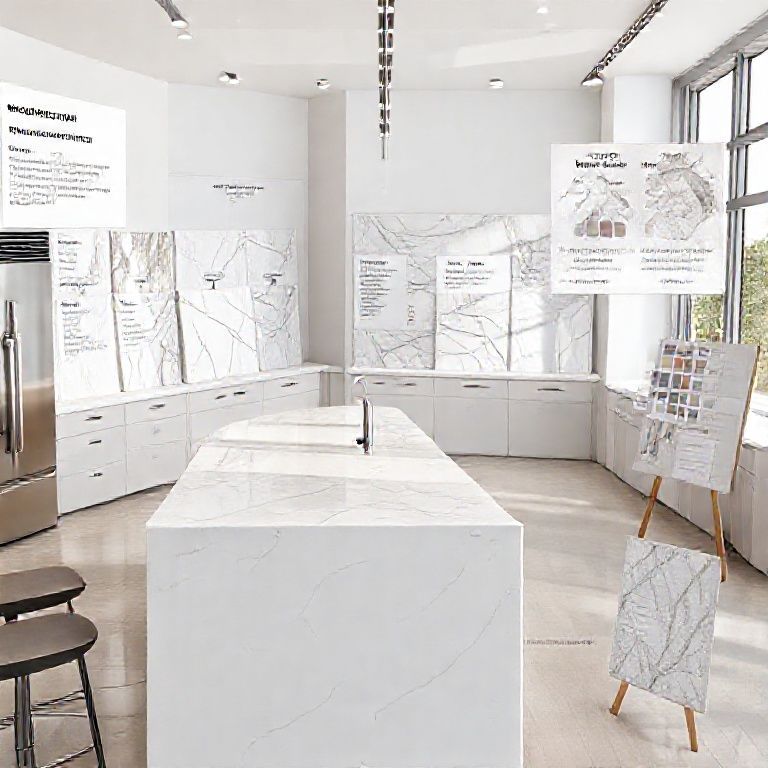
Beyond its aesthetic versatility, Corian boasts a remarkable level of durability. It is resistant to stains, impacts, and high temperatures, making it a resilient choice for busy households. While it’s advisable to use trivets for extremely hot pots and pans to prevent thermal shock, its general resistance to heat is a significant advantage. The non-porous nature of Corian also means it resists the absorption of liquids, preventing wine spills, coffee stains, or grease from seeping into the material and causing permanent discoloration. This inherent stain resistance contributes to its ease of maintenance, a factor that is high on the priority list for many homeowners. A simple wipe with soap and water is often all that’s needed to keep Corian surfaces looking pristine, significantly reducing the time and effort associated with cleaning and upkeep compared to some natural stone alternatives.
The integrated nature of Corian often extends to sinks and backsplashes as well. Seamlessly integrated sinks, crafted from the same Corian material, further enhance the hygiene factor and contribute to the sleek, uncluttered aesthetic. This eliminates the common issue of a separate sink material that can become a breeding ground for grime and detract from the overall design. The ability to extend Corian as a backsplash also creates a unified and flowing look, protecting the wall from splashes and making cleanup a breeze. This holistic approach to design, where all elements can be crafted from the same material, allows for a cohesive and sophisticated finish that is hard to achieve with other substances. In essence, Corian offers a harmonious blend of form and function, providing a canvas for both practical living and inspired design.
While Corian solid surface undeniably presents a compelling array of advantages, a comprehensive understanding requires an equally thorough examination of its potential drawbacks. No material is perfect, and recognizing these limitations is crucial for making an informed decision that aligns with your specific needs and lifestyle.
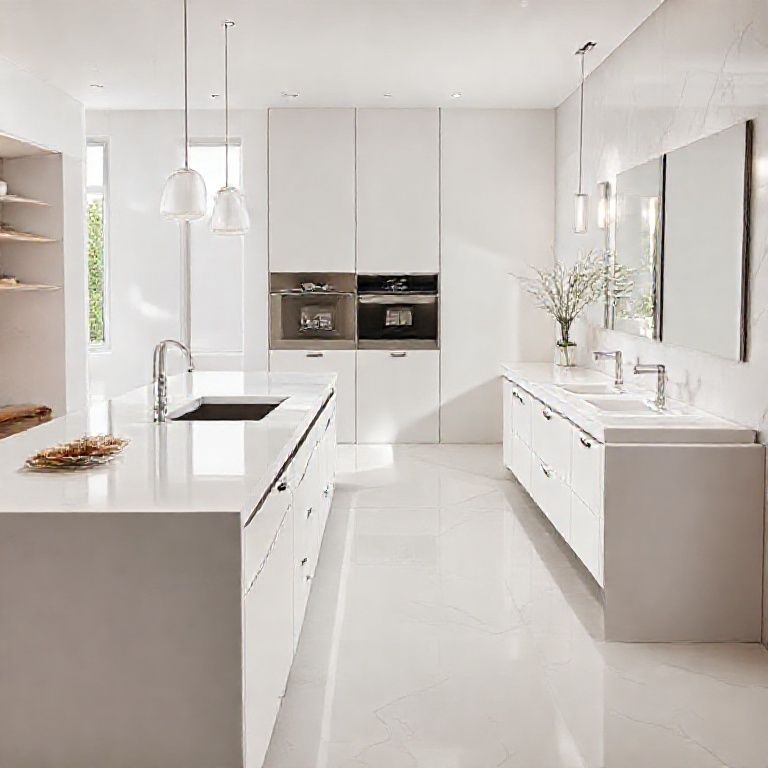
One of the primary considerations when evaluating Corian is its relative softness compared to materials like granite or quartz. While this softness contributes to its ease of fabrication and repair, it also means that Corian can be more susceptible to scratches and chips, especially under heavy use. Sharp knives, abrasive cleaners, or dragging heavy objects across the surface can leave marks that, while often repairable, can be a source of frustration. This is particularly relevant in kitchens where cutting directly on the countertop might be a common habit for some. While a cutting board is always recommended for any countertop surface, with Corian, this advice takes on a greater significance to preserve its pristine appearance. The repair process itself, while effective, can also involve professional intervention for deeper scratches, adding a potential cost and inconvenience.
Another aspect to consider is Corian’s performance under extreme heat. Although it has a decent resistance to moderate heat, prolonged exposure to very high temperatures, such as placing a hot pan directly from the stove onto the surface, can lead to thermal shock. This can result in discoloration, warping, or even cracking. Therefore, the consistent use of trivets and hot pads is essential to protect Corian surfaces from significant heat damage. This is a notable difference from quartz, which generally boasts a higher heat resistance, and some natural stones, which are also quite resilient to heat.
The cost of Corian can also be a factor. While it often falls within a competitive price range, especially when compared to high-end natural stones or premium quartz, it is generally not the most budget-friendly option. The price can vary significantly depending on the color and pattern chosen, with more complex or exotic-looking designs often commanding a higher price tag. Installation costs also need to be factored in, as the specialized fabrication and adhesive techniques required for seamless integration can contribute to the overall investment. Therefore, it’s important to compare pricing across different materials and installation methods to determine the best value for your project.
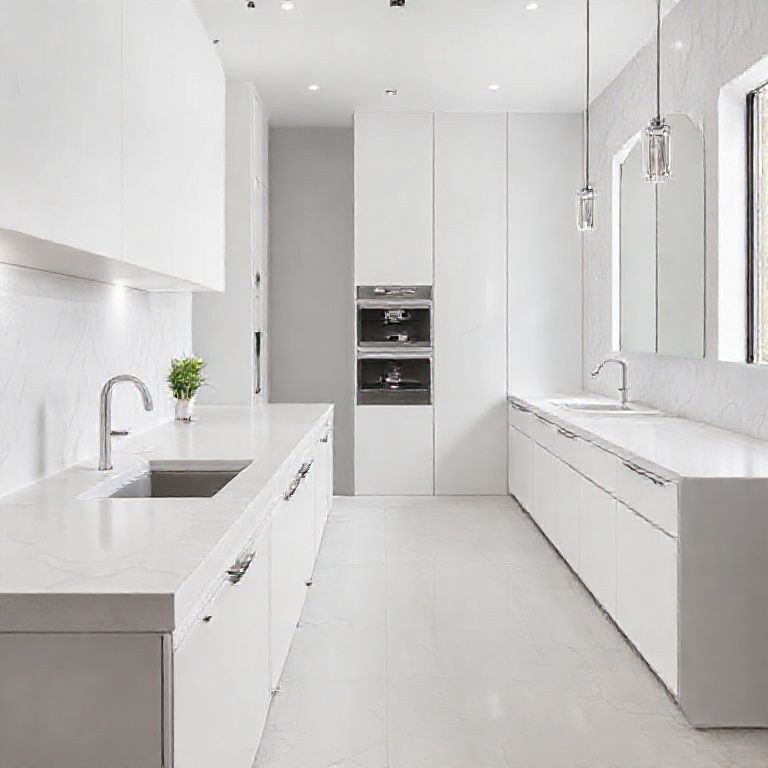
While Corian is lauded for its non-porous nature and resistance to stains, it’s not entirely immune to damage from certain chemicals. Harsh solvents, strong acids, or abrasive cleaning agents can potentially etch or dull the surface. While typical household cleaners are generally safe, it’s always wise to consult the manufacturer’s cleaning guidelines and test any new cleaning products in an inconspicuous area first. This attention to detail in cleaning practices ensures the longevity and aesthetic integrity of the material.
Furthermore, the aesthetic appeal of Corian can be subjective. While its seamless, uniform look is a major selling point for many, some individuals prefer the unique, natural variations and character found in real stone. The perceived artificiality of a perfectly uniform pattern can be a deterrent for those seeking the organic beauty and inherent imperfections of natural materials. The vast array of colors and patterns, while a strength in terms of design flexibility, can also lead to a less “authentic” feel for some compared to the one-of-a-kind nature of granite or marble.
Despite these potential drawbacks, Corian solid surface remains a remarkably versatile and attractive option for a wide range of applications. Its repairability, seamless design potential, hygienic properties, and extensive color palette continue to make it a popular choice for those seeking a blend of contemporary style and practical performance. When weighing the pros and cons, consider your lifestyle, the specific demands of the area where it will be installed, and your personal aesthetic preferences. By understanding both its strengths and weaknesses, you can confidently determine if Corian solid surface is the right material to bring your design vision to life, offering a durable, beautiful, and highly functional foundation for your home.









