
The allure of a pristine, seamless surface in your home is undeniable. In the realm of modern interior design, few materials have captured this essence quite like Corian solid surface. Developed by DuPont, Corian is a brand name for a composite material made from acrylic polymer and alumina trihydrate (ATH). It’s not a stone, not a laminate, but something uniquely its own – a man-made wonder that promises both beauty and brawn. If you’ve ever found yourself gazing at a flawless countertop or a gracefully sculpted sink, chances are you’ve encountered the magic of Corian. But like any star performer, it has its own set of strengths and weaknesses that are worth understanding before you invite it into your living space.

Let’s begin with the symphony of advantages that Corian brings to the table, or more accurately, to your countertops, vanities, and beyond. Perhaps its most celebrated trait is its non-porous nature. This is a game-changer, folks. Unlike natural stones like granite or marble, which can absorb liquids and harbor bacteria, Corian is completely impervious. Spilled wine? No problem. Dropped a glob of tomato sauce? A quick wipe is all it takes. This inherent resistance to staining makes it an incredibly hygienic choice, especially for kitchens and bathrooms where cleanliness is paramount. For families with young children or anyone who appreciates a low-maintenance lifestyle, this feature alone can be a deciding factor. Imagine never having to worry about etching from acidic foods or liquids, or the dreaded discoloration from a forgotten cup of coffee. Corian stands firm, keeping its cool and its clean appearance.
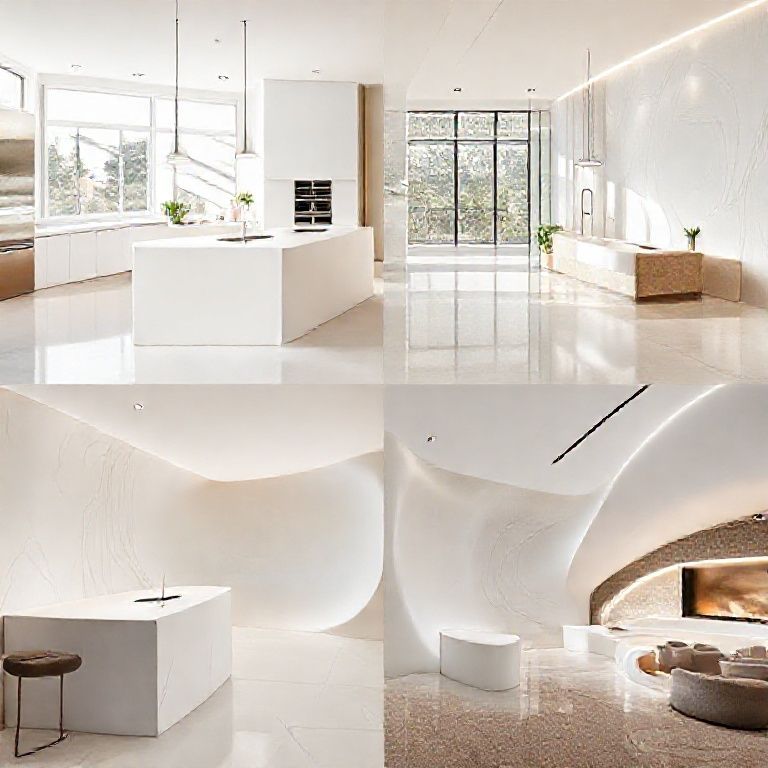
Then there’s the seamless aesthetic. This is where Corian truly shines, quite literally. Because it’s thermoformable – meaning it can be heated and shaped – and its adhesives are designed to blend seamlessly, Corian can be fabricated into virtually any form imaginable, with invisible seams. This allows for the creation of integrated sinks that flow directly into the countertop, eliminating those unsightly caulk lines and dirt-trapping crevices. It enables sweeping curves, intricate inlays, and designs that defy the limitations of traditional materials. This fluidity of form opens up a universe of design possibilities, allowing architects and homeowners to bring their most ambitious visions to life. Whether you’re dreaming of a minimalist masterpiece or a bold, sculptural statement piece, Corian can deliver that sophisticated, uninterrupted look.
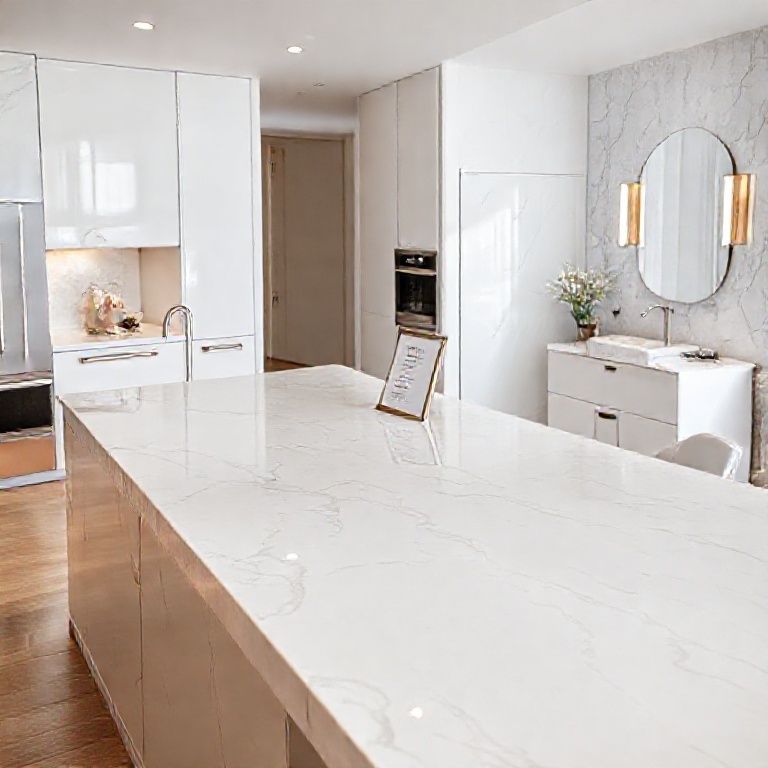
Design flexibility is another hallmark of Corian. It’s available in an astonishing array of colors and patterns, from subtle, earthy tones and crisp whites to vibrant hues and marbled effects that mimic natural stone. This vast palette means you can find a Corian to perfectly complement any décor, from the ultra-modern to the more traditional. Furthermore, its ability to be backlit in certain translucent shades adds a dramatic and ethereal dimension, transforming a simple surface into a luminous focal point. This versatility makes it a favorite among designers seeking to create bespoke and personalized spaces.
Durability and repairability are also key selling points. While not indestructible, Corian is remarkably resilient. It can withstand everyday wear and tear, and in the unlikely event of scratches or chips, it can often be repaired on-site by a qualified technician. Minor scratches can frequently be buffed out, restoring the surface to its former glory. For more significant damage, sections can be seamlessly patched or replaced, a feat that would be significantly more challenging, if not impossible, with materials like granite or quartz. This inherent repairability contributes to its longevity and can save you considerable expense in the long run.
Let’s not forget about food safety. The non-porous nature that makes Corian stain-resistant also means it doesn’t provide a breeding ground for bacteria and mold. This makes it an excellent choice for food preparation surfaces, ensuring a healthier kitchen environment. It also means that it doesn’t require the periodic sealing that natural stones often do, further simplifying maintenance.
Finally, the warm and inviting feel of Corian is often overlooked. Unlike stone, which can feel cold to the touch, Corian has a softer, more tactile quality. This subtle difference can contribute to a more comfortable and welcoming atmosphere in your home. It’s a material that feels as good as it looks, adding a touch of understated luxury to everyday living.
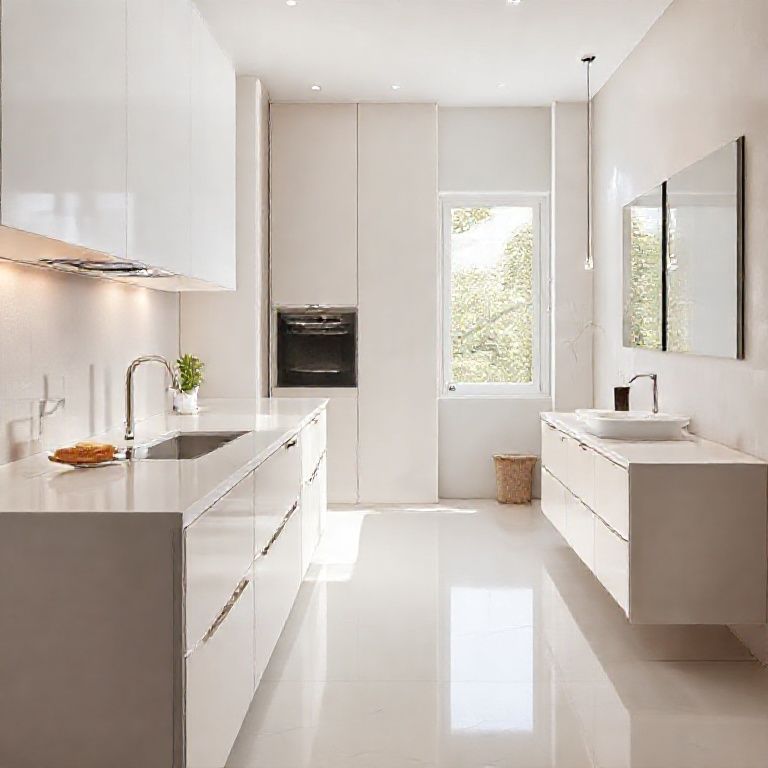
In essence, Corian solid surface presents a compelling case for the modern homeowner and designer. Its hygienic properties, design freedom, seamless integration capabilities, and ease of maintenance paint a picture of a material that is as practical as it is beautiful. It’s a testament to human ingenuity, offering a sophisticated and adaptable solution for a wide range of interior applications. But, as with any comprehensive evaluation, it’s time to turn the page and explore the other side of the coin – the aspects that might give you pause.
While Corian solid surface boasts an impressive roster of advantages, it’s crucial to approach any material selection with a balanced perspective. No product is without its imperfections, and understanding the potential downsides of Corian will empower you to make a truly informed decision. So, let’s delve into the areas where Corian might present challenges, ensuring you have the full picture before committing to this popular material.
One of the most frequently discussed drawbacks of Corian is its susceptibility to scratches. While durable in many respects, its acrylic composition means it is softer than materials like granite or quartz. This makes it more prone to developing superficial scratches from abrasive materials, sharp knives, or even vigorous scrubbing with certain cleaning pads. While these scratches can often be buffed out, as mentioned in its advantages, this requires time, effort, and sometimes professional intervention. For those who tend to be hard on their surfaces or prefer a “set it and forget it” approach to their countertops, the need for careful handling and occasional maintenance might be a significant consideration. It’s a material that benefits from a bit of mindfulness in its daily use.
Heat resistance is another area where Corian falls short compared to some of its competitors. While it can tolerate moderate heat, placing extremely hot pots or pans directly onto a Corian surface can cause thermal shock, leading to discoloration, scorching, or even cracking. Trivets and hot pads are not just recommended; they are essential. This is a significant point to remember, especially in a busy kitchen environment where quick transfers from stove to counter are common. Unlike stone, which generally shrugs off high temperatures, Corian requires a more cautious approach when it comes to heat. This can be a practical limitation for some, adding an extra step to cooking and food preparation.
The cost of Corian can also be a point of contention. While it’s not the most expensive countertop material on the market, it’s certainly not the cheapest either. Its price point generally falls in the mid-to-high range, often comparable to or even exceeding some natural stones. The cost is influenced by the color chosen (some intricate patterns or custom colors can be pricier), the complexity of the fabrication, and the installation. When factoring in the price of integrated sinks and complex edge details, the total investment can become substantial. It’s important to weigh this against the benefits and compare it to other materials that might offer similar aesthetics or performance at a different price point.
While Corian is renowned for its seamless appearance, it’s important to acknowledge that seams, though discreet, can still be visible under certain lighting conditions or upon close inspection, particularly with lighter colors or when the adhesive is not perfectly matched. While professionals strive for invisibility, the fact remains that it is a fabricated material. In high-gloss finishes, these seams can sometimes catch the light. This is usually a minor aesthetic concern, but for those seeking absolute perfection, it’s something to be aware of.
The repair process, while possible, isn’t always foolproof. While minor scratches can often be buffed out, deeper gouges or chips may require professional attention. The repair process involves filling the damaged area with a color-matched resin, which, while often seamless, can sometimes be detected if the color match isn’t absolutely perfect or if the finish differs slightly from the surrounding area. Furthermore, the consistency of the material’s color throughout its thickness means that a patch might look slightly different if the surface wears down unevenly over a very long period.
Finally, it’s worth considering the environmental impact. Corian is a synthetic material, and like many manufactured products, its production involves energy consumption and the use of chemicals. While DuPont has made strides in sustainability, the long-term environmental footprint of producing and eventually disposing of solid surfaces is a factor that some environmentally conscious consumers may wish to investigate further. While it’s durable and can last for many years, its end-of-life disposal is something to consider in the context of a circular economy.
In conclusion, Corian solid surface offers a compelling blend of style, hygiene, and design flexibility, making it a strong contender for many home improvement projects. Its non-porous nature, seamless fabrication, and vast color options are significant advantages. However, its vulnerability to scratches and heat, along with its mid-to-high price point and potential for visible seams, are aspects that warrant careful consideration. By weighing these pros and cons, you can determine whether the lustrous charm and practical benefits of Corian align with your specific needs, lifestyle, and design aspirations, ensuring your investment brings lasting satisfaction.









