
Imagine a surface that flows, uninterrupted, from countertop to backsplash, a single, unbroken plane of color and texture. Picture a material that can be shaped, molded, and sculpted, offering designers and homeowners alike a canvas limited only by their imagination. This is the promise of Corian, a revolutionary solid surface material that, since its inception, has redefined the possibilities of interior design. More than just a countertop, Corian represents a paradigm shift, a move away from the traditional limitations of laminate, tile, and even natural stone, towards a world of seamless integration and unparalleled aesthetic freedom.

The story of Corian begins not in a quarry or a forest, but in the laboratories of DuPont. In the late 1960s, a team of materials scientists, driven by a desire to create something entirely new, embarked on a quest to develop an innovative surfacing material. Their goal was ambitious: to craft a substance that was durable, hygienic, easy to maintain, and aesthetically pleasing, all while offering design flexibility previously unattainable. The result of this intense research and development was a composite material composed of acrylic polymer and alumina trihydrate (ATH), a derivative of bauxite ore. This unique formulation gave Corian its distinctive characteristics – its non-porous nature, its ability to be seamlessly joined, and its inherent warmth to the touch, a departure from the coldness of many stone surfaces.
Launched commercially in 1967, Corian was a revelation. At a time when kitchen and bathroom countertops were often characterized by visible seams, grout lines, and the inherent challenges of sealing porous materials, Corian offered a clean, unbroken aesthetic. Its non-porous surface meant that spills and stains had nowhere to hide, making it exceptionally hygienic and easy to clean. This was a significant advantage, particularly in kitchens and bathrooms where cleanliness is paramount. Unlike natural stone, which can absorb liquids and harbor bacteria, Corian presented a smooth, impenetrable barrier.
The ability to achieve seamless joints was perhaps Corian’s most groundbreaking feature. Through a specialized adhesive, pieces of Corian could be bonded together so effectively that the seam would become virtually invisible. This allowed for the creation of expansive, continuous surfaces that were not only visually stunning but also functionally superior. Imagine a kitchen island that appears to be carved from a single block of material, or a bathroom vanity where the basin and countertop merge as one. This seamless construction also eliminated the nooks and crannies where dirt and grime typically accumulate, further enhancing its hygienic properties.
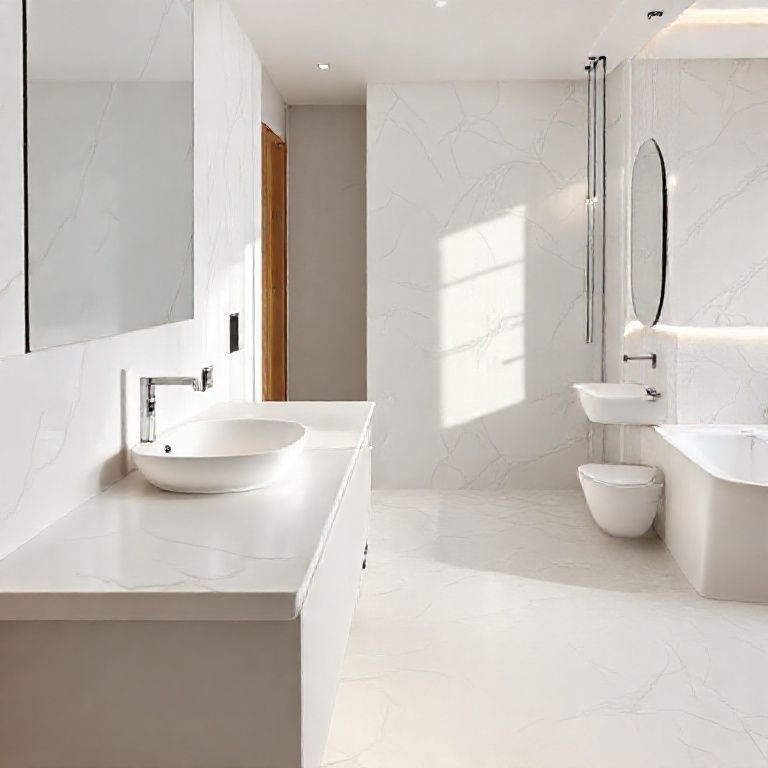
Beyond its practical advantages, Corian opened up a new realm of design possibilities. Its inherent malleability, when heated, allowed it to be thermoformed into curves, waves, and intricate shapes. This transcended the limitations of traditional materials that were typically cut and joined in straight lines. Architects and designers could now conceive of more organic, flowing forms, transforming countertops from mere functional elements into sculptural statements. The material could also be routed, inlaid, and backlit, allowing for intricate patterns, custom logos, and ambient lighting effects that added layers of sophistication and personalization to any space.
The palette of Corian has always been a significant part of its appeal. DuPont initially offered a range of subtle, classic colors, but as the material gained traction, the spectrum expanded dramatically. From crisp whites and deep blacks to vibrant hues and intricate veining patterns that mimicked natural stone, Corian provided an almost endless array of aesthetic choices. This versatility meant that Corian could adapt to any design style, from minimalist modern to traditional classic, becoming a preferred material for both residential and commercial applications.
In the realm of commercial spaces, Corian’s durability, hygiene, and aesthetic flexibility proved particularly valuable. Hospitals and healthcare facilities embraced its non-porous and easily cleanable surface for operating rooms, labs, and patient areas, where infection control is critical. Retail environments utilized its ability to be shaped into eye-catching displays, reception desks, and point-of-sale counters, creating memorable brand experiences. Hotels and restaurants found Corian to be an ideal choice for high-traffic areas, offering both a luxurious appearance and the resilience needed to withstand daily use. The material’s ability to be repaired and restored, often without visible evidence of damage, also contributed to its long-term value and appeal in demanding commercial settings.
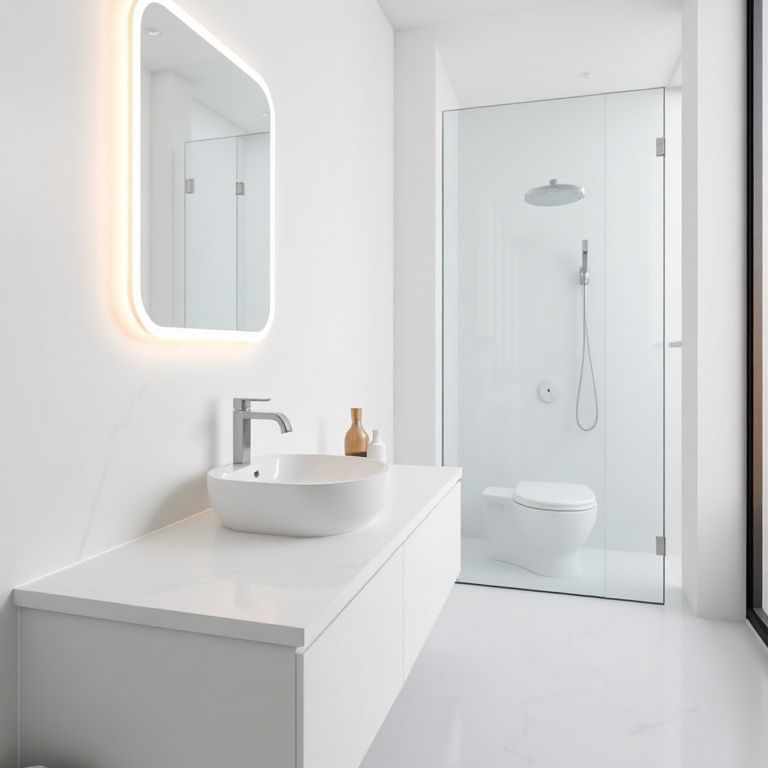
The fabrication of Corian is a specialized craft, requiring skilled artisans who understand the material’s unique properties. Unlike cutting a piece of granite, working with Corian involves precise cutting, routing, sanding, and bonding techniques. The ability to create seamless joints is a testament to the expertise of these fabricators, who transform raw sheets of Corian into custom-designed masterpieces. This intricate process, coupled with the advanced formulation, contributed to Corian’s initial positioning as a premium surfacing material, a symbol of innovation and sophisticated design. The legacy of Corian, therefore, is not just about a material; it’s about a revolution in how we conceive of and interact with the surfaces that shape our everyday environments.
The evolution of Corian is a fascinating narrative of continuous innovation, pushing the boundaries of what a solid surface material can achieve. While its initial introduction was groundbreaking, DuPont, and later manufacturers, have consistently refined the formulation and expanded the possibilities of Corian, ensuring its relevance and appeal in an ever-evolving design landscape. This ongoing commitment to research and development has addressed not only aesthetic desires but also functional demands and growing environmental consciousness.
One of the key areas of advancement has been in the development of new textures and finishes. While the smooth, matte finish was the hallmark of early Corian, the material can now be produced with a range of textures, from subtle patterns to more pronounced tactile surfaces. This allows for a broader range of design applications, offering architects and designers more options to create sensory experiences within a space. Imagine a bathroom vanity with a gently textured surface that adds a touch of tactile luxury, or a reception desk with a subtle pattern that enhances its visual depth.
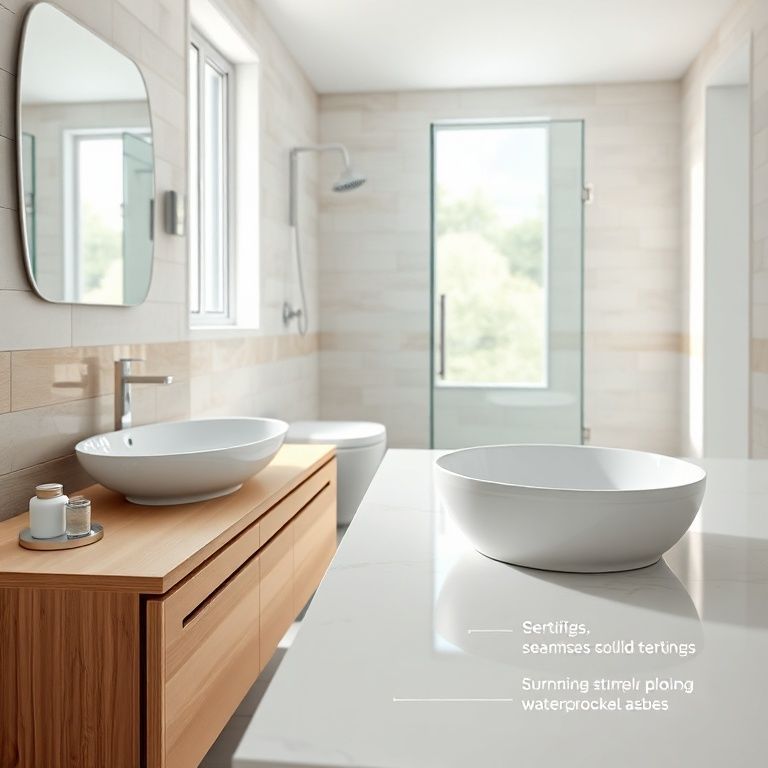
Furthermore, the integration of new technologies has allowed for even more sophisticated design applications. The ability to embed other materials within Corian, such as LEDs for illuminated panels or even natural elements for unique artistic effects, has opened up new avenues for creative expression. Backlighting, which was an early innovation, has become even more refined, allowing for intricate patterns and subtle glows that transform the ambiance of a room. This capability is particularly impactful in commercial settings, where it can be used to create dramatic focal points, brand displays, or simply to add an element of understated elegance.
The development of new color palettes has also been a continuous process. While the original range offered a solid foundation, the modern Corian palette is vast and dynamic. It includes an array of sophisticated neutrals, bold, saturated colors, and increasingly, patterns that convincingly mimic the natural beauty of marble, granite, and other stones. This evolution addresses the diverse tastes of homeowners and the specific aesthetic requirements of commercial projects, allowing Corian to seamlessly integrate into virtually any interior design scheme. The ability to achieve these natural stone looks without the inherent porosity, maintenance challenges, and environmental impact of quarrying natural stone has become a significant selling point.
The issue of sustainability has also become increasingly important in the manufacturing and use of building materials. Corian has responded to this by focusing on manufacturing processes that minimize waste and by developing formulations that can contribute to LEED (Leadership in Energy and Environmental Design) certifications. Many Corian products are now made with a significant percentage of recycled content, and the material itself is known for its durability and longevity, reducing the need for frequent replacement. The fact that Corian can be repaired and restored, rather than being discarded when damaged, further enhances its sustainable credentials. This ability to breathe new life into existing installations reduces landfill waste and the demand for new resources.
The fabrication process itself has also seen advancements, with more efficient cutting and bonding techniques that further minimize waste and reduce installation times. The development of specialized CNC (Computer Numerical Control) machinery allows for incredibly precise fabrication, enabling complex designs and perfect fits. This precision ensures that the seamless integration, a hallmark of Corian, is achieved with exceptional accuracy, contributing to both the aesthetic and functional performance of the final installation.
In terms of maintenance, Corian continues to offer a significant advantage. Its non-porous surface means that it resists stains from common household items like coffee, wine, and grease. Routine cleaning with soap and water is typically all that is required to keep surfaces looking pristine. For more stubborn stains or minor scratches, a mild abrasive cleaner and a soft cloth can often restore the surface to its original condition. The ability for a fabricator to easily repair deeper scratches or chips, by sanding and re-finishing the area, means that Corian surfaces can maintain their beauty and integrity for many years, often outliving many other countertop materials.
The versatility of Corian extends beyond kitchens and bathrooms. It is widely used in healthcare settings for its hygienic properties, in laboratories for its chemical resistance, in educational institutions for its durability, and in retail and hospitality for its aesthetic appeal and customizability. From elegant hotel lobbies and sophisticated restaurant interiors to functional workspaces and vibrant retail displays, Corian has proven itself to be a material that can meet a diverse range of demands. Its ability to be seamlessly integrated into curved walls, custom furniture, and intricate architectural details allows for a cohesive and integrated design aesthetic that is difficult to achieve with other materials.
In conclusion, Corian is more than just a solid surface; it is a testament to human ingenuity and a commitment to evolving design. From its revolutionary beginnings as a seamless, hygienic alternative to traditional materials, it has continuously adapted and innovated. With its vast aesthetic possibilities, its enduring performance, and its increasing focus on sustainability, Corian remains a leading choice for those seeking beauty, functionality, and a touch of timeless elegance in their interior spaces. It’s a material that allows for the seamless fusion of form and function, empowering designers and homeowners to create environments that are as beautiful as they are practical, and as enduring as they are adaptable.









