Cracked Countertops: Expert Tips to Repair and Restore Like a Pro
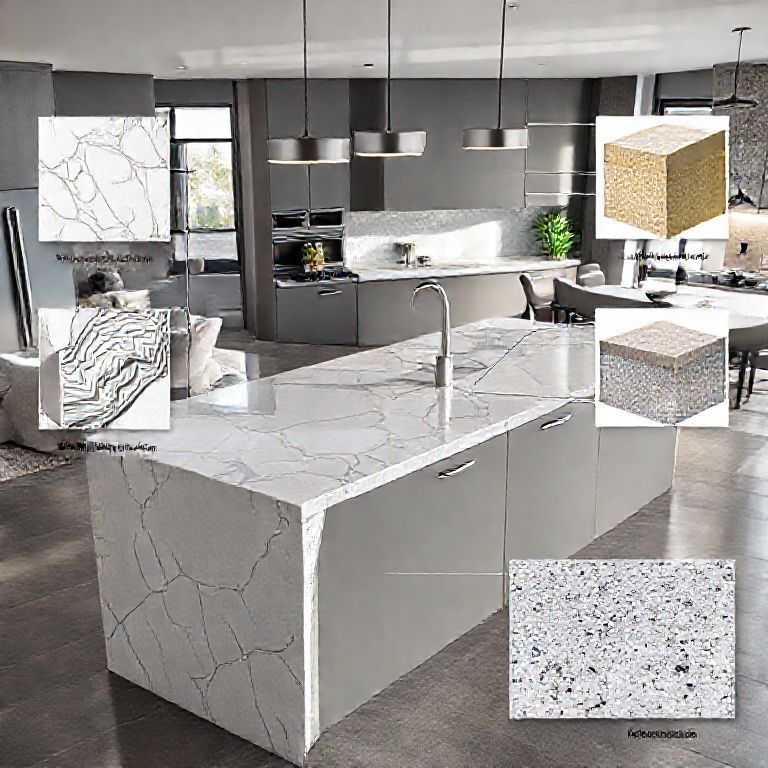
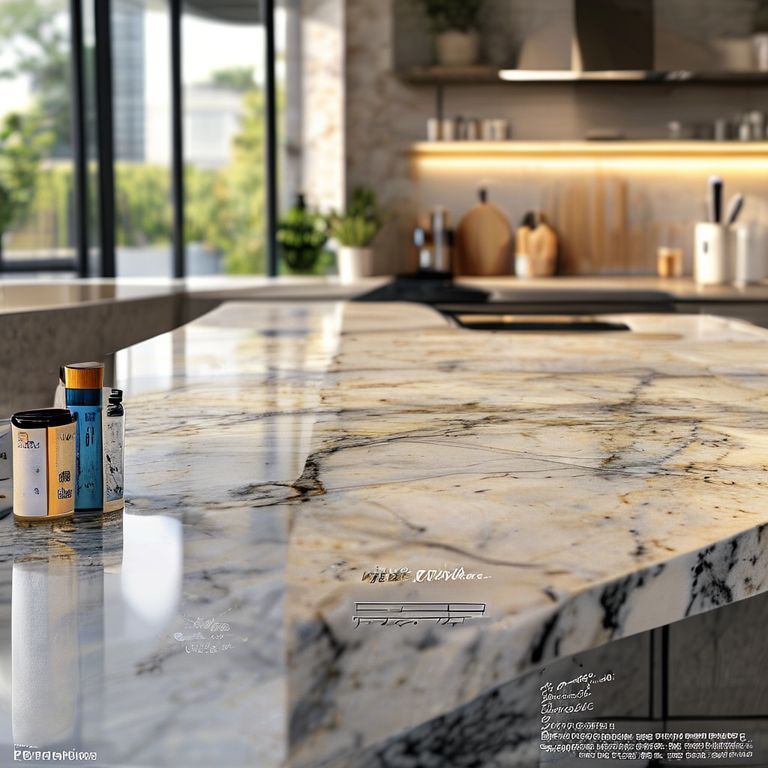
When it comes to maintaining the aesthetic and functional integrity of your kitchen or bathroom, one of the most frustrating issues to encounter is a cracked countertop. Whether it’s a small hairline crack or a larger fissure, addressing the problem promptly is crucial to prevent further damage and maintain the overall appearance of your space. Here are some professional tips and easy-to-follow techniques to repair and restore cracked countertops effectively.
Understanding the Cause of Cracks
Before diving into the repair methods, it’s essential to understand why cracks occur in countertops. Common causes include:
Thermal Stress: Rapid temperature changes can cause cracks, especially in materials like granite or quartz. Physical Impact: Dropping heavy objects or using sharp tools on the surface can lead to cracks. Material Flaws: Manufacturing defects or inherent material weaknesses can result in cracks.
Identifying the cause can help you choose the most appropriate repair method.
Basic Repair Techniques for Minor Cracks
For minor cracks, several straightforward methods can restore your countertop to its former glory:
Epoxy Resin Repair: Materials Needed: Two-part epoxy resin, mixing container, epoxy mixing sticks, applicator tools, gloves, and a mask. Steps: Clean the cracked area thoroughly to remove any dirt, grease, or debris. Mix the epoxy resin according to the manufacturer’s instructions. Apply the mixed resin into the crack using the applicator tools. Smooth out the resin to ensure an even finish and remove any excess. Allow the epoxy to cure as per the instructions before using the countertop. Pro Tip: Choose a color that matches your countertop for a seamless repair. Caulk or Silicone Sealant: Materials Needed: Clear or matching color caulk, caulk gun, utility knife, and a clean cloth. Steps: Cut the tip of the caulk tube to fit the crack size. Insert the caulk tube into the caulk gun and squeeze the caulk into the crack, filling it completely. Smooth the caulk over the crack with a clean cloth for a uniform finish. Allow the caulk to cure as per the instructions before using the countertop. Pro Tip: Use a silicone sealant for added durability, especially in high-moisture areas like bathrooms.
Advanced Repair Methods for Larger Cracks
For larger or more severe cracks, more advanced techniques are required:
Epoxy Patching Compound: Materials Needed: Epoxy patching compound, mixing container, epoxy mixing sticks, trowel, gloves, and a mask. Steps: Clean and dry the cracked area thoroughly. Mix the epoxy patching compound according to the manufacturer’s instructions. Apply the compound to the crack using a trowel, filling the crack completely. Smooth the surface to create a level finish and remove any excess material. Allow the compound to cure as per the instructions. Pro Tip: Use a color-matched epoxy for a seamless repair. Surface Grinding and Refinishing: Materials Needed: Diamond grinding tools, refinishing pads, polishing compound, and safety gear. Steps: Wear safety gear, including goggles and a respirator mask. Use diamond grinding tools to carefully grind down the cracked surface. Follow up with refinishing pads to smooth out the area. Apply a polishing compound to restore the surface shine. Pro Tip: This method requires professional skills and equipment, so consider hiring a professional if you lack experience.
Preventive Measures to Avoid Future Cracks
Prevention is always better than cure. Here are some preventive measures to avoid future cracks:
Use Cutting Boards: Avoid placing hot pots or pans directly on the countertop. Use cutting boards or trivets to protect the surface. Avoid Abrasive Cleaners: Opt for non-abrasive cleaners to prevent scratches and chips. Immediate Repairs: Address small cracks immediately to prevent them from spreading. Temperature Control: Avoid exposing countertops to extreme temperature changes.
By following these tips and techniques, you can effectively repair and restore cracked countertops, ensuring your kitchen or bathroom remains a beautiful and functional space.
Cracked Countertops: Expert Tips to Repair and Restore Like a Pro
Continuing from our first part, here are more advanced and professional tips to tackle cracked countertops with ease. Whether you’re dealing with a small crack or a larger fissure, these comprehensive methods will help you restore the beauty and functionality of your surfaces.
Using Composite Materials for Durable Repairs
For more durable repairs, especially in high-traffic areas, consider using composite materials:
Cementitious Polymers: Materials Needed: Cementitious polymer repair kit, mixing container, trowel, gloves, and a mask. Steps: Clean the cracked area thoroughly to remove dirt and debris. Mix the cementitious polymer according to the manufacturer’s instructions. Apply the mixed polymer into the crack using a trowel, filling it completely. Smooth the surface to create a level finish and remove any excess. Allow the polymer to cure as per the instructions. Pro Tip: Choose a color-matched polymer for a seamless repair. Self-Leveling Compounds: Materials Needed: Self-leveling compound, mixing container, trowel, gloves, and a mask. Steps: Clean and dry the cracked area thoroughly. Mix the self-leveling compound according to the manufacturer’s instructions. Spread the compound over the crack using a trowel. Allow the compound to level itself and cure as per the instructions. Pro Tip: This method is ideal for repairing uneven surfaces and creating a smooth finish.
Professional Repair Services
While DIY methods can be effective, sometimes it’s best to hire a professional for complex repairs:
Hiring a Countertop Specialist: Look for a professional with experience in repairing the specific type of countertop you have. Get multiple quotes and check references to ensure you’re hiring a reputable service. Discuss the repair method they will use and the expected outcome. Using Factory-Trained Technicians: If your countertop is under warranty, contact the manufacturer for factory-trained technicians. Factory technicians have specialized knowledge and equipment to handle repairs correctly.
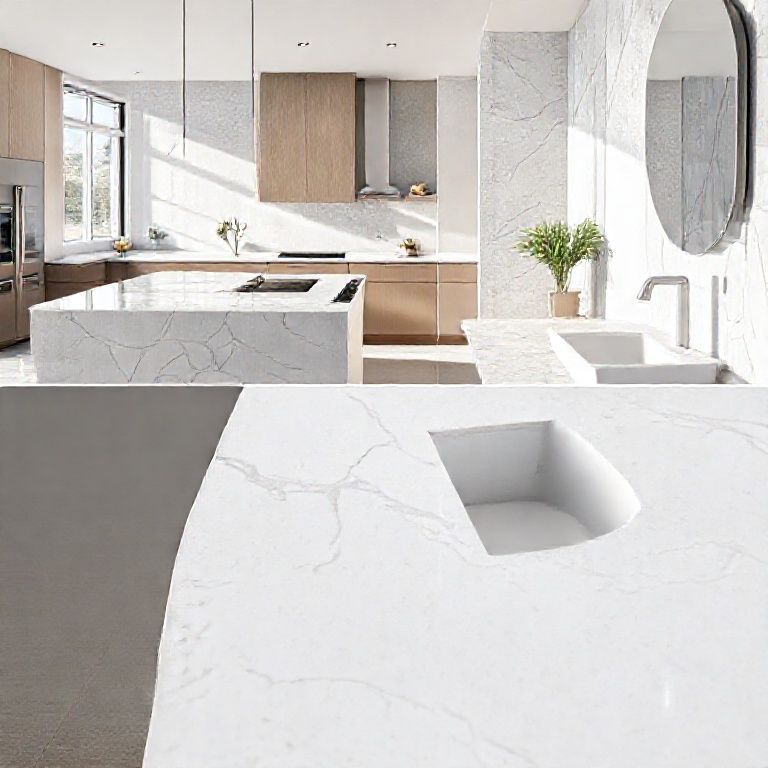
Restoration Techniques for Different Countertop Materials
Different materials require different repair techniques. Here’s how to handle various types of countertops:
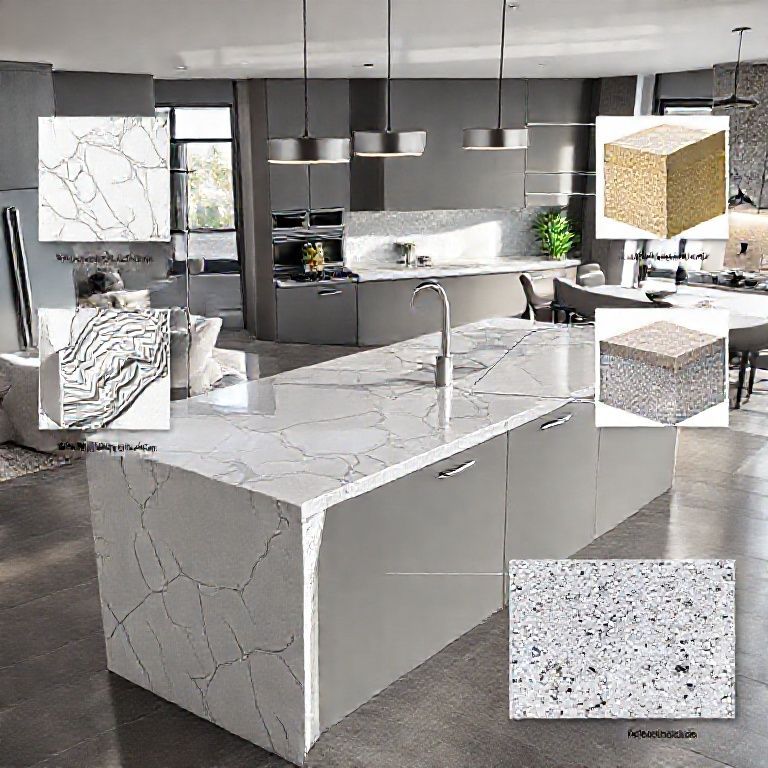
Granite: Minor Cracks: Use epoxy resin or a granite repair kit to fill and smooth out the crack. Major Cracks: For larger cracks, grinding and resurfacing may be necessary. Professional services are recommended for this. Quartz: Minor Cracks: Apply epoxy resin or use a quartz repair kit. Major Cracks: For larger cracks, consider professional grinding and resurfacing services. Marble: Minor Cracks: Use a marble repair kit that includes a filler and a colorant to match the marble. Major Cracks: Professional restoration services are recommended for significant damage. Laminate: Minor Cracks: Use a laminate repair kit with matching filler and colorant. Major Cracks: For larger cracks, consider replacing the damaged section or the entire countertop.
Creative Repair Solutions
Sometimes, creative solutions can provide an effective and aesthetic repair:
Mosaic Patching: Materials Needed: Mosaic tiles, tile adhesive, grout, grout sealer, tile cutter, and grout float. Steps: Cut small mosaic tiles to fit the crack. Apply tile adhesive to the crack and press the mosaic tiles into place. Fill the gaps between the tiles with grout. Smooth the grout with a grout float and allow it to cure. Seal the grout to protect it from stains. Custom Patching: Materials Needed: Matching countertop material, adhesive, saw, sandpaper, and polish. Steps: Cut a piece of matching countertop material to fit the crack. Apply adhesive to the back of the patch and press it into the crack. Smooth the surface with sandpaper and polish to blend it with the surrounding area. Allow the adhesive to cure completely.
Maintaining Your Countertops for Longevity
家具维护
木制家具 清洁:使用温和的肥皂水清洁,避免使用强烈的化学清洁剂。 保护:定期使用木油或保护漆,防止干裂和磨损。 抛光:用抛光剂定期抛光,保持光泽。 布艺家具 清洁:根据材质选择合适的清洁剂,用湿布轻轻擦拭。不建议浸泡。 防护:定期使用防污喷雾,防止污渍粘附。
皮质家具 清洁:用干净的软布轻拭,避免使用水或化学清洁剂。 保湿:使用皮革保养油,保持皮质柔软,防止干裂。
电器设备维护
厨房电器 微波炉:定期清洁内部,避免油污积累。 洗碗机:清洁过滤器,保持水流畅通。 家用电器 洗衣机:定期清洁过滤器和内筒,防止细菌滋生。 烘干机:清洁过滤网,确保热风顺畅。
汽车维护
车辆外观 清洗:定期清洗车辆,使用车用洗涤剂和软布。 抛光:定期抛光车漆,保持光泽。 车内清洁 地毯:定期吸尘,使用专用清洁剂清洗。 座椅:根据材质选择合适的清洁方法。
日常用品
鞋子 皮鞋:使用皮革护理油,保持皮质光泽。 运动鞋:用软布擦拭,定期使用专用清洁剂。 眼镜 清洁:用专用镜片清洁布和清洁液清洁,避免手指直接接触镜片。
其他小建议
储存:不使用的物品应妥善存放,避免长期暴露在潮湿或高温环境中。 检查:定期检查各类设备和家具,发现问题及时处理。