Understanding and Addressing Cracked Kitchen Countertops
${part1}
Cracked kitchen countertops are a common issue that many homeowners face, and it can be both frustrating and alarming. These cracks can happen for various reasons, such as accidental drops, impacts, or even natural wear and tear over time. Regardless of the cause, a cracked countertop can detract from the overall aesthetics of your kitchen and, if left unattended, may even pose safety hazards.
Why Your Countertops Crack
Understanding why your kitchen countertops crack is crucial to finding the right solution. Here are some of the most common reasons behind cracked countertops:
Material Weakness: Certain materials like quartz or granite can be prone to cracking under pressure or impact. Thermal Stress: Rapid changes in temperature can cause expansion and contraction, leading to cracks. Manufacturing Flaws: Some cracks may result from imperfections in the manufacturing process. Natural Wear and Tear: Over time, daily use can weaken the material, leading to cracks.
Immediate Steps to Take
When you first notice a crack, it’s important to act quickly to prevent it from worsening. Here are some immediate steps you should take:
Stop Using the Countertop: Avoid placing hot pots, pans, or anything heavy on the cracked area. Clean the Crack: Gently clean the area around the crack to prevent dirt and debris from seeping into it. Assess the Damage: Determine the extent of the crack to understand the best repair method.
DIY Repair Options
For minor cracks, there are several DIY repair options that you can consider. These methods are not only cost-effective but also easy to implement with the right tools and materials.
Epoxy Resin: Epoxy resin is a popular choice for repairing cracks in countertops. It’s available at most hardware stores and comes in a two-part kit that you mix together. Follow the instructions carefully to apply it to the crack and let it cure for the recommended time. Epoxy resin is strong and can often make a crack virtually invisible.
Polyurethane Sealant: Polyurethane sealant can also be used to fill in small cracks. It’s easy to apply and comes in a variety of colors that match your countertop. Simply clean the crack, apply the sealant with a brush or a caulk gun, and let it dry.
Super Glue: For very minor hairline cracks, super glue can be a quick fix. It’s strong and can bond the pieces back together. However, this method is generally not recommended for larger cracks.
When to Call a Professional
While DIY methods can handle minor cracks, larger or more complex issues require professional intervention. Here’s when you should consider calling in a professional:
Deep Cracks: If the crack is deep or goes through multiple layers of the countertop material, it’s best to hire a professional. Widespread Damage: If several areas are cracked or if the damage is extensive, a professional can provide a more reliable and long-lasting solution. Aesthetic Concerns: If the crack is large and you’re concerned about the appearance, a professional repair or even a full countertop replacement might be the best option.
Preventative Measures
To prevent future cracks, consider these tips:
Use Cutting Pads: Always use cutting boards and pads to protect your countertops from sharp objects. Avoid Extreme Temperatures: Try to avoid placing hot items directly on the countertop. Use trivets or heat-resistant pads. Regular Maintenance: Clean and maintain your countertops regularly to prevent wear and tear.
In the next part of this article, we will delve deeper into professional repair techniques, the cost of repairs, and explore various countertop materials and their maintenance tips. Stay tuned!
Professional Repair Techniques and Long-Term Solutions
${part2}
When it comes to fixing cracked kitchen countertops, professional repair techniques offer a more reliable and long-lasting solution compared to DIY methods. In this part, we’ll explore in-depth professional repair options, the cost of repairs, and maintenance tips for various countertop materials to ensure your kitchen remains beautiful and functional for years to come.
Professional Repair Techniques
Professional repairs are essential for tackling larger or more complex cracks. Here’s how a professional repair typically goes:
Assessment and Cleaning: The first step is a thorough assessment of the damage. Professionals will clean the area around the crack to ensure that no dirt or debris interferes with the repair process.
Crack Filling: Depending on the severity of the crack, the repair technician might use advanced materials like specialized resins or composites to fill and reinforce the crack. This often involves grinding down the crack, applying a filler material, and then polishing the surface to match the countertop’s finish.
Overlay or Replacement: For extensive damage, an overlay might be applied. This involves applying a new layer of material over the cracked area to restore the surface. In some cases, a full replacement might be recommended, especially if the crack is deep or if the countertop material has significant wear.
Sealing and Finishing: After the repair, the surface is sealed to protect it from future damage. This might involve applying a sealant or a new layer of the countertop material to ensure it blends seamlessly with the rest of the surface.
Cost of Professional Repairs
The cost of professional countertop repairs can vary depending on several factors:
Size and Complexity of the Crack: Larger or more complex cracks will naturally cost more to repair. Type of Countertop Material: Repairing materials like granite or quartz can be more expensive than repairing composite materials due to the nature of the material and the techniques required. Location of the Crack: Cracks in visible areas or in high-use zones might require more intricate repairs, hence costing more. Labor Costs: Depending on your location, labor costs can vary.
On average, minor repairs can cost anywhere from $50 to $200, while extensive repairs might range from $200 to $1,000 or more. It’s always best to get a quote from a professional to understand the exact cost involved.
Maintenance Tips for Different Countertop Materials
To prolong the life of your kitchen countertops and prevent future cracks, it’s essential to follow specific maintenance tips for different materials:
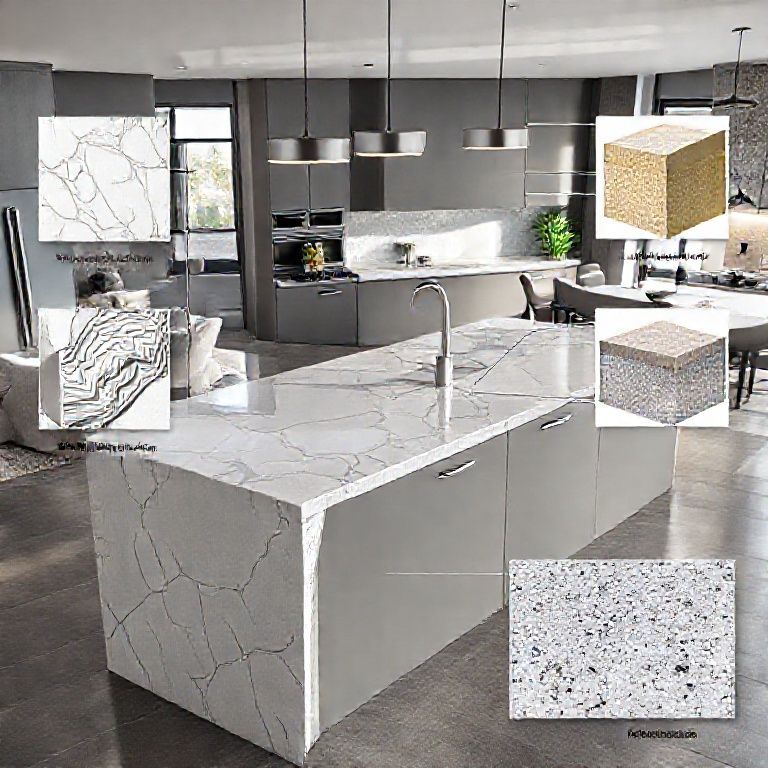
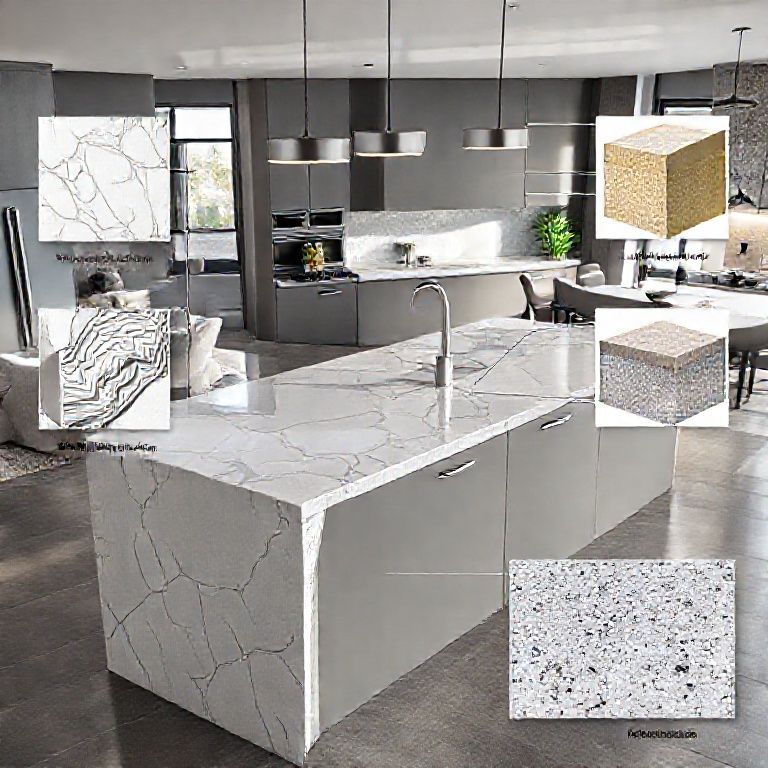
Granite: Cleaning: Use mild soap and water or a granite-specific cleaner. Avoid abrasive cleaners and sponges. Sealing: Granite countertops need to be sealed every 6 to 12 months to maintain their resistance to stains and scratches. Avoiding Damage: Use coasters for drinks and pads for cutting to prevent scratches and chips. Quartz: Cleaning: Use a mixture of warm water and dish soap. Avoid acidic or alkaline cleaners. Avoiding Damage: Quartz is durable but can still crack under extreme pressure. Use pads for cutting and avoid placing heavy objects directly on the surface. Maintenance: Regular cleaning and occasional sealing can help maintain its appearance. Composites (e.g., Formica, Corian): Cleaning: Use mild soap and water or a surface-specific cleaner. Avoid abrasive materials. Avoiding Damage: These materials are generally more resistant to scratches but can crack under heavy impacts. Use pads for cutting and avoid sharp objects. Maintenance: Regular cleaning and applying a surface protector can help maintain its shine and durability. Marble: Cleaning: Use a pH-neutral cleaner and a soft cloth. Avoid vinegar or acidic cleaners. Sealing: Marble needs to be sealed frequently due to its porous nature. Avoiding Damage: Use coasters and pads for cutting to prevent scratches and etching.
Long-Term Solutions for Cracked Countertops
If a crack is too extensive to repair, or if you’re dealing with a countertop that is prone to cracking, consider these long-term solutions:
Countertop Replacement: For severe damage, replacing the countertop entirely might be the best option. Modern materials like quartz, granite, and composites offer durability and aesthetic appeal. Countertop Repair Kits: For minor repairs, specialized kits are available that can make the repair process easier and more effective. Professional Design Consultation: Sometimes, the best solution is a complete redesign. Professionals can offer custom solutions that blend with your kitchen’s overall design while addressing the need for durability.
Final Thoughts
Cracked kitchen countertops are a common problem, but with the right approach, you can restore your kitchen’s beauty and functionality. Whether you opt for a DIY repair or seek professional help, understanding the best methods and preventative measures can save you time, money, and frustration. By following proper maintenance tips and considering long-term solutions, you can ensure your kitchen countertops remain in top condition for years to come.
1. 预防措施
a. 使用保护垫
切割垫:在使用刀具或其他尖锐物品时,使用切割垫来保护台面。 餐具垫:避免热饮直接接触台面,使用餐具垫。
b. 适当的清洁
pH中性清洁剂:使用中性清洁剂清洁台面,避免酸性或碱性物质,这些物质可能会导致材料的损耗。 及时清理溢出物:立即清理溢出的液体,防止它们在台面上长时间停留,以免腐蚀材料。
c. 避免重物
轻放物品:放置重物时要轻放,避免直接压力,尤其是在脆性材料如大理石或花岗岩上。
2. 裂缝修复
a. 小裂缝修复
填充剂和涂料:一些小裂缝可以使用专门的填充剂和涂料来修复。选择与台面颜色相匹配的产品。 聚氨酯树脂:高质量的聚氨酯树脂可以用来填补裂缝,之后抛光使其看起来如同原来的台面。
b. 大裂缝处理
重新安装:对于无法修复的裂缝,可能需要重新安装台面。这通常需要专业人员来处理,以确保台面的稳定性和美观性。
3. 材料选择
a. 耐用材料
石英石:石英石是一种高度耐用的材料,具有极高的抗裂性和抗压强度。 复合材料:一些高级的复合材料也具有优秀的耐用性和美观性,适合用于需要频繁使用的区域。
b. 定期检查
定期检查:定期检查台面是否有新的裂缝或损坏,及时处理可以防止问题恶化。
4. 专业服务
a. 寻求专业帮助
专业修复:对于复杂的裂缝问题,建议寻求专业修复服务。专业人员有经验和工具来有效修复和预防裂缝。
b. 保修服务
保修服务:如果台面是新安装的,查看是否有保修服务,这样可以免费或低成本地修复或更换。
5. 环境因素
a. 控制湿度
防潮措施:在潮湿环境中,材料可能会因为水分膨胀或收缩而产生裂缝。使用防潮措施,如防潮板和湿度控制器。
b. 温度变化
温控措施:温度急剧变化也会导致裂缝。使用温控措施,如热源和制冷系统,来维持台面周围的稳定温度。
6. 家庭自我保护
a. 小技巧
厨房布局:合理布置厨房,避免重物放置在易受损的地方。 使用垫子:在台面上放置餐具垫和切割垫,以减少摩擦和冲击。
b. 教育家庭成员
教育家庭成员:教育家庭成员关于如何正确使用和保养台面的重要性,使每个人都参与到保护台面的行动中。
通过这些方法,您可以有效地处理已经存在的裂缝,并采取预防措施,以确保您的台面长期保持良好的状态。如果有更多具体问题或需要进一步的建议,欢迎继续提问。