Discover the best ways to address and fix cracks in your kitchen countertop. From identifying the type of material to DIY fixes and professional help, this comprehensive guide will ensure your kitchen looks as good as it feels. Learn how to maintain your countertop and prevent further damage.

kitchen countertop, cracks, repair, fix, DIY, professional help, maintenance, kitchen renovation, countertop material, kitchen design
Part 1
${part1}
Introduction
A kitchen is the heart of the home, where meals are prepared and family gatherings often take place. Your kitchen countertop is a central feature, but it’s also a high-traffic area that can be prone to wear and tear. One common issue that many homeowners face is a crack in the kitchen countertop. Cracks can be unsightly and potentially dangerous, making it essential to address them promptly. In this first part of our guide, we will explore the various types of kitchen countertops, the causes of cracks, and some effective DIY solutions to repair them.
Understanding Your Countertop Material
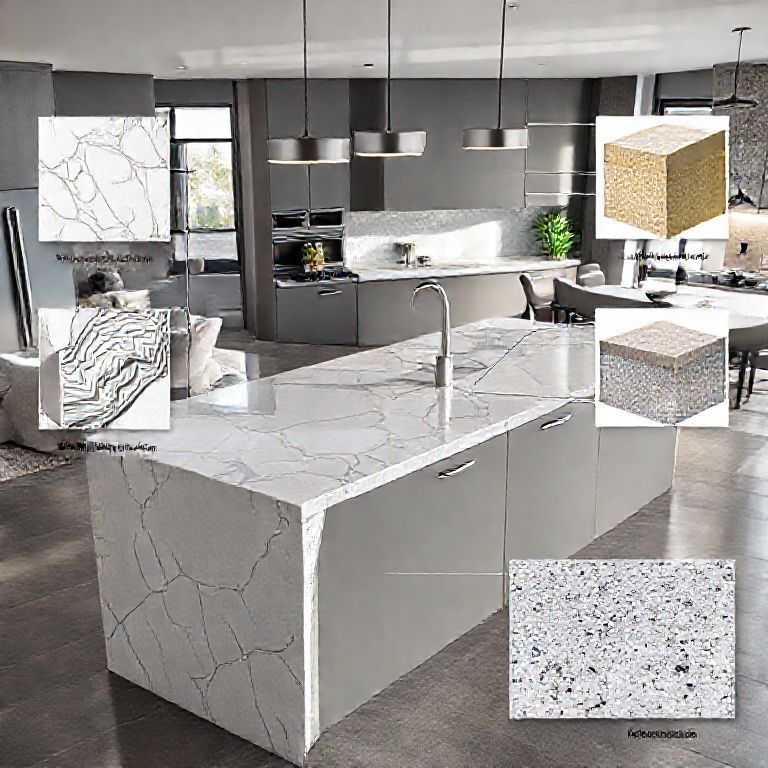
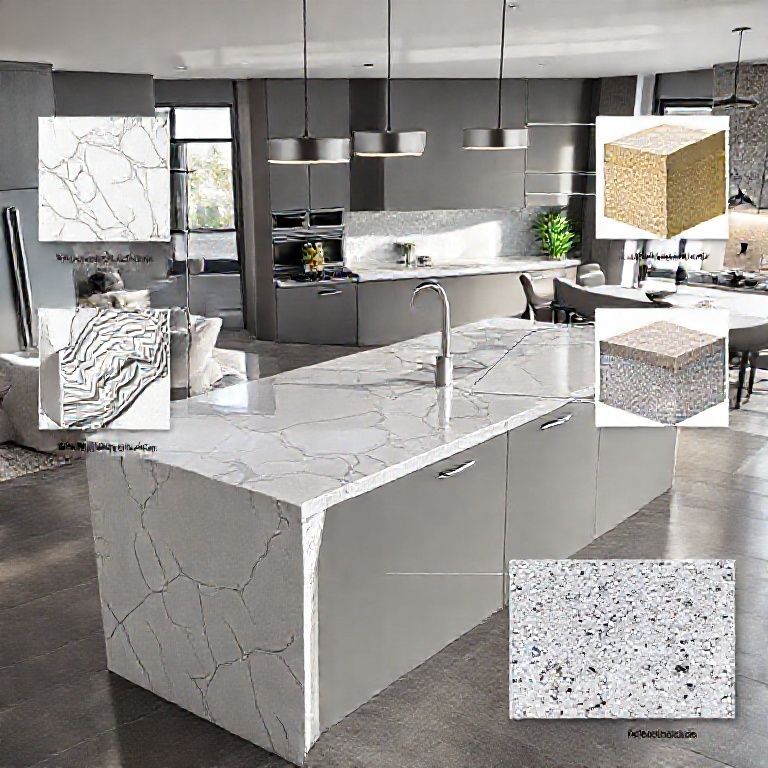
The type of material your kitchen countertop is made of plays a crucial role in how you should approach repairs. Here are the most common types of kitchen countertops and their specific characteristics:
Granite: Known for its durability and natural beauty, granite is a popular choice. However, it is also brittle and can crack under heavy impacts or from thermal shock.
Quartz: This synthetic stone is highly durable, stain-resistant, and easy to clean. It is also less likely to crack compared to natural stones.
Marble: Marble is beautiful and elegant but is softer and more prone to scratches and chips. It’s also sensitive to acids.
Laminate: This is an affordable, low-maintenance option but can chip and scratch easily. It’s not as durable as natural stone.
Slate: Slate is durable and can withstand heavy use, but it is also prone to cracking.
Composite: This type combines stone dust with resin, offering a balance between durability and cost. It’s also prone to scratches and chips.
Knowing the material of your countertop will help you choose the best repair method.
Common Causes of Cracks
Several factors can lead to cracks in kitchen countertops:
Impact Damage: Dropping heavy objects or using sharp tools can cause immediate cracks. Thermal Shock: Sudden changes in temperature can cause natural stone countertops to crack. Wear and Tear: Over time, normal use can lead to cracks, especially in less durable materials like laminate or composite. Structural Issues: Foundation problems or improper installation can also lead to cracks.
Understanding these causes can help you prevent future damage and choose the right repair method.
DIY Repair Solutions
Depending on the type of material and the extent of the damage, there are several DIY solutions you can try. Here are some methods for the most common countertop materials:
Granite: For minor hairline cracks, you can use epoxy resin specifically designed for granite. Mix the resin according to the instructions, apply it to the crack, and smooth it out with a brush or cloth.
Quartz: For small cracks, you can use a specialized quartz repair kit. These kits often contain a filler and a hardener. Mix the components, apply them to the crack, and smooth them out to match the surface.
Marble: For minor cracks, a marble repair epoxy can be used. Clean the area thoroughly, mix the epoxy, apply it to the crack, and let it cure according to the manufacturer’s instructions.
Laminate: For minor chips and cracks, you can use a laminate repair kit. These kits typically include a filler and hardener. Mix the components, apply them to the crack, and smooth them out.
Slate: For minor cracks, you can use a slate repair epoxy. Clean the area, mix the epoxy, apply it to the crack, and let it cure.
Composite: For small chips and cracks, a composite repair kit can be used. Mix the components, apply them to the crack, and smooth them out.
Preventive Measures
To prevent future cracks, consider these tips:
Use Cutting Pads: Protect your countertop from sharp objects by using a cutting pad. Heat-Resistant Pads: Place heat-resistant pads under pots and pans to prevent thermal shock. Regular Maintenance: Clean and maintain your countertop regularly to prevent stains and scratches.
Conclusion
Cracks in your kitchen countertop can be a serious issue, but with the right knowledge and tools, they can be repaired effectively. Understanding the type of material and the cause of the crack will guide you in choosing the best repair method. DIY solutions are often sufficient for minor damage, but for more extensive repairs, professional help might be necessary. By taking preventive measures, you can extend the life of your countertop and keep your kitchen looking its best.
Part 2
${part2}
When to Call a Professional
While DIY repairs can handle minor damage, there are situations where professional help is necessary. Here are some scenarios when it’s best to call a professional:
Large Cracks or Breaks: If the crack is extensive or involves multiple pieces, a professional can provide a more durable and aesthetically pleasing repair. Deep Grooves and Chips: Deep grooves and chips often require specialized tools and expertise to repair properly. Structural Issues: If the crack is due to underlying structural problems, a professional can identify and fix the root cause. Aesthetic Concerns: If the repair does not look good or is not durable, a professional can ensure a seamless and long-lasting fix.
Professional Repair Services
When you decide to go the professional route, here are some services you can expect:
Full Restoration: Professionals can restore your countertop to its original condition, often at a fraction of the cost of a replacement.
Custom Repairs: For unique or custom countertops, professionals can provide tailored repair solutions.
Preventive Maintenance: Professionals can offer maintenance tips and services to prevent future damage.
How to Choose a Professional
Choosing the right professional is crucial for a successful repair. Here’s how to find the best service provider:
Check Credentials: Look for professionals who are certified and have experience in your specific type of countertop material. Read Reviews: Check online reviews and ask for references to ensure the professional has a good reputation. Get Quotes: Obtain quotes from multiple professionals to compare prices and services. Ask About Warranty: Ensure the professional offers a warranty on their work to guarantee their repair.
The Repair Process
Here’s what you can expect when hiring a professional:
Initial Assessment: The professional will assess the damage and determine the best repair method.
Cleaning and Preparation: The area will be cleaned and prepared for the repair process.
Repair: Depending on the extent of the damage, the professional may use techniques like epoxy injection, grinding, or full restoration.
Finishing Touches: The professional will smooth out the repaired area and match it to the surrounding surface.
Final Inspection: The professional will inspect the repair to ensure it is durable and aesthetically pleasing.
Cost Considerations
The cost of professional repairs can vary based on several factors:
Type of Countertop: More expensive materials like granite or marble might cost more to repair. Extent of Damage: Larger or more complex repairs will be more expensive. Labor Costs: Labor costs can vary depending on your location and the complexity of the repair. Additional Services: If additional services like cleaning, polishing, or refinishing are required, these will add to the cost.
DIY vs. Professional Repair: Making the Decision
Deciding between DIY and professional repair depends on several factors:
Extent of Damage: Minor cracks can often be fixed with DIY solutions, while extensive damage usually requires professional help. Skill Level: If you have the necessary skills and tools, DIY repairs can save you money. Time and Effort: Professional repairs can save time and effort, especially for complex issues. Aesthetic Outcome: Professionals can often provide a more seamless and durable repair.
Long-Term Maintenance
Once the crack is repaired, it’s essential to maintain your countertop to prevent future damage. Here are some long-term maintenance tips:
Regular Cleaning: Clean your countertop regularly to remove stains and spills. Use Protective Pads: Always use cutting pads, heat-resistant pads, and other protective pads to prevent damage. Avoid Harsh Chemicals: Use mild cleaners and avoid harsh chemicals that can damage the surface. Prompt Repairs: Address small cracks and chips promptly to prevent them from worsening.
Conclusion
Cracks in your kitchen countertop can be a major concern, but with the right approach, they can be effectively repaired. Understanding the type of material, the cause of the crack, and the appropriate repair method is crucial. While DIY solutions can handle minor damage, professional repairs are often necessary for extensive or complex issues. By choosing the right repair method and maintaining your countertop properly, you can ensure its longevity and keep your kitchen looking beautiful. Whether you opt for a DIY fix or professional help, taking timely action is key to preserving the integrity and appearance of your kitchen countertop.
继续:
安全第一
无论你选择DIY修复还是聘请专业人士,安全都是首要考虑的因素。在处理裂缝和修复之前,确保你在安全的环境中工作,特别是如果你使用了化学物品或工具。穿戴适当的个人防护装备(PPE),如手套和护目镜,以确保你的安全。
材料准备
根据你的台面材料,准备适当的修复材料。常见的修复材料包括:
环氧树脂(Epoxy Resin):适用于石英、花岗岩等。 填充剂(Filler)和硬化剂(Hardener):这种组合通常用于石材修复。 胶水(Adhesive):用于连接碎裂的石材块。
清洁台面
在进行任何修复之前,台面必须彻底清洁。使用温和的清洁剂和水,确保所有污垢、油渍和污渍被完全清除。用干净的布轻轻擦干台面,确保其干燥。
修复过程
测量和标记裂缝:使用测量工具和记号笔,标记裂缝的位置和长度。这有助于确保修复材料均匀分布。
清除裂缝内的碎屑:使用小刀或者针头,小心地清除裂缝内的任何碎屑和灰尘。
混合修复材料:按照产品说明,混合适量的修复材料。通常,环氧树脂需要两个部分混合在一起。
应用修复材料:使用刷子或者胶滚子将修复材料均匀地涂抹在裂缝内。确保材料能够充满裂缝,并且适当地延伸到裂缝的两边。
抛光和打磨:修复材料干燥后,使用抛光机或打磨纸将修复区域打磨光滑。确保其与周围台面表面平齐。
清洁和抛光:用干净的布擦拭修复区域,确保没有任何残留的灰尘或修复材料。然后,根据台面材料,进行适当的抛光以恢复光泽。
定期维护
为了延长台面的使用寿命,定期进行以下维护:
清洁:每日清洁台面,避免油污和食物残渣积累。 防护:在使用刀具或其他工具时,始终使用切割垫或切割板,以减少裂缝风险。 检查:定期检查台面是否有新的裂缝或损坏,及时处理小问题以防止恶化。
预防措施
避免剧烈碰撞:不要在台面上扔东西或使用尖锐物品。 控制热量:使用热垫或热垫垫圈,以避免直接将热锅或烤箱取出后直接放在台面上。 使用护台垫:在厨房中使用护台垫,尤其是在处理易碎或脆弱材料时。
常见问题及解决方案
修复材料不够光滑:如果修复材料未能完全打磨光滑,可以尝试使用更细的砂纸或抛光机进行再次打磨。 颜色不一致:如果修复材料颜色与台面不一致,可以尝试选择与台面颜色更接近的修复材料,或者咨询专业人士。 裂缝再次出现:如果裂缝再次出现,可能是因为修复不当或台面本身的结构性问题。
建议进行全面检查,并考虑专业维修。
通过遵循这些步骤和建议,你可以有效地修复厨房台面的裂缝,并确保其长期保持美观和耐用。无论你是DIY爱好者还是更倾向于专业服务,了解如何正确处理这些问题都能大大延长台面的使用寿命。