Understanding Synthetic Marble and Radiation Myths
Introduction: Synthetic marble, also known as engineered or artificial marble, has become a popular choice for countertops, sinks, and other home decor elements. Its attractive appearance and durability make it a favorite among homeowners and designers alike. However, concerns have been raised about whether synthetic marble emits radiation, leading to widespread confusion and fear. In this first part of our article, we will explore the nature of synthetic marble, the origin of radiation myths, and debunk some of the most common misconceptions.
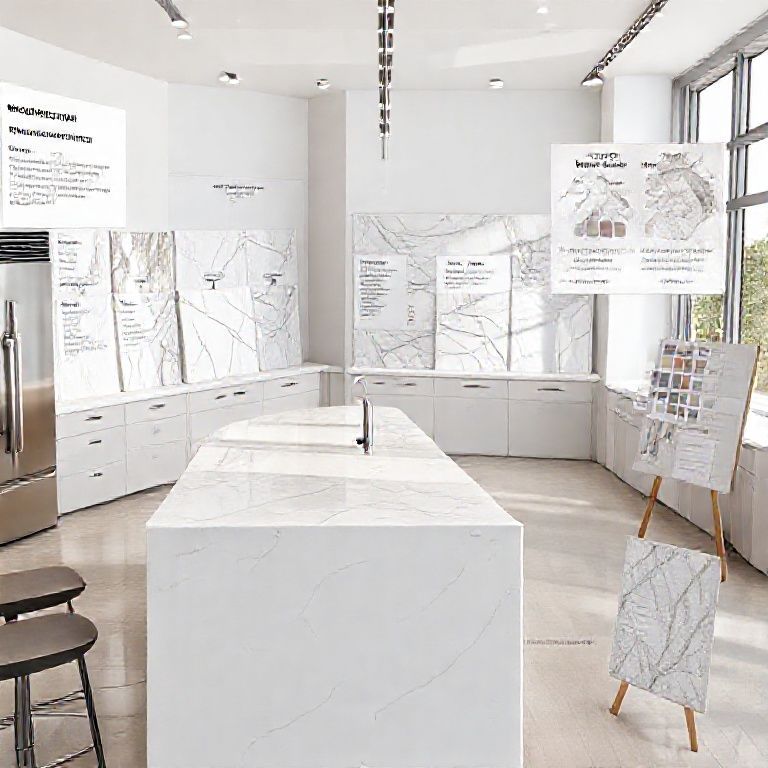
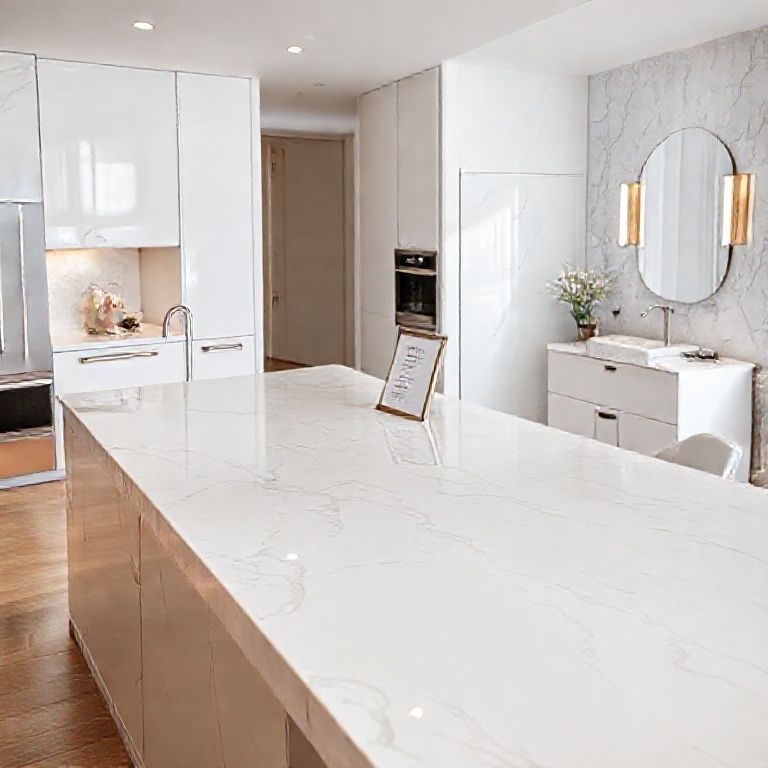
What is Synthetic Marble? Synthetic marble is a composite material made from a combination of minerals, resins, and pigments. It is designed to mimic the appearance of natural marble but is significantly more durable and easier to maintain. Unlike natural stone, which contains varying amounts of naturally occurring minerals, synthetic marble is manufactured in a controlled environment, allowing for precise formulation and composition. This makes it a reliable choice for high-traffic areas where natural stone might wear out more quickly.
The Origin of Radiation Myths: The myth surrounding radiation in synthetic marble likely stems from a misunderstanding of the materials and processes used in its production. Synthetic marble does not naturally emit radiation like certain types of natural stone or radioactive materials. However, the process of creating synthetic marble involves high-pressure and high-temperature conditions, which some people incorrectly associate with radiation exposure. Additionally, the term “radiation” is often used loosely in popular culture, contributing to the confusion.
Debunking Myths:
Synthetic Marble Does Not Emit Radiation: Synthetic marble does not contain radioactive elements that would cause it to emit radiation. The high-pressure and high-temperature processes used in its production do not involve the use of radioactive materials. The materials used in synthetic marble are safe and non-toxic, making it a suitable option for use in homes and other indoor spaces.
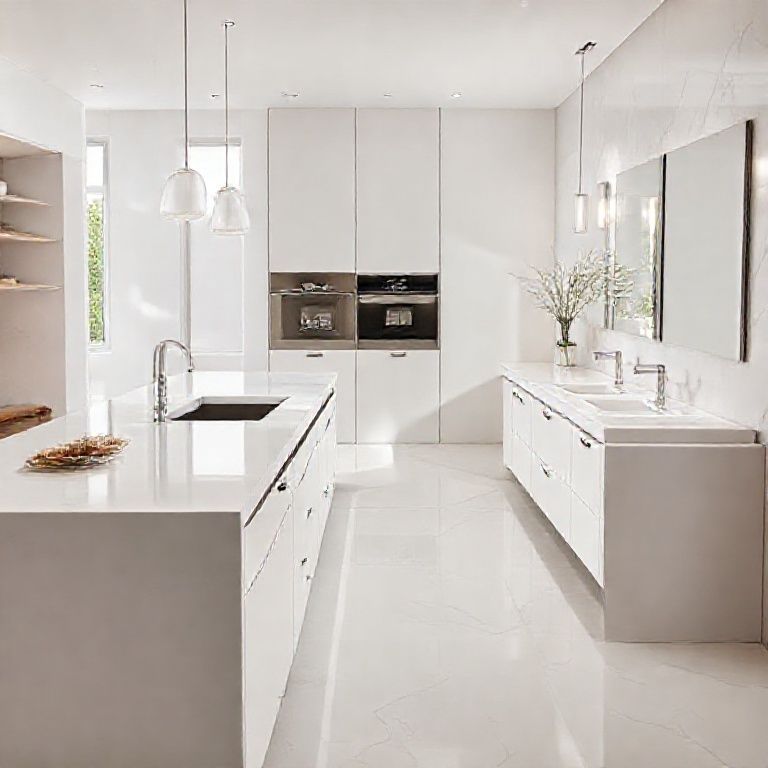
Safety Standards: Synthetic marble is subject to rigorous safety testing and meets international standards for safety and non-toxicity. Manufacturers are required to follow strict guidelines to ensure that their products do not pose any health risks. These guidelines are enforced by various regulatory bodies to ensure the safety of materials used in consumer products.
Comparison to Natural Stone: While natural stone can contain trace amounts of naturally occurring radioactive materials (NORM), the levels are typically very low and not a cause for concern. Synthetic marble, on the other hand, is designed to mimic natural stone without the inclusion of harmful elements. In fact, synthetic marble often outperforms natural stone in terms of durability and resistance to stains and scratches.
Conclusion: The idea that synthetic marble emits radiation is a myth that lacks scientific basis. By understanding the composition and manufacturing process of synthetic marble, we can see that it is a safe and reliable choice for home decor. In the next part of this article, we will delve deeper into the benefits of synthetic marble, its environmental impact, and how to choose the right product for your needs.
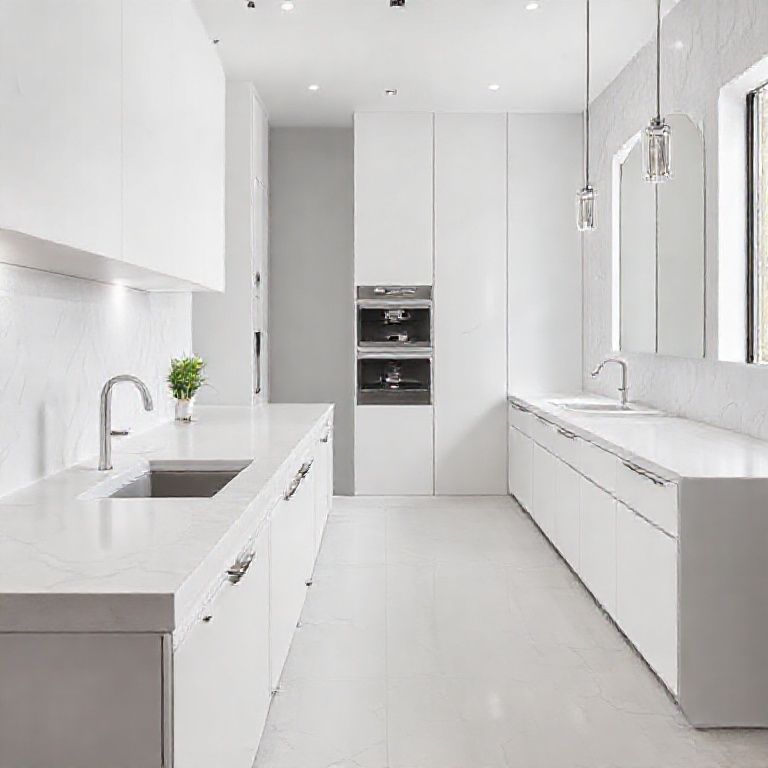
Benefits, Environmental Impact, and Choosing Synthetic Marble
Introduction: In the second part of our article, we will explore the numerous benefits of synthetic marble, its environmental impact, and how to choose the right product for your home. We will also address common concerns and provide tips for maintaining your synthetic marble to ensure its longevity and beauty.
Benefits of Synthetic Marble:
Durability: One of the primary benefits of synthetic marble is its exceptional durability. Unlike natural stone, which can be prone to chipping, cracking, and staining, synthetic marble is designed to withstand high levels of wear and tear. This makes it an ideal choice for high-traffic areas such as kitchens and bathrooms.
Low Maintenance: Synthetic marble is much easier to clean and maintain than natural stone. It does not require sealing or regular maintenance to prevent staining. A simple wipe with a mild cleaning solution is usually sufficient to keep your synthetic marble looking pristine.
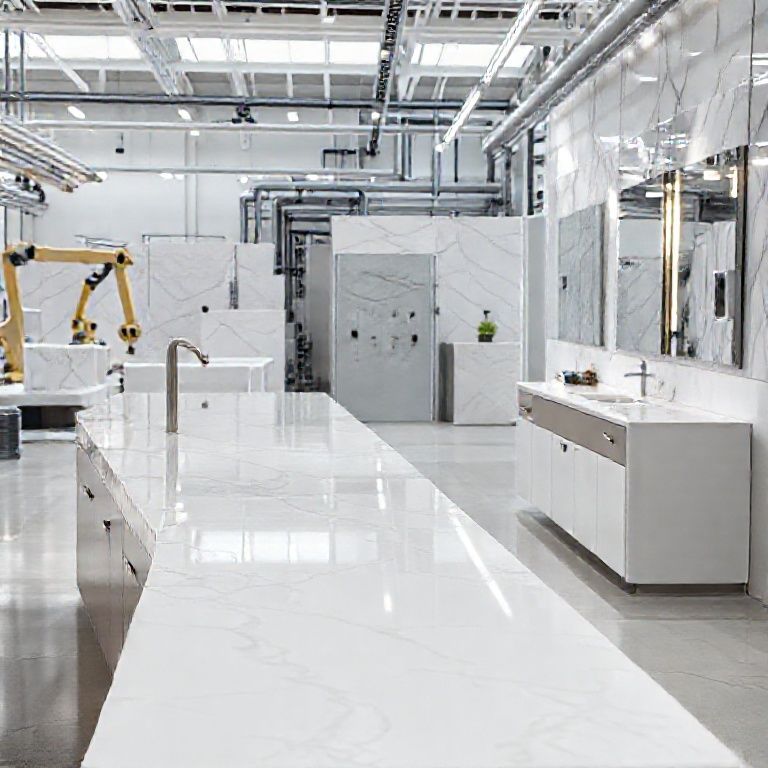
Customizability: The manufacturing process of synthetic marble allows for a high degree of customization. You can choose from a wide range of colors, patterns, and textures to match your decor exactly. This flexibility makes synthetic marble a versatile option for both residential and commercial spaces.
Cost-Effective: While the initial cost of synthetic marble may be higher than some other materials, its durability and low maintenance make it a cost-effective choice in the long run. You will spend less on repairs and maintenance, making it a smart investment for your home.
Environmental Impact: Synthetic marble is a more environmentally friendly option compared to natural stone. Here’s how:
Resource Conservation: The production of synthetic marble does not require the extraction of natural stone, which can have significant environmental impacts, including habitat destruction, water usage, and pollution. By choosing synthetic marble, you are helping to conserve natural resources.
Waste Reduction: The manufacturing process of synthetic marble generates less waste compared to the quarrying and processing of natural stone. This reduction in waste contributes to a lower environmental footprint.
Recyclability: Synthetic marble can be recycled and repurposed, further reducing waste and environmental impact. This makes it a sustainable choice for those looking to minimize their environmental footprint.
Choosing the Right Synthetic Marble: When selecting synthetic marble for your home, it’s important to consider several factors to ensure you get the best product for your needs.
Quality of Materials: Look for reputable manufacturers that use high-quality materials and adhere to safety standards. Check for certifications and reviews to ensure the product meets your expectations.
Color and Pattern: Synthetic marble offers a wide range of colors and patterns. Choose a color and pattern that complements your home decor and will stand the test of time.
Thickness and Design: Consider the thickness and design of the synthetic marble. Thicker slabs are generally more durable and offer a more natural look, while thinner slabs may be more suitable for smaller spaces.
Installation: Ensure that the synthetic marble is installed by a professional. Proper installation is crucial for the longevity and appearance of the material. A skilled installer will ensure that the synthetic marble is securely fastened and properly sealed.
Conclusion: Synthetic marble is a durable, low-maintenance, and environmentally friendly option for home decor. By choosing synthetic marble, you are investing in a material that offers numerous benefits, from durability and cost-effectiveness to sustainability. In our next article, we will provide detailed tips on maintaining your synthetic marble to ensure its beauty and longevity for years to come.
In this comprehensive two-part article, we have debunked the myth of radiation in synthetic marble, explored its benefits, environmental impact, and provided tips for choosing the right product. Synthetic marble is a safe, durable, and sustainable choice for your home decor needs.