
The allure of Corian, DuPont’s revolutionary solid surface material, lies in its seamless beauty, remarkable durability, and endless design possibilities. It’s a material that can transform a kitchen countertop, a bathroom vanity, or even an entire architectural feature into a stunning focal point. However, when embarking on a project involving Corian, a common question arises: “可丽耐价格怎样计算?” (How is Corian pricing calculated?). This isn’t a simple price-per-square-foot equation; rather, it’s a complex interplay of various elements that ultimately determine the final cost. Understanding these components is key to budgeting effectively and ensuring you get the best value for your investment.

At the heart of Corian pricing is the material itself. While Corian is a brand name, it represents a category of solid surface materials. The base cost of the Corian sheet is a foundational element. These sheets come in various thicknesses, typically ranging from 6mm to 12mm, with thicker sheets naturally commanding a higher price. Beyond thickness, the color and pattern play a significant role. Solid whites and pastels are generally the most budget-friendly options. As you move towards more intricate patterns, veining, or speckled designs that mimic natural stone, the cost per sheet increases. Some of the most exotic and unique Corian colors are exclusive and therefore carry a premium. It’s akin to choosing paint; a basic white is always less expensive than a custom-mixed metallic or a highly pigmented shade. When you’re browsing samples, remember that the visual appeal often correlates with the material’s complexity and, consequently, its price.
Beyond the raw material, the fabrication process is where a substantial portion of the cost is incurred. This isn’t just about cutting a sheet to size; it involves a skilled craftsman transforming the material into the desired shape and form. The complexity of the design is a primary driver here. A simple rectangular countertop with a straight edge requires less intricate work than a countertop with curves, cutouts for sinks or cooktops, and specialized edge profiles. Think about the level of detail: a bullnose edge requires more shaping and finishing than a simple eased edge. The number of seams and how they are handled also impacts the cost. Corian’s hallmark is its seamless appearance, achieved through specialized adhesives and meticulous polishing. Minimizing visible seams, especially in larger installations, requires precise cutting and expert joining techniques, which adds to the labor cost.
Consider a kitchen island with an integrated sink and a waterfall edge. This isn’t a straightforward cut-and-paste job. The sink cutout needs to be perfectly executed, and the waterfall edge requires precisely cut and joined pieces to create that continuous flow of material down the side. This level of customization and intricate work translates directly into higher fabrication costs. Conversely, a simple vanity top with a standard undermount sink will be less complex and therefore less expensive to fabricate. The fabricator needs to account for the time, expertise, and specialized tools required for each unique design element.
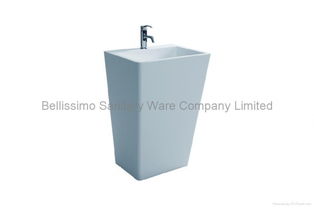
The complexity of the edge profile is another critical factor. Standard edges like a simple eased or square edge are the most economical. As you opt for more elaborate profiles – bullnose, ogee, bevel, or custom designs – the fabrication time and effort increase. These profiles require specialized machinery and skilled hands to achieve a smooth, flawless finish. Some complex edge details might even necessitate multiple fabrication steps, further adding to the labor costs. It’s like choosing a frame for a picture; a simple wooden frame is less costly than an ornate, hand-carved one. The more intricate the design, the more it will cost to bring it to life.
The number and type of cutouts are also significant cost contributors. A standard sink cutout for a drop-in sink is relatively straightforward. However, if you opt for an undermount sink, the edges of the cutout need to be meticulously finished and polished to a high standard, as they will be visible. Similarly, cutouts for cooktops, faucets, or soap dispensers add to the fabrication complexity. The precision required for these cutouts, especially when dealing with unusual shapes or multiple fixtures, contributes to the overall fabrication cost.
Furthermore, the process of finishing and polishing is crucial for achieving Corian’s signature smooth, luxurious feel. This involves sanding, buffing, and polishing to eliminate any tool marks and create a uniform sheen. The extent of this finishing work depends on the complexity of the design and the desired level of polish. High-gloss finishes, for instance, often require more meticulous polishing than a matte or satin finish, adding to the labor.
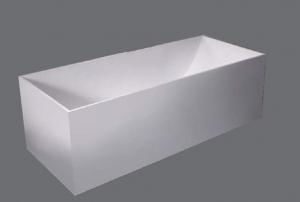
Finally, for larger projects or those requiring intricate inlays or specialized features like integrated drainboards or custom-designed sinks, the fabrication costs can escalate significantly. These are not standard offerings and demand a high level of craftsmanship and often custom tooling. The fabricator must assess the unique demands of each project and price their labor accordingly, ensuring they account for the time, skill, and resources needed to deliver a flawless result.
Continuing our exploration of “可丽耐价格怎样计算?” (How is Corian pricing calculated?), after understanding the material and fabrication costs, we must delve into the crucial aspects of installation and the myriad of other factors that can influence the final price tag. These elements, while sometimes overlooked, are integral to the overall project budget and can significantly impact the overall investment.
Installation is not merely placing the fabricated Corian pieces onto the cabinets; it’s a skilled trade that requires precision, care, and often specialized tools. The complexity of the installation is a key determinant of cost. A straightforward countertop installation with minimal seams and standard cabinet configurations will naturally be less expensive than a complex project involving curved walls, intricate cabinetry, or a multi-level island. The fabricator or installer needs to account for the time, labor, and potential challenges involved in ensuring a perfect fit and a seamless integration with your existing or new kitchen or bathroom structure.
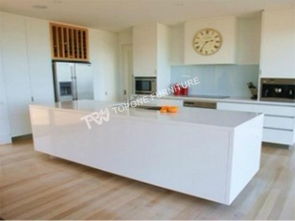
The location of the installation also plays a role. Projects in remote areas or those requiring difficult access (e.g., upper floors of a building without an elevator) may incur additional transportation and labor costs. The installer needs to consider the logistics of getting the large, often heavy, Corian sheets to the installation site safely and efficiently.
The type of sink you choose and how it’s integrated are also significant cost drivers. While many Corian projects involve undermount sinks, which are fabricated directly into the Corian slab, the cost can vary. For instance, integrating a specialized sink, such as a custom-designed Corian sink or a particular brand of stainless steel or ceramic sink, may require unique fabrication techniques and precise fitting. The method of sink installation – undermount, drop-in, or integrated – each has different labor requirements. Undermount sinks, as mentioned, require meticulous finishing of the cutout edge, adding to fabrication time. Integrated sinks, where the sink is made from the same Corian material and seamlessly joined to the countertop, represent the pinnacle of seamless design but also demand the highest level of skill and labor.
Edge treatments, beyond the basic profiles, can also add to the cost. While we touched on this in fabrication, the installation phase also involves ensuring these edges are perfectly aligned and finished on-site if necessary. Complex edge profiles often require more careful handling during installation to avoid chipping or damage, contributing to the overall labor involved.
Transportation of the finished Corian pieces from the fabricator’s workshop to the installation site is another cost to consider. The size and weight of the fabricated pieces, the distance to be traveled, and the accessibility of the site all factor into this expense. Larger, more complex projects often involve multiple pieces that need to be transported and assembled on-site, increasing the logistical challenge and associated costs.
The condition of the existing cabinetry or substrate onto which the Corian will be installed can also influence the final price. If the existing cabinets are not level, structurally sound, or require modifications to accommodate the new Corian countertop, additional labor and materials may be needed. The installer needs to ensure a stable and level base for the Corian to prevent any stress or potential issues down the line.
Beyond these direct cost components, several other factors can subtly influence the overall price. The reputation and experience of the fabricator and installer are paramount. Highly reputable companies with a proven track record of quality craftsmanship and customer service may command higher prices, but this often translates to peace of mind and a superior finished product. It’s a trade-off between upfront cost and long-term satisfaction.
The warranty offered on the material and the workmanship is also an important consideration. DuPont offers a limited residential warranty on Corian products, but the installer’s warranty on their labor and installation can provide additional assurance. Understanding the terms and duration of these warranties is part of the overall value proposition.
Geographical location can also play a role due to variations in labor costs, material shipping expenses, and local market demand. Prices can differ significantly between major metropolitan areas and more rural regions.
Finally, any specialized features or customizations, such as integrated drainboards, charging stations, custom lighting integration, or intricate inlays, will add to the complexity and cost of both fabrication and installation. These are the elements that truly elevate a Corian project from functional to extraordinary and require specialized expertise.
In essence, calculating the cost of Corian involves a holistic view. It’s not just about the price of a sheet of material. It’s the sum of the material cost (driven by color and thickness), the fabrication complexity (determined by design, edge profiles, and cutouts), the installation intricacies (influenced by site conditions and sink integration), and other logistical and service-related expenses. By understanding these contributing factors, you can engage in more informed discussions with fabricators, compare quotes effectively, and ultimately make a confident decision for your project.









