Understanding Artificial Stone Countertops and Their Cost
Artificial stone countertops have revolutionized the world of kitchen and bathroom design, offering a perfect blend of durability, beauty, and practicality. This guide will delve into what artificial stone is, why it’s a popular choice, and the factors that influence its cost per meter.
What is Artificial Stone?
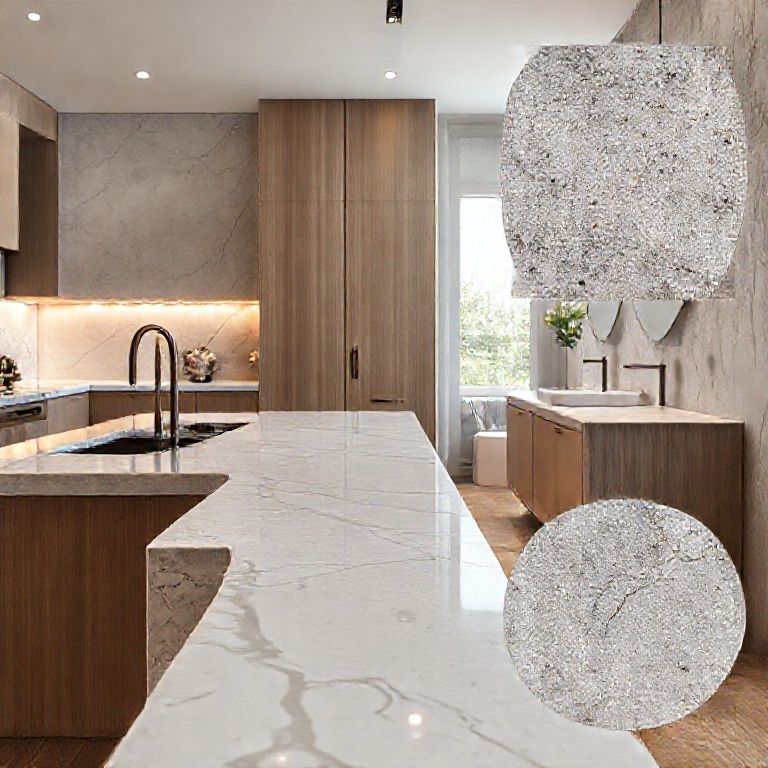
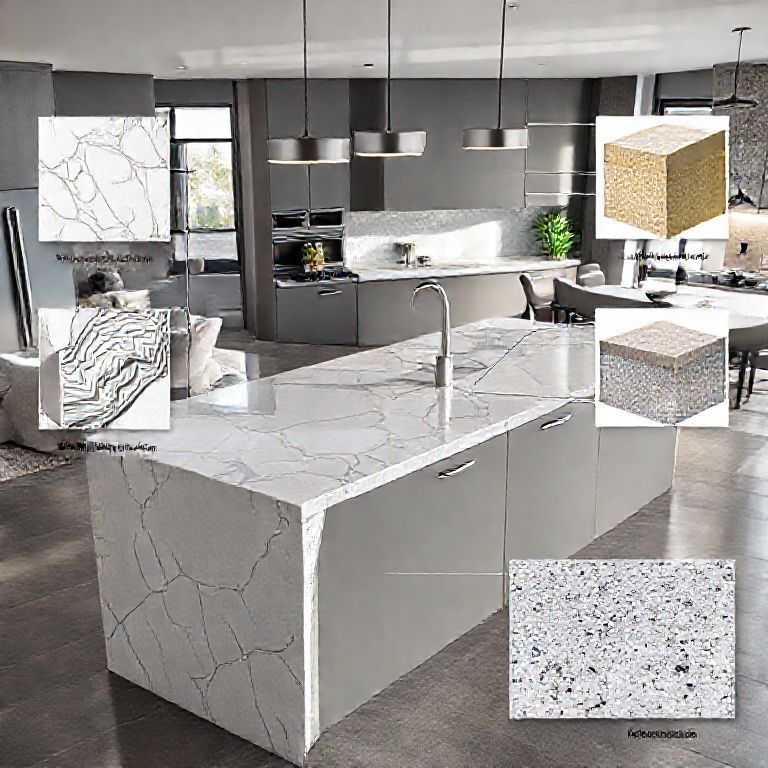
Artificial stone, often referred to as engineered stone, is a composite material made from natural stone powder, such as quartz, marble, or limestone, combined with a polymer resin binder. This combination results in a material that boasts the aesthetic appeal of natural stone while providing unmatched durability and resistance to scratches, stains, and heat.
Advantages of Artificial Stone Countertops
Durability and Maintenance: Unlike traditional granite or marble, artificial stone is not prone to cracking or staining. It maintains its appearance over time with minimal maintenance, making it an ideal choice for high-traffic areas.
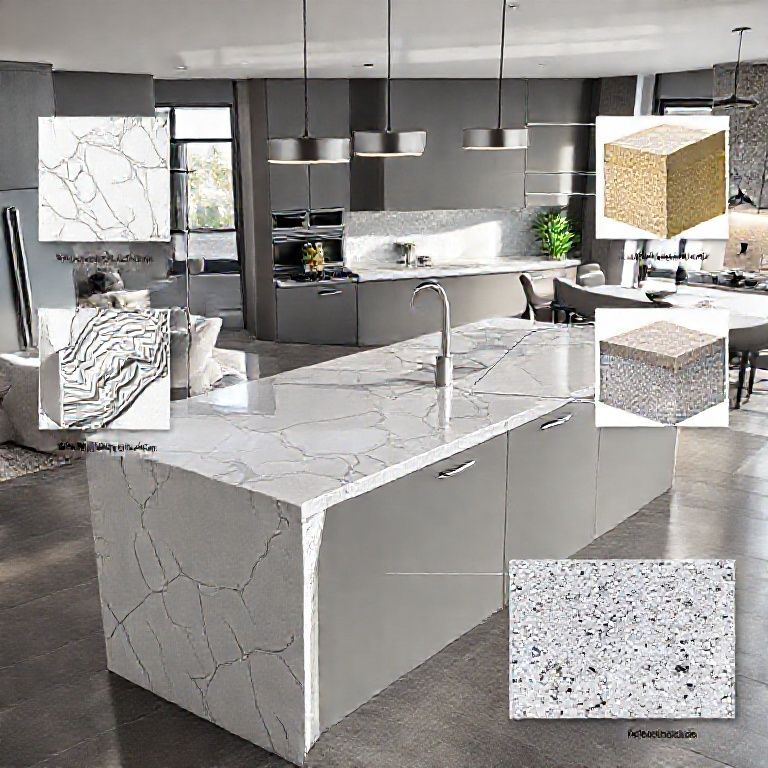
Aesthetic Versatility: Artificial stone countertops come in a variety of colors and patterns, allowing for limitless design possibilities. You can create custom designs that mirror your unique style and preferences.
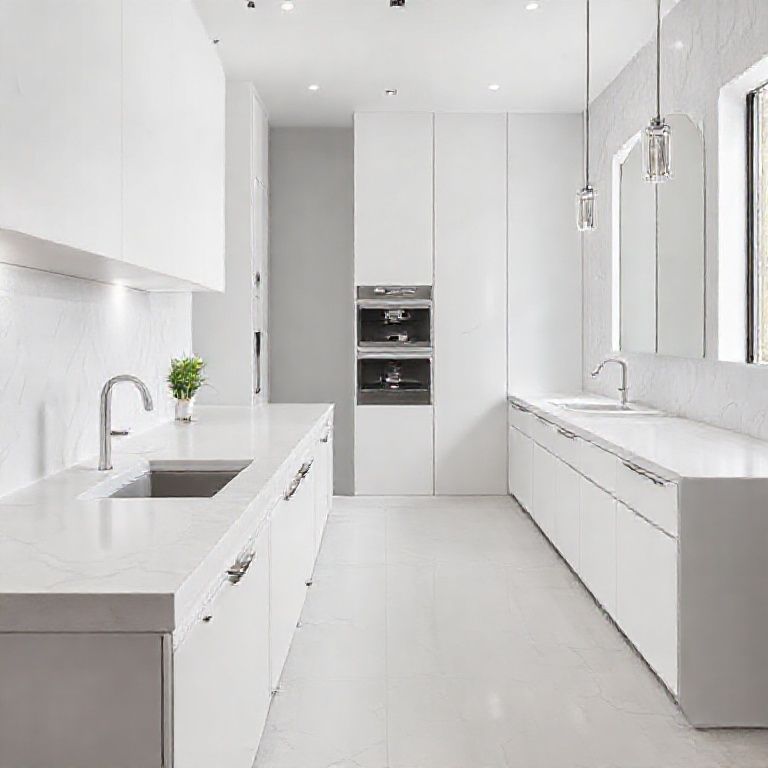
Cost-Effectiveness: While the initial cost per meter of artificial stone might be higher than some other materials, its durability and low maintenance requirements can result in significant long-term savings.
Ease of Installation: Artificial stone is generally easier to install compared to natural stone. It can be cut and shaped using standard tools, and it bonds well with various substrates.
Cost Factors Influencing Artificial Stone Countertops
The cost of artificial stone countertops per meter can vary significantly based on several factors:
Material Quality: Higher-quality materials and more intricate designs will naturally increase the cost. Premium artificial stone with fine details and complex patterns will cost more than basic designs.
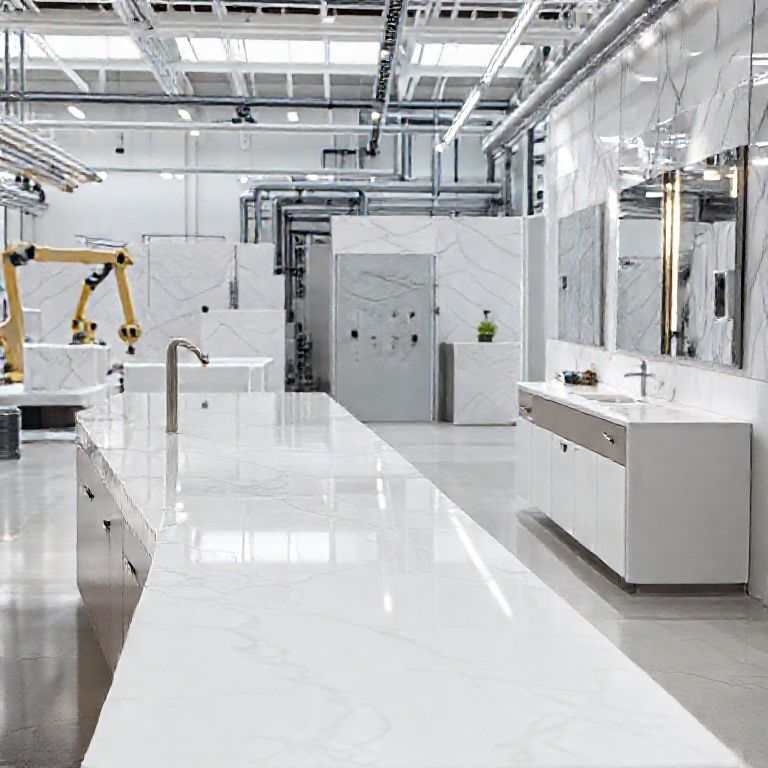
Brand and Manufacturer: Established brands and manufacturers often have higher production costs, which can reflect in the price. However, these brands typically offer superior quality and longevity.
Customization: Custom designs and colors can add to the overall cost. If you want a unique pattern or color that isn’t available off the shelf, expect to pay a premium.
Labor Costs: The cost of installation can vary depending on the complexity of the design and the expertise of the installers. Areas with higher labor costs will have higher overall expenses.
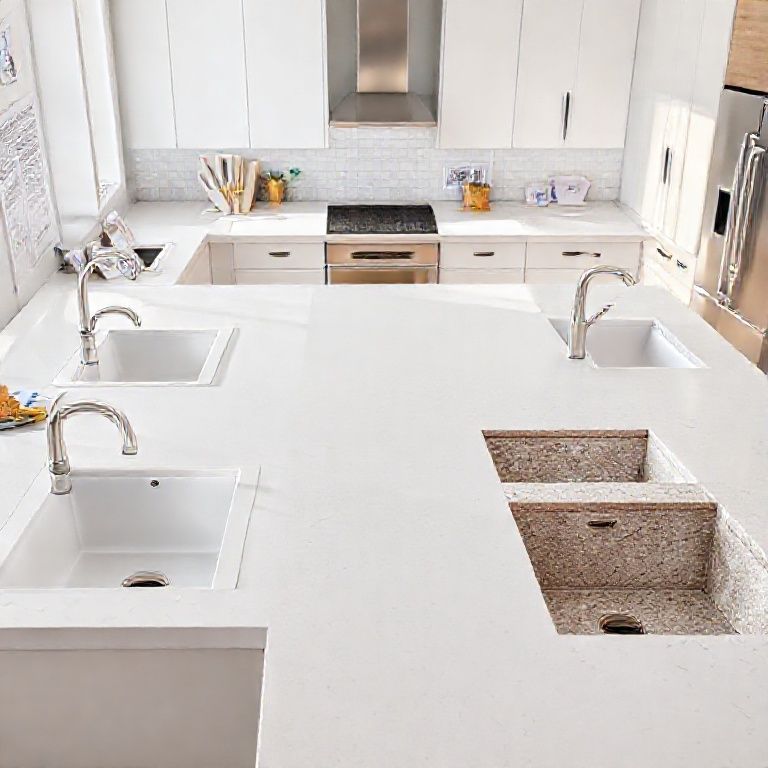
Geographic Location: The cost can also fluctuate based on where you are located. Urban areas with high demand and cost of living might have higher prices compared to rural areas.
Trends in Artificial Stone Countertops
The market for artificial stone countertops is continually evolving. Here are some recent trends:
Sustainability: There is an increasing demand for sustainable materials. Many manufacturers are now focusing on eco-friendly production processes and materials.
Technology Integration: Smart homes are on the rise, and integrating technology into artificial stone countertops is becoming a trend. This includes embedding sensors and smart features into the stone.
Customization and Personalization: Consumers are looking for unique, personalized designs. Customization is becoming more accessible and affordable, catering to individual tastes and needs.
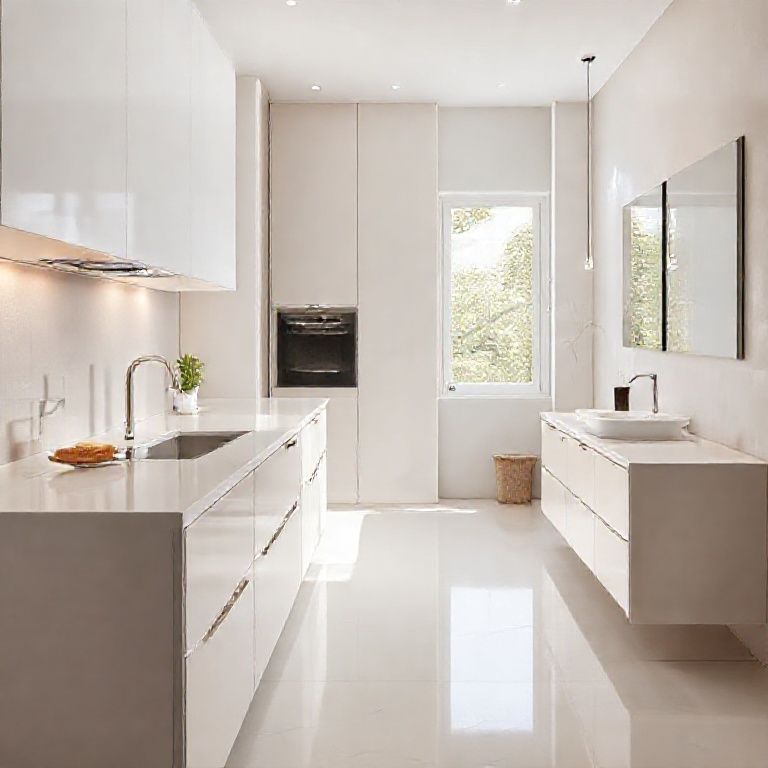
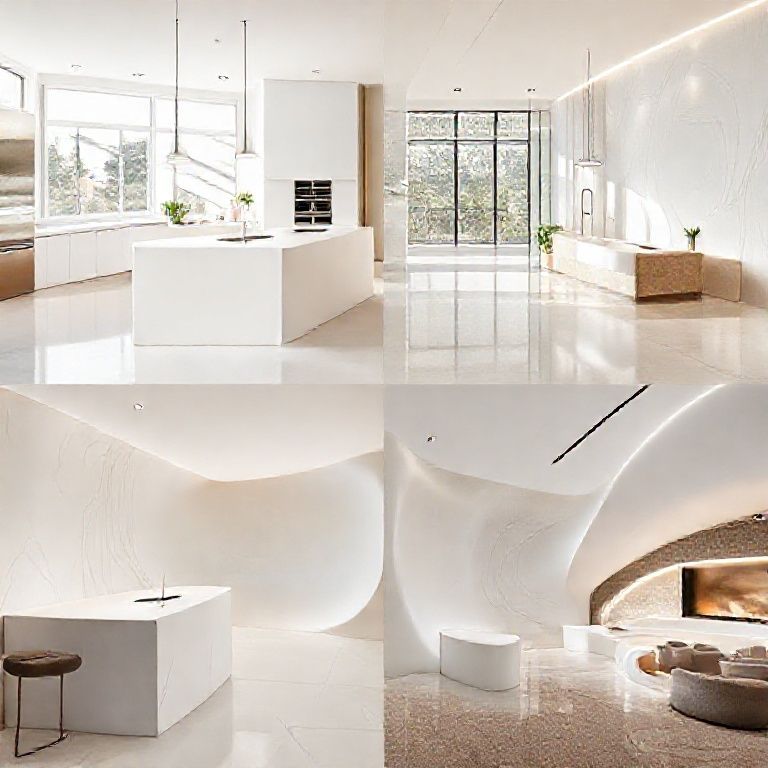
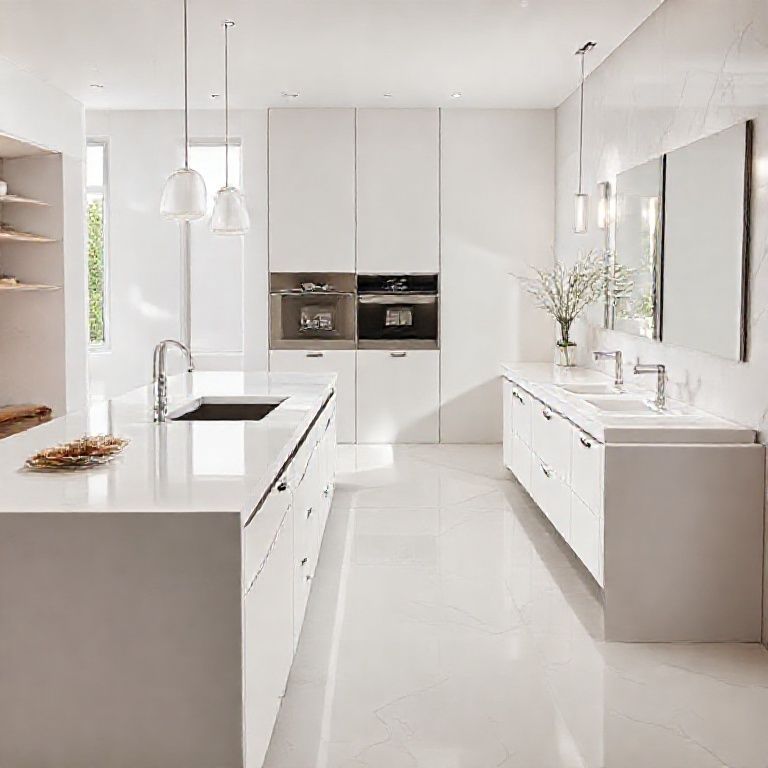
Minimalist Designs: There is a growing preference for minimalist and modern designs. Clean lines and simple patterns are in vogue, emphasizing simplicity and elegance.
Conclusion of Part 1
In conclusion, artificial stone countertops offer an impressive combination of durability, aesthetic appeal, and cost-effectiveness. While the cost per meter varies based on several factors, the long-term benefits and low maintenance make it a wise investment for both residential and commercial spaces. Understanding the material, its advantages, and cost-influencing factors can help you make an informed decision. Stay tuned for the next part, where we’ll explore installation, maintenance, and further insights into artificial stone countertops.
Installation, Maintenance, and Future Trends of Artificial Stone Countertops
In this second part, we’ll dive deeper into the installation and maintenance of artificial stone countertops, along with exploring future trends and the ongoing evolution of this popular material.
Installation of Artificial Stone Countertops
Preparation: Before installation, ensure that the surface where the artificial stone will be placed is clean, flat, and dry. Any imperfections or grease on the surface can affect adhesion.
Cutting and Shaping: Artificial stone can be cut and shaped using standard tools such as tile cutters or jigsaws. For more intricate designs, professional help might be required to ensure precision.
Adhesion: Unlike natural stone, artificial stone adheres well to various substrates. Use a suitable adhesive recommended by the manufacturer to secure the countertop.
Finishing: Once the countertop is in place, use a sealant to protect it from stains and spills. This step is crucial for maintaining the appearance and longevity of the countertop.
Maintenance of Artificial Stone Countertops
Artificial stone countertops are known for their low maintenance requirements. Here’s how to keep them looking pristine:
Daily Cleaning: Use a soft cloth with mild soap and water to clean the surface daily. For tougher spots, a non-abrasive cleaner can be used.
Avoiding Abrasive Cleaners: Avoid using abrasive cleaners or steel wool, as they can scratch the surface.
Regular Sealing: Reapply the sealant periodically to maintain its protective barrier. The frequency of reapplication will depend on usage and exposure to spills.
Handling Spills: Wipe up spills immediately to prevent stains. For tough stains, use a specialized stone cleaner suitable for artificial stone.
Future Trends in Artificial Stone Countertops
The market for artificial stone countertops is dynamic and continues to evolve with advancements in technology and changing consumer preferences.
Advanced Materials: Future developments might focus on creating more sustainable and eco-friendly materials. Innovations in production processes could reduce environmental impact.
Integration with Technology: As smart homes become more prevalent, we might see more integration of smart features into artificial stone. This could include embedded sensors for monitoring and controlling home environments.
Personalization: The trend towards customization will likely continue. With advancements in manufacturing technology, creating highly personalized and unique designs will become more accessible and affordable.
Enhanced Aesthetics: Future designs will likely focus on blending traditional and modern aesthetics. Expect to see a mix of classic patterns and contemporary designs, catering to a wide range of tastes.
Real-World Examples and Case Studies
To better understand the impact of artificial stone countertops, let’s look at some real-world examples and case studies:
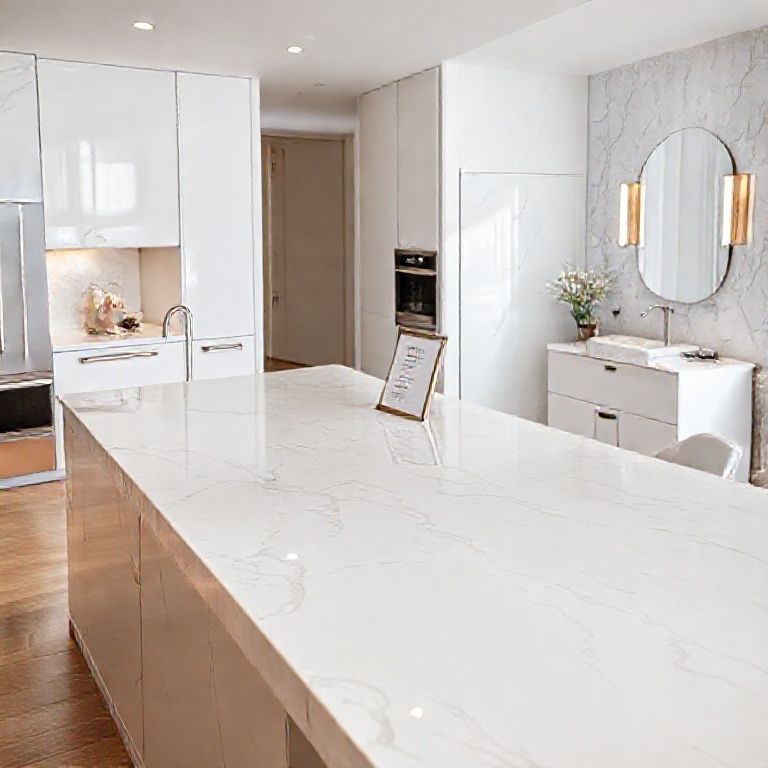
Residential Homes: Many homeowners are opting for artificial stone due to its beauty and low maintenance. For instance, a family looking for a durable yet stylish option for their kitchen found that artificial stone offered both. Its resistance to everyday spills and stains made it an ideal choice.
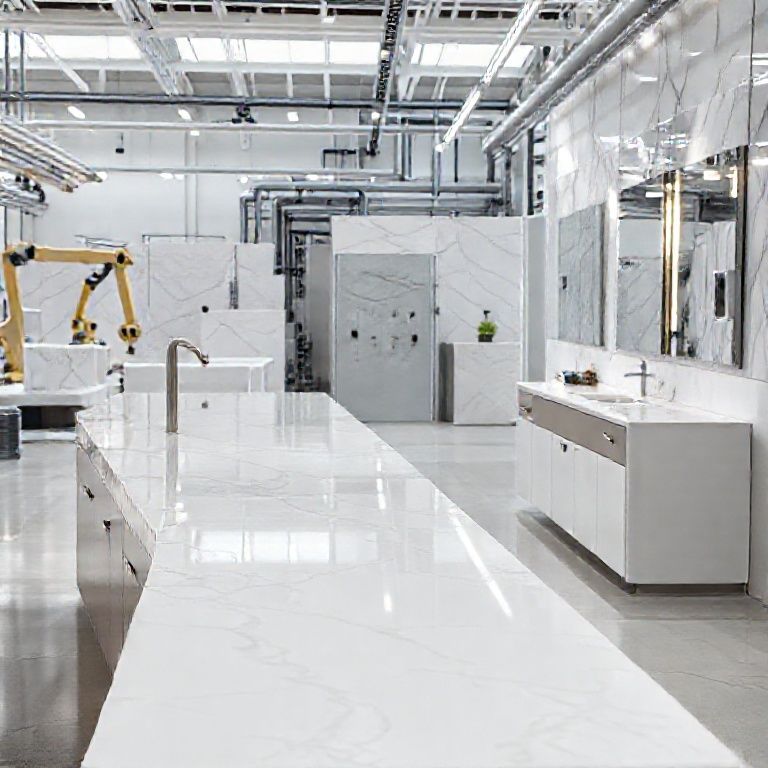
Commercial Spaces: Commercial kitchens and restaurants benefit greatly from artificial stone’s durability. For example, a busy restaurant chain chose artificial stone for their countertops, resulting in reduced cleaning time and maintenance costs.
Public Spaces: Artificial stone is also popular in public spaces like airports and hospitals where hygiene is crucial. The material’s resistance to bacteria and easy cleaning make it perfect for high-traffic areas.
Conclusion of Part 2
In conclusion, artificial stone countertops offer a compelling mix of beauty, durability, and low maintenance, making them a preferred choice for many. Understanding the installation process, maintenance tips, and staying updated on future trends can help you make the most of this versatile material. Whether for your home or business, artificial stone countertops provide a reliable and aesthetically pleasing solution that continues to grow in popularity.
For further insights or to discuss your specific requirements, don’t hesitate to reach out to professionals in the field. Artificial stone countertops are not just a trend; they’re a smart, long-term investment in your space’s aesthetics and functionality.