Granite Flooring: An Unrivaled Choice for Timeless Beauty
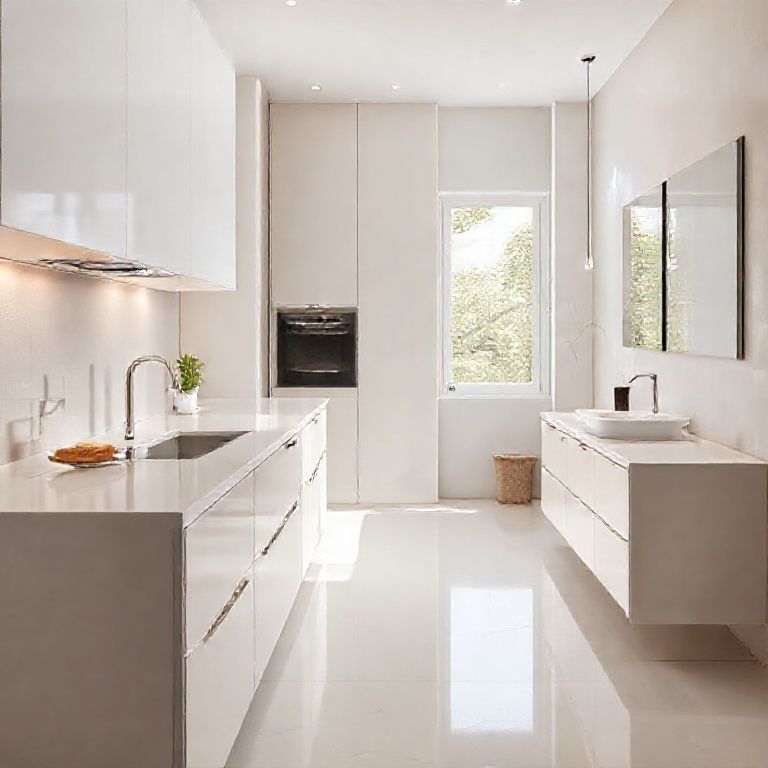
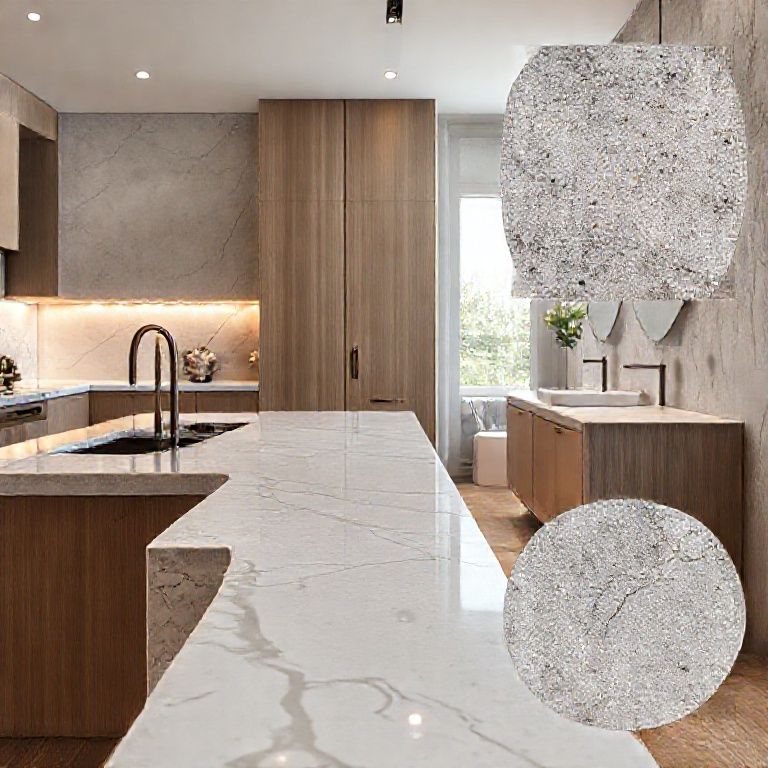
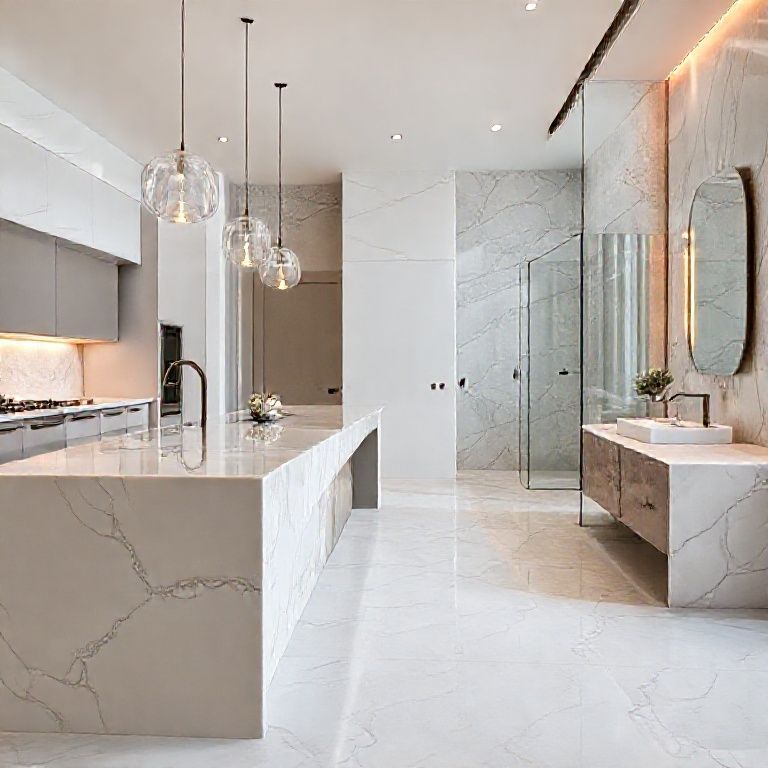
Granite flooring has long been synonymous with luxury, durability, and timeless elegance. As a natural stone, granite offers an unparalleled aesthetic appeal that can elevate any space, from homes to commercial buildings. Its unique, veined patterns and rich colors provide a distinctive character that no other material can match.
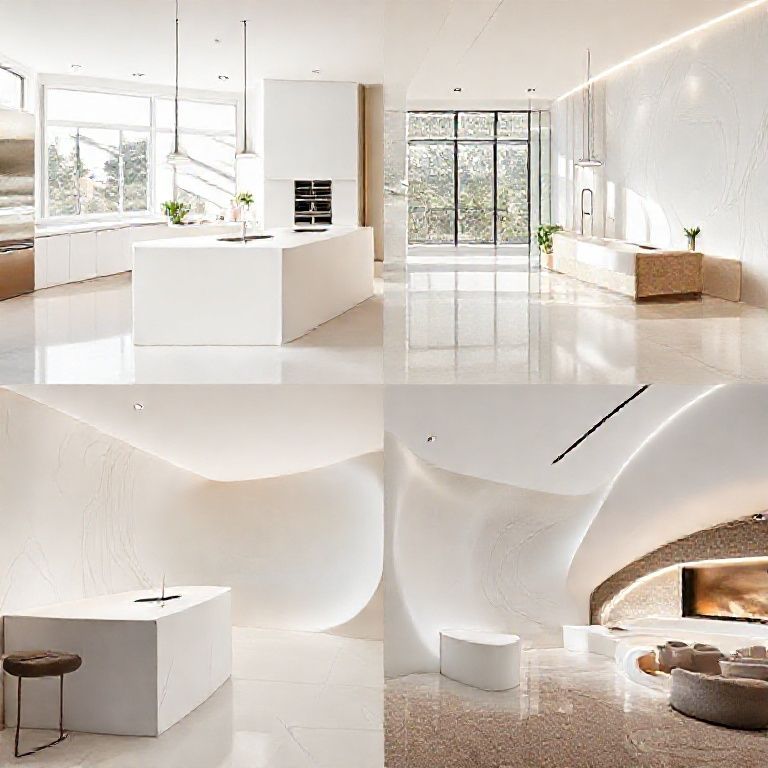
The Allure of Granite
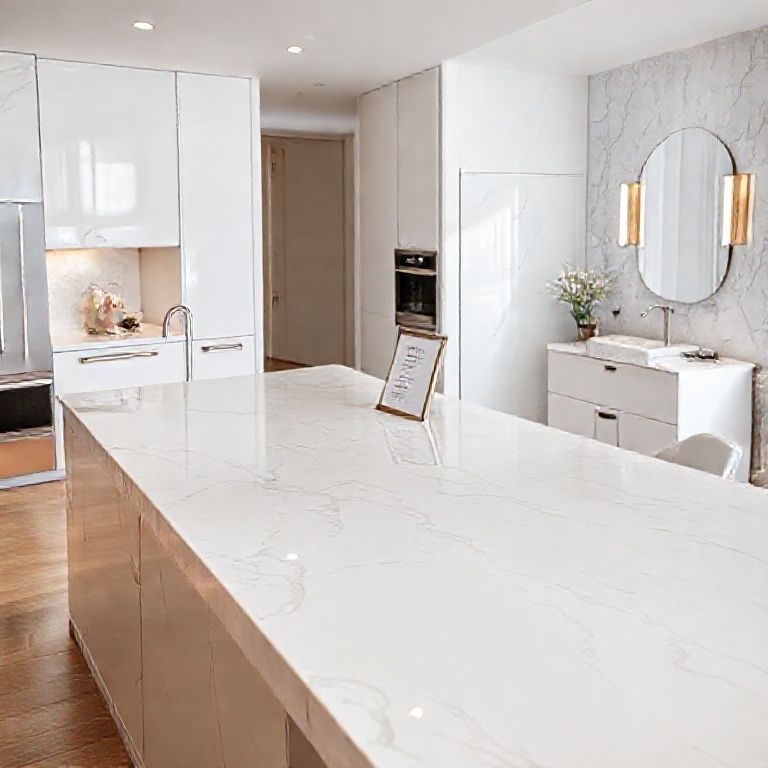
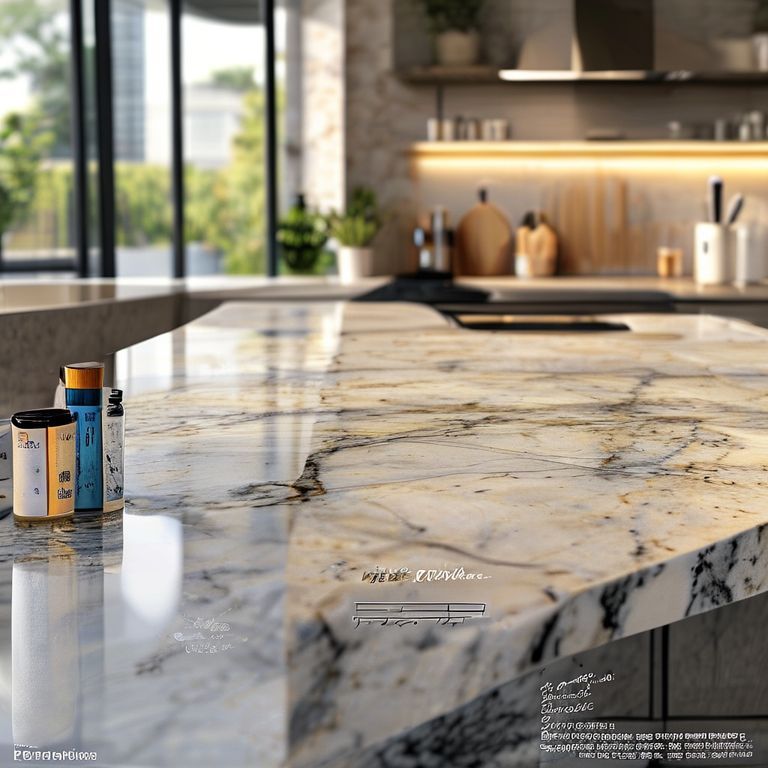
The beauty of granite lies in its natural variability. Each slab is unique, with distinct patterns and colors that make every installation one-of-a-kind. This natural variation ensures that no two pieces are alike, adding a bespoke touch to any interior or exterior space. The classic, sophisticated look of granite is timeless, making it an excellent choice for both modern and traditional settings.
Durability and Maintenance
Granite is renowned for its exceptional durability. It is one of the hardest natural stones available, making it highly resistant to scratches, stains, and impact. This durability translates to a low maintenance requirement, as granite floors can withstand heavy foot traffic and daily wear and tear without showing signs of damage. Moreover, with proper care, granite can last for decades, offering a long-term investment for homeowners and businesses alike.
Granite Paving Price Per Square Meter: Understanding the Costs
While granite flooring is undeniably beautiful and durable, understanding the cost can be a crucial factor in your decision-making process. The price of granite paving per square meter varies based on several factors, including the type of granite, the quality of the stone, the complexity of the installation, and the geographical location where the project is being undertaken.
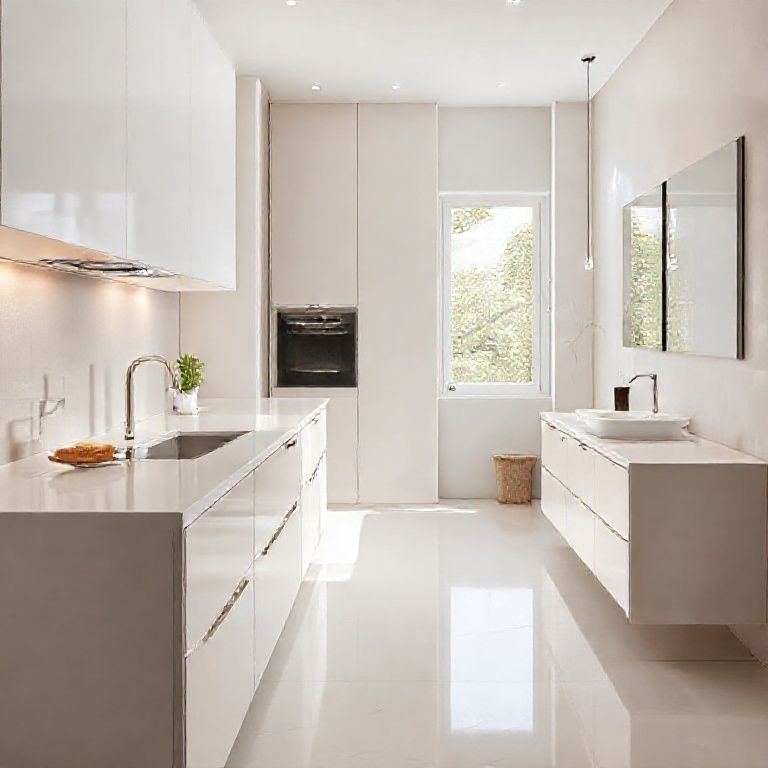
Factors Influencing Granite Paving Price
Type and Quality of Granite: The primary determinant of the cost is the type of granite chosen. There are hundreds of granite varieties available, each with different colors, patterns, and price points. High-end granites such as Bianco Statuario, Imperial White, and Black Beauty are typically more expensive due to their unique and striking appearance. Lesser-known or more common granites like Red River or Silver Oak, while still beautiful, tend to be more affordable.
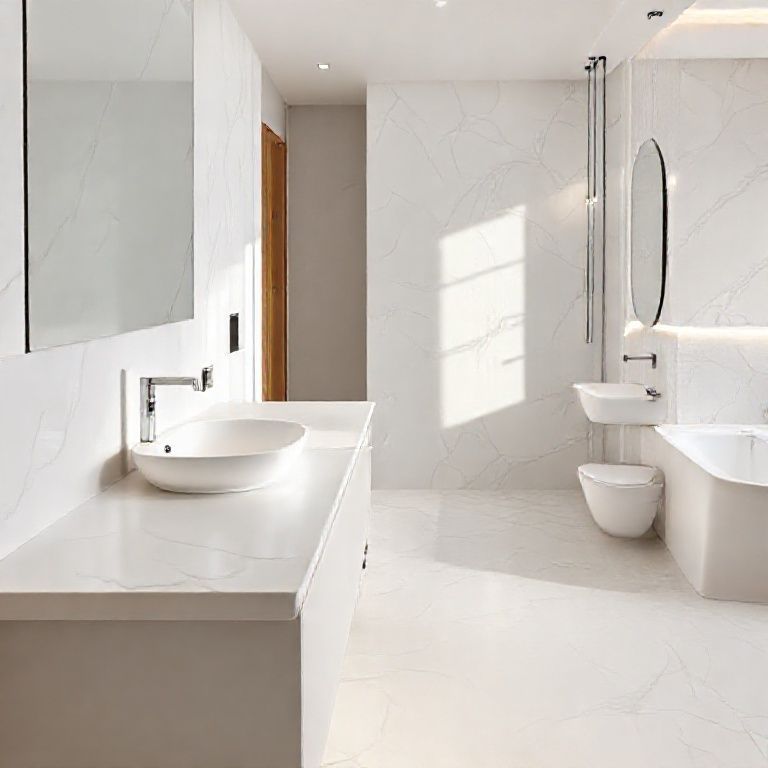
Cut and Finish: The cut and finish of the granite slabs also impact the cost. Polished granite provides a glossy, mirror-like finish that enhances its beauty but is more expensive than honed or brushed finishes, which offer a more matte and textured look.
Installation Complexity: The complexity of the installation process can affect the overall cost. Custom installations, intricate patterns, or extensive repairs will require more labor and expertise, thus increasing the price. Simple, straightforward installations are generally less costly.
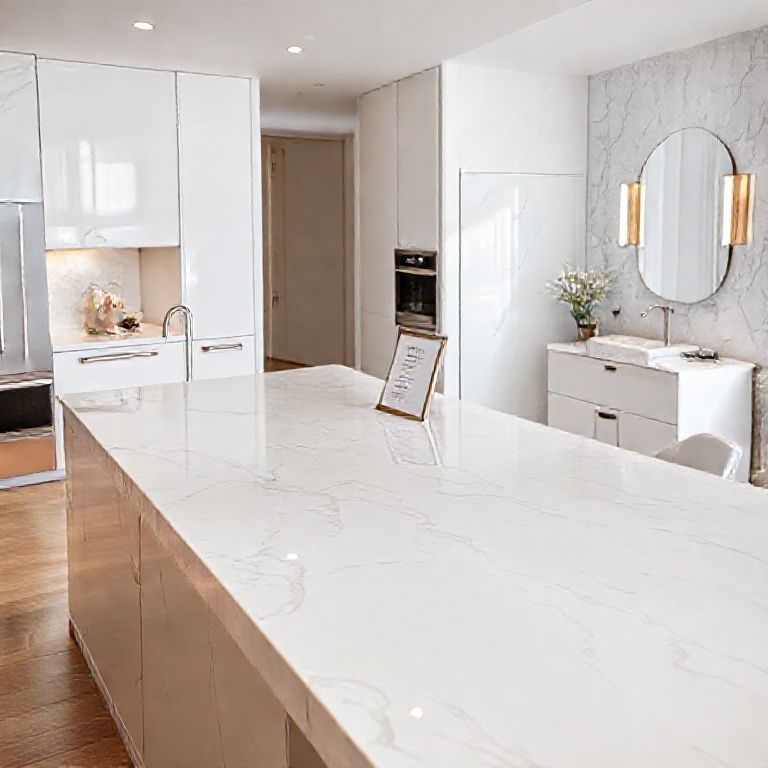
Labor Costs: Labor costs vary depending on the region and the complexity of the project. In areas with a high cost of living, labor costs will naturally be higher. Additionally, experienced installers who provide high-quality workmanship will command higher rates.
Geographical Location: The location where granite is sourced and installed also plays a role in pricing. Transport costs can significantly affect the final price, especially for high-end granites that are imported from distant countries. Local granite, while often more affordable, may not offer the same variety of colors and patterns.
Planning Your Granite Flooring Project
When planning a granite flooring project, it is essential to have a clear understanding of the budget and the type of granite that fits within that budget. Here are some steps to guide you through the process:
Define Your Budget: Determine how much you are willing to spend on your granite flooring project. Having a clear budget will help narrow down the choices and make the selection process more manageable.
Choose the Right Type of Granite: Based on your budget, choose a type of granite that offers the desired aesthetic while fitting within your financial constraints. Consult with a professional to explore various options and understand their costs and benefits.
Plan for Installation: Consider the complexity of the installation. If your space has unique features or requires intricate patterns, be prepared for higher labor costs. A professional installer can provide a detailed estimate based on the specifics of your project.
Factor in Maintenance: While granite is low maintenance, it is still important to budget for periodic cleaning and sealing to maintain its beauty and durability.
Conclusion
Granite flooring is an investment in both beauty and durability. Understanding the various factors that influence the “granite paving price per square meter” will help you make an informed decision. As we move into the next part of our exploration, we will delve deeper into the installation process, maintenance tips, and additional considerations to ensure your granite flooring project is a stunning success.
The Art of Granite Flooring Installation: Expert Tips and Best Practices
In this final segment, we will explore the intricacies of installing granite flooring, providing expert tips and best practices to ensure a flawless finish. From preparation to maintenance, we’ll cover everything you need to know to achieve a stunning granite flooring installation.
Preparation for Granite Flooring Installation
Proper preparation is crucial for a successful granite flooring installation. Here are some essential steps to ensure everything goes smoothly:
Surface Preparation: The surface where the granite will be installed must be clean, level, and free of any imperfections. Any existing flooring should be removed, and the subfloor should be inspected for any damage. If necessary, repairs should be made to ensure a solid base.
Moisture Barrier: Installing a moisture barrier is essential, especially in areas prone to high humidity or moisture, such as bathrooms and kitchens. This barrier prevents moisture from seeping through the grout lines and damaging the granite.
Subfloor Alignment: Ensure that the subfloor is level and properly aligned. Uneven subfloors can cause the granite tiles to crack or become misaligned. Using a self-leveling compound can help achieve a perfectly even surface.
Adhesive Selection: Choose a high-quality thin-set mortar or adhesive suitable for granite flooring. The adhesive should provide sufficient bonding strength while allowing for some flexibility to accommodate any minor movement in the subfloor.
Installation Process: Expert Tips
Laying the First Row: Start with the first row of granite tiles along one wall. Measure and mark the tiles to ensure they are straight. Use a level to check the alignment and make any necessary adjustments. Apply the adhesive to the subfloor using a notched trowel, spreading it evenly and avoiding excessive adhesive buildup.
Tile Placement: Begin laying the tiles in a staggered pattern to create a natural, interlocking effect. Use spacers to maintain consistent grout lines. Start from one corner and work your way across the room, ensuring each tile is properly aligned and pressed into the adhesive.
Cutting Tiles: For tiles that need to be cut to fit around edges or corners, use a tile cutter or wet saw. Make precise cuts to ensure a clean finish. Apply adhesive to the cut tiles and press them into place carefully.
Grouting: Once all tiles are laid, apply grout to the joints using a grout float. Work the grout into the joints, ensuring it fills all gaps. Wipe away excess grout from the tile surfaces using a damp sponge. Allow the grout to cure according to the manufacturer’s instructions before proceeding to the next step.
Sealing: After the grout has cured, apply a high-quality granite sealer to protect the surface from stains and spills. Follow the sealer manufacturer’s instructions for application and curing times. Reapply the sealer periodically to maintain the protection and shine of the granite flooring.
Maintenance Tips for Granite Flooring
Proper maintenance is key to preserving the beauty and longevity of your granite flooring. Here are some essential tips to keep your granite floors looking their best:
Regular Cleaning: Clean granite floors regularly using a soft, damp cloth and a mild pH-neutral cleaner. Avoid using abrasive cleaners or excessive water, as this can damage the surface. For tough stains, use a granite cleaner specifically designed for the material.
Sealing: Regularly reseal your granite flooring to protect it from stains and spills. The frequency of resealing depends on the amount of traffic and the exposure to spills in the area. Follow the manufacturer’s instructions for the best results.
Avoiding Sharp Objects: To prevent scratches, avoid dragging heavy furniture or sharp objects across the granite surface. Use felt pads on the bottom of furniture legs to minimize wear and tear.
Immediate Cleaning of Spills: Clean up spills immediately to prevent stains from setting into the granite. Blot up as much liquid as possible with a dry cloth and then use a cleaner to remove any residue.
Professional Cleaning: Consider hiring a professional cleaning service periodically to deep clean and restore the shine of your granite flooring. This can help maintain the surface’s beauty and prolong its lifespan.
6. 特殊保养和维修
专业保养: 虽然花岗岩本身非常耐用,但定期的专业保养可以延长其使用寿命。建议每年请专业人员来进行一次全面的检查和清洁。 修复损坏: 如果地板上出现了刮痕或小裂缝,可以考虑使用专业的修补剂进行修复。在选择修补材料时,要确保其与原始花岗岩的颜色和质感匹配。
防护涂层: 在高流量区域或容易受到损坏的区域,可以考虑在地板表面增加一层防护涂层。这不仅能增加耐用性,还能更好地保护花岗岩的自然美感。
7. 环境适应性
温度和湿度: 花岗岩对温度和湿度变化非常敏感。因此,在安装和日常使用过程中,应尽量保持环境的温度和湿度稳定。尤其是在干燥季节,应注意防止地板因干燥而开裂。 防潮措施: 在潮湿环境中,如浴室和厨房,应采取防潮措施。例如,使用防水材料和密封剂,确保地板周围的空间不会过度潮湿。
8. 设计和装饰
搭配材料: 在设计和装饰时,选择与花岗岩颜色和质感相协调的其他建筑材料,如木地板、瓷砖和金属装饰品,可以让整体风格更加和谐。 家具选择: 选择适合花岗岩地板的家具,避免使用尖锐或重物直接接触地板,以减少损坏的风险。使用垫脚垫和保护垫可以有效减少家具对地板的刮擦。
9. 未来趋势
环保和可持续性: 随着环保意识的增强,越来越多的人选择天然石材,如花岗岩,作为地板材料。因此,花岗岩地板在未来仍将保持其市场竞争力。在选择时,可以关注采用可持续采石和环保工艺的供应商。 创新设计: 随着设计技术的发展,花岗岩地板的应用场景也在不断拓展。
例如,在室外阳台、花园和户外露台等场景中,花岗岩地板凭借其耐候性和美观性,将会有更多创新应用。
通过以上的保养和维护建议,你可以确保你的花岗岩地板在长时间内保持其美观和功能性。如果有更多问题或需要具体建议,随时欢迎提问!