Discover the Elegance of Marble Mirror Polishing: Costs, Techniques, and Benefits
In the realm of luxury and elegance, marble mirrors stand out as quintessential elements of high-end interior design. These mirrors are not just reflective surfaces; they are works of art that enhance the beauty of any space. One of the most crucial aspects of achieving the perfect marble mirror is the polishing process. In this article, we will explore the costs, techniques, and benefits associated with marble mirror polishing, providing you with a comprehensive understanding of how to elevate your marble mirror to its full potential.

Understanding the Costs: Marble Mirror Polishing Cost Per Square Meter
The cost of marble mirror polishing can vary significantly based on several factors. Firstly, the type of marble used plays a crucial role. High-grade marbles such as Calacatta, Statuario, and Carrara are more expensive than lower-grade varieties. Consequently, the cost of polishing these high-end marbles will be higher due to their superior quality and intricate textures.
Additionally, the complexity of the marble mirror’s surface affects the cost. Mirrors with intricate carvings or unique shapes require more time and effort to polish, thus increasing the cost per square meter. On average, the cost of marble mirror polishing ranges from $50 to $200 per square meter, depending on the aforementioned factors and the expertise of the polisher.
It’s important to note that these costs may also vary by region. Urban areas with a higher demand for luxury interior design may have higher labor costs, while rural areas might offer more affordable rates. When considering the cost, it’s essential to get multiple quotes from different service providers to ensure you’re getting a fair price.
Techniques: The Art of Marble Mirror Polishing
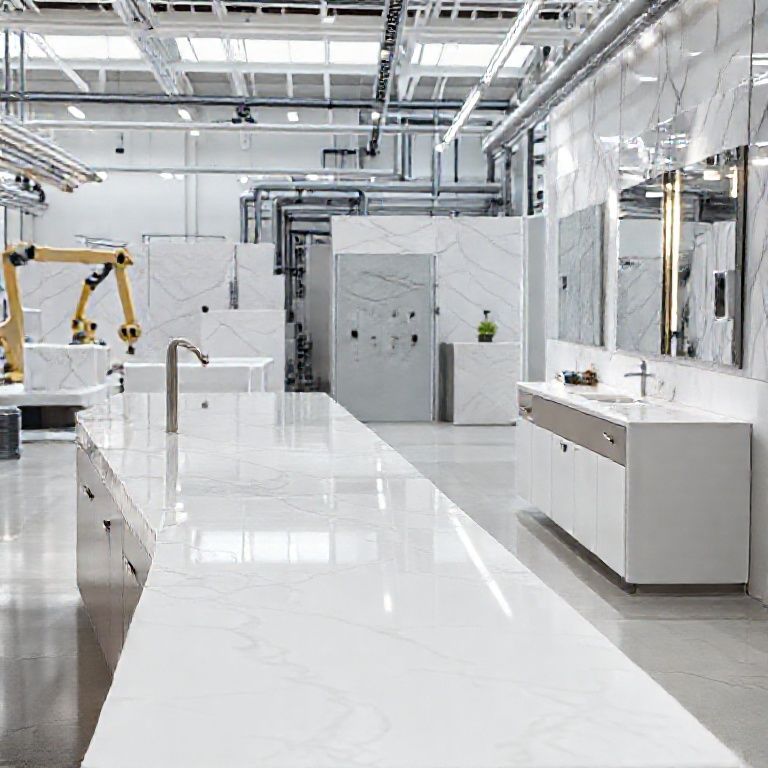
The polishing process of marble mirrors is a meticulous art that requires precision and expertise. Here, we delve into the techniques used to achieve that flawless marble mirror finish.
1. Initial Preparation
Before polishing, the marble mirror undergoes a thorough cleaning process to remove any dirt, grime, or previous polishing residues. This step is crucial as it ensures that the polishing material adheres properly to the marble surface.
2. Grinding
The grinding process involves using a grinding machine to remove any imperfections or uneven surfaces on the marble mirror. This step is essential to create a smooth base for the polishing process. The grinding is done using progressively finer grits to ensure a flawless finish.
3. Polishing
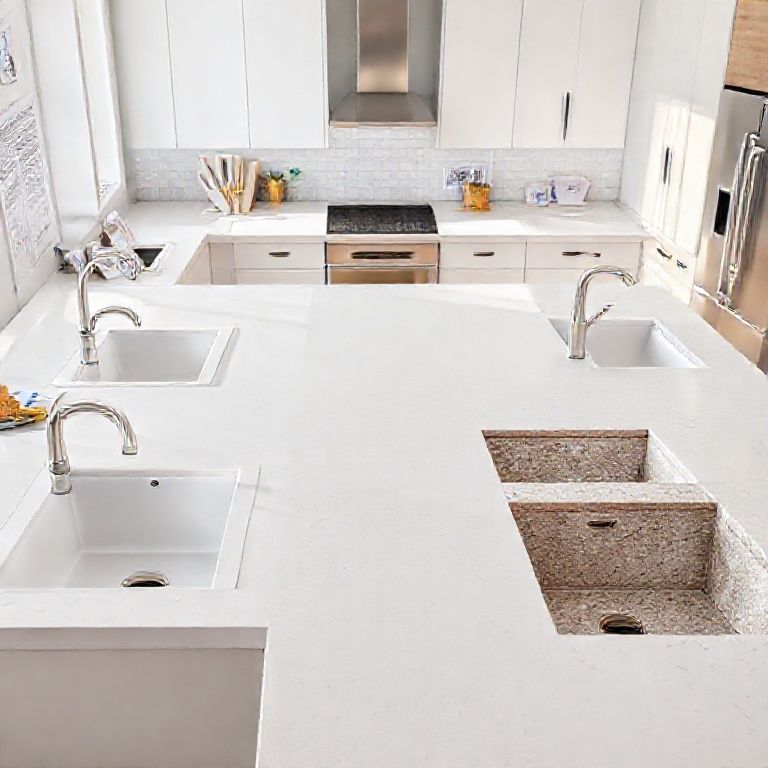
Once the grinding is complete, the polishing process begins. Polishers use a combination of polishing compounds and machines to achieve the desired shine. The polishing is done in stages, starting with coarse polishes and gradually moving to finer polishes. This step can take several hours, depending on the size and complexity of the mirror.
4. Final Inspection
After polishing, the mirror undergoes a final inspection to ensure that it meets the desired standards of quality and shine. Any minor imperfections are addressed, and the surface is inspected for uniformity and smoothness.
Benefits: Why Marble Mirror Polishing Matters
Polishing a marble mirror is not just about achieving a beautiful shine; it also offers several long-term benefits that make it a worthwhile investment.
1. Enhanced Aesthetic Appeal
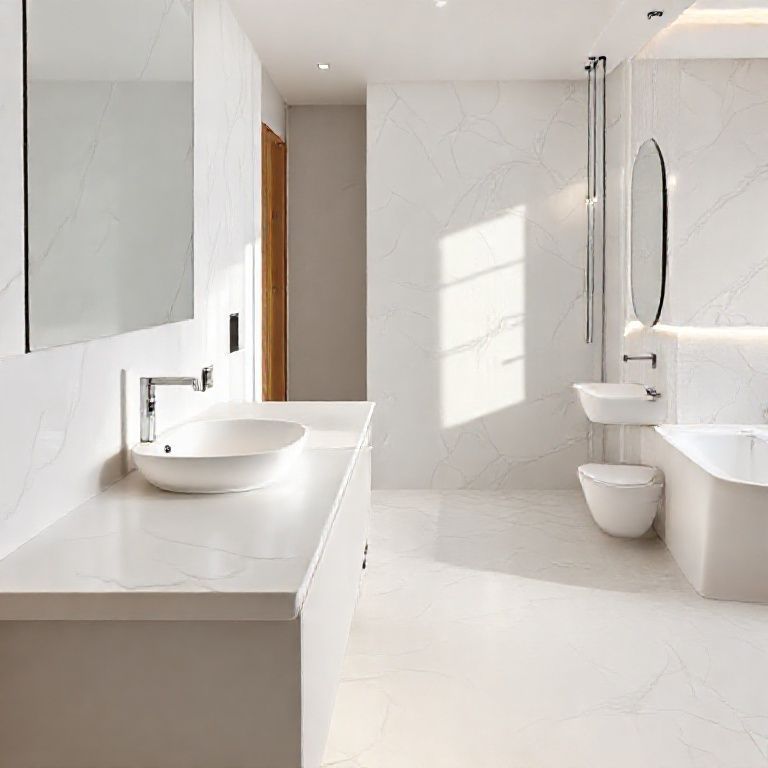
A polished marble mirror exudes elegance and sophistication, enhancing the overall aesthetic appeal of any space. The mirror’s reflective surface adds depth and dimension, making it a focal point in any room.
2. Durability and Longevity
Polishing the marble mirror helps to create a protective layer that enhances its durability. This layer helps to repel water and stains, reducing the risk of damage and extending the mirror’s lifespan.
3. Easier Maintenance
A polished marble mirror is easier to clean and maintain. The surface is less prone to absorbing stains, making it simpler to keep it looking pristine with regular cleaning routines.
4. Value Addition
Investing in marble mirror polishing adds value to your property. High-quality polished marble mirrors are highly sought after in luxury interior design, making them an excellent choice for those looking to enhance their property’s value.
Discover the Elegance of Marble Mirror Polishing: Costs, Techniques, and Benefits
The Polishing Process: Step-by-Step
To fully appreciate the intricacies of marble mirror polishing, it’s helpful to understand the step-by-step process in detail. Here’s a closer look at each stage of the process:
1. Initial Preparation
Before the actual polishing begins, the marble mirror is thoroughly cleaned to remove any dirt, oils, or residues from previous treatments. This step ensures that the polishing compounds can properly adhere to the marble surface.
2. Grinding
The grinding process involves using a specialized grinding machine with progressively finer grits. The goal is to smooth out any imperfections and create a uniform surface. The grinding machine is equipped with abrasive wheels that move over the mirror’s surface, removing any rough spots and creating a level base.
3. Polishing
Once the grinding is complete, the polishing process begins. Polishers use a combination of polishing compounds and machines to achieve the desired shine. The polishing is done in stages, starting with coarse polishes and gradually moving to finer polishes. This step requires a high level of skill and precision to ensure a flawless finish.
4. Buffing
After polishing, a buffing process is often employed to achieve a mirror-like finish. Buffing involves using a soft cloth or buffing machine to remove any polishing marks and achieve a smooth, shiny surface. The buffing process can take several hours, depending on the size and complexity of the mirror.
5. Final Inspection
The final step in the polishing process is a thorough inspection to ensure that the mirror meets the desired standards of quality and shine. Any minor imperfections are addressed, and the surface is inspected for uniformity and smoothness.
Advanced Techniques in Marble Mirror Polishing
With advancements in technology, several new techniques have emerged in the field of marble mirror polishing. These techniques not only enhance the quality of the finish but also make the process more efficient.
1. Laser Polishing
Laser polishing is a cutting-edge technique that uses lasers to remove imperfections from the marble mirror’s surface. This method is highly precise and can achieve an exceptional level of smoothness and shine. Laser polishing is particularly useful for intricate designs and carvings, as it can handle complex shapes with ease.
2. Ultrasonic Polishing
Ultrasonic polishing uses high-frequency sound waves to remove imperfections from the marble mirror’s surface. This technique is particularly effective for polishing large areas quickly and efficiently. Ultrasonic polishing can achieve a high-gloss finish with minimal effort.
3. Chemical Polishing
Chemical polishing involves the use of chemical solutions to remove imperfections from the marble mirror’s surface. This method is less labor-intensive compared to traditional mechanical polishing and can produce excellent results, especially for large and intricate mirrors.
The Benefits of Professional Marble Mirror Polishing
While it’s possible to attempt marble mirror polishing as a DIY project, professional polishing services offer several benefits that make them worth the investment.
1. Expertise
Professional polishers have the expertise and experience to achieve a flawless finish. They understand the nuances of different types of marble and the specific techniques required for each type. Their expertise ensures that the polishing is done correctly, enhancing the mirror’s aesthetic appeal and longevity.
2. Equipment
Professional polishing services have access to advanced equipment and polishing compounds that are not readily available to the general public. This equipment allows for a more efficient and effective polishing process, resulting in a higher quality finish.
3. Peace of Mind
Hiring a professional polishing service provides peace of mind knowing that the job is being done by someone with the necessary skills and equipment. This eliminates the risk of damaging the mirror or not achieving the desired level of polish.
Maintenance Tips for Polished Marble Mirrors
To keep your polished marble mirror looking its best, it’s important to follow proper maintenance practices. Here are some tips to help you maintain the mirror’s pristine condition:
1. Regular Cleaning
Use a soft, lint-free cloth and a mild, pH-neutral cleaner to clean your marble mirror regularly. Avoid using harsh chemicals or abrasive cleaners that can damage the polished surface.
2. Avoid Water and Moisture
Marble is a porous material that can absorb water and moisture. To prevent staining and damage, avoid placing the mirror in areas where it is likely to be exposed to water. If water does get on the mirror, wipe it off immediately with a soft cloth.
3. Use Protective Covers
Consider using protective covers or guards for your marble mirrors, especially in high-traffic areas. This can help prevent scratches and scuffs from daily use.
4. Regular Inspections
Regularly inspect your marble mirror for any signs of damage or wear. If you notice any imperfections, it’s best to address them继续保护你的玻璃镜面的最佳方法是定期进行专业的清洁和维护。
1. 使用专业清洁剂
使用专门为大理石设计的清洁剂,这些清洁剂不含酸性成分,可以有效清洁而不损害大理石表面。市面上有许多品牌提供适合大理石的清洁产品,选择那些标明无酸、无腐蚀性的产品。
2. 避免使用硬刷或硬质布
硬刷或硬质布在清洁大理石时可能会造成表面刮擦,导致损坏。因此,建议使用软布或海绵来轻轻擦拭镜面。
3. 定期擦干
在清洁后,使用干净的软布将镜面擦干,防止水渍和水滴留下痕迹。尤其是在潮湿的环境中,水分凝结可能会对镜面造成损害。
4. 避免化学品接触
尽量避免大理石镜面接触化学清洁剂和溶剂,这些化学品可能会腐蚀大理石表面。如果必须使用化学清洁剂,务必在镜面的其他区域进行测试,以确保它们不会对大理石造成损害。
5. 防止刮擦
在日常使用中,尽量避免镜面上放置尖锐物品,以防止刮擦。如果必须放置物品,可以在物品底部放置垫子或保护垫。
6. 及时处理水渍和污渍
任何形式的水渍或污渍都应立即清除,以避免它们渗入大理石表面并导致永久性损害。如果有污渍,可以使用适当的清洁剂轻轻擦拭干净。
7. 定期专业维护
即使你采取了所有上述维护措施,定期请专业人员进行维护和抛光仍然是明智之举。专业人员有经验和设备,可以确保大理石镜面保持最佳状态,并能处理那些日常维护无法解决的问题。
8. 避免阳光直射
长时间的阳光直射会导致大理石表面褪色。如果可能,避免大理石镜面直接暴露在阳光下,尤其是在炎热的天气中。
9. 控制环境湿度
大理石是一种易受环境湿度影响的材料。在潮湿的环境中,水分可能会渗入大理石表面,导致霉斑和损害。因此,控制室内湿度并使用除湿机是有效的预防措施。
通过以上这些维护措施,你可以确保你的大理石镜面在长期使用中保持其光泽和美观。如果你有任何疑问或特殊需求,建议咨询专业人员以获得最佳的维护建议。