Unveiling the Allure of Artificial Marble: Pricing and Benefits
Introduction: Artificial marble, often referred to as engineered stone, has revolutionized the interior design industry with its stunning aesthetic and durability. Unlike traditional marble, which is a natural material prone to weathering and high costs, artificial marble offers a versatile, affordable alternative that retains the beauty and elegance of its natural counterpart. In this article, we explore the market price of artificial marble per square meter, the benefits it brings to both residential and commercial spaces, and the factors that influence its pricing.
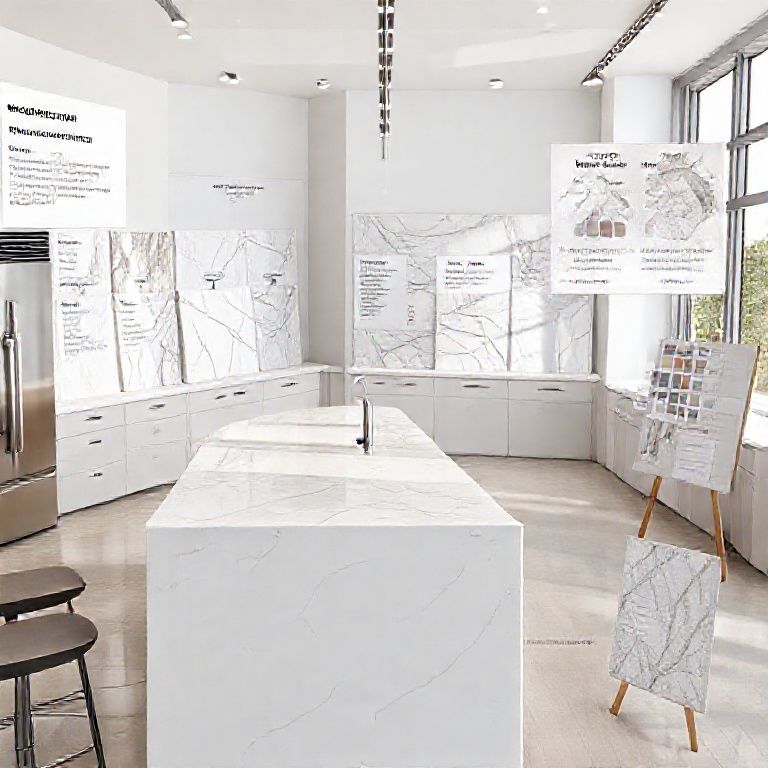
The Aesthetic and Functional Appeal of Artificial Marble: Artificial marble is crafted from a blend of natural stones, quartz, and resins, creating a stone-like appearance and texture that closely mimics the beauty of natural marble. Its aesthetic appeal lies in its rich colors and intricate patterns, which can be customized to suit any design preference. Unlike natural marble, artificial marble is impervious to stains, scratches, and thermal damage, making it an excellent choice for high-traffic areas such as kitchens, bathrooms, and commercial establishments.
Pricing Insights: Artificial Marble Market Price per Square Meter: The market price for artificial marble can vary significantly based on several factors, including the quality of materials used, the complexity of designs, and the brand’s reputation. On average, the cost of artificial marble ranges from $30 to $150 per square meter. High-end brands and custom designs can push this price upward, while budget-friendly options are also available to cater to different financial requirements.
Factors Influencing Artificial Marble Pricing:
Material Quality: The primary cost driver is the quality of materials used in the production of artificial marble. Premium-grade artificial marble, made from high-quality resins and natural stone aggregates, commands a higher price. The durability and resistance to stains and scratches of the final product are directly related to the quality of these materials.
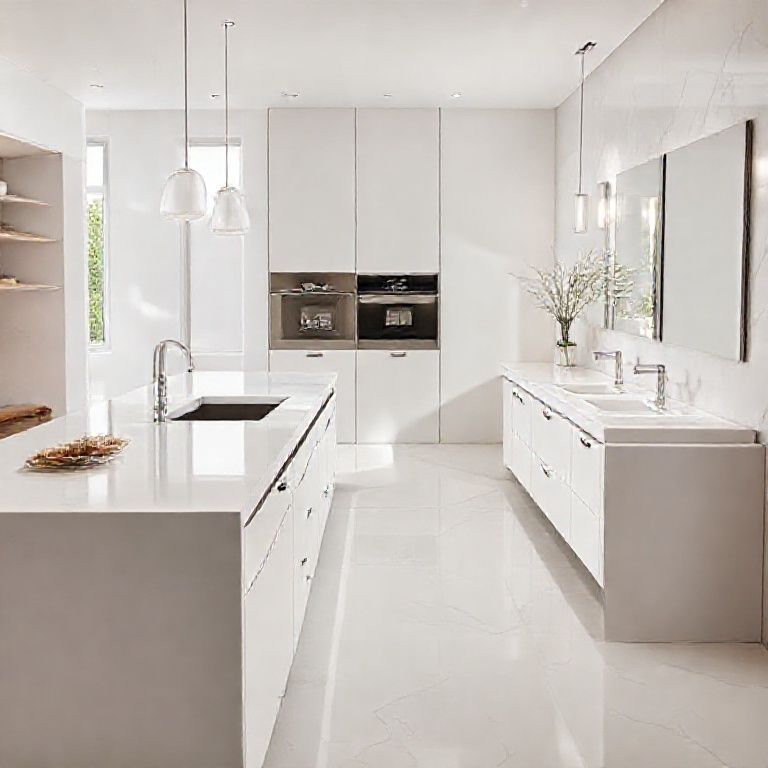
Design Complexity: Artificial marble with intricate patterns and designs can be more expensive than simple, uniform colors. Custom designs require more time and effort, thus increasing the overall cost.
Brand Reputation: Established brands with a reputation for quality and reliability often charge more for their products. Consumers are willing to pay a premium for assurance of durability and longevity.
Geographical Location: The cost of artificial marble can also vary based on geographical location due to differences in manufacturing costs, labor rates, and transportation expenses.
Benefits of Choosing Artificial Marble:
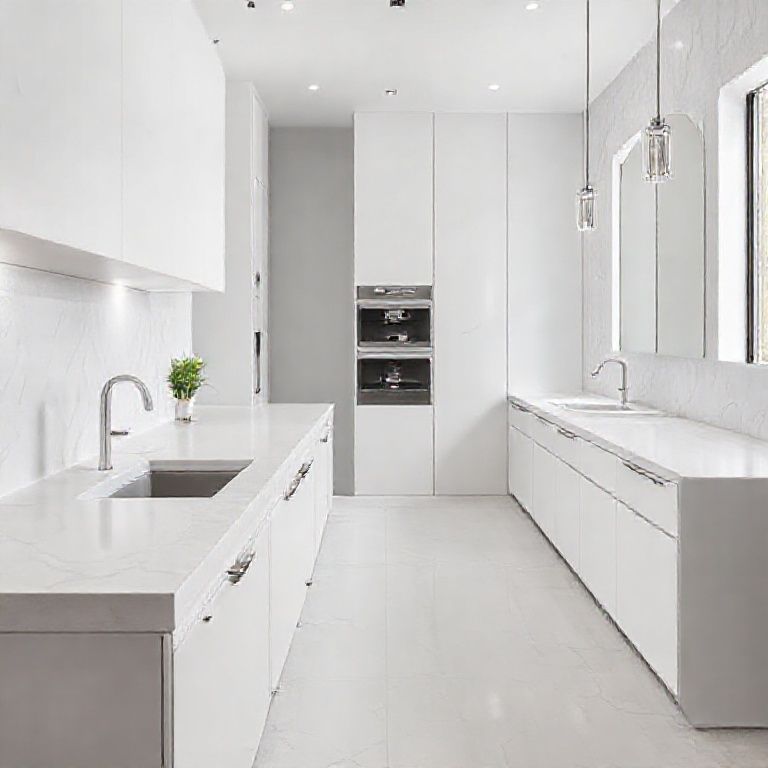
Durability and Longevity: Artificial marble is highly resistant to scratches, stains, and thermal damage, making it an ideal choice for areas subjected to heavy use. Its long-lasting nature ensures that it maintains its appearance over time without the need for frequent maintenance.
Customizability: The ability to customize artificial marble to match specific design requirements makes it a versatile choice for architects, designers, and homeowners. It can be engineered to replicate the look of various types of natural marbles or to create unique, bespoke designs.
Cost-Effectiveness: While the initial investment in artificial marble might be higher than some alternatives, its durability and low maintenance requirements result in significant savings over time. This makes it a cost-effective option for both new installations and renovations.
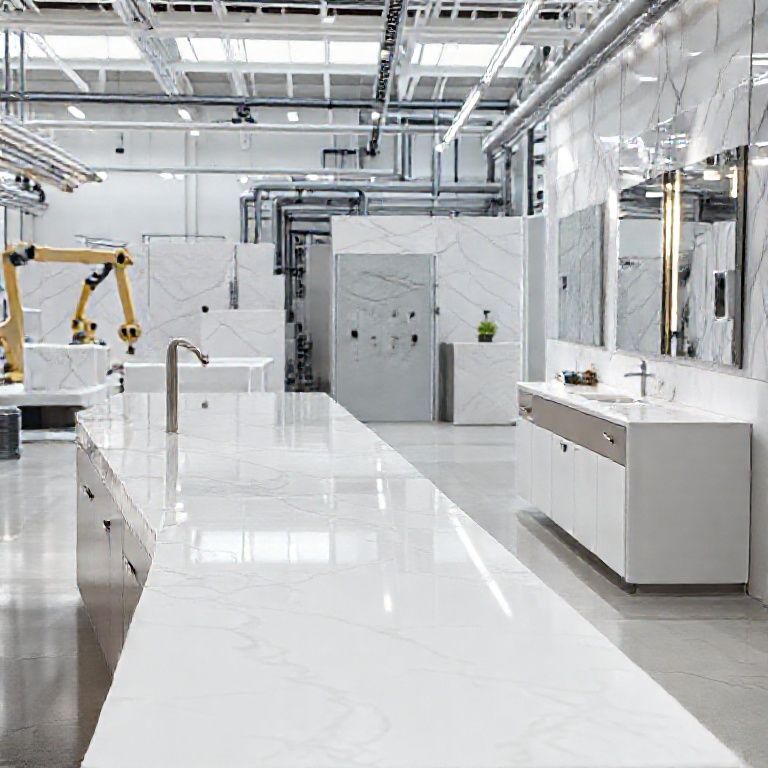
Environmental Considerations: Artificial marble is an eco-friendly choice as it does not deplete natural marble resources. Its production process is also less resource-intensive compared to the extraction and transportation of natural marble.
Conclusion to Artificial marble offers an elegant, durable, and customizable alternative to natural marble, making it a popular choice for various applications. Understanding the market price per square meter and the factors influencing it helps consumers make informed decisions. As we continue to explore the benefits and market trends in the next part of this article, we will delve deeper into the evolving landscape of artificial marble and how it is shaping the future of interior design.
The Evolving Landscape of Artificial Marble: Market Trends and Future Outlook
Introduction: The interior design industry is continually evolving, driven by technological advancements and changing consumer preferences. Artificial marble, with its blend of beauty and practicality, has emerged as a leading material in this transformation. This part of the article explores the latest market trends influencing artificial marble, the technological advancements shaping its future, and the projected growth and pricing trends that promise to redefine the landscape of interior design.
Market Trends Shaping the Artificial Marble Industry:
Sustainability and Eco-Friendliness: As the world becomes increasingly conscious of environmental impact, sustainability has become a key driver in the selection of building materials. Artificial marble stands out as an eco-friendly option, as it does not deplete natural resources and has a lower carbon footprint compared to traditional marble. This sustainability aspect is attracting environmentally conscious consumers and designers, thus driving the market growth.
Customization and Personalization: The demand for personalized and customized design solutions has surged, leading to a rise in the production of bespoke artificial marble products. Advanced manufacturing techniques allow for intricate designs and a wide range of color options, catering to the unique preferences of individual clients. This trend is pushing the boundaries of what is possible with artificial marble, making it a versatile choice for both residential and commercial projects.
Technological Advancements: Innovations in manufacturing technology have significantly improved the quality and appearance of artificial marble. Advanced resins and bonding techniques have resulted in products that are not only aesthetically pleasing but also highly durable and resistant to wear and tear. The integration of nanotechnology in the production process has further enhanced the properties of artificial marble, making it a preferred choice for high-end applications.
Affordability and Accessibility: Despite the higher initial cost of artificial marble compared to some alternatives, ongoing improvements in production processes have made it more affordable. The reduction in costs has increased its accessibility to a broader market, including small businesses and individual homeowners. This trend is likely to continue as economies of scale and technological advancements further reduce manufacturing expenses.
Technological Advancements Driving the Future of Artificial Marble:
Nanotechnology: The application of nanotechnology in the production of artificial marble has revolutionized its properties. Nano-sized particles are incorporated into the resin matrix, enhancing the strength, durability, and resistance of the final product. This technological advancement ensures that artificial marble can withstand the rigors of daily use without compromising on aesthetics.
Advanced Manufacturing Techniques: Innovations in manufacturing techniques, such as computer-aided design (CAD) and computer-aided manufacturing (CAM), have enabled the production of complex and highly detailed artificial marble designs. These technologies allow for precise control over the material’s properties and appearance, resulting in products that closely mimic the beauty of natural marble.
Surface Treatment Technologies: Surface treatment technologies have improved the aesthetic appeal and functionality of artificial marble. Techniques such as UV treatment, laser engraving, and high-pressure steam treatment offer a range of customization options, allowing designers to create unique and visually stunning surfaces.
Future Outlook: Pricing Trends and Market Growth:
Pricing Trends: The pricing of artificial marble is expected to stabilize as production costs decrease and economies of scale are achieved. While high-end, custom designs will continue to command premium prices, more affordable options are likely to become available, making artificial marble accessible to a wider audience.
Market Growth: The artificial marble market is projected to experience significant growth, driven by increasing demand in both residential and commercial sectors. The global market is expected to grow at a compound annual growth rate (CAGR) of around 8-10% over the next five years. This growth is attributed to the material’s durability, aesthetic appeal, and cost-effectiveness.
Emerging Markets: Emerging markets, particularly in Asia-Pacific and Latin America, are expected to play a crucial role in the growth of the artificial marble market. As these regions experience urbanization and increased investment in infrastructure, the demand for high-quality, durable, and affordable building materials like artificial marble is likely to surge.
Conclusion to The future of artificial marble looks promising, with technological advancements driving continuous improvement in quality and affordability. As market trends indicate a growing demand for sustainable, customizable, and high-quality materials, artificial marble is well-positioned to dominate the interior design industry. By understanding the factors influencing its market price and the trends shaping its future, consumers and professionals can make informed decisions that enhance both the beauty and functionality of their spaces.
In summary, artificial marble offers a继续探讨人造大理石(artificial marble)的市场价格和未来趋势,我们可以深入了解一些实际应用场景和案例,这将帮助我们更全面地把握其市场潜力和实际价值。
实际应用场景和案例:
厨房和浴室: 人造大理石因其耐水、耐污、耐热和易清洁的特点,非常适合用于厨房和浴室。这些区域通常受到高频率的水和油污损害,传统的天然大理石由于其易污、易划伤的特点在这些区域使用相对不理想。而人造大理石不仅美观,还能够抵御污渍和刮擦,延长使用寿命,降低维护成本。
办公室和商业空间: 在办公室和商业空间,人造大理石常用于制作台面、柜台和地板。它的高耐用性和多样化的设计使其成为商业空间的理想选择。例如,高级餐厅和酒店常常会使用人造大理石来提升其环境的高端感。
建筑外墙和装饰: 随着建筑设计的多样化和对外观的要求不断提高,人造大理石在建筑外墙和装饰中的应用也越来越广泛。它不仅具有美观的外观,还能够提供耐候性和耐久性,适合用于户外建筑装饰。
案例分析:
国际高端餐厅: 一些国际高端餐厅选择使用人造大理石作为其餐桌台面和吧台的材料。这不仅因为其高端的外观,还因为其耐污损和易清洁的特点,能够在高频率使用的环境中保持良好的卫生状态。
现代家居装饰: 在现代家居装饰中,人造大理石被广泛应用于厨房台面、浴室台面、地板和墙面装饰。一些高端住宅项目甚至会根据设计师的要求,定制独特的人造大理石材料,以满足个性化和高端的装饰需求。
未来市场前景:
技术创新: 随着材料科学和制造技术的进步,人造大理石的性能和外观将会不断提升。例如,通过添加不同的纳米材料,可以进一步提高其耐污、耐刮、抗菌等特性,从而满足更多高端市场需求。
环保需求: 在全球环保意识不断增强的背景下,人造大理石作为一种可再生、环保的材料,将会受到更多消费者和设计师的青睐。它不仅减少了对天然石材的开采,还能够提供更加可持续的解决方案。
市场扩展: 随着全球经济的发展和城市化进程的加速,人造大理石市场将进一步扩展。特别是在新兴市场国家,随着中产阶级的崛起和对高品质生活方式的追求,人造大理石的需求将会显著增加。
总结:
人造大理石以其优异的性能、多样化的设计和可持续的环保特点,正在迅速占领市场。尽管初始投入可能高于一些传统材料,但其长期的耐用性和低维护成本使其成为一种经济实惠的选择。未来,随着技术进步和市场需求的增加,人造大理石的市场价格有望进一步稳定,并在更多领域得到广泛应用。
无论是在家庭装饰、商业空间还是建筑设计中,人造大理石都将继续展现其巨大的潜力和魅力。