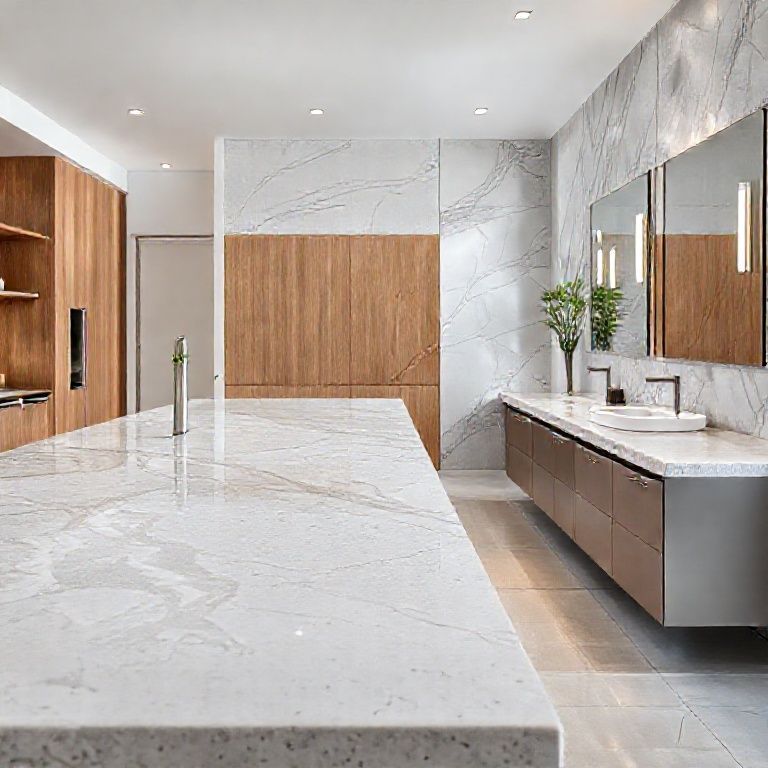
In today’s world of interior design, luxury and elegance often go hand in hand. One material that has captured the imagination of designers and homeowners alike is dry-installed marble. This sophisticated and enduring material is transforming the way we approach flooring, countertops, and even bathroom tiles. In this comprehensive guide, we will explore the myriad benefits of dry-installed marble, its cost considerations, and the intricate process behind its installation.
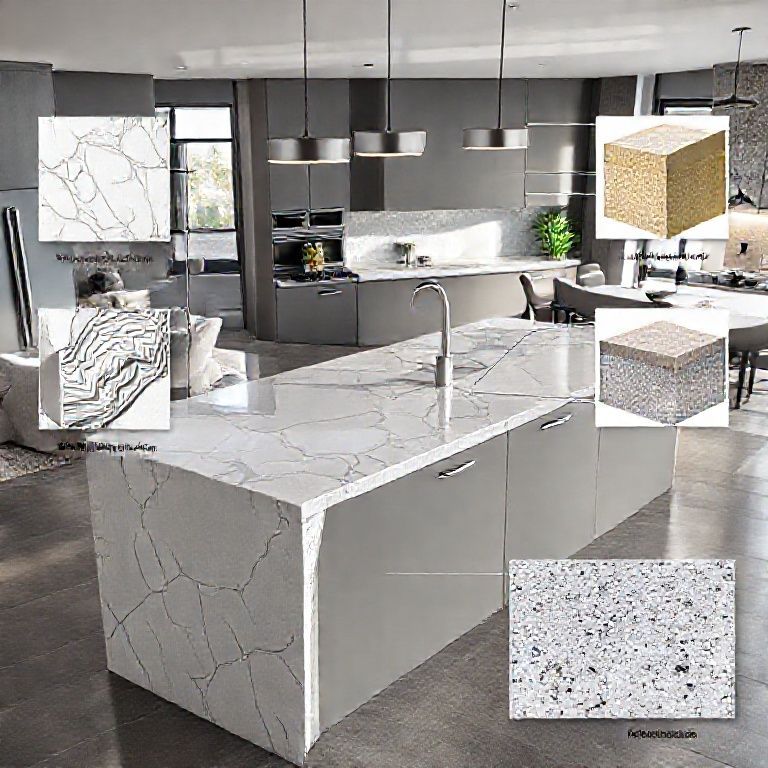
The Appeal of Dry-Installed Marble
Dry-installed marble stands out due to its unique installation method, which allows for a more flexible and cost-effective application compared to traditional wet methods. Unlike wet-installed marble, which requires the use of adhesives and grout, dry-installed marble relies on specialized clips and mechanical fasteners to secure the tiles in place. This not only simplifies the installation process but also provides a sleek, clean look that is highly sought after.
Benefits of Dry-Installed Marble
Sleek and Modern Look: The most immediate benefit of dry-installed marble is its clean and minimalist aesthetic. By eliminating the need for grout lines and adhesive, this method showcases the natural beauty of the marble in a more unadulterated form. The clean lines and seamless appearance are perfect for modern, contemporary designs.
Ease of Installation: One of the most significant advantages of dry-installed marble is the simplicity of the installation process. Without the need for complex adhesives or grout, the tiles can be secured using clips or mechanical fasteners. This not only speeds up the installation but also reduces labor costs, making it a more economical option for many projects.
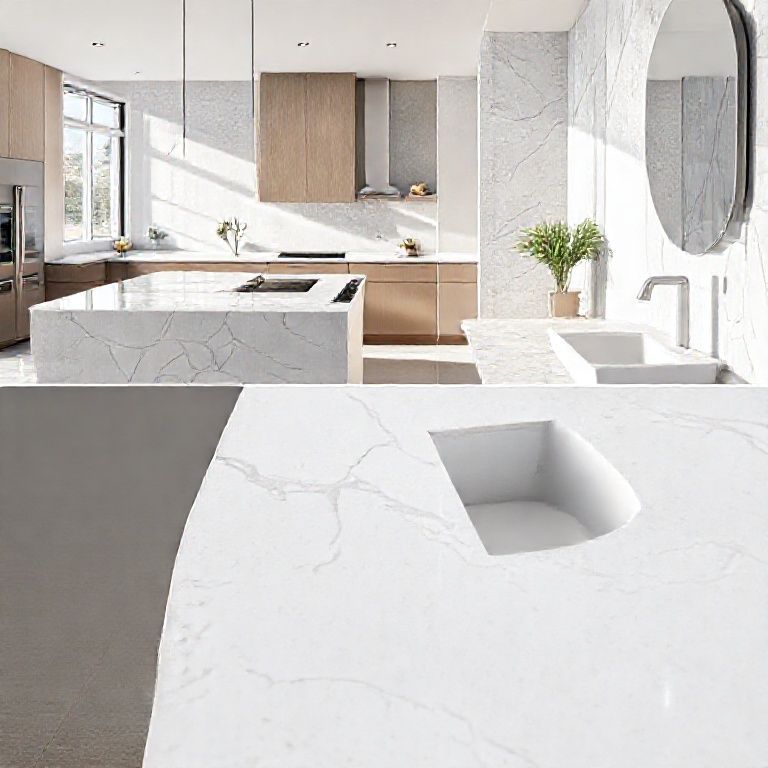
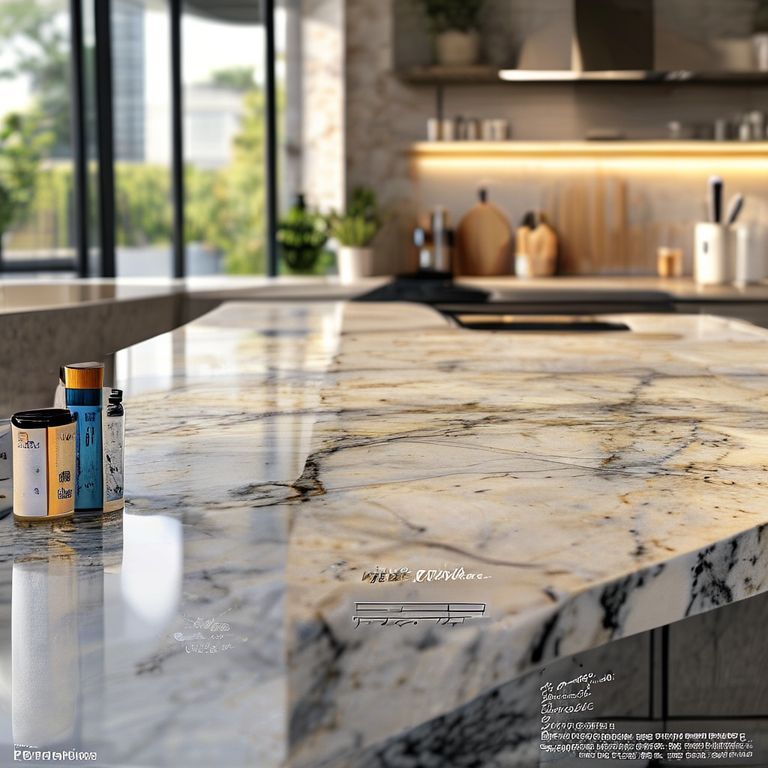
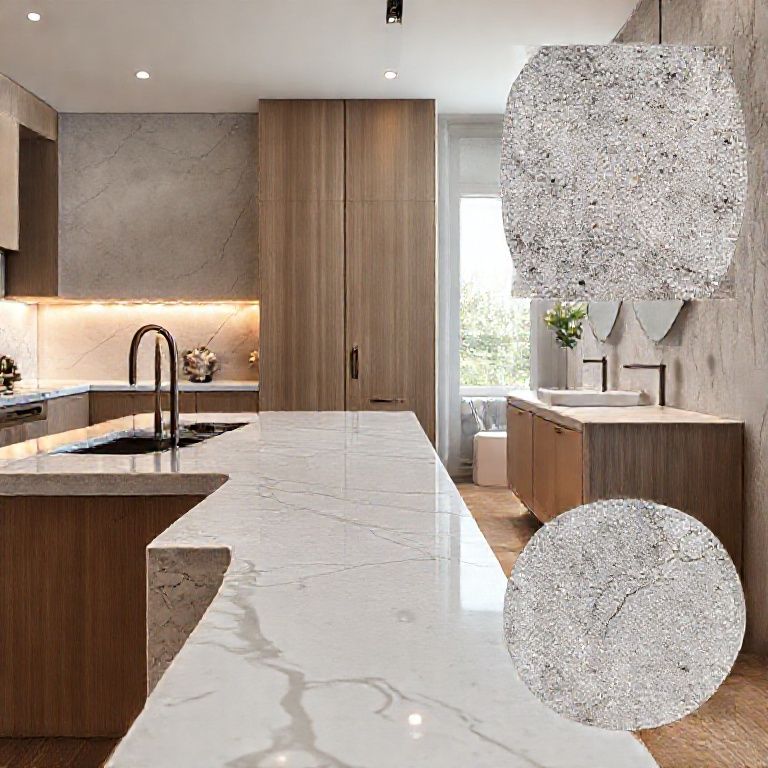
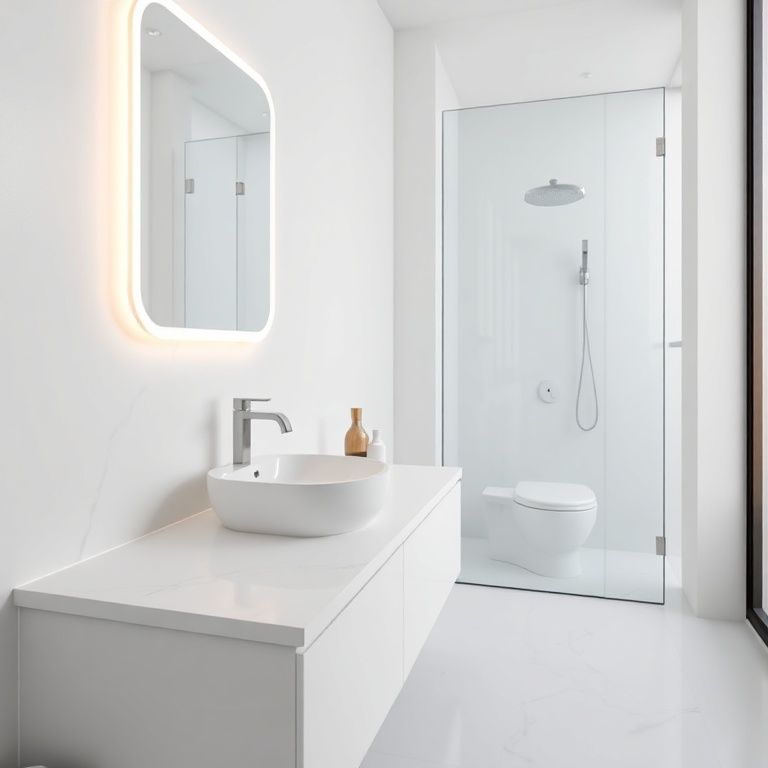
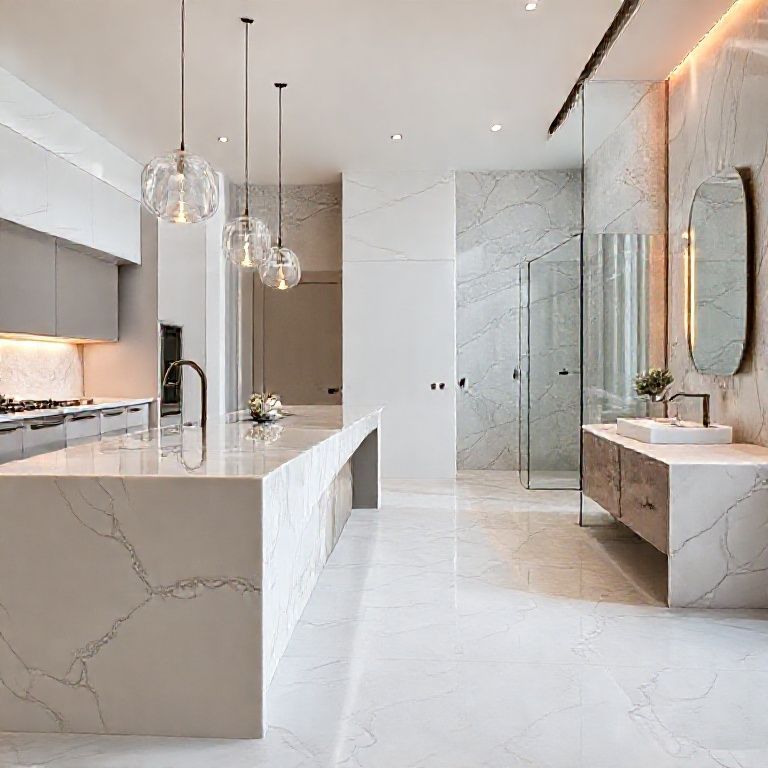
Versatility: Dry-installed marble is incredibly versatile, suitable for various applications such as flooring, countertops, and even bathroom tiles. Its adaptability allows it to complement a wide range of design styles, from minimalist to ornate.
Durability and Low Maintenance: Marble is renowned for its durability and resistance to scratches and stains. With dry installation, the material can be easily cleaned and maintained, ensuring that its pristine appearance is preserved for years to come.
Cost-Effectiveness: While the initial cost of marble tiles may seem high, the overall cost-effectiveness of dry-installed marble can be compelling. The reduced need for adhesives, grout, and labor makes it a more affordable option in the long run.
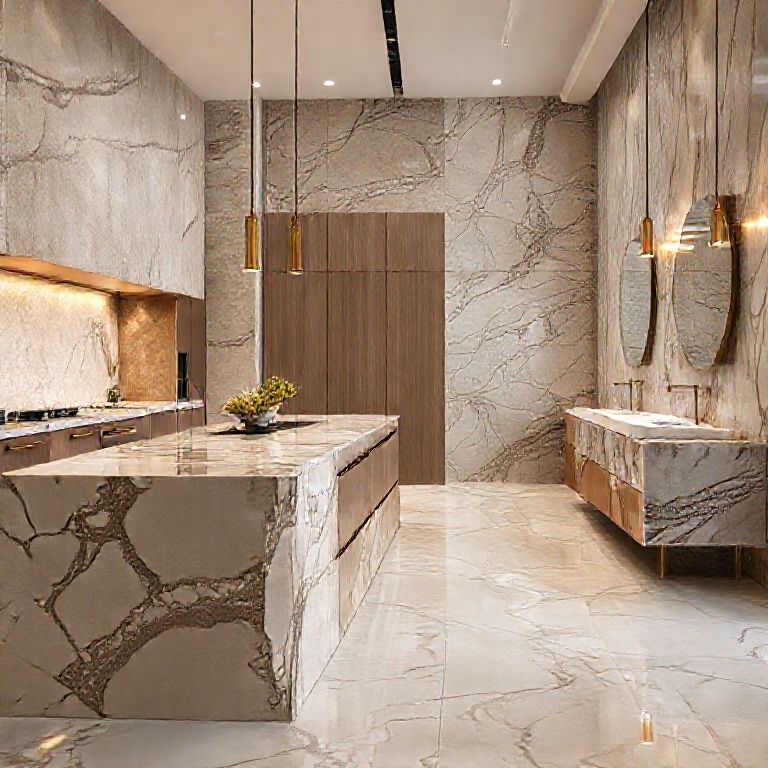
Cost Considerations
One of the most common questions regarding dry-installed marble is its cost. The price of marble can vary widely depending on several factors, including the type of marble, quality, and the complexity of the installation. Generally, dry-installed marble tends to be more cost-effective than wet-installed marble due to the simplified installation process.
Factors Influencing the Cost of Dry-Installed Marble
Type of Marble: The type of marble used significantly impacts the overall cost. High-end marbles such as Carrara, Botticino, and Travertine are naturally more expensive due to their rarity and superior quality. However, there are many excellent options available at various price points.
Quality of Marble: The quality of the marble, including its color consistency, veining, and overall appearance, affects the price. Higher quality marbles with more uniform colors and less veining are generally more expensive.
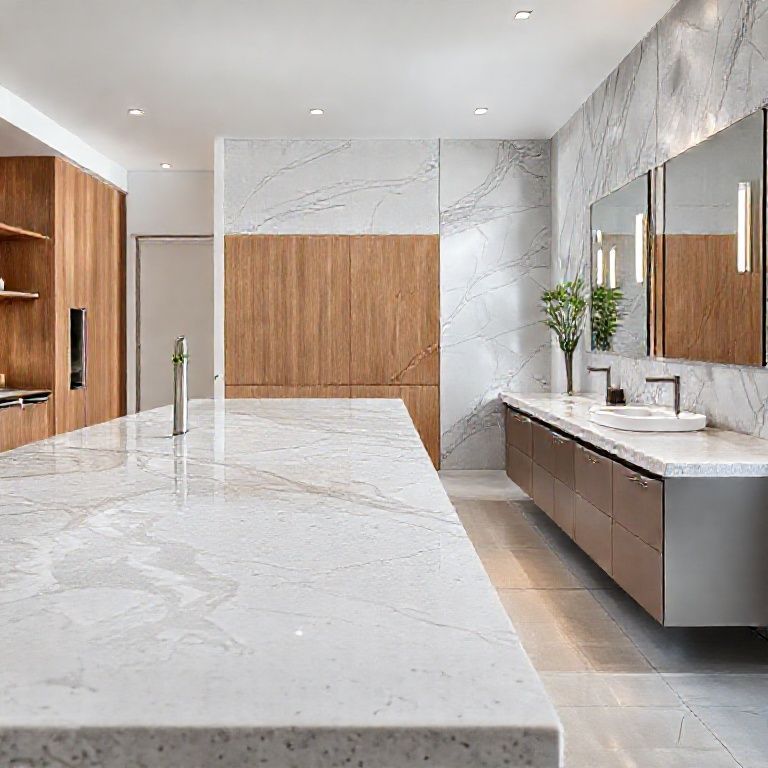
Size and Thickness of Tiles: Larger tiles and thicker marble slabs typically cost more. This is because they require more material and can be more challenging to install.
Installation Costs: While the dry installation method reduces labor costs, the overall price still includes the cost of the installation team, clips, fasteners, and any necessary tools.
Geographical Location: The cost of marble can vary based on where it is purchased. Shipping costs and local market rates can influence the final price.
Installation Process
The installation of dry-installed marble is straightforward and typically completed by a professional team. Here’s a step-by-step breakdown of the process:
Preparation: Before installation, the surface must be prepared. This involves cleaning the area thoroughly and ensuring that it is level and free from any imperfections. In some cases, a moisture barrier may be required, particularly for areas with high humidity.
Measuring and Marking: The first step in installation is to measure the area and mark the tiles accordingly. Dry-installed marble often requires precise cutting to fit specific spaces, so accuracy is crucial.
Securing Tiles: The tiles are then secured using specialized clips or mechanical fasteners. These clips are designed to hold the tiles in place without the need for adhesives or grout. They are typically applied in a grid pattern to ensure even spacing and alignment.
Finishing Touches: Once the tiles are securely in place, any necessary trim or edging pieces are added to complete the installation. These pieces help to hide the gaps between tiles and provide a clean finish.
Conclusion
Dry-installed marble is an exceptional choice for those looking to add a touch of luxury and elegance to their home. Its modern aesthetic, ease of installation, and long-lasting durability make it a top contender in the world of interior design. While the initial cost may be higher than some alternatives, the overall cost-effectiveness and the stunning visual appeal of dry-installed marble make it a worthwhile investment.
In the next part of our guide, we will delve deeper into the specific costs associated with dry-installed marble per square meter, explore popular marble types and their price ranges, and provide tips on selecting the right marble for your project. Stay tuned for more insights into the world of high-end interior design.
In this second part of our comprehensive guide, we will delve deeper into the specifics of dry-installed marble, focusing on its cost per square meter. We will explore the pricing for various types of marble, discuss factors that influence these costs, and provide valuable tips for selecting the right marble for your project. Whether you’re a homeowner or a designer, this detailed analysis will help you make informed decisions to achieve a luxurious and enduring finish.
Cost Per Square Meter
Understanding the cost of dry-installed marble per square meter is crucial for planning your project budget. While the exact price can vary based on several factors, we will provide a detailed overview to help you get an accurate estimate.
Factors Influencing Cost Per Square Meter
Type of Marble: Different types of marble have varying price points. High-end marbles such as Carrara, Botticino, and Travertine are more expensive due to their rarity and superior quality. On the other hand, more common varieties like Calacatta and Carrara Grey offer more budget-friendly options without sacrificing elegance.
Quality and Finish: The quality of the marble, including its color consistency, veining, and overall appearance, significantly affects the cost. Marbles with more uniform colors and less veining are generally more expensive. Additionally, the finish of the marble (polished, honed, or brushed) can impact the price.
Size and Thickness of Tiles: Larger tiles and thicker marble slabs typically cost more. Larger tiles are often more durable and provide a more seamless appearance, but they also require more material. The thickness of the marble can also influence the price, with thicker slabs generally being more expensive.
Installation Costs: While dry installation reduces labor costs, the overall price still includes the cost of the installation team, clips, fasteners, and any necessary tools. The complexity of the installation can also affect the cost per square meter.
热门大理石类型及其价格
卡拉拉大理石(Carrara Marble): 特点:卡拉拉大理石以其纯白色和细腻的纹理而闻名,是最经典的大理石之一。 价格:每平方米大约在200至300美元之间,具体价格取决于质量和尺寸。 布提奇诺大理石(Botticino Marble): 特点:具有自然的棕色和白色条纹,非常适合经典和传统设计。
价格:每平方米大约在150至250美元之间。 卡拉卡塔大理石(Calacatta Marble): 特点:卡拉卡塔大理石具有纯白色的外观,带有细微的浅灰色条纹,非常适合现代设计。 价格:每平方米大约在120至200美元之间。 白色石板大理石(White Marble): 特点:这种大理石以其纯白色和无瑕疵的外观著称,是一种非常高档的选择。
价格:每平方米大约在200至350美元之间。
选择大理石的建议
考虑耐用性: 尽量选择耐用且抗污的大理石。卡拉拉和卡拉卡塔是非常耐用的选择。 预算规划: 明确你的预算范围,并根据预算选择大理石类型和品牌。记住,干挂大理石的安装费用也会影响总成本。 质量和认证: 确保选择的大理石经过认证并符合高质量标准。
查看供应商的证书和样品,以确保其质量。 环境适应性: 考虑大理石将被用于的环境。例如,厨房和浴室可能需要更耐污、耐污渍的材料。
安装技巧
选择专业人员: 安装大理石最好交给专业的安装团队。专业人员不仅能确保正确的安装,还能提供有关维护的建议。 清洁和保养: 大理石是一种较为脆弱的材料,需要定期清洁和保养。使用专门的大理石清洁剂和保养油,以保持其光泽和耐用性。 防护措施: 安装大理石时,尽量避免使用硬质物品碰撞,以防止划伤和损坏。
可以在大理石表面涂抹保护层,增加其耐用性。 后期维护: 定期检查大理石表面是否有划痕或污渍,及时进行清洁和保养。避免长时间积水,以防止霉菌和其他损害。
结论
干挂大理石是一种极具价值的装饰材料,无论是用于厨房、浴室还是客厅地面,都能提升空间的整体档次。在选择和安装大理石时,综合考虑材料的质量、预算、耐用性以及专业安装和后期保养,将能帮助你获得最佳的效果和最长久的使用寿命。