Initial Cost Elements and Quality Considerations
When considering “how much does a square meter of slate countertops cost,” it’s essential to start with a detailed understanding of the various elements that influence the overall price. Slate countertops are a popular choice for their durability, natural beauty, and timeless appeal, but the cost can vary significantly based on several factors.
1. Type of Slate
The type of slate you choose plays a crucial role in determining the price. There are several varieties of slate, each with its unique characteristics:
Domestic Slate: Slate mined within the country tends to be more affordable due to lower transportation costs. However, it might not match the finer qualities found in imported slate.
Imported Slate: Slate sourced from countries like China, India, and Morocco often offers superior quality and unique color variations. While these can be more expensive, the enhanced aesthetic and durability often justify the higher cost.
2. Color and Pattern
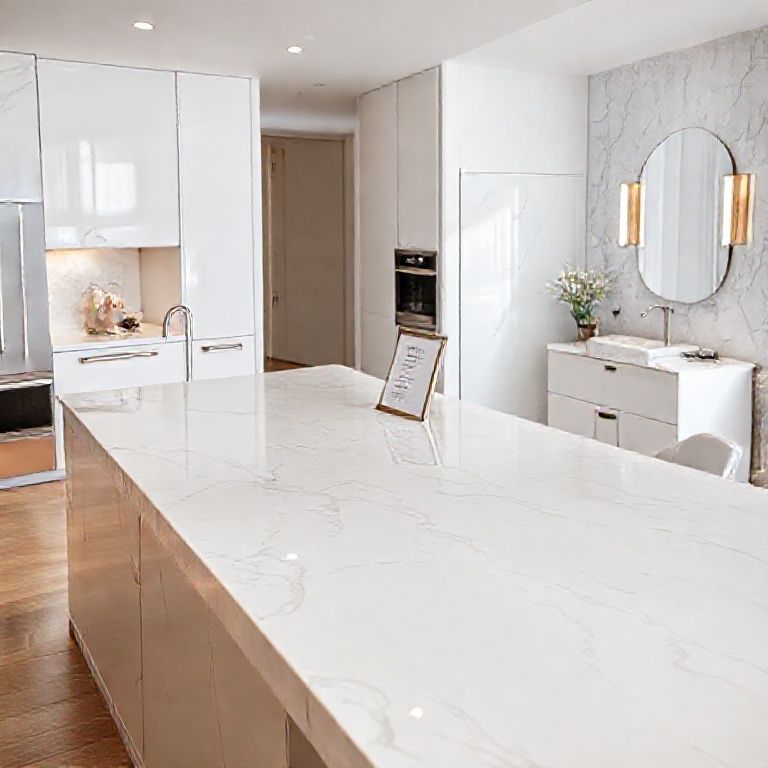
Slate naturally comes in a variety of colors and patterns, and these can significantly affect the price. Rare and unique shades or intricate veining can drive up the cost. To give you an idea, slate with a striking, one-of-a-kind pattern might cost more per square meter than a standard, more common color.
3. Thickness and Grade
The thickness and grade of the slate also factor into the overall cost. Thicker slate slabs are generally more durable and provide a more substantial, robust surface. Higher grades of slate, which are free from significant cracks or blemishes, are naturally more expensive.
4. Finish and Polish
The finish of the slate countertop can impact the price. Polished slate has a smooth, glossy finish that enhances its natural beauty but requires additional processing and can be more costly. Honed or textured finishes might be less expensive as they require less labor and material.
5. Additional Costs
Other costs that should be considered include:
Shipping and Handling: If you’re sourcing your slate from a different region or country, shipping costs can add to the total price.
Custom Cut Costs: If your countertops require custom cutting to fit your space, this might increase the overall cost.
Benefits of Investing in Quality Slate
Investing in high-quality slate countertops offers numerous benefits that make it worthwhile despite the higher initial cost:
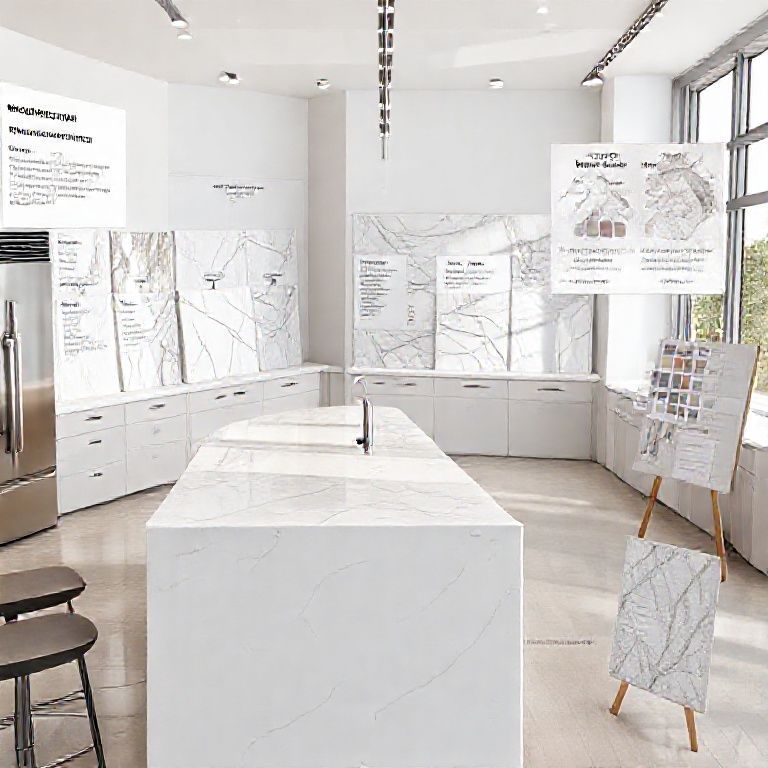
Durability: Slate is one of the hardest natural stones, known for its resistance to scratches, stains, and impact. This durability means fewer repairs and a longer lifespan for your countertops.
Aesthetic Appeal: Slate’s natural beauty and unique patterns offer a timeless and elegant look that can enhance any kitchen or bathroom. Its versatility allows it to complement a variety of design styles.
Low Maintenance: Unlike other natural stone options, slate requires minimal maintenance. A simple wipe-down with a damp cloth is usually sufficient to keep it looking pristine.
Understanding these elements will help you navigate the initial cost considerations of slate countertops, ensuring you make an informed decision based on both budget and desired quality.
Installation, Maintenance, and Long-Term Value
Having covered the initial cost elements and quality considerations, it’s time to delve deeper into the other aspects that influence the overall value of slate countertops: installation, maintenance, and long-term value.
1. Installation Costs
The cost of installing slate countertops can vary based on several factors, including:
Professional Installation: Hiring a professional installer ensures a high-quality finish and reduces the risk of damage. The cost of professional installation can range widely based on the complexity of the project, the expertise of the installer, and local labor rates. It’s often advisable to get quotes from multiple professionals to get a comprehensive understanding of what to expect.
DIY Installation: Some homeowners opt to install slate countertops themselves to save on labor costs. While this can be feasible for simple projects, it’s important to note that slate requires precision cutting and careful installation to avoid damage. If you’re considering a DIY approach, factor in the cost of necessary tools and materials.
2. Maintenance Requirements
Slate countertops are known for their low maintenance requirements, making them an attractive choice for homeowners. Here’s a closer look at what maintenance entails:
Cleaning: Slate countertops are generally easy to clean. A simple wipe-down with a damp cloth and mild soap is usually sufficient. Avoid using abrasive cleaners or scrubbers that can scratch the surface.
Sealing: While slate does not typically require sealing like other natural stones, it’s still beneficial to consider it for high-traffic areas. A sealant can provide an extra layer of protection against stains and spills, but it’s not always necessary.
3. Long-Term Value and Investment
One of the most significant advantages of investing in slate countertops is their long-term value. Here’s why:
Durability: As previously mentioned, slate’s durability means it will last for many years with minimal repairs, saving you money in the long run. This longevity makes slate an excellent investment, especially for those looking to avoid frequent replacements.
Revaluation: Slate countertops often increase the value of a home. Homes with high-quality natural stone countertops tend to have higher resale values, making slate a smart choice for those planning to stay in their home for the long term.
Aesthetic Appeal: The timeless beauty of slate continues to be in demand, maintaining its appeal across different design trends. This enduring appeal ensures that slate countertops remain a valuable asset, enhancing both the functional and aesthetic aspects of your home.
Conclusion
Understanding the cost of a square meter of slate countertops involves more than just a quick calculation. It requires a comprehensive look at the type of slate, quality, installation, and maintenance. While the initial cost might be higher compared to other countertop materials, the long-term benefits of durability, low maintenance, and increased home value make it a worthwhile investment.
By considering these factors, you can make an informed decision that aligns with your budget and design preferences, ensuring you get the best value for your investment in high-quality slate countertops. Whether you’re planning a kitchen or bathroom renovation, slate offers a luxurious, enduring, and stylish choice that stands the test of time.