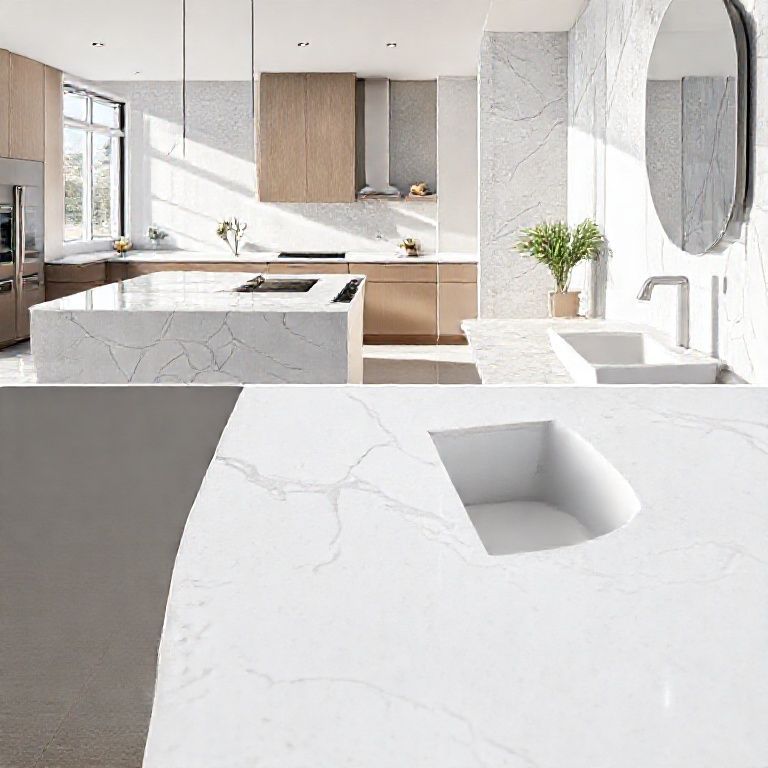
Unveiling the Elegance of Marble: Understanding Marble Material Price Per Square Foot
When it comes to interior design, marble stands as a timeless classic that exudes luxury and sophistication. Known for its striking beauty and durability, marble has been a favorite for centuries, from grand palaces to modern homes. However, understanding the cost dynamics of marble, specifically the “marble material price per square foot,” is crucial for any homeowner or designer aiming to achieve a refined aesthetic without breaking the bank.
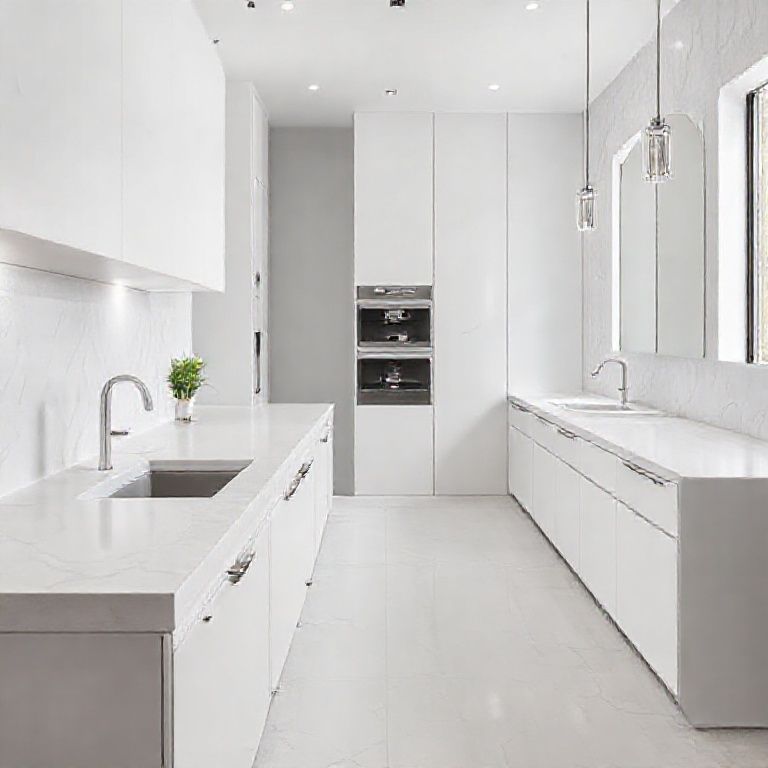
The Essence of Marble
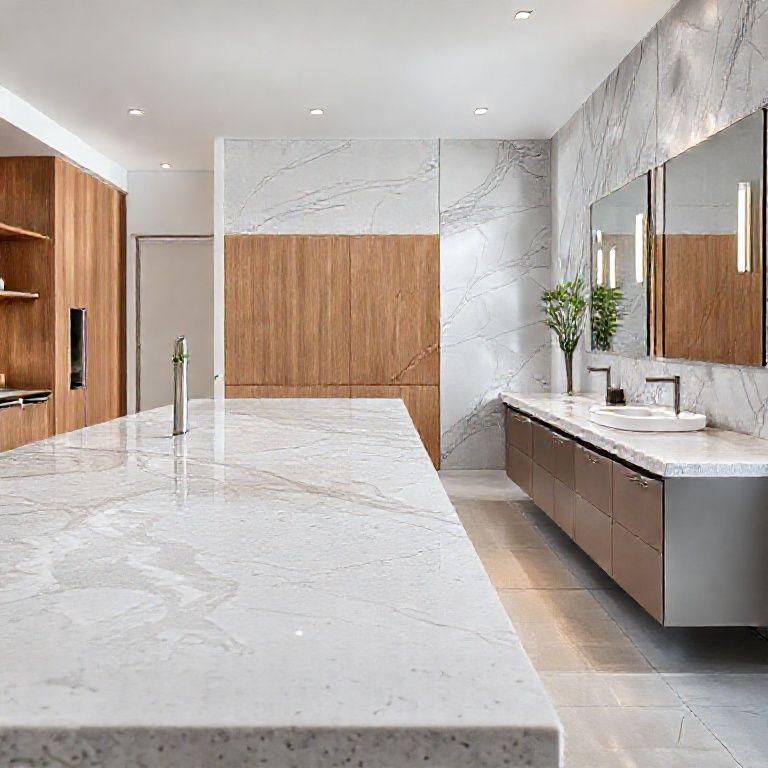
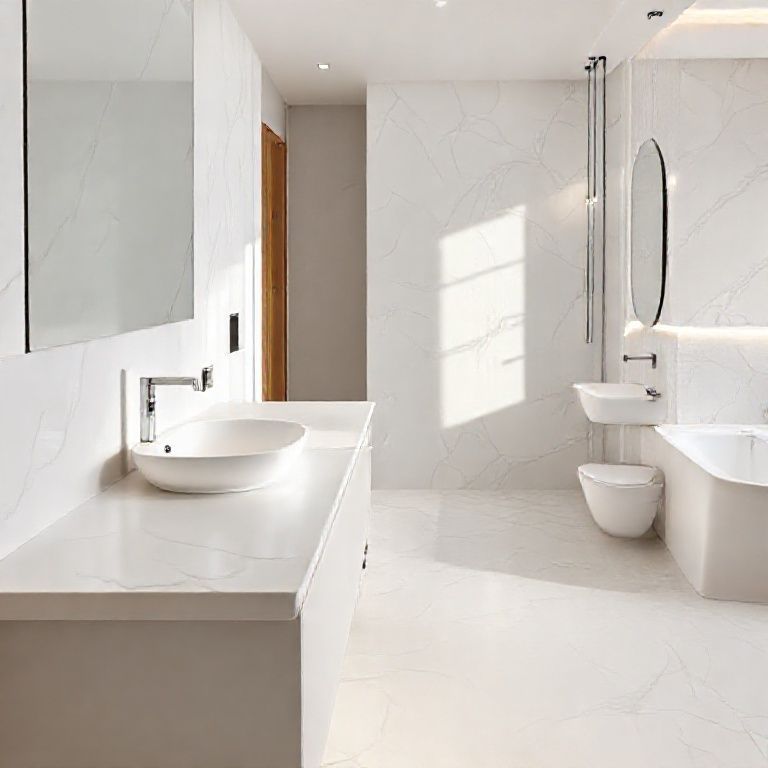
Marble is a metamorphic rock formed from the transformation of limestone under intense heat and pressure. This process imbues marble with a unique, veined pattern and a range of colors that captivates the eye. Its natural beauty and high durability make it a preferred choice for countertops, flooring, and decorative elements in both residential and commercial spaces.
Factors Influencing Marble Material Price Per Square Foot
The price of marble per square foot can vary significantly based on several factors. Here’s a closer look at what influences these costs:
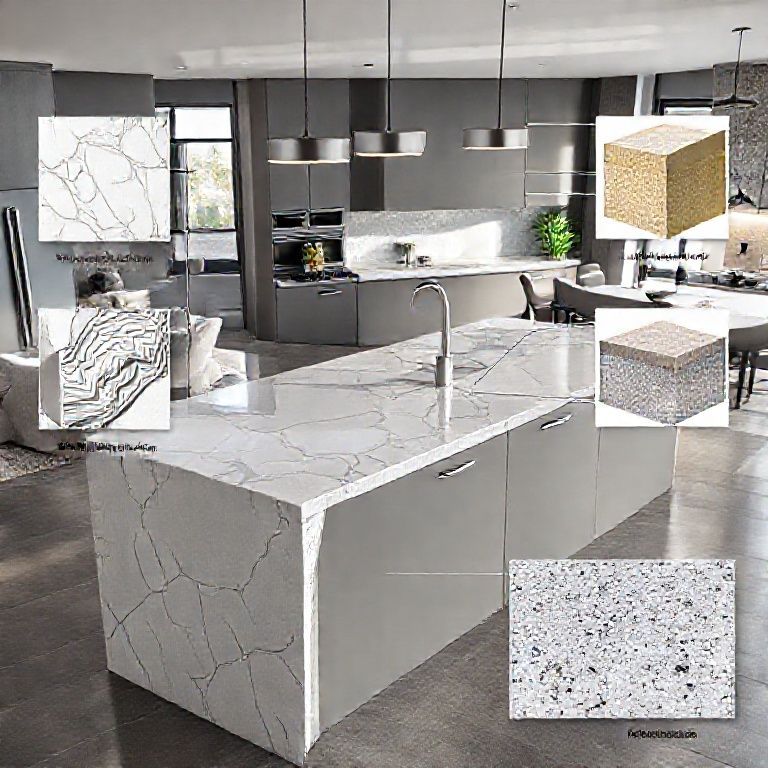
Type of Marble: Marble comes in numerous varieties, each with its own unique characteristics and price. Popular types include Carrara (known for its pure white color), travertine (with its distinctive veining), and Onyx (characterized by its sleek, solid-color bands). Each type has a different cost due to its rarity and aesthetic appeal.
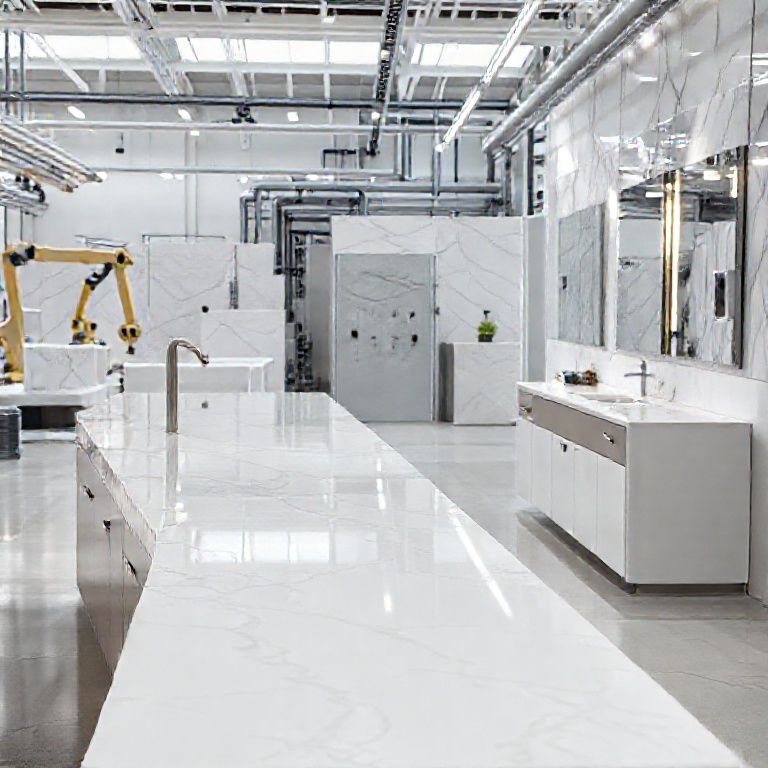
Quality and Finish: The quality of marble, including its color, uniformity, and veining pattern, plays a significant role in determining its price. Higher-quality marble with minimal blemishes and more consistent coloring will naturally cost more. Additionally, the finish (polished, brushed, honed, etc.) can also affect the price.
Geographical Source: Marble is sourced from different parts of the world, each with its unique characteristics and costs. For instance, Italian marble is often more expensive due to its prestige and craftsmanship, whereas marble from other regions might be more affordable but still offer excellent quality.
Labor Costs: The cost of labor for installation and maintenance is also a factor. Marble installations require skilled labor due to the delicate nature of the material, and regions with higher living costs will have more expensive labor rates.
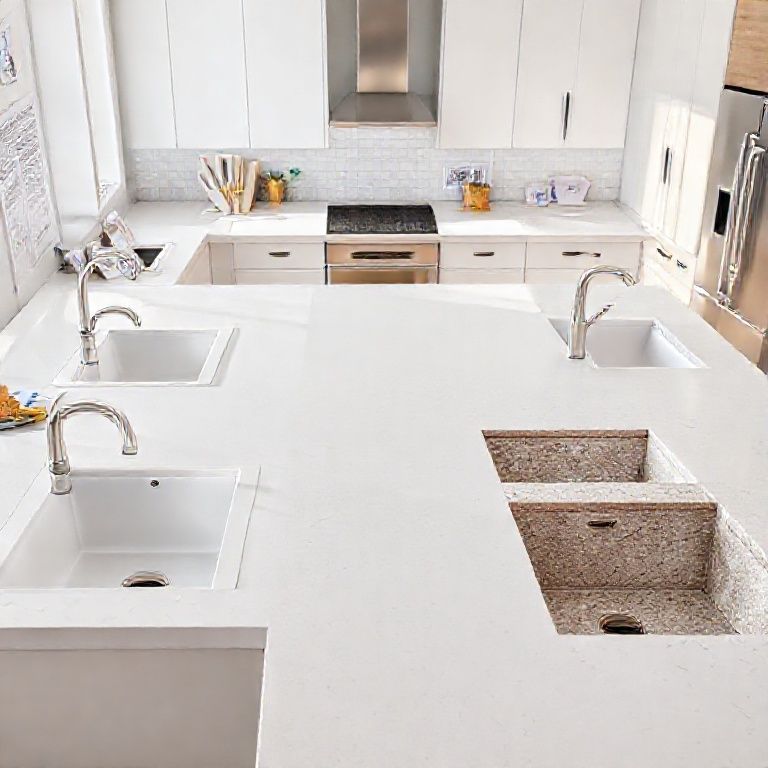
Supply and Demand: Just like any commodity, the price of marble can fluctuate based on supply and demand. Limited availability of high-quality marble can drive up prices.
Types of Marble and Their Prices
Understanding the different types of marble can help you make an informed decision based on your budget and design preferences. Here are some of the most popular types along with a general price range per square foot:
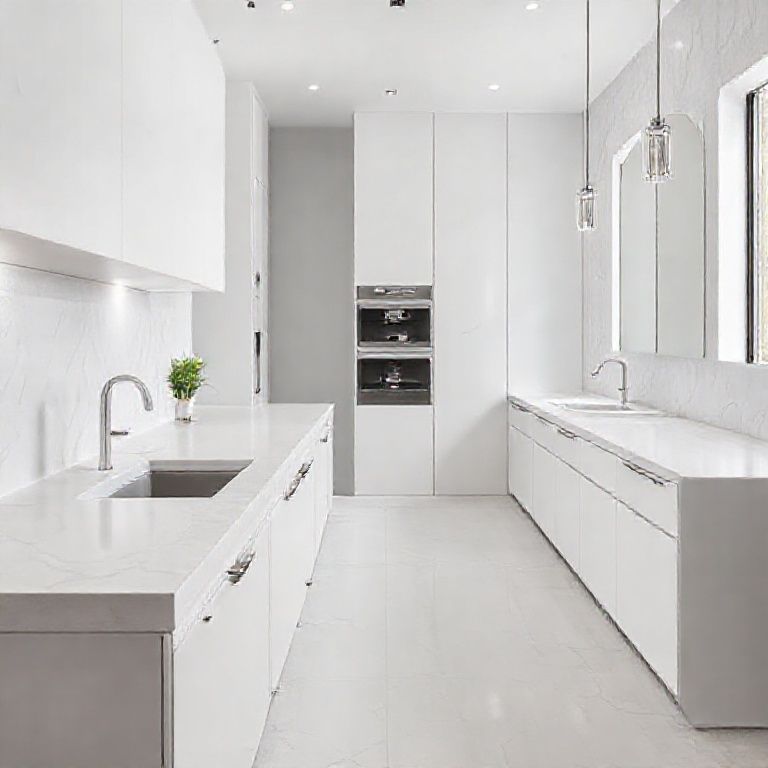
Carrara Marble: Often regarded as the gold standard, Carrara marble can cost between $100 to $200 per square foot. Its pristine white color and smooth finish make it highly sought after.
Travertine: Known for its natural, rustic beauty, travertine typically ranges from $30 to $70 per square foot. It’s less expensive than Carrara but offers a unique aesthetic.
Onyx: Onyx marble is prized for its sleek, monochromatic appearance. Prices generally range from $50 to $150 per square foot, depending on the color and finish.
Indian Black Marble: Popular for its striking black color, Indian black marble is relatively affordable, costing between $20 to $50 per square foot.
Egyptian Pink Marble: This marble features a soft pink hue with intricate veining. It typically ranges from $40 to $100 per square foot.
Trends in Marble Pricing
The marble industry is continually evolving, influenced by global economic trends, advances in extraction and processing technologies, and shifting consumer preferences. Here are some trends to keep in mind:
Sustainability: With a growing emphasis on sustainability, many marble producers are adopting eco-friendly practices. This trend could influence future pricing, potentially making sustainable marble more accessible over time.
Customization: Custom marble designs and finishes are becoming more popular. While this can add to the cost, it also allows for unique, bespoke designs that perfectly match your aesthetic vision.
Digital Innovations: Advances in digital technology are streamlining the production and installation processes, which may lead to more competitive pricing in the future.
Conclusion
The world of marble offers a plethora of options to suit every taste and budget. Understanding the “marble material price per square foot” involves considering various factors like type, quality, geographical source, labor costs, and market trends. By taking these elements into account, you can make a well-informed decision that balances cost with the timeless elegance of marble.
Stay tuned for part 2, where we delve deeper into the installation process, maintenance tips, and the long-term benefits of investing in marble for your interior design projects.
Enhancing Your Space with Marble: Detailed Insights on Marble Material Price Per Square Foot
In the previous part, we explored the factors influencing the “marble material price per square foot,” types of marble, and current market trends. Now, let’s delve deeper into the practical aspects of incorporating marble into your space. From installation and maintenance to the long-term benefits and cost efficiency, this comprehensive guide will help you make an informed decision for your next interior design project.
Marble Installation: Ensuring Precision and Longevity
Installing marble requires precision and expertise to ensure that it serves both aesthetic and functional purposes. Here are some critical aspects to consider:
Professional Installation: Given the delicate nature of marble, hiring a professional installer is crucial. Skilled installers understand the nuances of different marble types and have the tools and techniques to avoid damage during installation. This not only ensures a flawless finish but also enhances the longevity of the marble.
Preparation: Proper preparation of the surface is vital before installing marble. This involves cleaning the surface, leveling it, and ensuring it is free from any imperfections. Professionals will use specialized tools to prepare the substrate, which is essential for a secure and durable installation.
Sealing: After installation, sealing the marble is crucial to protect it from stains and water damage. Professionals will apply high-quality sealants that provide a durable barrier while maintaining the natural beauty of the marble.
Maintenance Tips for Marble Longevity
Maintaining marble to keep its pristine look and extend its lifespan requires some effort but is well worth the investment. Here are some essential tips:
Regular Cleaning: Use a soft, damp cloth to clean marble surfaces. Avoid using abrasive cleaners or sponges that can scratch the surface. For tougher stains, use a mild acid-based cleaner, but always test it in an inconspicuous area first.
Immediate Stain Treatment: Marble is susceptible to staining. The longer a stain stays on the marble, the harder it is to remove. Use a marble cleaner or a solution of vinegar and water to treat stains immediately.
Avoiding Acidic Foods: To prevent etching, avoid placing acidic foods or drinks directly on marble surfaces. Use coasters and trivets to protect the marble from heat and moisture.
Regular Sealing: Depending on the usage and exposure, marble should be resealed every 1-2 years to maintain its protective barrier.
Long-Term Benefits and Cost Efficiency
Investing in marble offers several long-term benefits that make it a cost-effective choice for both residential and commercial spaces. Here’s why:
Durability: Marble is one of the hardest natural stones, making it extremely durable and resistant to scratches, dents, and impact. This durability translates to a longer lifespan compared to many other materials.
Low Maintenance: While marble does require regular maintenance, it’s relatively low-maintenance compared to other high-end materials like granite or stone. With proper care, marble can last for decades, providing consistent beauty and value.
Aesthetic Appeal: Marble’s timeless elegance adds significant aesthetic value to any space. Whether used in countertops, flooring, or decorative elements, marble enhances the overall design and can increase property value.
Versatility: Marble’s versatility allows it to be used in a variety of settings, from luxurious bathrooms to modern kitchens. Its adaptability makes it a popular choice for both contemporary and classical designs.
Resale Value: Properties with high-quality marble installations often see a higher resale value. The durability and timeless appeal of marble make it a desirable feature for potential buyers.
1. 教育领域
在教育领域,“继续”通常指的是学生在完成某一学历阶段后,选择进入下一个更高级的学习阶段。例如:
高中生继续到大学:在许多国家,学生完成高中教育后,有机会进入大学进行高等教育。 继续教育:这是指在已经完成了某个学历阶段后,选择进行更高级的学习或专业培训。例如,一个已经拥有本科学位的人选择去攻读硕士学位。
2. 职业发展
在职业发展方面,“继续”指的是员工在现有职位上继续工作,或者通过晋升、培训等方式提升自己的职业技能和职位。
职业晋升:员工通过努力工作、表现优秀,有机会获得更高职位和更高薪资。 职业培训:员工通过参加培训课程提升专业技能,以便在职业生涯中“继续前进”。
3. 个人发展
在个人发展方面,“继续”强调个人在各个方面不断进步和提升。
学习新技能:人们常常会选择学习新的语言、乐器或技能,以便在生活和工作中有更多的选择。 健康与健身:持续的健身和健康饮食是个人持续发展的一部分。
4. 技术与创新
在技术和创新领域,“继续”通常指的是持续进行研发和技术改进。
技术升级:公司和组织通过持续研发,不断升级他们的技术和产品。 创新与改进:科技公司常常需要通过创新和技术改进来保持市场竞争力。
5. 社会与文化
在社会和文化方面,“继续”可以指社会各个层面的持续发展和文化传承。
社会进步:社会通过法律、政策和教育等方式不断进步,以提高人们的生活质量。 文化传承:通过教育和文化活动,社会能够更好地传承和发扬传统文化。
6. 环境与可持续发展
在环境保护和可持续发展方面,“继续”强调通过持续的努力,实现环境保护和可持续发展。
环境保护:通过持续的环保措施和政策,减少污染和资源浪费。 可持续发展:在经济发展的注重环境和社会的可持续性。
结论
“继续”是一个广泛的概念,涵盖了教育、职业发展、个人成长、技术进步、社会进步和环境保护等多个领域。无论在哪个领域,“继续”都代表着持续进步和提升。希望这些信息对你有所帮助,如果你有更具体的方向或问题,欢迎进一步探讨。