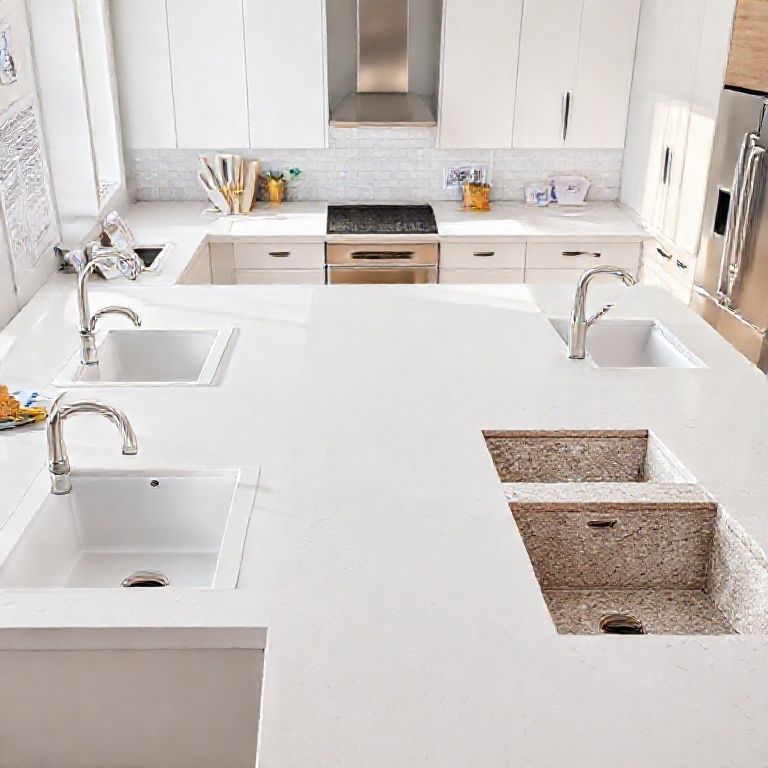
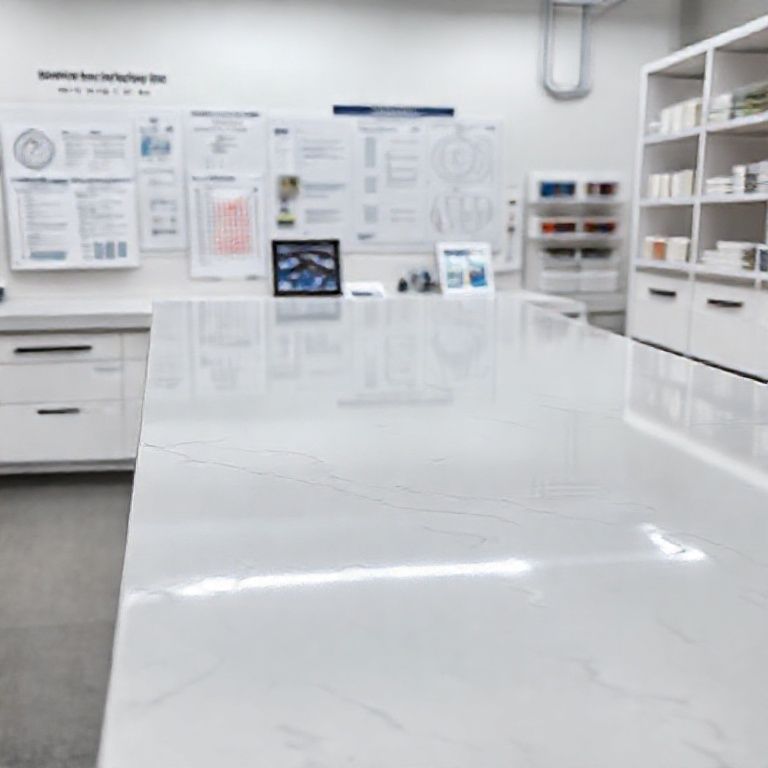
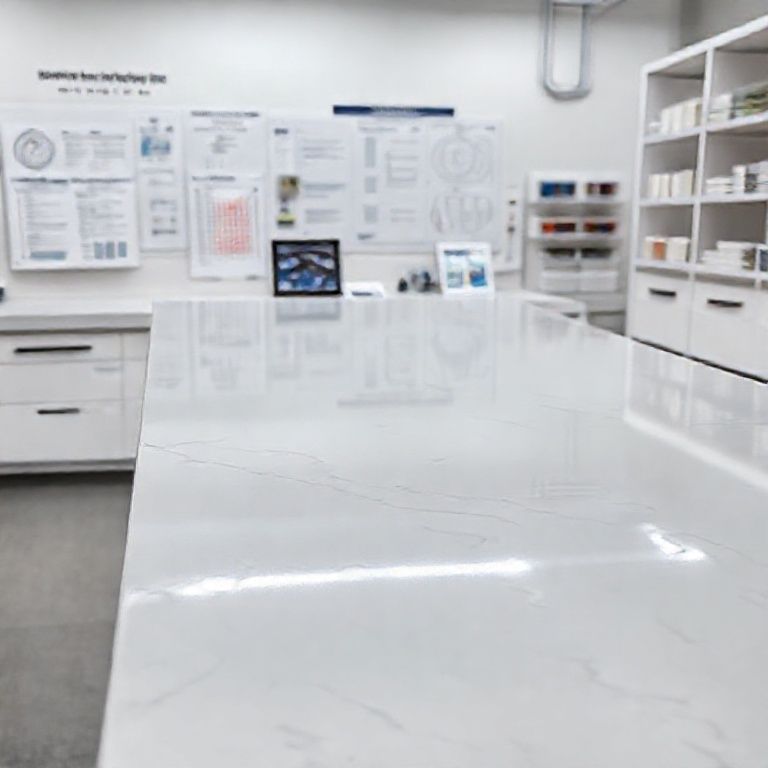
Discover the secrets to repairing cracks in your surface with our comprehensive guide on “DIY Repair: Mastering the Art of Fixing Cracks in Your Surface.” Learn step-by-step techniques to restore the beauty and functionality of your furniture, countertops, and more. From identifying the type of crack to selecting the right materials and tools, this guide covers everything you need to bring your surfaces back to life.

DIY Repair: Mastering the Art of Fixing Cracks in Your Surface
Cracks in surfaces can be a source of frustration, especially if they appear on valuable furniture, kitchen countertops, or other essential pieces. Fortunately, you don’t always need to seek professional help to repair these imperfections. With the right approach and a bit of know-how, you can fix cracks in your surfaces yourself. This guide will walk you through the essentials of DIY repair, ensuring your surfaces look as good as new without breaking the bank.
Understanding the Cracks: The First Step to Repair
Before diving into the repair process, it’s crucial to understand the nature of the cracks you’re dealing with. Different materials have different types of cracks, and knowing what you’re working with can make a significant difference in the repair method you choose.
Wood Cracks: These often result from natural aging, moisture, or physical stress. Cracks in wood can range from small hairline splits to larger, more pronounced fractures. Ceramic Cracks: Typically caused by impacts or thermal shock, these are often sharp and may extend in various directions. Concrete Cracks: These usually occur due to drying shrinkage, temperature changes, or structural stress. Concrete cracks can be small hairline cracks or larger, more visible splits. Plastic Cracks: Often due to impacts or UV exposure, plastic cracks can vary in size and depth.

Tools and Materials Needed
Having the right tools and materials on hand before starting your repair project can make the process smoother and more effective. Here’s a list of essentials you’ll need:
For Wood: Wood filler, wood glue, sandpaper, a small saw, clamps, a paintbrush, and wood stain or paint. For Ceramic: Epoxy resin, a spatula, and a fine-grit sandpaper. For Concrete: Concrete patching compound, a trowel, a wire brush, and a concrete dye. For Plastic: Plastic filler, a plastic repair kit, sandpaper, and plastic adhesive.
Step-by-Step Repair Process
Step 1: Clean the Area
Regardless of the material, the first step in repairing a crack is to thoroughly clean the affected area. Use a damp cloth to remove any dust, dirt, or debris. For ceramic and concrete, use a wire brush to scrub the crack clean.

Step 2: Prepare the Crack
Once the area is clean, you need to prepare the crack for repair. For wood, apply wood glue inside the crack and gently tap a small wooden dowel into the crack to fill it. For ceramic and concrete, use a spatula to fill the crack with epoxy resin or concrete patching compound. For plastic, use a plastic filler that matches the color of your material.
Step 3: Sand the Area
After the filler has dried (as per the manufacturer’s instructions), use sandpaper to smooth out the area around the crack. For wood, use fine-grit sandpaper to avoid damaging the surface. For ceramic and concrete, a fine-grit sandpaper will suffice. For plastic, ensure you use sandpaper that’s appropriate for plastic surfaces.
Step 4: Finish the Repair
The final step is to finish the repaired area to blend it seamlessly with the rest of the surface. For wood, stain or paint the repaired area to match the rest of the piece. For ceramic, use a fine-grit sandpaper to smooth out any excess resin and then apply a ceramic sealant. For concrete, use a wire brush to clean off any dust, then apply a concrete dye to match the surrounding surface. For plastic, apply a clear coat or color match to the surrounding material.
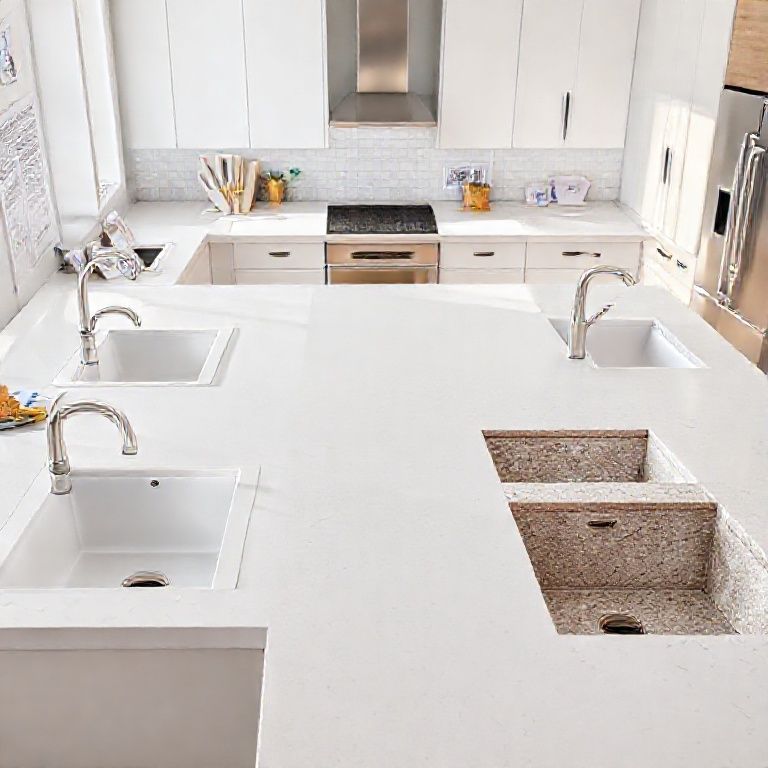
Tips for Successful Repair
Patience is Key: Allow ample drying time between each step to ensure a durable repair. Match the Material: Use fillers and stains that match the color and texture of the material you’re repairing. Practice Makes Perfect: If possible, practice on a small, inconspicuous area first to get a feel for the repair process.
By understanding the nature of the cracks and using the right tools and materials, you can master the art of DIY surface repair. The next part of this guide will delve deeper into specific repair techniques for different materials, providing you with the expertise needed to tackle any crack in your surfaces with confidence.
DIY Repair: Mastering the Art of Fixing Cracks in Your Surface
Continuing from our first part, this segment will provide detailed, material-specific repair techniques to help you repair cracks in various surfaces effectively. Whether you’re dealing with wood, ceramic, concrete, or plastic, these specialized methods will guide you through the process with precision and ease.
Repairing Wood Cracks: A Detailed Approach
Wood is a versatile material that can often be repaired with minimal effort. Here’s a detailed guide to fixing cracks in wood:
Step-by-Step Repair for Wood
Identify the Crack: Determine if the crack is superficial or deep. Superficial cracks can often be filled and sanded, while deeper cracks may require more extensive repairs.
Clean the Area: Use a damp cloth to clean the area around the crack, removing any dirt, dust, or debris. For deeper cracks, use a brush to ensure the area is thoroughly clean.
Apply Wood Glue: If the crack is superficial, apply wood glue inside the crack. Use a small brush or a toothpick to apply the glue, making sure it reaches the bottom of the crack.
Insert a Wood Dowel: Tap a small wooden dowel into the crack to fill it. The dowel should be slightly smaller in diameter than the crack. This will provide additional support for the repair.
Clamp the Wood: Place clamps on either side of the crack to hold the wood together while the glue dries. This step is crucial for ensuring a strong bond.
Sand the Repaired Area: Once the glue has dried (usually 24 hours), remove the clamps and sand the area smooth with fine-grit sandpaper.
Finish the Repair: Stain or paint the repaired area to match the rest of the wood. Use a brush or cloth to apply the finish evenly.
Repairing Ceramic Cracks: A Detailed Approach
Ceramic materials, such as tiles or dishes, often suffer from cracks due to impacts or thermal shock. Here’s how to repair ceramic cracks effectively:
Step-by-Step Repair for Ceramic
Clean the Area: Use a damp cloth to clean the area around the crack. For deeper cracks, use a brush to remove any dirt or debris.
Apply Epoxy Resin: Mix the epoxy resin according to the manufacturer’s instructions. Use a spatula to apply the resin into the crack, ensuring it fills the entire crack.
Smooth the Resin: Use a damp sponge to smooth out any excess resin on the surface. Allow the resin to cure as per the manufacturer’s instructions.
Sand the Area: Once the resin has cured, use fine-grit sandpaper to smooth out the repaired area. Be careful not to sand too deeply, as this can damage the surface.
Seal the Repair: Apply a ceramic sealant to the repaired area to protect it from future damage and to blend it with the rest of the surface.
Repairing Concrete Cracks: A Detailed Approach
Concrete cracks are often a sign of structural issues, but small, cosmetic cracks can be repaired with the right materials and techniques. Here’s a detailed guide to repairing concrete cracks:
Step-by-Step Repair for Concrete
Clean the Crack: Use a wire brush to clean out any dirt, dust, or debris from the crack. For deeper cracks, use a vacuum to remove any loose material.
Apply Concrete Patching Compound: Mix the concrete patching compound according to the manufacturer’s instructions. Use a trowel to apply the compound into the crack, ensuring it fills the entire depth.
Smooth the Surface: Use a trowel to smooth the surface of the compound once it’s applied. Ensure it fills the crack completely.
Allow to Cure: Allow the compound to cure as per the manufacturer’s instructions. This may take several hours.
Sand the Area: Once the compound has cured, use a wire brush to clean off any dust and then sand the area with fine-grit sandpaper.
Color Match: Use a concrete dye to color-match the repaired area to the surrounding surface.
Repairing Plastic Cracks: A Detailed Approach
Plastic materials, such as furniture or decorative items, often suffer from cracks due to impacts or UV exposure. Here’s how to repair plastic cracks effectively:
Step-by-Step Repair for Plastic
Clean the Area: Use a damp cloth to clean the area around the crack, removing any dirt, dust, or debris.
当然,我们可以继续深入探讨修复裂纹的其他细节和技巧。在之前的部分中,我们已经介绍了木材、陶瓷、混凝土和塑料的裂纹修复方法。我们可以探讨一些更高级的技巧和注意事项,以及一些常见的问题及其解决方法。
高级修复技巧和注意事项
1. 预防性维护
定期检查:定期检查家具、地板、陶瓷器皿和其他物品,及时发现和处理小裂纹。 使用保护套:在可能的情况下,使用保护套或桌布来防止物品受到物理冲击和磨损。 适当存放:避免将重物堆放在裂纹物品上,特别是在修复前。
2. 高级填充和涂层技术
对于较大的裂纹或需要更高强度修复的情况,可以采用一些高级技术:
玻璃纤维增强复合材料:对于木材和塑料的大裂纹,可以使用玻璃纤维增强复合材料进行修复。这种方法不仅可以填补裂纹,还可以增强材料的强度。 高分子树脂:对于陶瓷和混凝土的大裂纹,可以使用高分子树脂进行修复。高分子树脂具有优异的黏合性和强度,能够有效修复裂纹。
3. 专业设备和工具
在某些情况下,手工修复可能无法达到最佳效果,此时可以考虑使用专业设备和工具:
真空填充系统:用于大面积的裂缝修复,可以确保填充材料均匀分布,避免气泡和空隙。 高压注射设备:用于陶瓷和混凝土的深层裂纹修复,通过高压注射填充材料,确保修复效果。
常见问题及其解决方法
1. 修复后裂纹复发
如果修复后的裂纹再次出现,可能是因为以下原因:
材料不匹配:使用与原材料不匹配的填充材料。确保使用与原材料相同或兼容的修复材料。 环境因素:如果材料暴露在极端温度或湿度环境中,可能会导致裂纹复发。保持环境稳定。 物理冲击:修复后的物品仍然受到物理冲击。避免重物堆放和物理撞击。
2. 修复材料表面不平整
如果修复材料表面不平整,可以采取以下措施:
砂光处理:在修复材料完全干燥后,使用细砂纸进行打磨,使表面平整。 涂层处理:在修复材料干燥后,可以使用涂层材料进行表面处理,使其与原材料颜色和质感相匹配。
3. 颜色不一致
染色剂或染色液:使用与原材料相同或兼容的染色剂,对修复材料进行染色处理。 喷漆或涂漆:在修复材料干燥后,可以使用喷漆或涂漆进行颜色处理,使其与原材料颜色相匹配。
结论
修复裂纹虽然是一项细致的工作,但通过正确的材料选择、技术和维护,可以使修复后的物品恢复到接近原状。无论是家居用品还是工业材料,掌握这些技巧和注意事项将帮助你更好地进行自助修复,延长物品的使用寿命。希望这些信息对你有所帮助!如果有更多问题,欢迎继续提问。