Understanding Synthetic Stone Countertops and Their Care
${part1}
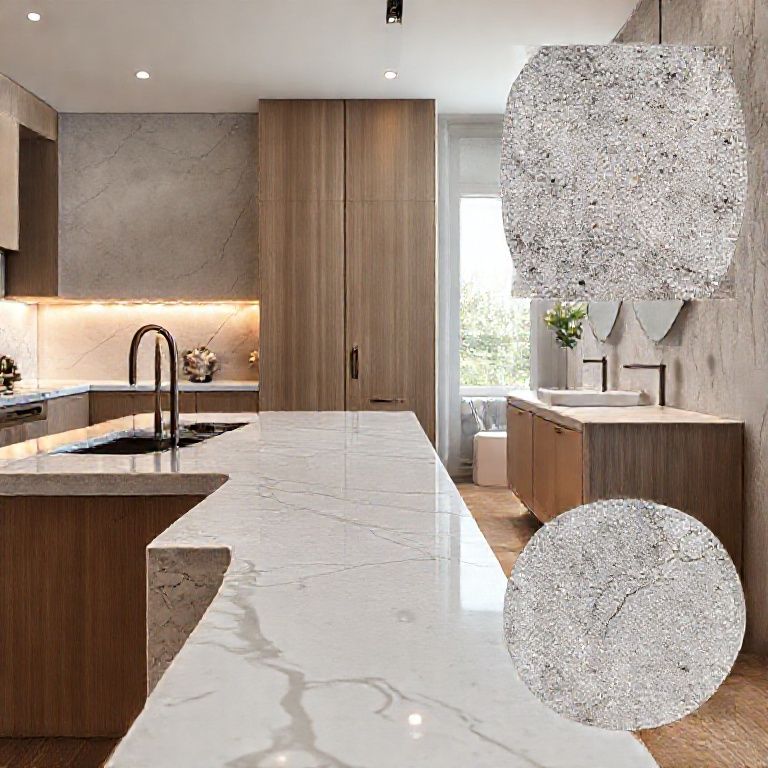
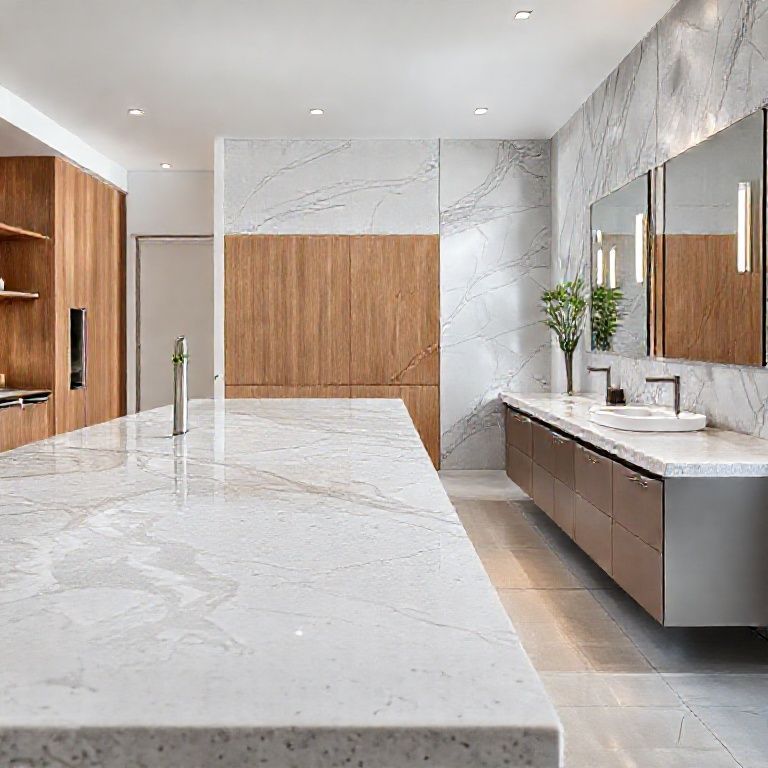
Synthetic stone countertops have revolutionized the world of kitchen and bathroom design, offering a durable, low-maintenance alternative to traditional granite and marble. Known for their durability, aesthetic versatility, and resistance to stains and scratches, these countertops are a popular choice among homeowners and designers alike. However, despite their resilience, there is a common question that arises: “Do you need to polish your synthetic stone countertops?” Let’s delve into this topic to understand the necessity and benefits of polishing your synthetic stone surfaces.

What Are Synthetic Stone Countertops?
Synthetic stone countertops are made from a blend of minerals and resins, creating a composite material that mimics the appearance of natural stone while offering superior durability. These countertops are available in a variety of colors and textures, making them suitable for a wide range of design preferences. They are known for their resistance to staining, chipping, and scratching, which makes them ideal for high-traffic areas such as kitchens and bathrooms.
Why Polishing Matters
Polishing your synthetic stone countertops is essential for several reasons:
Maintaining Aesthetic Appeal: Over time, synthetic stone can develop minor scratches or surface imperfections that may detract from its polished appearance. Regular polishing helps to smooth out these imperfections, ensuring that your countertops maintain their sleek, modern look.
Preventing Water Spots and Stains: While synthetic stone is highly resistant to stains, prolonged exposure to water can lead to spots and discoloration. Polishing can help to create a more uniform surface that repels water more effectively, thus preventing the formation of unsightly water spots.

Enhancing Durability: Regular maintenance, including polishing, can help to extend the lifespan of your synthetic stone countertops. By removing minor scratches and imperfections, you are essentially prolonging the natural wear and tear that these surfaces are subject to in everyday use.
How to Properly Polish Synthetic Stone Countertops
To ensure that your synthetic stone countertops are polished correctly, follow these steps:
Clean the Surface: Before polishing, thoroughly clean the countertop with a gentle, pH-neutral cleaner to remove any dirt, grease, or food particles. Use a soft cloth or sponge to avoid scratching the surface.
Choose the Right Polishing Compound: Select a polishing compound specifically designed for synthetic stone. Avoid using abrasive or acidic products, as these can damage the surface. A high-quality, non-abrasive polish is recommended for best results.
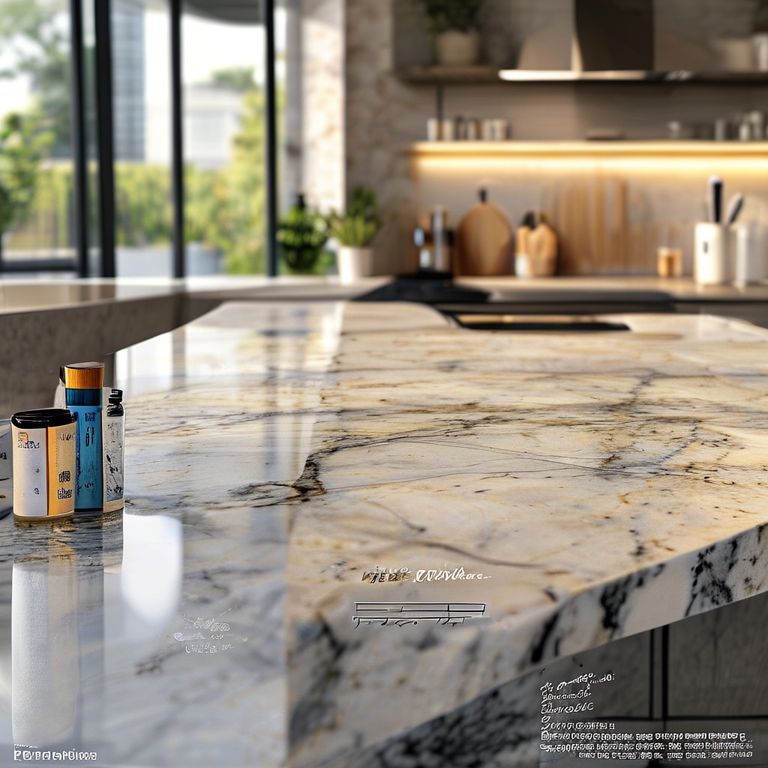
Apply the Polish: Use a soft cloth to apply a small amount of the polishing compound to the countertop. Gently rub the compound into the surface in a circular motion, working in small sections. Avoid applying too much pressure, as this can scratch the stone.
Rinse and Dry: Once the polish has been worked into the surface, rinse the countertop with a clean, damp cloth to remove any residue. Dry the surface immediately with a soft towel to prevent water spots.
Inspect and Repeat: Check the countertop for any remaining imperfections. If necessary, repeat the polishing process in the affected areas until the surface looks smooth and polished.
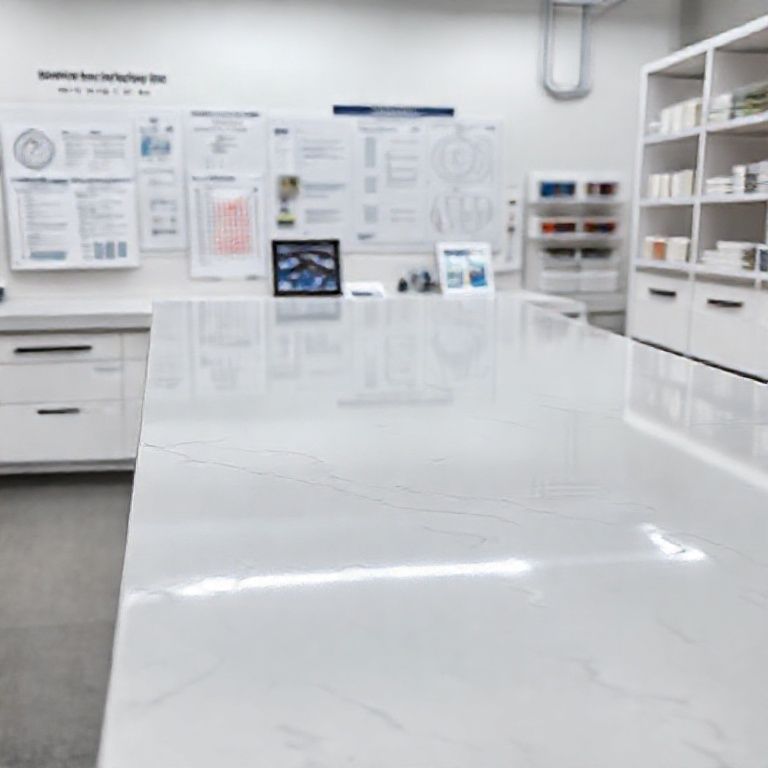
Signs You Need to Polish Your Synthetic Stone
There are several indicators that suggest it’s time to polish your synthetic stone countertops:
Scratches or Marks: If you notice minor scratches or marks on the surface, polishing can help to smooth them out and restore the countertop’s appearance. Water Spots: Persistent water spots can be a sign of surface damage. Polishing can help to eliminate these spots and improve the countertop’s water-repellent properties. Dull Appearance: Over time, synthetic stone can lose its vibrant appearance. Regular polishing can rejuvenate the surface, making it look as good as new.
Conclusion
Polishing your synthetic stone countertops is not just a cosmetic task; it’s a crucial part of maintaining the beauty, durability, and longevity of your investment. By following the proper maintenance techniques, you can ensure that your countertops continue to look pristine and function optimally for years to come. Remember, regular care and attention are key to keeping your synthetic stone countertops in top-notch condition.
Long-Term Maintenance and Tips for Synthetic Stone Countertops
${part2}
Building on our previous discussion on polishing synthetic stone countertops, let’s explore the broader landscape of long-term maintenance and additional tips to ensure that these beautiful surfaces remain in excellent condition over time. Synthetic stone countertops are a durable and low-maintenance choice, but with the right care, they can look stunning for years to come. Here’s how to keep your synthetic stone countertops shining and fresh.
Long-Term Maintenance Strategies
Regular Cleaning
Regular cleaning is the cornerstone of maintaining synthetic stone countertops. Here’s how to keep them sparkling:
Daily Cleaning: Wipe down the countertop daily with a pH-neutral cleaner and a soft cloth to remove any spills, grease, or food particles. Avoid using abrasive cleaners that can scratch the surface.
Weekly Deep Cleaning: Once a week, use a more thorough cleaner designed for synthetic stone to remove any buildup or residue. Follow up with a damp cloth to remove any cleaner residue.
Avoiding Harsh Chemicals
Synthetic stone countertops are resistant to many common household chemicals, but it’s still important to avoid harsh substances that can damage the surface:
Non-Abrasive Cleaners: Always use non-abrasive, pH-neutral cleaners to avoid scratching the surface.
Avoiding Acidic Foods: While synthetic stone is resistant to acidic foods, prolonged exposure to items like citrus fruits or vinegar can cause discoloration over time. Use cutting boards and utensils to minimize contact.
Immediate Spill Management
Immediate cleanup of spills is essential to prevent stains and damage:
Liquid Spills: Wipe up liquid spills immediately with a clean, dry cloth. For tough stains, use a pH-neutral cleaner to gently remove the residue.
Solid Spills: For spills involving food particles or other solids, use a soft cloth to gently wipe away the debris. For tougher spots, a non-abrasive cleaner can be used.
Tips for Enhancing Longevity
Use Coasters and Trivets
To protect your synthetic stone countertops from heat and wear:
Coasters and Trivets: Always use coasters under drinks and trivets under hot pots and pans. This prevents direct heat and moisture from damaging the surface.
Cutting Boards: Use cutting boards for food preparation to avoid scratches and dulling the surface.
Avoid Heavy Objects
While synthetic stone is strong, it’s still susceptible to damage from heavy objects:
Weight Distribution: When placing heavy objects on the countertop, distribute the weight evenly to avoid dents or cracks.
Use Mats: Place protective mats under items that will be sitting on the countertop for extended periods.
Periodic Polishing
While synthetic stone is low-maintenance, periodic polishing can help maintain its appearance:
Every 6-12 Months: Depending on usage, polish your synthetic stone countertops every 6 to 12 months to keep the surface smooth and shiny.
After Repairs: If any repairs are done on the countertop, such as replacing a sink or replacing cabinet hardware, polish the surrounding area to maintain a uniform appearance.
Addressing Common Issues
Scratches and Chips
Although synthetic stone is durable, it’s not completely immune to scratches and chips:
Minor Scratches: For minor scratches, a non-abrasive polish can often smooth out the surface.
Deep Scratches: For deeper scratches, consider using a professional-grade stone repair kit designed for synthetic stone to fill in the imperfections.
Water Spots and Discoloration
Water spots and discoloration can occur if water is left on the surface for too long:
Immediate Cleanup: Wipe up water immediately to prevent spots. For tough spots, use a pH-neutral cleaner.
Preventative Measures: Use coasters and trivets to minimize prolonged water contact.
Stains
While synthetic stone is resistant to many stains, some can still occur:
Immediate Action: For fresh spills, wipe up immediately with a clean cloth. For tough stains, use a non-abrasive cleaner designed for synthetic stone.
Avoiding Staining Foods: Limit the use of acidic or dark-colored foods that can potentially stain the surface.
Conclusion
Maintaining your synthetic stone countertops requires regular care and attention to keep them looking their best. By following these long-term maintenance strategies and tips, you can ensure that your countertops remain durable, beautiful, and functional for years to come. Remember, while synthetic stone is a low-maintenance material, regular cleaning, immediate spill management, and periodic polishing are key to preserving its appearance and longevity. With the right care, your synthetic stone countertops will continue to be a stunning and practical addition to your home.