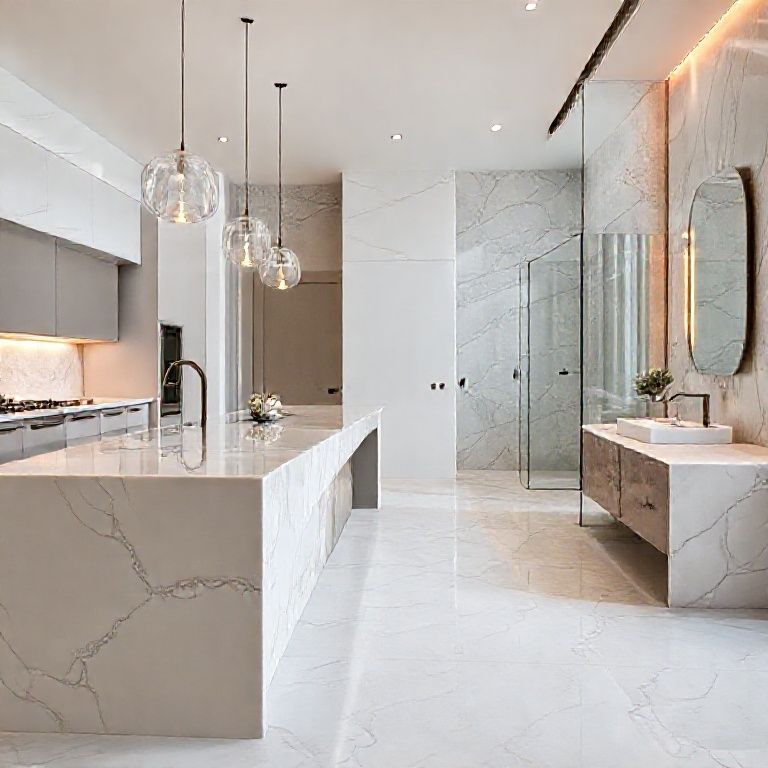
Does 84 Disinfectant Remove Stains from Marble? A Comprehensive Guide
Marble, renowned for its elegance and timeless appeal, is a favorite choice for countertops, flooring, and decorative elements in homes and commercial spaces. However, its natural beauty is also susceptible to stains and marks that can mar its pristine appearance. Among the myriad cleaning products available, one product often comes under scrutiny: 84 Disinfectant. This popular household cleaner is known for its potent disinfecting properties but raises questions about its suitability for marble. In this comprehensive guide, we will explore whether 84 Disinfectant can effectively remove stains from marble and delve into the potential risks and alternatives.
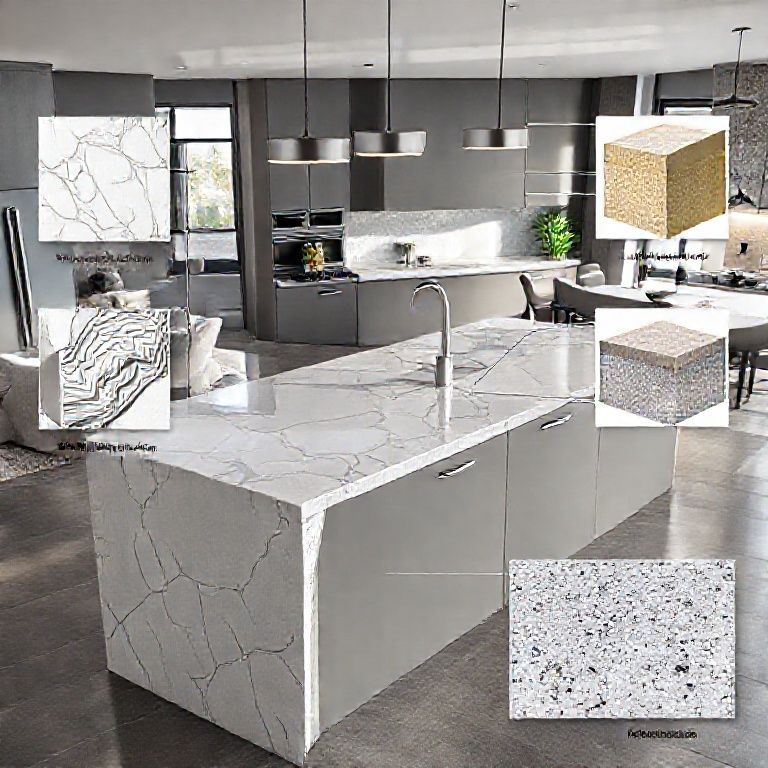
Understanding Marble and Its Cleaning Needs
Marble is a metamorphic rock formed from limestone through intense heat and pressure. This natural process gives marble its distinctive beauty but also makes it susceptible to staining and etching. Unlike granite or quartz, which are more durable and resistant to chemicals, marble’s porous nature makes it more vulnerable to surface damage. Proper care and maintenance are crucial to preserving its aesthetic and structural integrity.
What is 84 Disinfectant?
84 Disinfectant, also known as “Lysol Disinfectant Wipes” in the U.S., is a widely used cleaning product known for its strong disinfecting properties. It contains active ingredients like alkyl dimethyl benzyl ammonium chloride, which kill a broad spectrum of bacteria and viruses. While effective against pathogens, these chemicals can be harsh on certain surfaces, particularly those as delicate as marble.
The Risks of Using 84 Disinfectant on Marble
Chemical Etching: 84 Disinfectant contains quaternary ammonium compounds, which are powerful disinfectants but also highly alkaline. When applied to marble, these chemicals can cause chemical etching, leading to permanent damage. The etching process can result in dull spots, discoloration, and even surface pitting, undermining the marble’s natural beauty.
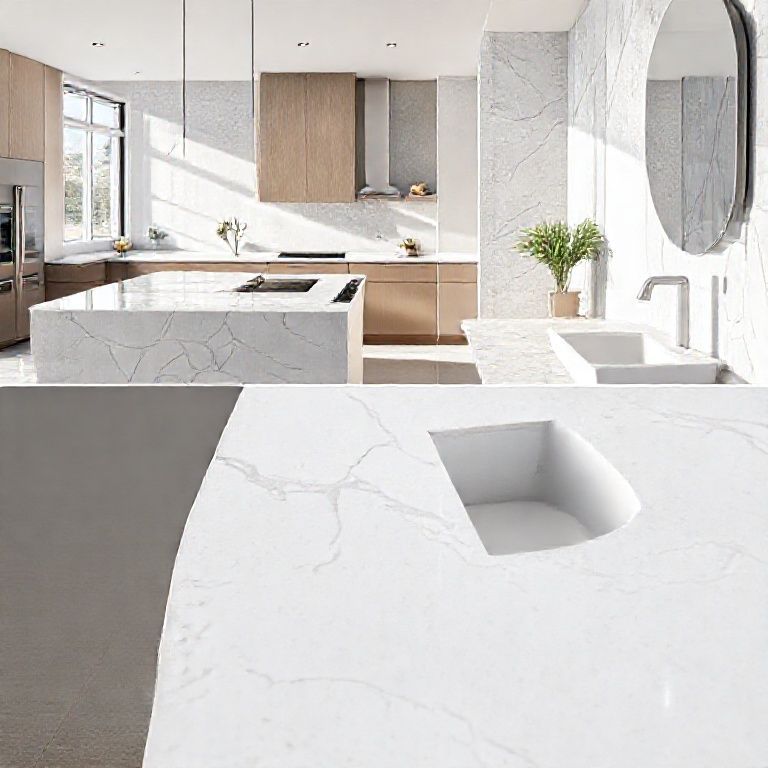
Porosity Concerns: Marble’s porous nature makes it particularly vulnerable to chemical damage. When 84 Disinfectant seeps into the stone, it can leave behind residues that further dull the surface and create a cloudy appearance. This can be particularly problematic for high-traffic areas where heavy use exacerbates the issue.
Color Fading: The alkaline nature of 84 Disinfectant can cause marble to lose its vibrant color. Over time, repeated applications can lead to a faded and dull appearance, diminishing the stone’s aesthetic appeal.
Safe Alternatives to 84 Disinfectant
Given the risks associated with using 84 Disinfectant on marble, it’s essential to explore safer alternatives that maintain the stone’s integrity while effectively cleaning it.
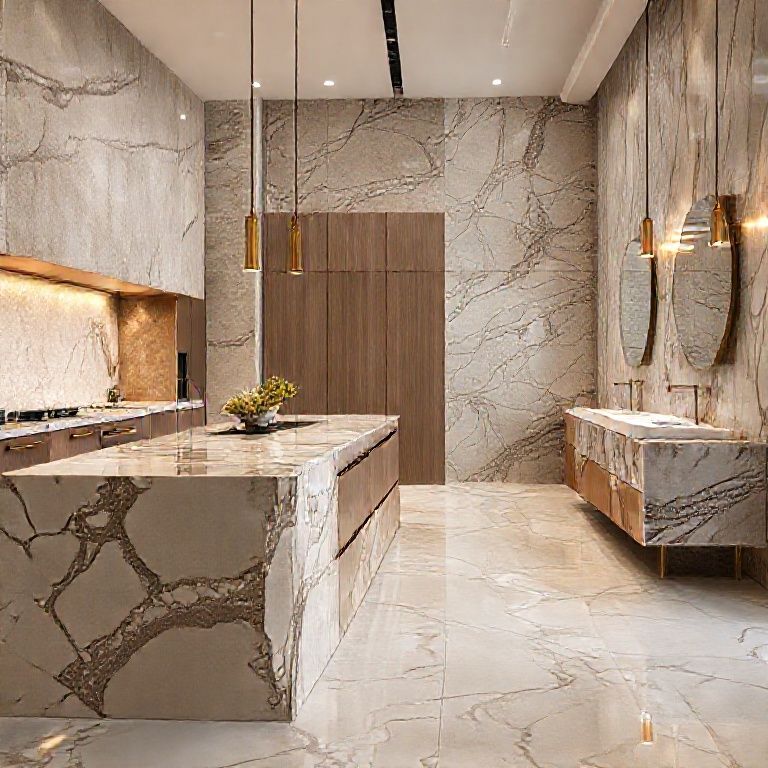
pH-Neutral Cleaners: Use pH-neutral cleaning solutions specifically designed for marble. These products are formulated to clean without damaging the stone’s surface. Look for cleaners that contain mild acids or enzymes that break down stains without etching the marble.
White Vinegar: A natural and effective cleaner, white vinegar is a mild acid that can remove light stains from marble. Mix equal parts of vinegar and water, apply to the marble surface, and let it sit for a few minutes before wiping clean with a soft cloth.
Baking Soda: Baking soda is a gentle abrasive that can help lift stains from marble without causing damage. Create a paste using baking soda and water, apply it to the stained area, let it sit for a few minutes, then scrub gently with a soft cloth and rinse.
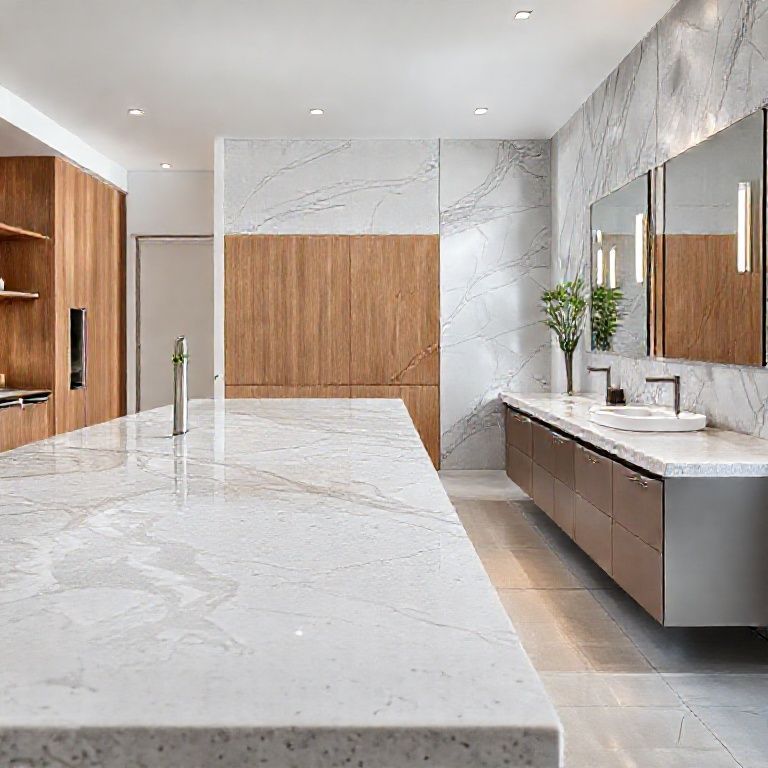
Commercial Marble Cleaners: Invest in commercial marble cleaners that are specifically formulated to maintain the beauty and integrity of marble surfaces. These products often contain ingredients that effectively clean and protect marble without causing harm.
Best Practices for Marble Maintenance
Maintaining the pristine look of your marble surfaces requires consistent care and attention. Here are some best practices to follow:
Regular Cleaning: Regularly clean marble surfaces with pH-neutral cleaners to prevent stains from setting in. Routine cleaning helps maintain the stone’s appearance and prevents the buildup of grime and residue.
Immediate Stain Treatment: Treat stains immediately upon occurrence to prevent them from becoming permanent. Use a marble-safe cleaner and follow the manufacturer’s instructions for effective stain removal.
Avoid Harsh Chemicals: Avoid using harsh chemicals, including 84 Disinfectant, bleach, and ammonia-based cleaners, which can cause damage to marble. Opt for gentle cleaning solutions that are safe for marble.
Use Protective Coatings: Consider applying a protective marble sealant to provide an extra layer of defense against stains and scratches. These coatings create a barrier that helps maintain the marble’s natural beauty and extend its lifespan.
Proper Utensil Use: Use soft cloths, sponges, or non-abrasive pads when cleaning marble to avoid scratching the surface. Avoid using steel wool or abrasive pads, which can cause micro-scratches and dull the stone.
Avoid Acidic Foods and Drinks: Place trivets or coasters under acidic foods and drinks to prevent direct contact with the marble surface. Acidic substances can cause etching and discoloration over time.
Does 84 Disinfectant Remove Stains from Marble? A Comprehensive Guide
Advanced Cleaning Techniques for Marble
While it’s crucial to avoid using 84 Disinfectant on marble, there are advanced cleaning techniques and specialized products that can effectively remove stains without causing damage. Here’s an in-depth look at some advanced methods and products for maintaining marble surfaces.
Specialized Marble Cleaners
Commercial Marble Polishing Kits: Commercial marble polishing kits contain specialized abrasives and polishing compounds designed to rejuvenate the surface of marble. These kits often include a cleaner, a polish, and sometimes a protective sealant. Follow the instructions carefully to achieve a clean, polished, and protected marble surface.
Microfiber Cloths: Microfiber cloths are excellent for cleaning marble without causing scratches. These cloths are highly absorbent and gentle on the surface, making them ideal for removing stains and grime from marble.
Powdered Marble Cleaners: Some marble cleaners come in powdered form and are mixed with water to create a paste. These cleaners contain mild abrasives and enzymes that effectively remove stains while preserving the marble’s surface.
Professional Marble Cleaning Services
For those who prefer professional assistance, there are specialized marble cleaning services that offer advanced cleaning techniques and equipment. Professional cleaners have the expertise to handle even the most stubborn stains and can provide a thorough cleaning that ensures the marble’s longevity.
Regular Maintenance Tips
Monthly Cleaning: Perform a monthly cleaning routine using pH-neutral cleaners to maintain the marble’s appearance. Regular cleaning prevents stains from becoming permanent and keeps the surface looking fresh.
Deep Cleaning: Occasionally, marble surfaces may require deep cleaning to remove embedded stains and buildup. Use a commercial marble cleaner designed for deep cleaning, following the manufacturer’s instructions carefully to avoid damage.
Routine Inspection: Regularly inspect your marble surfaces for signs of wear, stains, or damage. Early detection allows for prompt treatment, preventing minor issues from escalating into significant problems.
Safety Precautions
When using any cleaning product on marble, it’s essential to follow safety precautions to ensure the stone’s longevity:
Test in a Small Area: Before applying any cleaner to a large marble surface, test it in a small, inconspicuous area. This helps ensure that the cleaner does not cause damage or discoloration.
Follow Manufacturer’s Instructions: Always follow the manufacturer’s instructions for any cleaning product. Overuse or misuse of cleaners can lead to unintended damage.
Rinse Thoroughly: After applying any cleaner, rinse the marble surface thoroughly with clean water to remove any residues that could cause future damage.
Environmental Considerations
When selecting cleaning products for marble, consider their environmental impact. Opt for eco-friendly, non-toxic cleaners that are safe for both the marble and the environment. Many commercial cleaners now offer green alternatives that provide effective cleaning without compromising the marble’s integrity.
Conclusion
While 84 Disinfectant is highly effective for disinfecting surfaces, it is not suitable for use on marble due to its potential to cause chemical etching, discoloration, and surface damage. To maintain the beauty and integrity of your marble surfaces, it’s essential to use pH-neutral cleaners, natural alternatives, and specialized marble cleaning products designed to preserve the stone’s natural beauty. By following best practices and employing advanced cleaning techniques, you can keep your marble surfaces clean, pristine, and enduring.
In summary, the key to marble care lies in understanding its unique properties and selecting the right cleaning products and methods. Avoiding harsh chemicals like 84 Disinfectant and opting for gentle, marble-safe solutions will ensure that your marble remains a stunning继续探讨如何有效地保护和清洁大理石表面,我们可以深入了解一些具体的方法和产品,这些方法和产品在市场上已经被广泛应用并得到了用户的好评。
1. 专业的大理石保护剂
许多专业公司提供专门针对大理石的保护剂,这些保护剂不仅能有效地清洁和抛光大理石,还能提供额外的保护层来防止未来的污渍和划痕。
推荐产品:
Marble Magic:一款广受好评的大理石保护剂,它能有效地去除污渍并涂上一层保护膜,使大理石表面更加光滑和易于清洁。 Seal Marble:这种保护剂能够形成一层透明的保护膜,有效防止污渍的渗入,同时还能保持大理石的天然光泽。
2. 定期抛光
定期对大理石表面进行抛光不仅能恢复其光泽,还能防止表面污渍的渗入。抛光需要专业人员进行,以免对大理石表面造成损害。
推荐工具:
电动抛光机:专业的电动抛光机能够有效地进行大理石表面的抛光,保持其光泽和美观。 抛光布:使用高质量的抛光布能够更好地进行抛光,并且能够有效避免划痕。
3. 避免使用硬质清洁工具
大理石表面非常脆弱,使用硬质的清洁工具如刷子、海绵或玻璃清洁剂会导致表面划痕。应该使用柔软的布料和专业的清洁剂进行清洁。
注意事项:
不要使用刷子、海绵等硬质工具。 使用柔软的棉布或者微纤维布进行清洁。
4. 使用合适的清洁剂
在清洁大理石表面时,应该选择专门为大理石设计的清洁剂。普通的家用清洁剂可能会对大理石表面造成损害。
推荐清洁剂:
Marble Cleaner:专门用于大理石清洁的产品,能够有效去除日常污渍而不会损害大理石表面。 pH-Neutral Cleaner:这类清洁剂是中性的,不会对大理石表面造成酸碱性的损害。
5. 及时处理溢出物
大理石表面的溢出物,如果不及时处理,容易在表面渗入并留下永久性的污渍。应该立即用干布将溢出物擦干,然后使用专门的大理石清洁剂进行清洁。
应急处理方法:
用干布迅速擦拭溢出物。 使用pH中性清洁剂进行清洁。
6. 防止化学污染
避免将化学品直接接触大理石表面,如油漆、汽油等。这些化学品会对大理石表面造成不可逆的损害。
防护措施:
使用砧板或者其他防护材料在大理石表面进行烹饪或处理化学品。 保持大理石表面的清洁,避免化学品的积累。
通过以上这些方法和产品,你可以有效地保护和清洁你的大理石表面,使其保持美观和耐用。如果你对大理石的保养有任何疑问,建议咨询专业的大理石保养服务。