Understanding the Chemical Composition and Interaction
Introduction to Baozhi Disinfectant Solution
In the realm of household and commercial cleaning, disinfectants play a critical role in maintaining hygiene and preventing infections. Among the various disinfectants available, “Baozhi Disinfectant Solution” has gained popularity for its effectiveness in eliminating a broad spectrum of pathogens. However, its interaction with different materials, particularly marble, raises important questions about its safety and long-term effects.
Chemical Composition of Baozhi Disinfectant Solution
To understand whether Baozhi Disinfectant Solution can corrode marble, it is essential to delve into its chemical composition. Typically, such disinfectants contain a blend of active ingredients such as:
Hydrogen Peroxide: Known for its strong oxidizing properties. Quaternary Ammonium Compounds (Quats): Effective against bacteria and viruses. Phenolic Compounds: Used for their disinfectant and antiseptic properties. Surfactants: To enhance the cleaning action by reducing surface tension.
These chemicals are designed to disinfect and sanitize surfaces but may interact with marble in unexpected ways.

Marble: Composition and Susceptibility
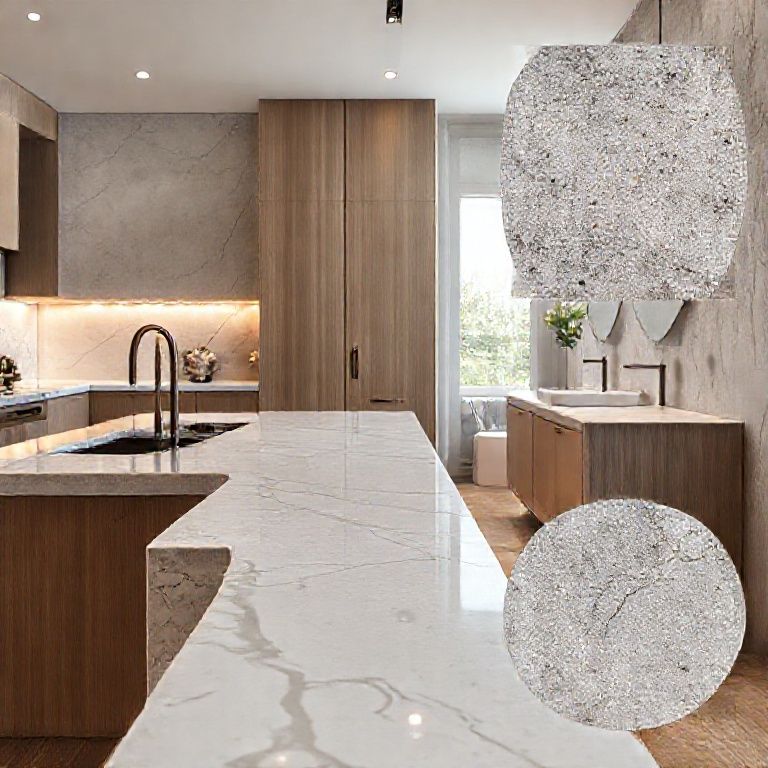
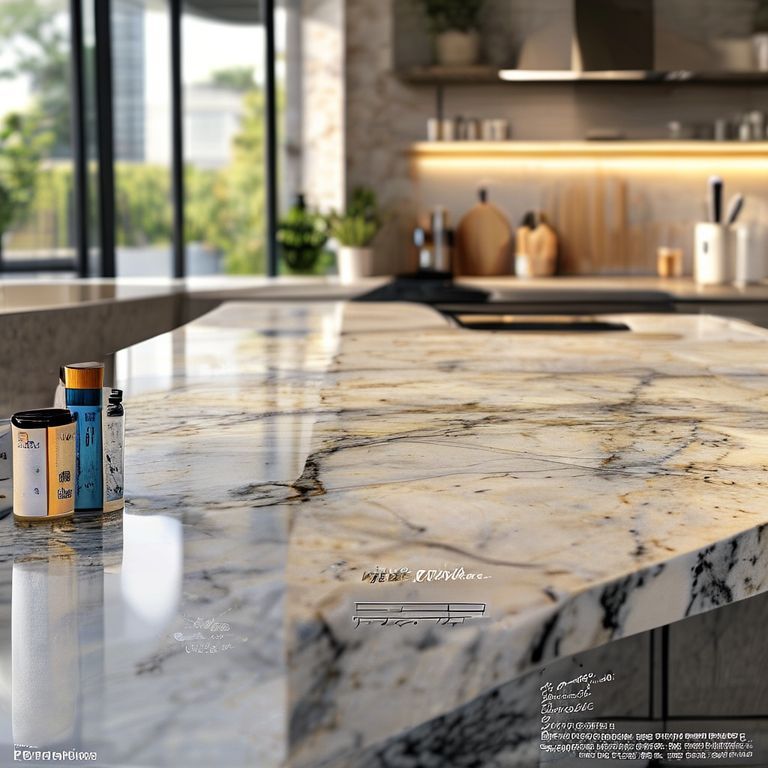
Marble is a popular choice for countertops, flooring, and decorative elements due to its beauty and durability. It is a metamorphic rock composed predominantly of calcium carbonate (CaCO₃). The surface of marble is characterized by its fine crystalline structure, which can be prone to etching and staining. The porosity of marble makes it susceptible to the penetration of acids and other chemicals.
Chemical Interaction: How Disinfectants Affect Marble
When a disinfectant like Baozhi Solution comes into contact with marble, several chemical interactions can occur:
Acidic Nature of Active Ingredients: Some disinfectants contain acidic components that can react with calcium carbonate in marble, leading to a chemical reaction that may weaken the stone’s structure.

Surface Etching: Over time, repeated exposure to disinfectants can cause etching, where the surface of the marble is gradually worn away, reducing its aesthetic and structural integrity.
Staining and Discoloration: Certain disinfectants may contain compounds that can stain or discolor the marble, altering its appearance.
Risk Assessment and Preventive Measures
To mitigate the risk of Baozhi Disinfectant Solution corroding marble, it is crucial to understand the extent of the risk and implement preventive measures.

Risk Assessment
Frequency of Use: Frequent application of any disinfectant on marble surfaces increases the risk of corrosion and damage. Surface Area: Larger marble surfaces are more susceptible to prolonged exposure to chemicals. Environmental Factors: Humidity, temperature, and the presence of other chemicals can influence the interaction between disinfectants and marble.
Preventive Measures
Surface Coatings: Applying a marble sealant can protect the surface from chemical penetration, creating a barrier that reduces the risk of corrosion. Dilution: Using disinfectants in diluted form can reduce their concentration, minimizing the potential for surface damage. Alternate Cleaning Methods: Employing non-chemical cleaning methods, such as using a soft cloth with a mild soap solution, can help maintain marble’s integrity without risking chemical damage.
Conclusion
Understanding the chemical composition of Baozhi Disinfectant Solution and its interaction with marble is fundamental to making informed decisions about its use. While the disinfectant is effective in killing pathogens, its potential to corrode marble necessitates careful consideration and preventive measures to protect this beautiful and valuable material.
In the next part, we will delve deeper into practical implications, expert insights, and alternative cleaning solutions to ensure the longevity and beauty of marble surfaces.
Practical Implications, Expert Insights, and Alternative Solutions
Introduction
In the previous part, we explored the chemical interactions between Baozhi Disinfectant Solution and marble, highlighting the potential risks and preventive measures. This part will focus on the practical implications of using such disinfectants on marble surfaces, along with insights from cleaning and maintenance experts, and alternative cleaning solutions that can protect marble without compromising its integrity.
Practical Implications of Using Baozhi Disinfectant on Marble
Daily Usage and Long-Term Effects
Short-Term Effects: Immediate application of Baozhi Disinfectant Solution on marble can result in surface stains or a dull finish if not properly rinsed. Long-Term Effects: Continuous exposure to disinfectants can lead to significant degradation, including etching, discoloration, and loss of the marble’s natural luster. Over time, these effects can compromise the structural integrity of the marble.
Visibility of Damage
Etching: Fine lines or grooves may appear on the marble surface, indicating chemical erosion. Discoloration: Areas exposed to the disinfectant may turn cloudy or exhibit a different color, detracting from the marble’s aesthetic appeal. Loss of Gloss: The natural shine of marble can diminish, making the surface appear dull and worn.
Expert Insights on Marble Protection
Professional Cleaning Recommendations
Consultation: Cleaning professionals often recommend avoiding harsh chemicals on marble. Instead, they suggest using products specifically formulated for stone surfaces. Regular Maintenance: Regular cleaning with pH-neutral solutions can help maintain marble’s surface and prevent chemical buildup that may lead to long-term damage.
Marble Restoration Specialists
Restoration Techniques: In cases where damage has already occurred, marble restoration specialists can employ techniques such as polishing and re-sealing to restore the marble’s original appearance and protect it from further harm. Preventive Measures: Experts emphasize the importance of preventive measures, including the application of high-quality marble sealants and the use of protective mats or covers in high-traffic areas.
Alternative Cleaning Solutions for Marble
Non-Chemical Cleaning Methods
Soft Cloth and Water: A soft cloth dampened with water or a mild, pH-neutral soap solution is often sufficient for cleaning marble. This method avoids the risks associated with chemical disinfectants. Microfiber Cloths: These cloths are gentle on marble and can effectively remove dust and light stains without scratching the surface.
Natural Cleaning Agents
White Vinegar: Diluted white vinegar can be used as a natural disinfectant and cleaner. It is effective against bacteria and leaves no harmful residues on marble. Lemon Juice: Lemon juice, diluted with water, can be used to clean and sanitize marble while providing a natural shine. However, it should be used sparingly to avoid potential etching.
Commercial Cleaning Products
pH-Neutral Cleaners: Commercial products specifically designed for stone cleaning, such as pH-neutral marble cleaners, offer a safer alternative to harsh disinfectants. These products are formulated to clean without damaging the marble. Marble Sealants: Applying a high-quality marble sealant can create a protective barrier that shields the marble from chemical exposure and enhances its natural beauty.
Best Practices for Marble Care
Usage Guidelines
Spot Cleaning: For minor spills or stains, immediate spot cleaning with a pH-neutral solution is recommended to prevent chemical penetration. Avoid Direct Application: Directly applying disinfectants on marble should be avoided. Instead, apply the solution to a cloth and gently wipe the surface. Rinse Thoroughly: Always rinse the marble surface after cleaning to remove any residue that could potentially cause damage.
Environmental Considerations
Humidity Control: Maintaining appropriate humidity levels can help prevent moisture-related damage to marble. Excess moisture can lead to mold growth and other issues. Avoiding Chemical Spills: Being cautious of spills from chemicals, cleaning agents, and other potentially harmful substances can help protect marble surfaces.
Conclusion
The interaction between Baozhi Disinfectant Solution and marble underscores the importance of informed cleaning practices to preserve the beauty and integrity of marble. While disinfectants are essential for hygiene, their potential to corrode marble necessitates careful consideration and alternative cleaning methods. By understanding the practical implications and following expert recommendations, one can maintain marble surfaces in their best condition, ensuring their longevity and aesthetic appeal.
In summary, while Baozhi Disinfectant Solution is effective in disinfecting surfaces, its use on marble should be approached with caution. Employing preventive measures, using alternative cleaning solutions, and consulting professionals can help protect marble from corrosion and ensure its continued beauty and durability.
By understanding the chemical interactions and adopting best practices, you can maintain the pristine condition of your marble surfaces, blending hygiene with preservation for years to come.