Does Polishing Artificial Stone Countertops Eradicate Patterns? An In-Depth Exploration
Artificial stone countertops have surged in popularity due to their durability, aesthetic versatility, and low maintenance requirements. These countertops are crafted from a combination of minerals and resins, resulting in a material that boasts the robustness of natural stone while offering the flexibility of design. One common concern among those who opt for these beautiful surfaces is whether polishing the countertops will eradicate the intricate patterns they feature.

Understanding Artificial Stone Countertops
Artificial stone, often referred to as composite stone or cultured stone, is manufactured by mixing natural stone minerals with a polymer resin. This combination produces a material that mimics the appearance of natural stone but is more resilient to scratches, chips, and stains. The patterns on artificial stone countertops are usually achieved through a meticulous process of layering different minerals and resins, followed by polishing to achieve a smooth finish.
The Role of Polishing
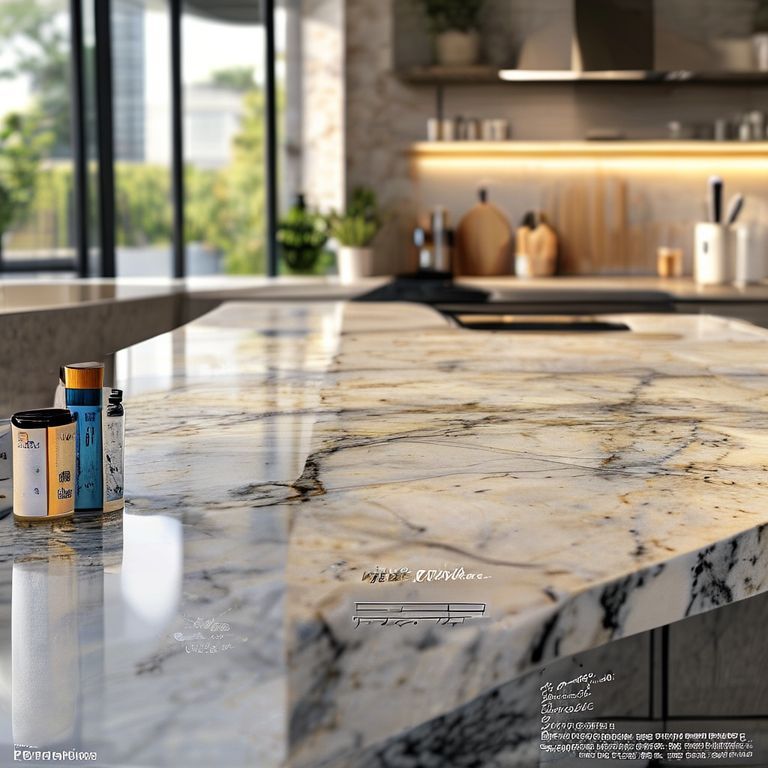
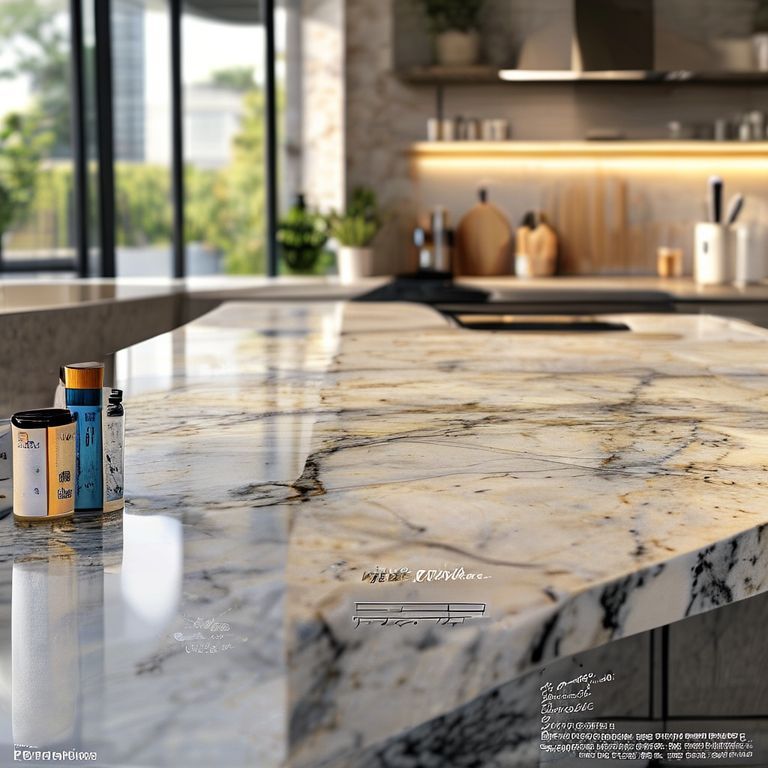
Polishing is a crucial step in the process of creating artificial stone countertops. It not only smooths the surface but also enhances the visual appeal by bringing out the intricate patterns embedded within the material. Polishing involves using abrasive materials to remove any imperfections and create a sleek, glossy finish. The degree of polish can vary, resulting in anything from a matte to a high-gloss finish, each suited to different aesthetic preferences.
Will Polishing Erase Patterns?
The question of whether polishing erases patterns on artificial stone countertops is a common one. The answer hinges on several factors, including the type of artificial stone used, the quality of the polishing process, and the specific design of the pattern.
Material Composition
The type of artificial stone plays a significant role in how patterns hold up under polishing. Higher-quality stones, which contain a greater proportion of natural minerals, tend to retain their patterns better. These materials are more resistant to the abrasive actions of polishing, meaning that the patterns remain visible even after the surface has been polished to a high sheen.
Polishing Techniques
The technique used during polishing also affects pattern retention. Professional polishing services employ specialized tools and techniques that are designed to polish the surface without affecting the underlying patterns. Skilled artisans use a combination of coarse and fine abrasives to achieve the desired finish, ensuring that the intricate designs are preserved.
Design Complexity
The complexity of the pattern also impacts its visibility post-polishing. Simple, uniform patterns are more likely to remain distinct after polishing, whereas highly detailed or intricate designs may lose some of their definition. However, with careful polishing, even complex patterns can be maintained to a large extent.
Maintenance Tips
To ensure that the patterns on your artificial stone countertop remain vibrant and clear, it’s important to follow some basic maintenance tips. Regular cleaning with mild soap and water can prevent the buildup of grime that might obscure the patterns. Avoiding abrasive cleaners and harsh chemicals can also help maintain the surface integrity and the aesthetic appeal.
Conclusion of Part 1
In summary, polishing artificial stone countertops does not necessarily eradicate patterns. With high-quality materials, skilled polishing techniques, and proper maintenance, the beautiful designs can remain prominent and visually striking. Understanding these factors can help homeowners make informed decisions about the care and upkeep of their artificial stone surfaces, ensuring they enjoy the aesthetic and functional benefits of these durable countertops for years to come.
Does Polishing Artificial Stone Countertops Eradicate Patterns? An In-Depth Exploration
Continuing our detailed examination of artificial stone countertops, this part will delve deeper into the effects of polishing on pattern retention, explore the long-term benefits of maintaining polished surfaces, and provide actionable advice for keeping your artificial stone countertop looking its best.
The Aesthetic Appeal of Polished Artificial Stone
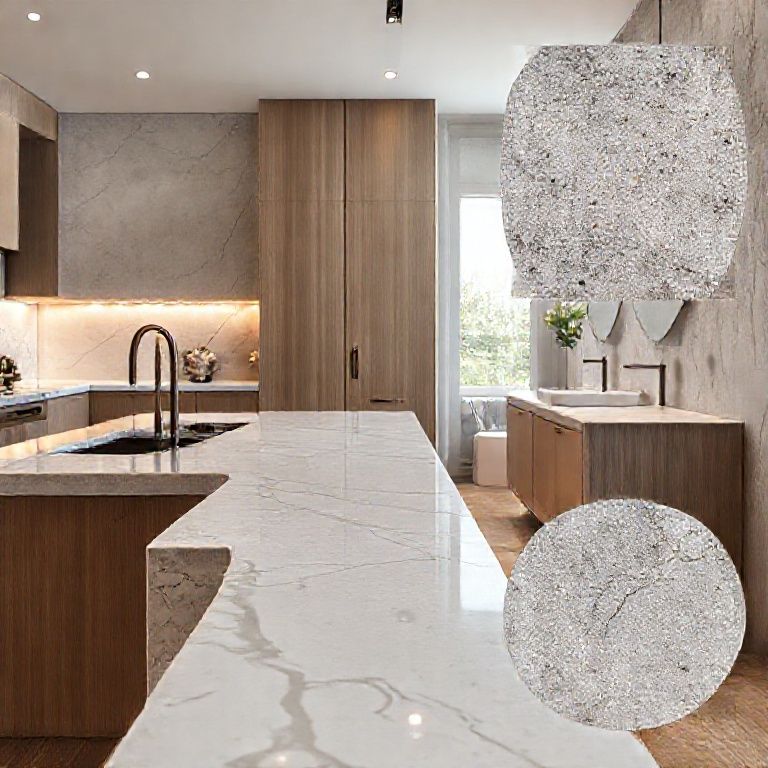
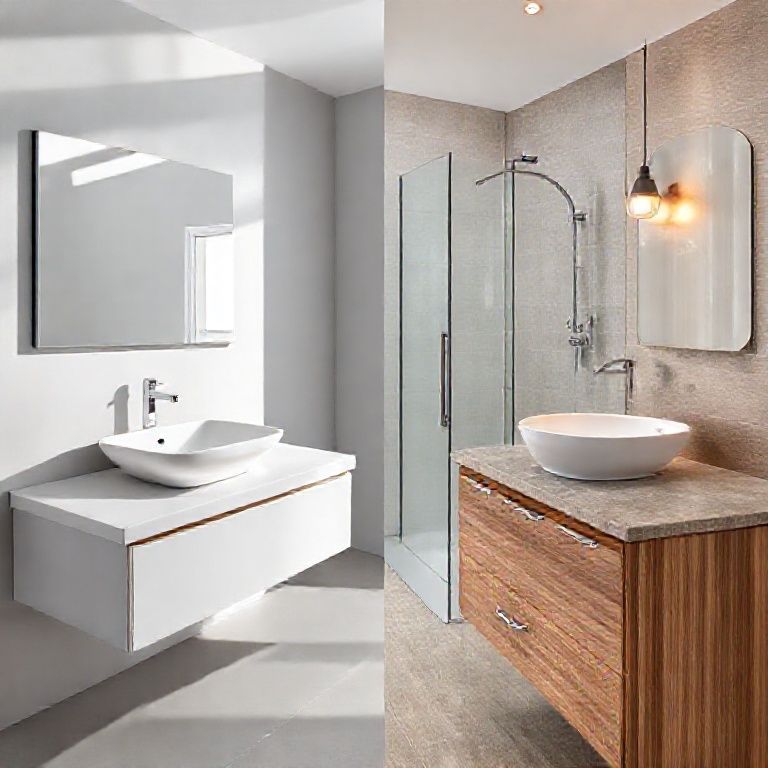
Polished artificial stone countertops offer a myriad of aesthetic benefits that make them a popular choice for kitchens, bathrooms, and other areas requiring durable yet stylish surfaces. The process of polishing not only enhances the shine but also brings out the intricate patterns and textures embedded within the material. When polished correctly, artificial stone countertops achieve a luxurious, high-gloss finish that can complement a wide range of interior design styles.
Long-Term Benefits of Polishing
Beyond the immediate aesthetic appeal, polishing artificial stone countertops offers several long-term benefits:
Enhanced Durability: Polishing creates a protective layer that helps to resist scratches, chips, and stains. This protective layer not only extends the life of the countertop but also maintains its visual appeal over time.
Ease of Maintenance: A polished surface is easier to clean and maintain. The smooth, non-porous nature of polished artificial stone allows for quick and easy cleaning with minimal effort.
Consistency of Appearance: Polishing ensures that the surface is uniform, which helps to keep the patterns and designs consistent throughout the countertop. This uniformity can prevent any areas from appearing dull or uneven.
Advanced Polishing Techniques
Modern polishing techniques have evolved to ensure that the patterns on artificial stone countertops are preserved even after multiple polishing sessions. Here are some advanced methods used by professional polishers:
Multi-Stage Polishing: This method involves several stages of polishing, starting with coarse abrasives to remove imperfections and ending with fine abrasives to achieve a high-gloss finish. Each stage carefully preserves the patterns without erasing them.
Diamond Polishing: Diamond tools are often used in the final stages of polishing to achieve an ultra-smooth, shiny surface. These tools are effective at maintaining pattern clarity without damaging the stone.
Computer-Aided Design (CAD): Some polishers use CAD software to map out the polishing process, ensuring that every part of the countertop is polished uniformly and that intricate patterns are preserved.
Preventative Measures for Pattern Retention
To ensure that the patterns on your artificial stone countertop remain vivid and clear, consider the following preventative measures:
Regular Cleaning: Routine cleaning with a mild, non-abrasive cleaner will help to prevent the buildup of grime that could obscure the patterns. Avoid using harsh chemicals or abrasive sponges that might damage the surface.
Use Protective Mats: In high-traffic areas, using placemats and cutting boards can help to prevent scratches and stains from accumulating on the countertop surface.
Avoid Overloading: Excessive weight on the countertop can cause indentations and damage to the surface. Be mindful of where heavy items are placed to maintain the integrity of the stone.
Immediate Stain Removal: Any spills or stains should be addressed immediately to prevent them from setting into the surface. Using a gentle cleaner and blotting the area can help to maintain the countertop’s appearance.
Conclusion of Part 2
In conclusion, the intricate patterns on artificial stone countertops are designed to withstand the polishing process and remain visible, provided that high-quality materials, advanced techniques, and proper maintenance are employed. Polishing not only enhances the aesthetic appeal but also extends the durability and longevity of the countertop. By following these tips and understanding the nature of artificial stone, homeowners can ensure that their countertops continue to look beautiful and pristine for years to come. Whether you’re a homeowner or a professional in the industry, these insights will help you appreciate and care for the remarkable beauty of polished artificial stone.