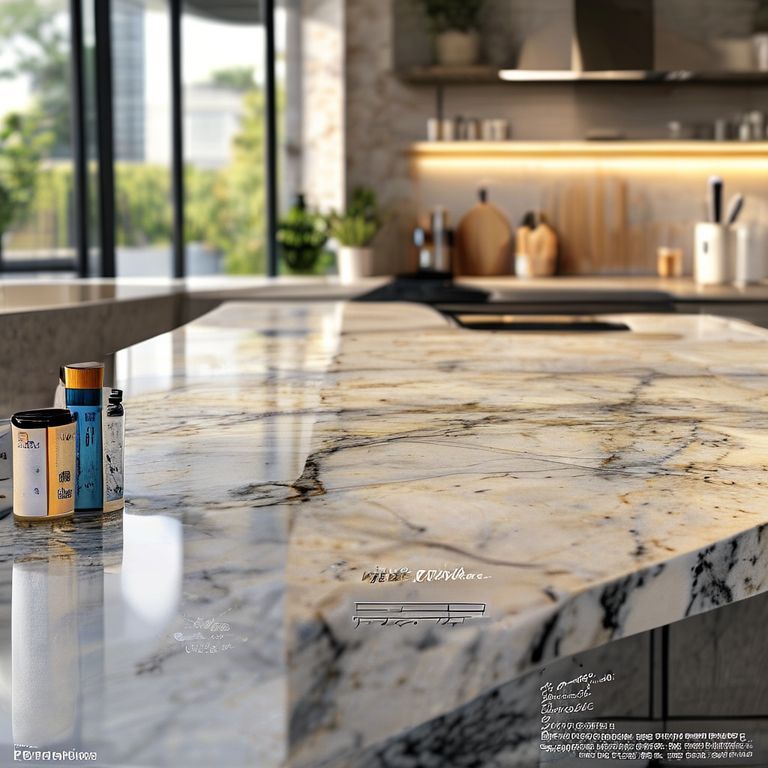
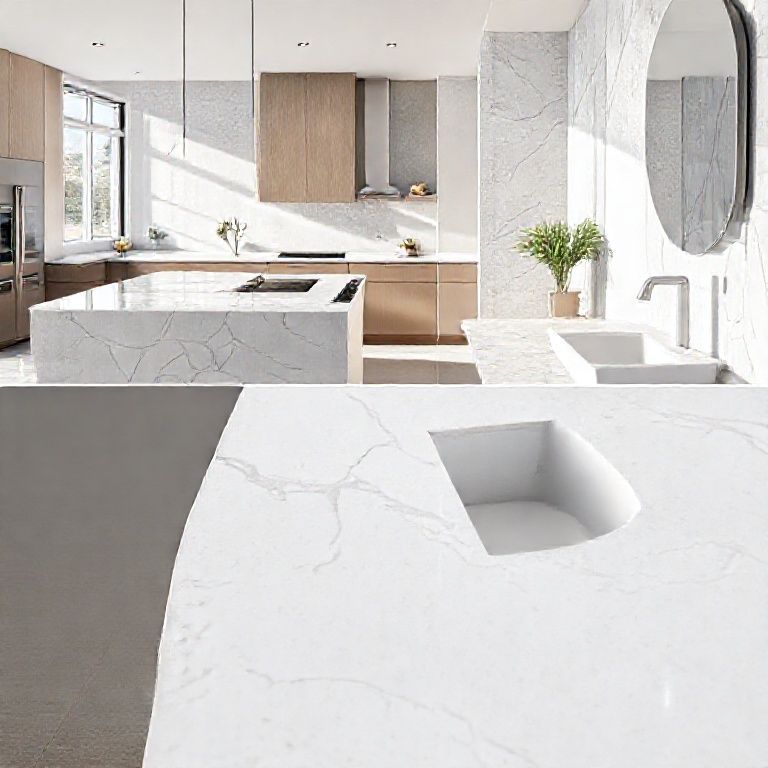
Are your synthetic stone countertops starting to show signs of yellowing? Don’t worry; you’re not alone. Synthetic stone, while incredibly durable and low-maintenance, can sometimes suffer from discoloration over time. This guide will walk you through the most effective cleaning tips and tricks to keep your countertops looking pristine and vibrant.
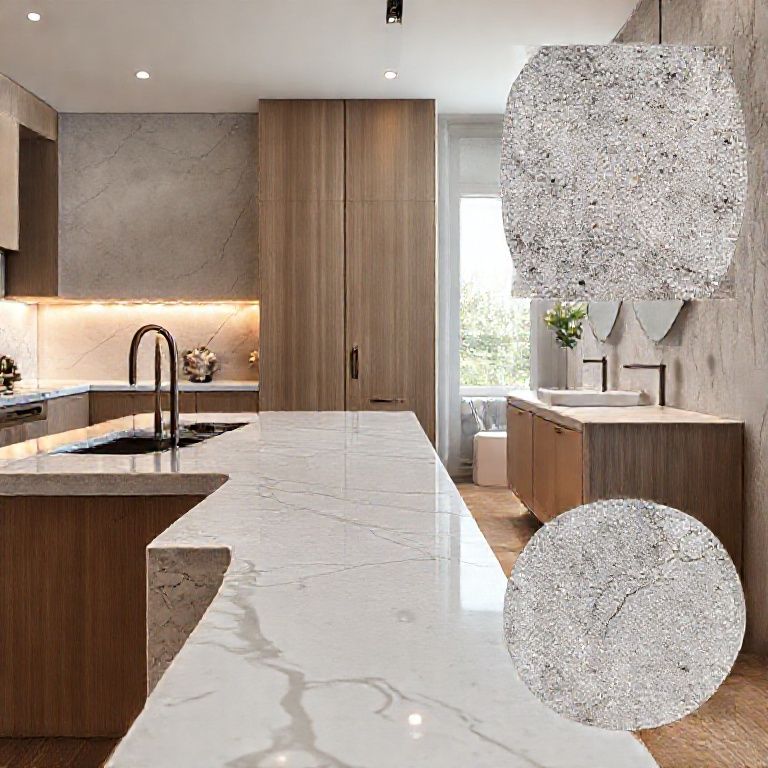
Understanding the Problem
Before diving into the cleaning solutions, it’s important to understand why synthetic stone countertops turn yellow. Typically, yellowing is caused by mineral deposits, oil spills, or prolonged exposure to certain cleaning agents. Identifying the source is the first step toward effective cleaning.
Basic Cleaning Routine
Daily Cleaning: Use a soft, non-abrasive sponge or cloth with mild soap and warm water to clean your countertops daily. Avoid harsh chemicals that can strip the sealant and cause further discoloration. Dish Soap and Baking Soda Paste: Mix a few drops of dish soap with baking soda to form a paste. Apply the paste to the yellowed areas and let it sit for 10-15 minutes before scrubbing gently with a soft cloth. Rinse thoroughly with warm water and dry with a clean towel.
Natural Cleaning Solutions
Natural cleaning solutions are not only effective but also safe for synthetic stone. Here are some tried-and-true methods:

Vinegar and Water Mixture: Mix equal parts of white vinegar and water in a spray bottle. Spray the solution onto the affected areas and let it sit for 15-20 minutes. Wipe clean with a microfiber cloth and dry with a towel. Vinegar’s acidity helps break down mineral deposits and stains. Lemon Juice: Cut a lemon in half and rub it over the yellowed areas. The citric acid in lemon juice can help remove stains and brighten the surface. Alternatively, make a lemon juice and water solution and apply it with a cloth.
Advanced Cleaning Techniques
For more stubborn yellowing, consider these advanced cleaning techniques:
Hydrogen Peroxide Paste: Mix hydrogen peroxide with baking soda to create a paste. Apply the paste to the yellowed areas and let it sit for 30 minutes before scrubbing gently with a soft cloth. Rinse and dry with a clean towel. Hydrogen peroxide is a powerful oxidizer that can help remove tough stains. Commercial Stone Cleaners: Use a commercial cleaner specifically designed for synthetic stone. Follow the manufacturer’s instructions carefully to avoid damaging the surface. Test any new cleaner on a small, inconspicuous area first to ensure it doesn’t cause further discoloration.
Preventative Measures
Prevention is always better than cure. Here are some tips to keep your synthetic stone countertops looking their best:

Use Coasters and Trivets: Always place coasters under glasses and trivets under hot pots and pans to prevent direct heat and spillage from damaging the surface. Avoid Cutting on Countertops: Use a cutting board instead of directly cutting on the countertop to prevent scratches and spills. Regular Maintenance: Wipe down the countertops regularly with a damp cloth to remove fingerprints and minor spills. Apply a food-safe sealant every 6-12 months to restore shine and protect against stains.
DIY Stain Removal Hacks
Sometimes, stubborn stains require more than just regular cleaning. Here are some additional DIY hacks:
Baking Soda and Cornstarch: Mix equal parts of baking soda and cornstarch to create a dry powder. Sprinkle the mixture over the stained area and let it sit for 24 hours before sweeping it off. This method can help lift tough stains without scratching the surface. Oxygen Bleach: Mix one part oxygen bleach with five parts water in a spray bottle. Spray the solution onto the stain and let it sit for 30 minutes before wiping clean. Oxygen bleach is gentle yet effective at breaking down organic stains.

Professional Help
If home remedies don’t seem to work, it may be time to consult a professional. A stone countertop specialist can offer advanced cleaning techniques and treatments to restore your countertop to its original beauty. They can also provide advice on maintenance to prevent future discoloration.
Conclusion
Keeping your synthetic stone countertops looking fresh and free from yellowing is all about regular maintenance, using the right cleaning solutions, and knowing when to seek professional help. By following these tips and tricks, you can ensure that your countertops remain a beautiful focal point in your kitchen for years to come.
Stay tuned for the next part of our guide, where we’ll explore more advanced cleaning hacks and maintenance tips to keep your synthetic stone countertops in top condition.
Continuing from where we left off, this part of our guide will delve deeper into advanced cleaning hacks and maintenance tips to ensure your synthetic stone countertops stay looking pristine and beautiful.
Advanced Cleaning Hacks
Borax Powder: Borax is a natural cleaning agent that can effectively remove tough stains. Mix borax powder with water to create a paste. Apply the paste to the stained areas, let it sit for 15 minutes, then scrub gently with a soft cloth. Rinse and dry thoroughly. Borax is especially effective on organic stains and mineral deposits. Oxygen Bleach and Baking Soda: Combine oxygen bleach and baking soda for a powerful yet gentle cleaning solution. Mix 1 tablespoon of baking soda with 1 cup of oxygen bleach in a spray bottle. Spray the solution onto the countertops, let it sit for 15 minutes, then wipe clean with a damp cloth. This combination can lift tough stains without damaging the stone surface.
Deep Cleaning Solutions
Alkaline Cleaners: Use alkaline cleaners specifically designed for stone surfaces. Follow the manufacturer’s instructions carefully to avoid over-saturation that can lead to further yellowing. These cleaners are effective at breaking down tough stains and restoring the stone’s natural shine. Hydrogen Peroxide and Baking Soda Paste: For particularly stubborn stains, mix baking soda with hydrogen peroxide to form a thick paste. Apply the paste to the affected areas and let it sit for 30 minutes before scrubbing gently. Rinse thoroughly and dry with a clean towel. This method is powerful enough to tackle deep-seated stains.
Maintenance Tips
Regular Sealing: Seal your countertops every 6-12 months to restore their protective layer. Use a food-safe sealer designed for synthetic stone to maintain the surface’s durability and shine. Avoiding Abrasive Cleaners: Never use abrasive cleaners or scrubbers that can scratch the surface of the stone. Stick to soft cloths and non-abrasive sponges for routine cleaning. Proper Storage: Store pots, pans, and other heavy items on cabinets or drawers to prevent scratches on the countertop. Use trivets for hot items to avoid direct contact with the stone.
Natural Remedies
Salt and Vinegar: Combine salt and vinegar to create a scrubbing paste. Apply the paste to the stained areas and let it sit for 10 minutes before scrubbing gently. Rinse and dry. This method can help lift minor stains and restore the stone’s original color. Cornstarch and Baking Soda: Mix cornstarch and baking soda to form a dry powder. Sprinkle the powder over the stained area and let it sit for 24 hours before sweeping it off. This non-abrasive method can effectively remove tough stains.
In this final part of our guide, we’ll cover some additional maintenance tips and tricks that will help you keep your synthetic stone countertops looking pristine and prolong their life. Whether you’re a seasoned homeowner or new to synthetic stone maintenance, these tips will be invaluable.
Detailed Cleaning Techniques
Microfiber Cloths: Always use microfiber cloths for cleaning your countertops. These cloths are gentle yet effective at trapping dirt and grime without scratching the surface. Avoid using paper towels or any abrasive materials that can leave scratches. Warm Water Rinse: After applying any cleaning solution, make sure to rinse the countertop with warm water to remove any residue that could potentially cause staining or yellowing. A warm water rinse also helps in making the surface more receptive to future cleanings.
Advanced Stain Removal Techniques
Hydrogen Peroxide and Dish Soap: For particularly tough stains, mix equal parts of hydrogen peroxide and dish soap. Apply the mixture to the stained area and let it sit for 15-20 minutes before scrubbing gently with a soft cloth. Rinse thoroughly with warm water and dry with a microfiber cloth. Baking Soda and Olive Oil: Create a paste using baking soda and olive oil. Apply the paste to the stain and let it sit for 15 minutes before scrubbing gently with a soft cloth. Rinse with warm water and dry. Olive oil can also help in conditioning the stone surface.
Preventative Maintenance
Regular Cleaning Routine: Establish a regular cleaning routine to prevent the buildup of grime and stains. Clean your countertops daily with a damp cloth and mild soap, and wipe down with a dry cloth to maintain the surface. Use Coasters and Trivets: Place coasters under glasses and trivets under hot pots and pans to prevent direct contact with the countertop. This simple practice can prevent thermal damage and spills that can lead to yellowing.
Professional Cleaning Services
Professional Cleaning: Occasionally, professional cleaning services can offer deep cleaning and restoration treatments that you might not be able to achieve on your own. Professionals have access to specialized cleaning agents and equipment that can rejuvenate the surface of your synthetic stone. Re-sealing: Professionals can also re-seal your countertops to restore their protective barrier. Re-sealing every 6-12 months can help maintain the stone’s durability and resistance to stains.
Environmental Considerations
Eco-Friendly Cleaning: Opt for eco-friendly cleaning products when possible. Natural ingredients are less likely to damage the stone surface and are better for the environment. Vinegar, baking soda, and lemon juice are all excellent natural cleaning agents that are safe for synthetic stone. Proper Disposal: Always dispose of cleaning agents and leftover materials properly to avoid environmental contamination. Check local regulations for safe disposal of chemicals and household waste.
Conclusion
By following these comprehensive tips and tricks, you can keep your synthetic stone countertops looking fresh and new for years to come. Regular maintenance, using the right cleaning techniques, and avoiding common pitfalls will ensure that your countertops remain a beautiful and functional part of your kitchen. Whether you prefer natural remedies or professional treatments, there’s a solution that fits your needs and preferences.
Maintaining your synthetic stone countertops doesn’t have to be a daunting task. With the right knowledge and a little effort, you can keep your kitchen looking pristine and stylish. Stay tuned for more tips and tricks on kitchen maintenance and more!
Thank you for reading our guide on keeping your synthetic stone countertops looking fresh and flawless. We hope you found these tips helpful and useful in maintaining the beauty of your kitchen.