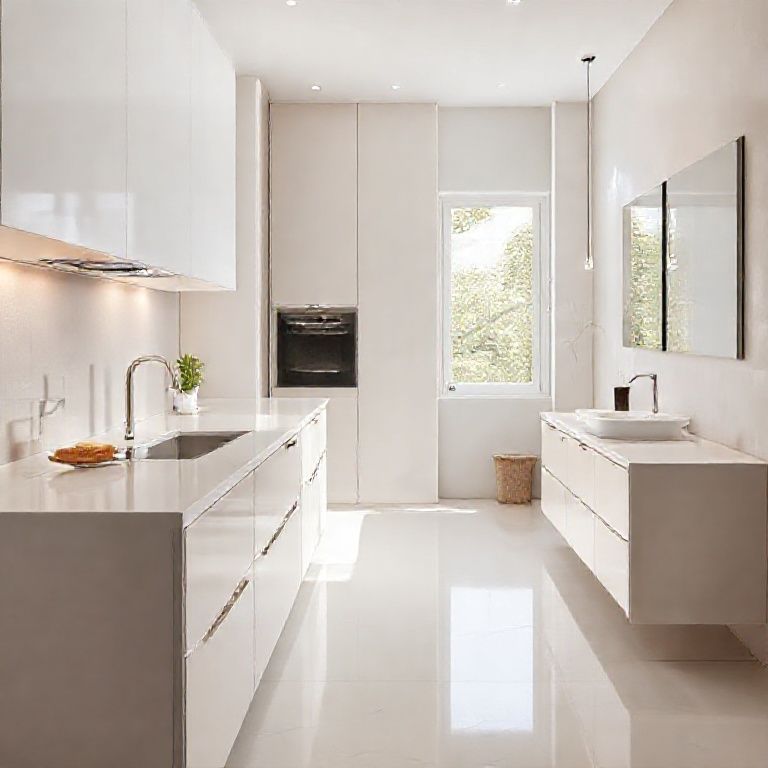
Eco-Friendly and Warm: The Best Ground Coverings for Winter
As the chill of winter sets in, it’s essential to not only keep warm but also to do so in an environmentally responsible way. The materials we choose for our homes can significantly impact our planet, and it’s time to embrace eco-friendly solutions that keep us cozy without compromising on sustainability. Let’s delve into the world of sustainable winter ground coverings that offer both warmth and ecological benefits.
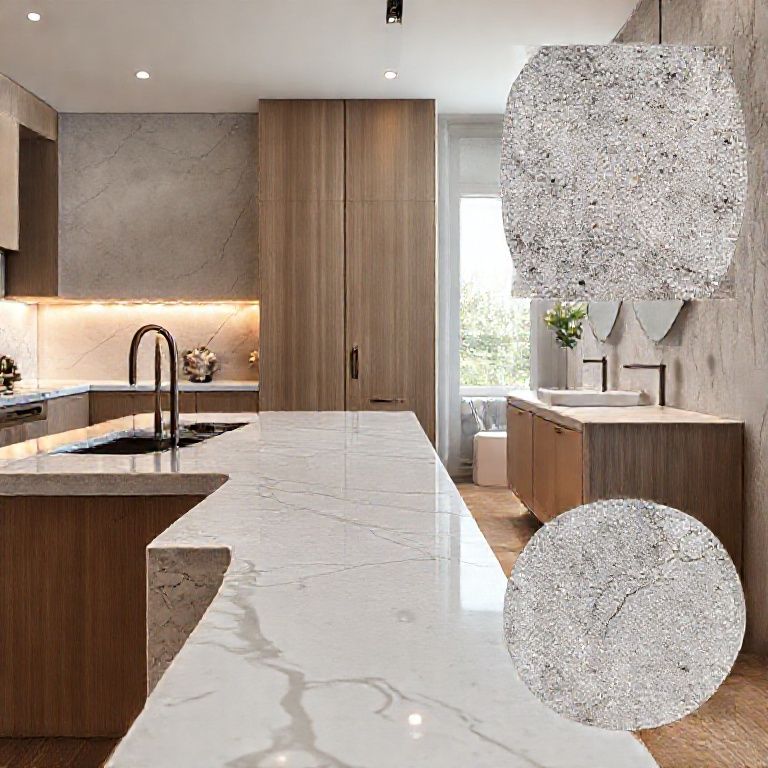
The Importance of Eco-Friendly Winter Solutions
The quest for warmth in the winter months often leads us to consider materials that provide insulation and comfort. However, many traditional options come with a hefty environmental price tag. From synthetic materials that release harmful chemicals to non-renewable resources, the choices can be daunting. Fortunately, there are numerous eco-friendly alternatives that not only keep us warm but also protect our planet.
Sustainable Insulation Materials
Sustainable insulation materials are gaining popularity for their ability to reduce energy consumption while maintaining high levels of thermal efficiency. These materials are designed to minimize the need for heating, thereby reducing carbon footprints. Here are some of the most promising eco-friendly options:
1. Sheep’s Wool
Sheep’s wool is a natural insulator that offers exceptional thermal properties. It is breathable, moisture-wicking, and durable, making it an excellent choice for winter flooring. Wool also has antimicrobial properties, which help to keep the area clean and healthy. Additionally, sheep farming is a renewable resource, and wool is biodegradable.
2. Hemp
Hemp is another remarkable natural fiber known for its insulating properties. It is grown without the use of pesticides, making it a very eco-friendly option. Hemp mats and rugs are highly durable and can be easily recycled or composted at the end of their lifespan. They also offer excellent thermal resistance, keeping your home warm without the need for excessive heating.
3. Bamboo
Bamboo is a rapidly renewable resource that grows quickly and can be harvested without depleting the resource. Bamboo mats and carpets are not only insulating but also resistant to mold and mildew. They are lightweight, durable, and provide a warm, natural look to any space. Moreover, bamboo is biodegradable, ensuring that it won’t contribute to landfill waste.
4. Cork
Cork is harvested from the bark of cork oak trees, which are renewable and can be sustainably managed. This natural material is excellent at insulating and provides a warm, cozy feel underfoot. Cork is also hypoallergenic and non-toxic, making it a perfect choice for environmentally conscious homeowners.
Eco-Friendly Flooring Solutions
When it comes to flooring, the options are diverse and cater to various tastes while ensuring sustainability. Here’s a closer look at some of the best eco-friendly flooring solutions for winter.
1. Eco-Friendly Hardwood
Traditional hardwood flooring can be made from sustainable sources like FSC-certified wood. This certification ensures that the wood is harvested from forests that practice sustainable forestry. Eco-friendly hardwood floors offer durability, beauty, and excellent insulation properties, keeping your home warm naturally.
2. Linoleum
Linoleum is made from natural materials like linseed oil, wood flour, and cork dust. It is a durable and resilient flooring option that provides excellent thermal insulation. Moreover, linoleum is non-toxic and biodegradable, making it an ideal choice for eco-conscious homeowners.

3. Recycled Rubber
Recycled rubber flooring is made from recycled tires, making it a highly sustainable option. It is durable, shock-absorbent, and provides excellent insulation. Recycled rubber flooring is also waterproof and easy to clean, making it ideal for high-traffic areas.
The Benefits of Eco-Friendly Winter Ground Coverings
Choosing eco-friendly winter ground coverings offers numerous benefits beyond just environmental responsibility. Here are some key advantages:
Health Benefits
Many eco-friendly materials are non-toxic and hypoallergenic, reducing the risk of indoor air pollution and respiratory issues. Natural fibers like wool, hemp, and bamboo are free from harmful chemicals, ensuring a healthier living environment.
Cost Savings
While the initial cost of eco-friendly materials may be higher, the long-term savings are significant. Sustainable materials often require less maintenance and offer durability, reducing the need for frequent replacements. Additionally, eco-friendly insulation can reduce energy costs by maintaining a consistent indoor temperature.
Aesthetic Appeal
Eco-friendly materials often provide a natural and aesthetically pleasing look. Whether it’s the rustic charm of bamboo, the elegance of cork, or the timeless beauty of hardwood, these materials enhance the overall aesthetic of your home.
How to Choose the Right Eco-Friendly Winter Ground Covering
Choosing the right eco-friendly ground covering involves considering several factors, including insulation, durability, maintenance, and personal preference. Here are some tips to help you make an informed decision:
Insulation
Look for materials that offer excellent insulation properties to keep your home warm during the winter months. Natural fibers like wool, hemp, and cork are excellent choices.
Durability
Consider the durability of the material. Eco-friendly materials like hardwood, linoleum, and recycled rubber are known for their long-lasting nature.
Maintenance
Choose materials that are easy to maintain and clean. Natural fibers and recycled materials often require minimal upkeep, making them convenient for busy households.
Personal Preference
Ultimately, the choice should align with your personal preferences and lifestyle. Consider factors like aesthetics, comfort, and ease of installation when making your decision.
Conclusion
Embracing eco-friendly winter ground coverings is a step towards a more sustainable and comfortable living environment. From natural fibers to sustainable hardwood, there are numerous options that offer both warmth and environmental responsibility. By choosing these materials, you can reduce your carbon footprint while enjoying the comfort of a well-insulated home. Let’s make this winter season one of eco-friendly innovations and sustainable practices.
Eco-Friendly and Warm: The Best Ground Coverings for Winter (Continued)
Building on the foundation of eco-friendly and sustainable winter ground coverings, this second part will explore more in-depth how to implement these materials effectively in your home. We will also discuss innovative trends and future possibilities in the realm of sustainable winter solutions.
Implementing Eco-Friendly Ground Coverings
The transition to eco-friendly winter ground coverings can be seamless with the right approach. Here are some practical tips and strategies to help you implement these sustainable materials effectively.
1. Space Planning
When selecting eco-friendly ground coverings, consider the layout and usage of different spaces in your home. High-traffic areas like entryways and living rooms benefit from durable materials like recycled rubber or eco-friendly hardwood. Meanwhile, bedrooms and quieter spaces can utilize softer materials like sheep’s wool or hemp mats.
2. Layering for Extra Insulation
To maximize the insulation benefits of eco-friendly materials, consider layering them. For example, use a natural fiber rug over a bamboo floor for added warmth. Layering not only enhances insulation but also provides additional comfort and durability.
3. Combining Materials
Combining different eco-friendly materials can create a cohesive and stylish look while offering various benefits. For instance, a hardwood floor in common areas with wool rugs in bedrooms can provide both durability and comfort. This approach also allows for personal customization and aesthetic variety.
Innovative Trends in Sustainable Winter Solutions
The world of sustainable winter solutions is continuously evolving with innovative trends that push the boundaries of eco-friendly design and technology. Here are some exciting developments to look out for:
1. Smart Insulation Technologies
Smart insulation technologies are integrating advanced materials that adapt to changing temperatures and insulation needs. These materials can dynamically adjust their thermal properties, offering superior insulation without traditional heating systems. Smart insulation materials often incorporate natural fibers and advanced composites that respond to environmental changes.
2. Solar-Powered Heating
Solar-powered heating systems are becoming more prevalent as a sustainable alternative to conventional heating methods. By harnessing solar energy, these systems provide a renewable and efficient way to keep your home warm during the winter. Solar-powered heating can be integrated with eco-friendly ground coverings to maximize energy efficiency.
3. Biodegradable and Compostable Materials
The trend toward biodegradable and compostable materials is gaining momentum. These materials are designed to break down naturally at the end of their life cycle, reducing environmental impact. Innovations in this area include biodegradable rugs and mats made from natural fibers that can be composted after use.
Future Possibilities in Sustainable Winter Solutions
The future of sustainable winter solutions looks promising with continuous advancements in technology and materials. Here are some future possibilities to anticipate:
1. Advanced Natural Fibers
Research and development in natural fibers are leading to more sustainable and high-performance materials. Innovations in this field include enhanced wool fibers with superior insulation and moisture-wicking properties, as well as new hemp varieties with increased durability and strength.
2. Renewable Energy Integration
The integration of renewable energy sources with eco-friendly winter solutions继续探索未来可持续冬季解决方案
1. 先进的天然纤维
天然纤维的研究和开发正在推动更加可持续和高性能的材料。未来,我们可以期待获得更加优化的羊毛纤维,具备更出色的保温和吸湿性能,以及更高的耐用性。新的大麻品种将提供更加坚固和耐用的材料。
2. 可再生能源整合
可再生能源的整合将显著提升可持续冬季解决方案的效率。太阳能、风能等可再生能源的应用将逐步替代传统的化石燃料,为冬季供暖提供更环保的选择。未来,我们可能会看到更多智能家居系统,通过集成可再生能源,实现全年高效和低碳的能源使用。
3. 可降解和可堆肥材料
未来的趋势将是开发更多可降解和可堆肥的材料,这些材料在其生命周期结束时能够自然分解,减少对环境的影响。新型的可降解地板材料将在使用寿命结束后能够被自然分解,或者转化为有机肥料,回归土壤。
4. 智能环境控制系统
智能环境控制系统将成为未来冬季供暖和保温的核心。这些系统能够根据室内外温度、湿度和其他环境参数自动调节供暖和保温系统,以达到最佳的能源效率。这种智能化控制不仅能够提高舒适度,还能大大降低能源消耗。
5. 绿色建筑材料
绿色建筑材料将在未来冬季解决方案中扮演重要角色。这些材料不仅能够提供优良的隔热性能,还具有可再生、可回收或可降解的特点。例如,未来可能会有更多使用软木、竹子等可再生资源制成的建筑材料,这些材料不仅具备良好的保温性能,还能够碳中和或者碳负荷。
6. 生物基材料
生物基材料是未来环保建筑和冬季保温的重要方向。通过利用生物技术,可以开发出一系列新型的生物基材料,这些材料可以通过生物降解过程自然分解,不会对环境造成污染。这些材料不仅能提供优良的保温性能,还能够在生命周期结束时安全降解。
7. 个性化和模块化设计
未来的可持续冬季解决方案将更加注重个性化和模块化设计。通过3D打印和其他先进制造技术,可以根据用户的具体需求定制各种保温材料和系统。这样不仅能够提高使用效率,还能减少浪费,达到更高的可持续性。
8. 智能温控系统
智能温控系统将通过传感器和数据分析技术,实时监控和调节室内温度,从而在保证舒适度的最大限度地节省能源。这些系统将能够学习用户的生活习惯,提供更加精准和高效的冬季保温解决方案。
可持续冬季解决方案的未来充满了希望和挑战。通过不断创新和技术进步,我们有望在保障家居舒适度的实现更高效和环保的冬季供暖。这不仅有助于减少能源消耗和碳排放,还能为子孙后代创造一个更加清洁和健康的生活环境。在这个过程中,每一个选择和每一种创新都将为我们的地球带来更大的福祉。