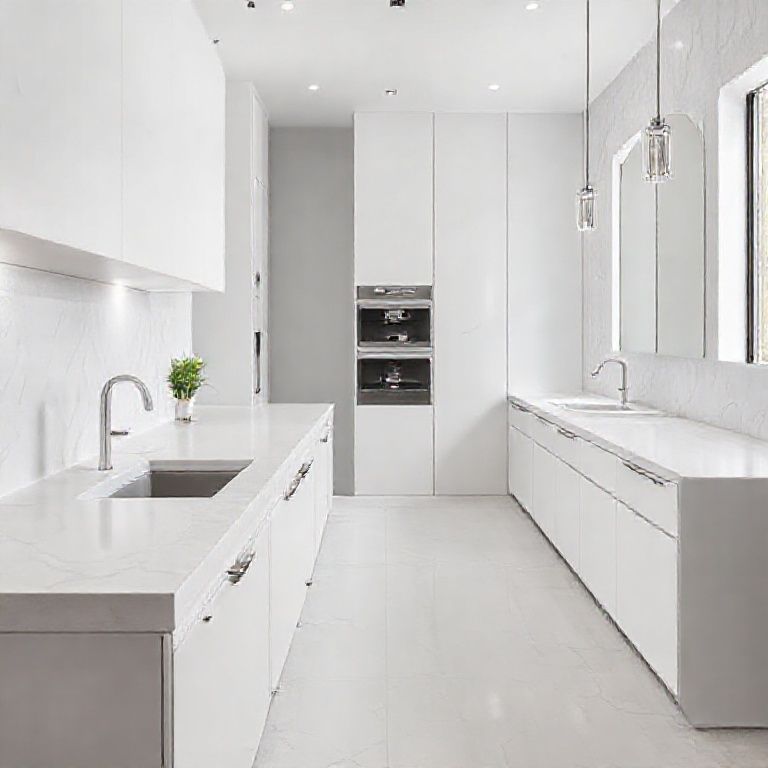
Eco-Friendly Surfaces for Your Home: A Video Guide
In today’s world, making eco-conscious choices is more important than ever. When it comes to home improvement, one of the most impactful areas is flooring. The materials we choose not only affect our homes but also have a significant environmental impact. In this video guide, we’ll explore the most eco-friendly flooring options available today, helping you make sustainable choices for a greener planet.
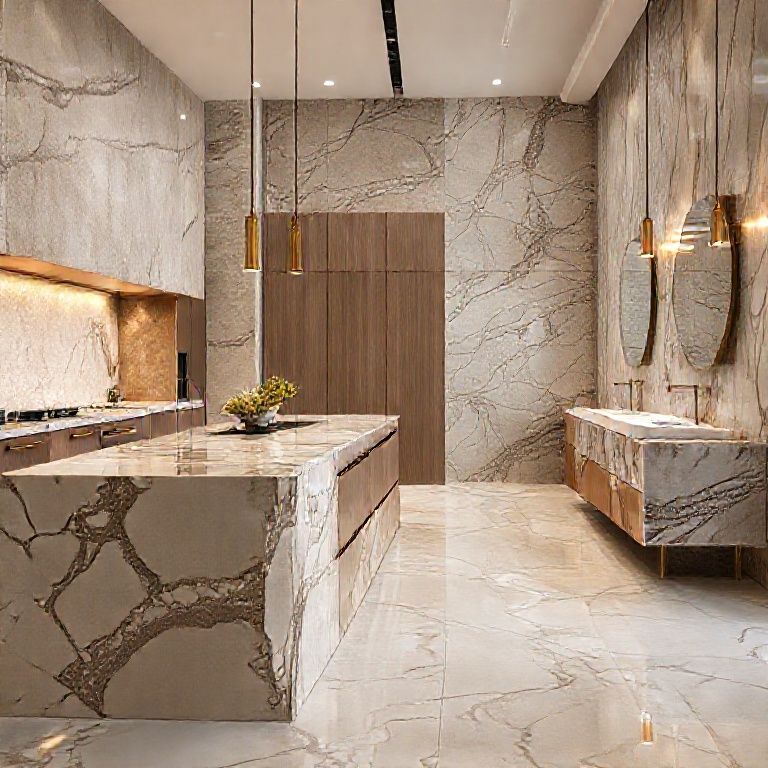
Understanding Eco-Friendly Flooring
Eco-friendly flooring refers to materials and methods that have minimal negative impact on the environment. This includes using sustainable resources, reducing waste, and ensuring the materials are non-toxic and recyclable. The goal is to create a healthier indoor environment while also being mindful of our planet.
Sustainable Materials
Bamboo Flooring: Bamboo is one of the fastest-growing plants on Earth, making it an excellent choice for sustainable flooring. It grows rapidly and requires little water compared to traditional hardwood. Bamboo flooring is durable, low-maintenance, and can be recycled at the end of its life cycle.
Reclaimed Wood: Reclaimed wood flooring is made from wood that has been salvaged from old buildings, barns, or other structures. Using reclaimed wood reduces the need for new lumber, thereby conserving forests and reducing waste. It also brings a unique character to any space.
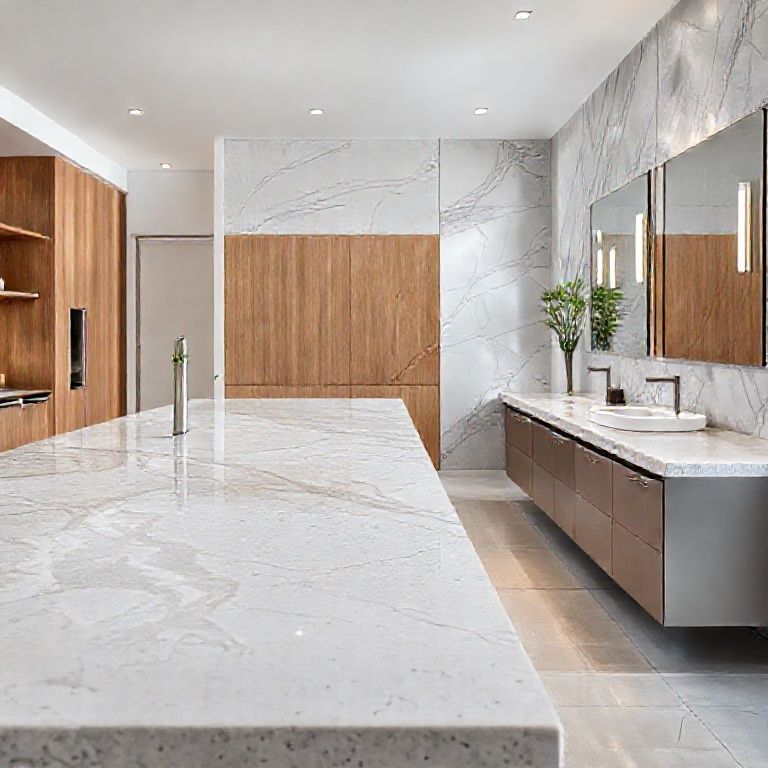
Cork: Cork flooring is harvested from the bark of cork oak trees, which do not need to be cut down for the process. This sustainable material is biodegradable, hypoallergenic, and provides excellent insulation and sound absorption.
Linoleum: Linoleum is made from natural materials like linseed oil, wood flour, and cork dust. It is durable, easy to maintain, and can be recycled. It’s also non-toxic and offers excellent resistance to stains and scratches.
Bamboo Laminate: Bamboo laminate flooring mimics the look of traditional hardwood without the environmental impact. It is durable and comes with a low environmental footprint due to the rapid growth of bamboo.
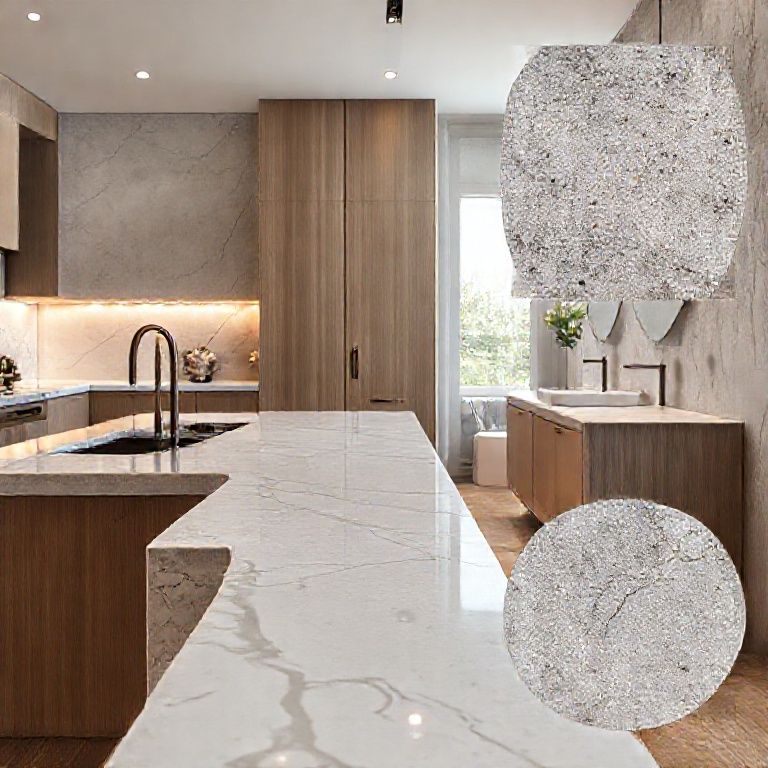
Benefits of Eco-Friendly Flooring
Healthier Indoor Environment: Eco-friendly flooring materials are often free from harmful chemicals and toxins. This means a healthier indoor air quality, which is especially important for families with children or those with allergies and respiratory issues.
Energy Efficiency: Many eco-friendly flooring options provide excellent insulation and thermal properties. This helps to regulate the temperature inside your home, reducing the need for heating and cooling, thus lowering energy consumption.
Recyclability: Sustainable flooring materials are often recyclable or biodegradable. This means at the end of their life cycle, they can be reused or decomposed without contributing to landfill waste.
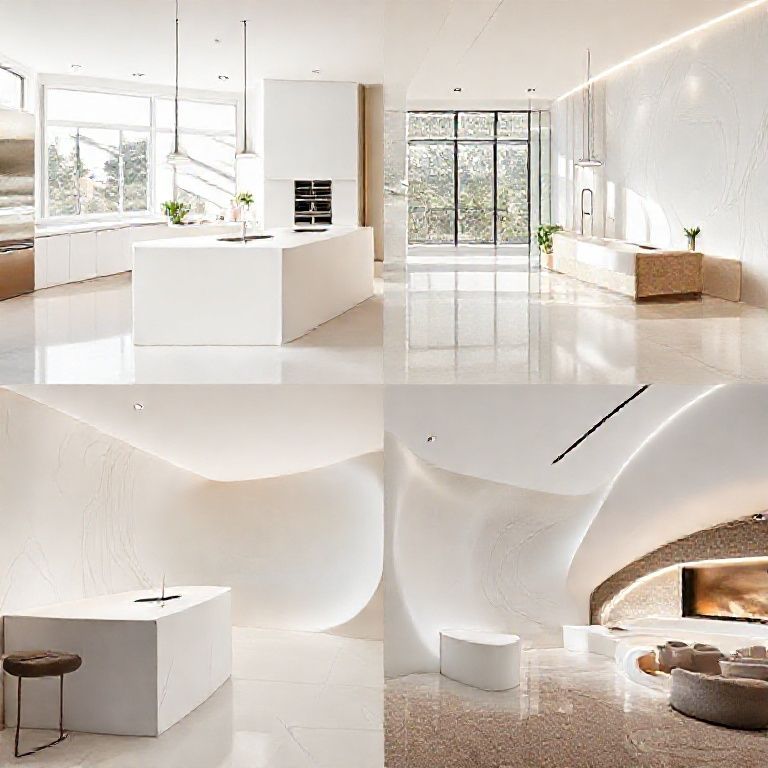
Conservation of Resources: By choosing sustainable materials, you are helping to conserve natural resources. This includes reducing deforestation, protecting wildlife habitats, and preserving water resources.
Installation Techniques
Proper installation of eco-friendly flooring is crucial to ensure longevity and performance. Here are some tips for installing sustainable flooring:
Choose Certified Products: Look for flooring products that are certified by recognized sustainability organizations. Certifications like FSC (Forest Stewardship Council) for wood products or GreenGuard for low-emission materials are good indicators of eco-friendly choices.
Professional Installation: For best results, consider hiring a professional installer who is experienced in eco-friendly materials. Proper installation ensures that the flooring will last longer and perform better.
DIY Installation: If you prefer to do the installation yourself, follow the manufacturer’s instructions carefully. Use eco-friendly adhesives and sealants that are low in volatile organic compounds (VOCs).
Waste Reduction: Try to minimize waste during installation. Use leftover materials for small areas or consider donating them to a local woodworking shop or school.
Tips for Maintaining Eco-Friendly Flooring
Regular Cleaning: Use eco-friendly cleaning products that are free from harsh chemicals. Many natural cleaners can effectively clean and maintain your flooring without harming the environment.
Avoid Harsh Abrasives: Use soft mops and non-abrasive cleaning pads to avoid scratching your flooring. For hardwood and bamboo, avoid using steel wool or other abrasive tools.
Refinishing: Instead of replacing worn-out flooring, consider refinishing it. Many eco-friendly products are available for refinishing bamboo, hardwood, and other natural flooring materials.
Proper Ventilation: Ensure good ventilation in areas where eco-friendly flooring is installed. This helps to maintain indoor air quality and allows the flooring to dry properly if it gets wet.
Conclusion
Choosing eco-friendly flooring for your home is a significant step towards sustainable living. From bamboo and reclaimed wood to cork and linoleum, there are numerous options that offer both beauty and environmental benefits. By making these choices, you contribute to a healthier planet and a better indoor environment for you and your family.
In the next part of this guide, we will delve deeper into specific eco-friendly flooring options, including case studies of homes that have made the switch to sustainable flooring, and expert interviews on the future of eco-friendly building materials.
Eco-Friendly Surfaces for Your Home: A Video Guide
Continuing our journey into eco-friendly flooring, this part of the video guide will provide a deeper look into specific sustainable flooring options, real-life case studies, and expert insights on the future of eco-conscious building materials.
Deep Dive into Sustainable Flooring Options
Case Studies of Eco-Friendly Homes
Eco-Friendly Urban Apartment: In an urban apartment, sustainable choices were made across all aspects of home design, including flooring. The homeowners chose bamboo flooring for its durability and low environmental impact. The apartment also features reclaimed wood cabinetry and cork flooring in the living room. This choice not only enhanced the aesthetic appeal but also contributed to a healthier indoor environment.
Eco-Friendly Farmhouse: A farmhouse renovation highlighted the use of reclaimed wood flooring throughout the home. The project involved salvaging wood from old barns and buildings, which not only reduced the need for new lumber but also added unique character to the space. The homeowners also used linoleum in the kitchen for its durability and eco-friendly properties.
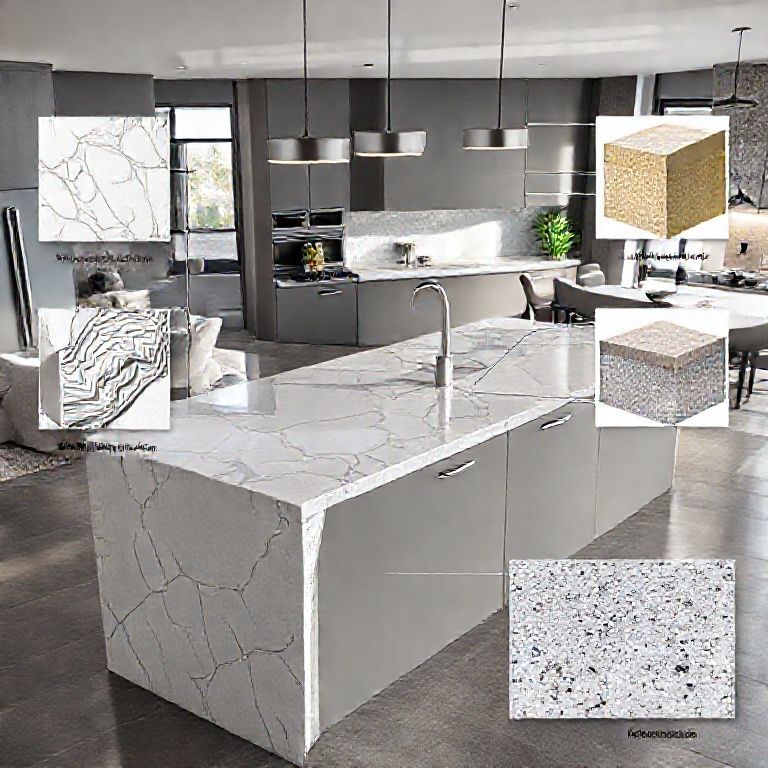
Modern Sustainable Home: A modern home built with a focus on sustainability used bamboo laminate flooring for its aesthetic appeal and minimal environmental footprint. The home also features natural stone countertops and cork backsplash, further emphasizing the use of eco-friendly materials.
Expert Interviews
The Future of Eco-Friendly Building Materials
Dr. Jane Green: An environmental scientist, Dr. Jane Green discusses the advancements in sustainable building materials. She highlights the development of new materials that are not only eco-friendly but also perform well in terms of durability and aesthetics. Dr. Green emphasizes the importance of research and innovation in creating sustainable solutions for the future.
Michael Reed: An architect specializing in sustainable design, Michael Reed shares his insights on integrating eco-friendly materials into architectural designs. He discusses the challenges and benefits of using sustainable materials and how they can be seamlessly incorporated into various types of buildings.
Sarah Thompson: A home renovation expert, Sarah Thompson talks about the practical aspects of choosing and installing eco-friendly flooring. She provides tips on how to balance aesthetics with sustainability and offers advice on finding the best eco-friendly products for different budgets.
Innovative Eco-Friendly Materials
Mycelium Flooring: Mycelium, the root structure of mushrooms, is being developed into a new type of sustainable flooring. This innovative material is grown in controlled environments and offers excellent strength and insulation properties. It is biodegradable and has the potential to revolutionize sustainable building materials.
Algae-Based Flooring: Algae-based flooring is another emerging material that uses algae as a base for creating durable and eco-friendly flooring options. Algae can be grown sustainably and offers a unique aesthetic appeal. It also provides excellent insulation and moisture resistance.
Recycled Plastic Flooring: Recycled plastic flooring is made from post-consumer waste, reducing the need for new plastic production. This flooring is durable, low-maintenance, and can be recycled again at the end of its life cycle. It’s also available in a variety of styles to suit different design preferences.
Practical Tips for Choosing Eco-Friendly Flooring
Assess Your Needs: Consider your specific needs when choosing eco-friendly flooring. Think about the durability, maintenance, and aesthetics required for each area of your home.
Research Certifications: Look for flooring products that have recognized sustainability certifications. These certifications indicate that the product meets certain environmental standards.
Check Reviews and Recommendations: Read reviews and seek recommendations from other homeowners who have installed eco-friendly flooring. This can provide valuable insights into the performance and longevity of different materials.
Balance Aesthetics和环保性能:
考虑预算: 尽管有些环保材料可能在初始购买和安装成本上高于传统选项,但它们往往在长期使用中更经济,因为它们耐用且易于维护。
DIY vs. Professional Installation: 根据你的技能水平和时间,决定是否自己安装或雇用专业人员。专业安装不仅能确保最佳效果,还能减少材料浪费和环境影响。
咨询供应商: 与供应商直接沟通,了解材料的来源、生产过程及其对环境的影响。这有助于确保你的选择符合你的环保标准。
环保生活方式的其他方面
能源效率: 使用节能电器和LED照明,安装智能恒温器,可以显著减少家庭能源消耗。
水资源管理: 安装低流量水龙头和淋浴头,使用节水马桶,并修复漏水的管道和设备。
废物管理: 实施垃圾分类和回收,尽量减少使用一次性产品,推广使用可再生和可降解材料。
购买本地产品: 购买本地生产的食品和商品,减少运输过程中的碳排放,并支持本地经济。
选择环保地面材料是实现可持续生活的重要一步。这不仅对环境有益,还能为你和家人创造一个更健康的生活空间。通过综合考虑材料的环境影响、性能和美观性,你可以做出最符合你价值观和需求的选择。希望这些信息能帮助你在选择和安装环保地面材料时做出明智的决定,为地球的可持续未来贡献一份力量。
如果你有更多问题或需要进一步的建议,随时欢迎提问!