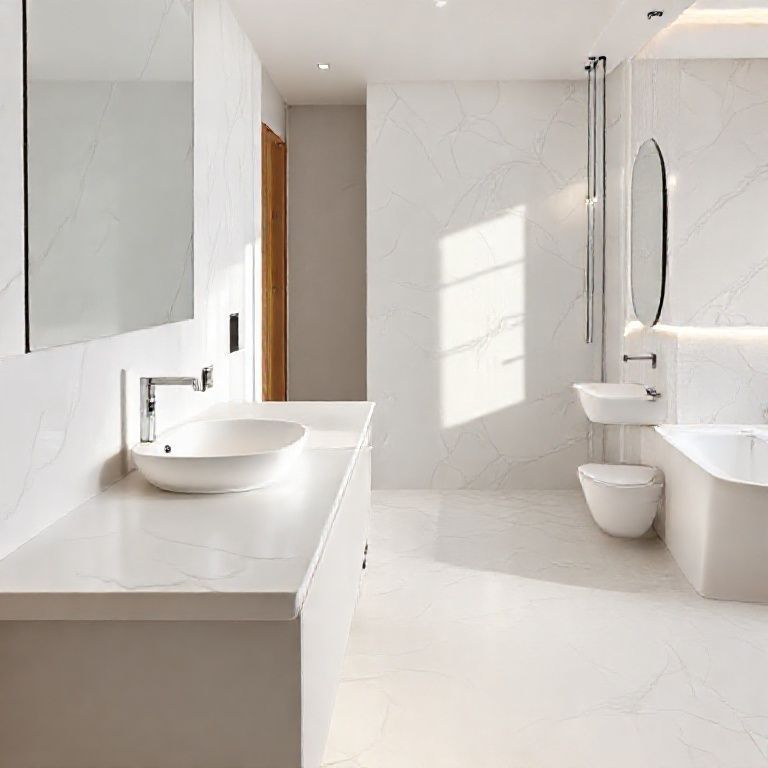
Effective Solutions for Color Change on Artificial Stone Countertops: Little Tricks for a Pristine Look
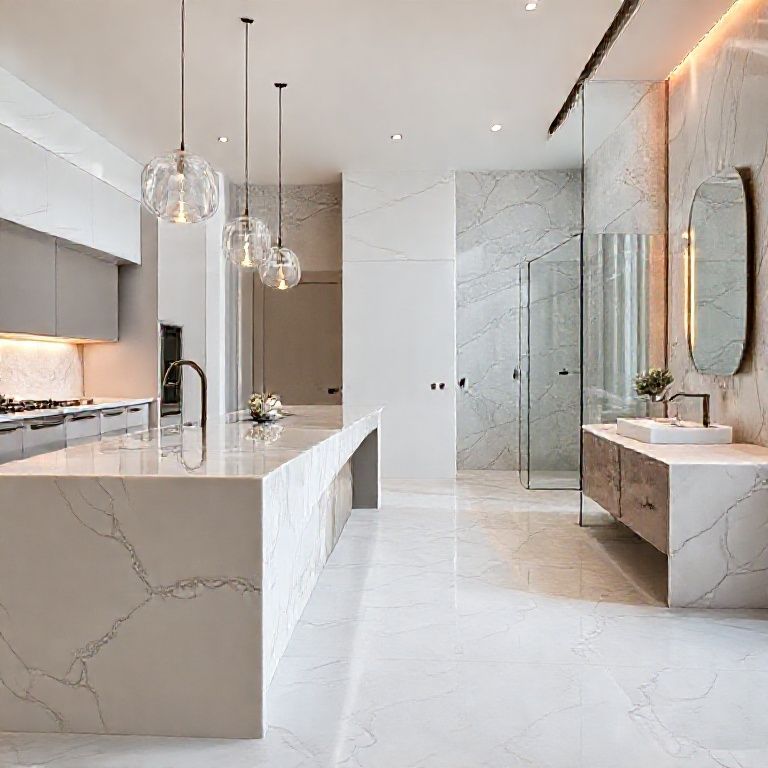
Artificial stone countertops have revolutionized modern kitchen and bathroom design with their beauty, durability, and low maintenance. However, despite their many advantages, these surfaces can sometimes suffer from color changes, often due to staining or exposure to certain chemicals. Fortunately, there are numerous effective and simple solutions to tackle this issue, ensuring your artificial stone countertops remain pristine and stunning. Let’s explore some of these little tricks to keep your artificial stone looking its best.
Understanding Color Change in Artificial Stone
Before diving into the solutions, it’s essential to understand why color change occurs on artificial stone surfaces. These countertops are made from a mixture of natural stone powders and resins, creating a composite material that mimics the appearance of natural stone. However, unlike natural stone, artificial stone can be more susceptible to certain chemicals and environmental factors that can cause color changes or staining. Common culprits include acidic foods, cleaning agents, and exposure to sunlight.
Identifying the Type of Stain
To effectively address color change, it’s crucial to identify the type of stain causing the issue. Artificial stone stains can be categorized as follows:
Acidic Stains: These are caused by acidic foods like tomatoes, citrus fruits, and vinegar. The acid reacts with the stone, causing discoloration.
Chemical Stains: These are caused by cleaning agents and other chemicals. Over time, residues from cleaners can leave marks on the surface.
Hard Water Stains: Mineral deposits from hard water can also cause discoloration, particularly if the water contains high levels of calcium and magnesium.
Organic Stains: Coffee, tea, wine, and other organic liquids can leave behind staining that’s harder to remove.
Basic Cleaning and Prevention Tips
Preventing color change and stains on artificial stone countertops starts with regular cleaning. Here are some basic tips to keep your artificial stone pristine:
Use pH-Neutral Cleaners: Always use a pH-neutral cleaner to avoid chemical reactions that can cause staining. Avoid acidic or alkaline cleaners, especially those containing bleach.
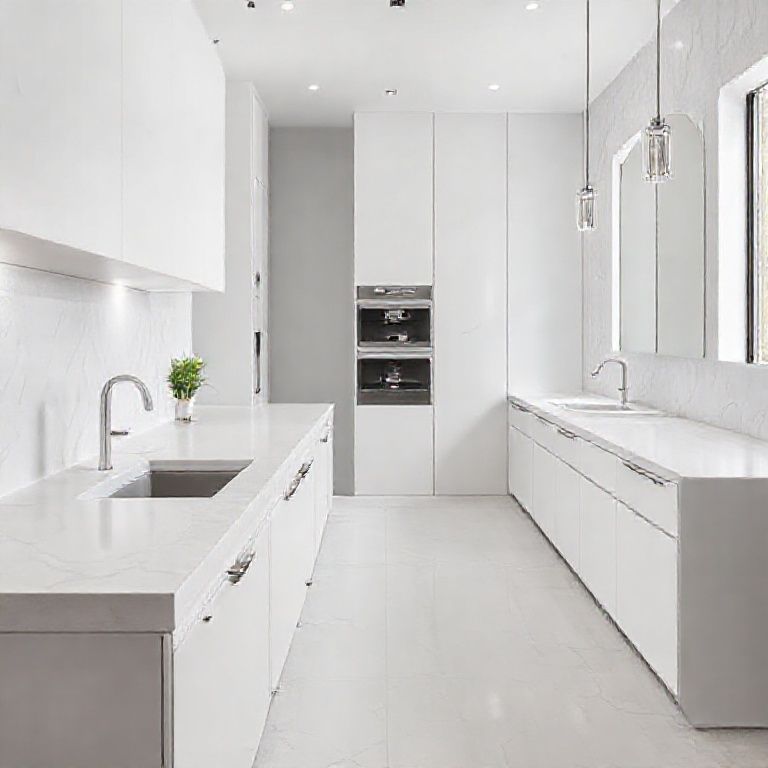
Immediate Cleanup: Clean up spills immediately, especially those from acidic or organic substances. The longer a stain sits, the harder it becomes to remove.
Microfiber Cloths: Use soft microfiber cloths to clean the surface gently. Avoid abrasive sponges or cloths that can scratch the surface.
Regular Maintenance: Regularly clean and polish your countertops to maintain their appearance. Use a mild soap and water solution to wipe down the surface weekly.
Restoring Color Change with Household Items
If color change has already occurred, don’t despair. There are several effective and affordable household items that can help restore the original beauty of your artificial stone countertops.
Baking Soda and Vinegar
One of the most effective natural cleaning agents is a mixture of baking soda and vinegar. Here’s how to use it:
Step 1: Sprinkle baking soda over the stained area. Step 2: Spray vinegar over the baking soda. Step 3: Let the mixture fizz for a few minutes. Step 4: Scrub the area gently with a soft cloth and rinse thoroughly with water. Step 5: Dry the surface with a clean, dry cloth.
This method is particularly effective for removing organic stains like coffee or tea.
Salt and Water
Salt is another excellent natural cleaner that can help lift stains from artificial stone:
Step 1: Dissolve a tablespoon of salt in warm water to create a paste. Step 2: Apply the paste to the stained area and let it sit for a few minutes. Step 3: Scrub gently with a soft cloth. Step 4: Rinse thoroughly with water and dry the surface. Lemon Juice
Lemon juice is a natural bleaching agent that can help lighten stains:
Step 1: Squeeze fresh lemon juice and apply it directly to the stained area. Step 2: Let it sit for a few minutes. Step 3: Wipe the area with a soft cloth. Step 4: Rinse and dry the surface.
Professional Solutions for Tough Stains
While household items are great for minor stains, sometimes tougher stains require more professional intervention. Here are a few professional solutions you can consider:
Powdered Cleaners
Powdered cleaners are designed specifically for stone surfaces and can be very effective. These cleaners often contain mild acids that can lift stains without damaging the surface.
Step 1: Apply the powdered cleaner to the stained area. Step 2: Let it sit for the recommended time. Step 3: Wipe off the residue with a damp cloth. Step 4: Rinse and dry the surface. Stone Polish
A stone polish can help restore the shine and color of artificial stone countertops. It’s particularly useful if the color change is subtle and the surface needs a bit of TLC.
Step 1: Apply the stone polish to a soft cloth. Step 2: Buff the surface in a circular motion. Step 3: Wipe off any excess with a clean cloth. Step 4: Allow the surface to dry completely. Professional Cleaning Services
For severe stains or discoloration, it may be best to call in a professional cleaning service. Professionals have access to specialized tools and products that can effectively remove tough stains without damaging the countertop.
Preventive Measures for Long-Term Maintenance
Prevention is always better than cure, and there are several measures you can take to prevent color change on your artificial stone countertops in the long run:
Use Coasters and Trivets
To protect your countertops from heat and acidic spills, always use coasters under glasses and trivets under hot pots and pans.
Seal the Surface
Although artificial stone doesn’t require sealing like natural stone, applying a high-quality protective finish can help prevent staining and color change. This can be done periodically to maintain the surface’s integrity.
Regular Inspection
Regularly inspect your countertops for any signs of discoloration or staining. Early detection can make it easier to treat minor issues before they become major problems.
Avoid Overloading with Heavy Items
Avoid placing heavy objects directly on the surface to prevent scratches and potential discoloration.
By following these tips and tricks, you can keep your artificial stone countertops looking pristine and beautiful, ensuring they remain a stunning focal point in your kitchen or bathroom for years to come.
Effective Solutions for Color Change on Artificial Stone Countertops: Little Tricks for a Pristine Look
In the previous part, we explored various tips and tricks to tackle color change on artificial stone countertops using household items and basic cleaning methods. Now, let’s delve deeper into more advanced solutions and professional interventions to ensure your artificial stone surfaces remain flawless. Whether you’re dealing with stubborn stains or looking to maintain the best possible condition, these strategies will help you achieve a pristine look.
Advanced Cleaning Techniques
While basic cleaning methods are essential, advanced cleaning techniques can be more effective for tough stains and discoloration. Here are some professional-grade techniques you can use:
Hydrogen Peroxide and Baking Soda
Hydrogen peroxide is a powerful bleaching agent that can help lift tough stains:
Step 1: Mix equal parts of hydrogen peroxide and baking soda to create a paste. Step 2: Apply the paste to the stained area and let it sit for 15-30 minutes. Step 3: Scrub gently with a soft cloth. Step 4: Rinse thoroughly with water and dry the surface. Dish Soap and Water
Dish soap can be effective for removing organic stains:
Step 1: Mix a few drops of dish soap with warm water to create a cleaning solution. Step 2: Apply the solution to the stained area. Step 3: Let it sit for a few minutes. Step 4: Scrub gently with a soft cloth. Step 5: Rinse and dry the surface. Commercial Stone Cleaners
Commercial stone cleaners are specifically designed for stone surfaces and can be very effective:
Step 1: Follow the manufacturer’s instructions for application. Step 2: Apply the cleaner to the stained area. Step 3: Let it sit for the recommended time. Step 4: Wipe off the residue with a damp cloth. Step 5: Rinse and dry the surface.
Restoring Shine and Color with Polishing
To restore the shine and color of your artificial stone countertops, a polishing process can work wonders. Here’s how to do it:
Stone Polishing Kit
A stone polishing kit usually includes a polishing compound and a buffing pad:
专业清洁和维护服务
对于那些无法自行解决的顽固污渍或深层色变,专业的清洁和维护服务是一个非常值得考虑的选项。专业清洁人员通常使用高级清洁剂和设备,可以更深入地清洁和恢复台面的美观。这不仅能够确保高效的清洁,还能延长台面的使用寿命。
预防性护理和保护层
定期清洁:定期清洁台面可以防止污渍积累,从而避免需要更复杂的清洁方法。每周使用中性清洁剂进行一次轻松的清洁即可。
使用保护垫:在台面上放置餐具和厨房用具时,使用餐垫、保护垫或餐垫垫圈,以防止直接接触台面,从而减少划痕和污渍。
保护涂层:在台面表面涂抹一层保护性涂层,可以有效抵御污渍和顽固色变。这种涂层可以定期更新,以保持台面的最佳状态。
处理特殊情况
酸性和碱性污渍:对于酸性或碱性污渍,可以尝试用专门的去污剂处理。在使用之前,建议在小范围内测试,以确保不会对台面造成损害。
油污和烟垢:油污和烟垢是常见的顽固污渍。可以使用专门的油污清洁剂,或者在台面上撒上少量盐,然后涂上少量水和醋,静置一段时间后再擦拭干净。
环境因素的控制
湿度和温度控制:保持厨房湿度和温度的稳定,可以防止台面因环境变化而发生色变。特别是在潮湿或高温环境中,应特别注意保护台面。
避免阳光直射:长时间的阳光直射可能会导致台面色变和材料老化。尽量避免阳光直接照射台面,如有可能,使用窗帘或遮阳网。
日常小窍门
防溢物措施:烹饪时尽量避免食物溢出,如果发生,应立即清理干净。使用盖子或垫子可以减少液体溢出的可能性。
使用橡胶垫:在台面上进行烹饪时,可以放置橡胶垫或硅胶垫,以防止炊具直接接触台面,从而减少划痕。
定期检查和维护:定期检查台面的磨损情况,及时处理小的划痕和污渍,可以防止问题的恶化。
通过以上方法,您可以有效地保持人造石台面的美观和耐用性,延长其使用寿命,同时避免因色变和污渍带来的困扰。定期的保养和及时的维护是关键,让您的台面始终保持如新。