Understanding and Preparing for Stain Removal on Artificial Marble
When it comes to maintaining the beauty and longevity of artificial marble surfaces, understanding the unique challenges they pose is crucial. Unlike natural marble, artificial marble is made from a combination of resins, minerals, and pigments, which gives it its strength and durability. However, these same properties can make it tricky to keep clean and stain-free. In this first part of our guide, we will delve into the fundamentals of stain removal on artificial marble, focusing on preparation, understanding the stains, and selecting the appropriate cleaning materials.
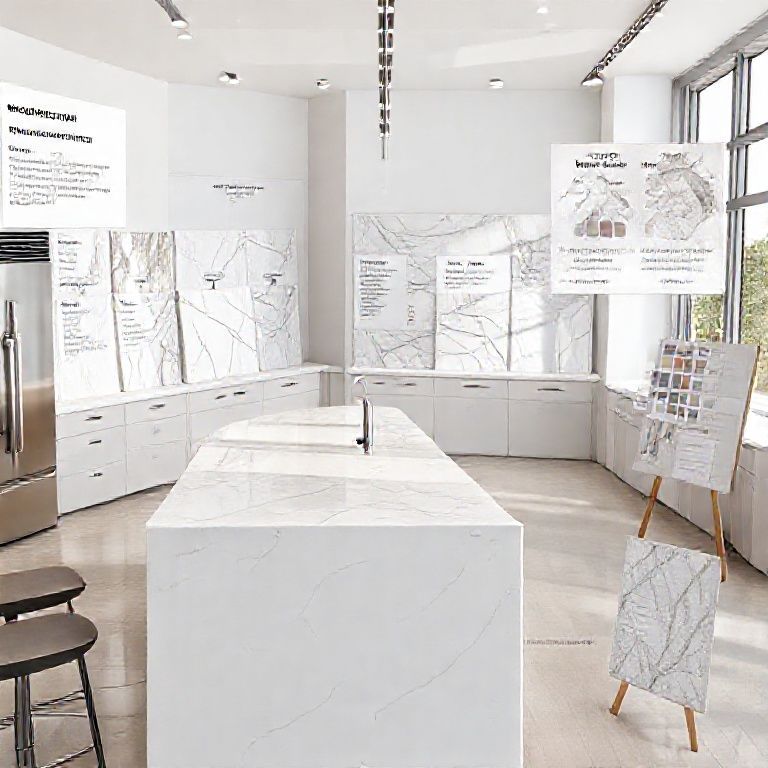
Understanding Artificial Marble Stains
Artificial marble can be prone to a variety of stains, including those from coffee, wine, cooking spills, and everyday household chemicals. Unlike natural marble, which can often be polished to regain its shine, artificial marble requires a more cautious approach to cleaning. The pigments in artificial marble can bleed or smear if not properly cleaned, which is why understanding the nature of the stain is essential before beginning any cleaning process.
Preparing Your Cleaning Materials
Before you begin cleaning, it’s important to gather the right materials to ensure the job is done effectively and safely. Here’s a list of items you will need:
Mild dish soap White vinegar Baking soda Soft cloths or sponges Microfiber cloths Spray bottle Soft-bristle brush
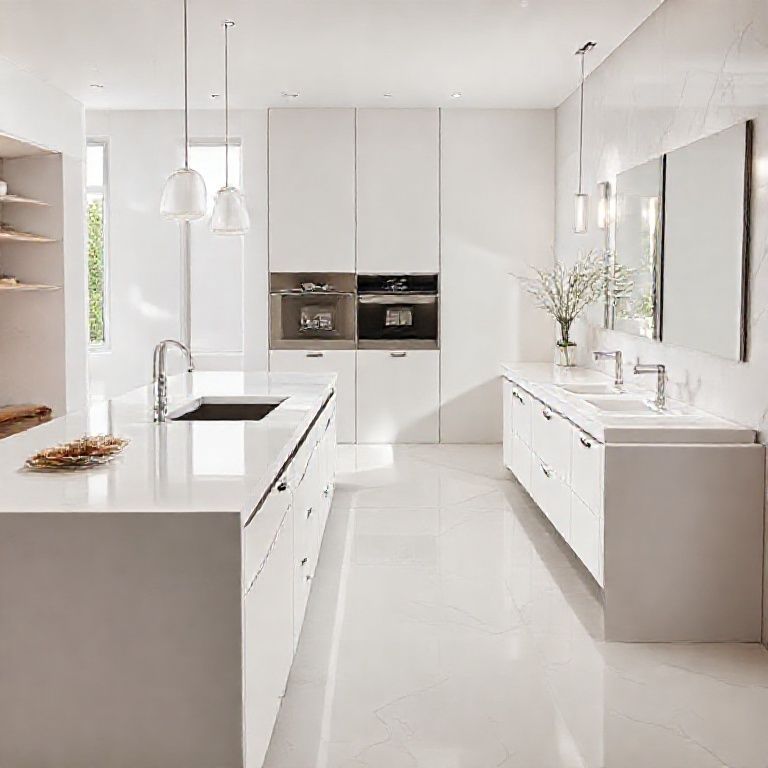
Using the wrong materials can cause more harm than good, so it’s important to stick to gentle, non-abrasive cleaners. Aggressive scrubbing or using harsh chemicals can damage the surface and create permanent stains.
Initial Cleaning Steps
To start, dampen a soft cloth with warm water and mild dish soap. Gently wipe the stained area to remove any loose dirt and debris. Avoid using excessive water, as artificial marble is not waterproof and can be damaged by too much moisture.
For tougher spots, you can make a cleaning solution using equal parts white vinegar and water. Mix the solution in a spray bottle and lightly mist the stained area. Let it sit for a few minutes to break down the stain before gently wiping it away with a soft cloth.
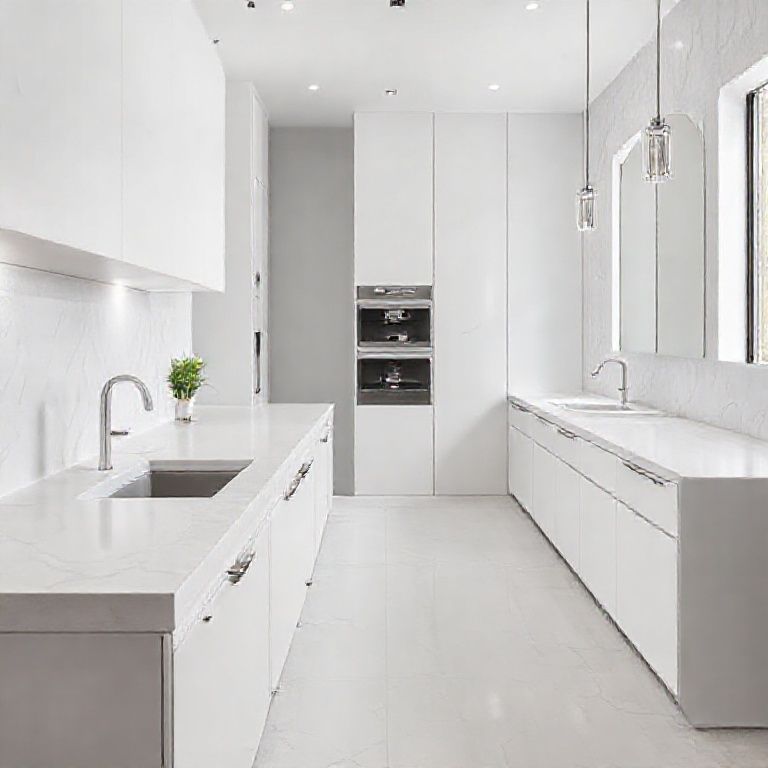
Testing Cleaning Solutions
Before applying any cleaning solution to a large area, it’s wise to test it on a small, inconspicuous section of the artificial marble. This step helps ensure that the solution won’t cause any discoloration or damage to the surface.
Baking Soda Paste for Stains
For stubborn stains, create a paste using baking soda and water. Apply the paste to the stain and gently scrub with a soft-bristle brush. This method is particularly effective for removing coffee, tea, and red wine stains. Once the stain is lifted, rinse the area with water and dry it thoroughly with a microfiber cloth.
Advanced Stain Removal Techniques and Maintenance Tips
Having covered the basics of stain removal in artificial marble, we now move on to more advanced techniques and maintenance tips to keep your surfaces looking their best. This second part will focus on specialized cleaning methods for different types of stains and ongoing maintenance strategies to prevent future staining.
Specialized Stain Removal Techniques
Grease and Oil Stains
Grease and oil stains are common on artificial marble, especially in kitchen areas. To tackle these, start with a mixture of warm water and a few drops of mild dish soap. Use a soft cloth to gently scrub the stained area. If the stain persists, create a paste with baking soda and water and apply it to the stain. Let it sit for a few minutes before scrubbing gently with a soft-bristle brush. Rinse thoroughly and dry with a microfiber cloth.
Ink Stains
Ink stains can be particularly stubborn. To remove them, gently rub a small amount of liquid soap or dish detergent onto a soft cloth and dab the stain lightly. Avoid scrubbing, as this can spread the ink further. Once the stain is lifted, rinse the area with water and dry it immediately. For particularly tough ink stains, consider using a commercial stain remover formulated for stone surfaces.
Fruit Juice Stains
Fruit juice stains, particularly those from red or purple juices, can be tricky. To remove them, apply a solution of equal parts white vinegar and water directly to the stain. Let it sit for a few minutes before gently scrubbing with a soft cloth or sponge. Rinse and dry thoroughly.
Preventive Maintenance Tips
Preventative care is key to maintaining the pristine appearance of artificial marble surfaces. Here are some tips to help keep your surfaces stain-free:
Use Protective Coasters and Trivets
To prevent spills and stains, always use coasters under drinks and trivets under hot dishes. This simple step can go a long way in protecting your artificial marble surfaces.
Regular Cleaning
Regular cleaning with a damp cloth and mild soap can help prevent stains from setting in. Wipe down surfaces daily and address spills immediately to avoid permanent damage.
Avoid Harsh Chemicals
Avoid using harsh chemicals, bleach, or abrasive cleaners on artificial marble. These can damage the surface and cause permanent stains. Stick to mild soap and water or vinegar solutions for everyday cleaning.
Proper Drying
After cleaning, make sure to dry surfaces thoroughly with a microfiber cloth to prevent water spots and potential damage.
Use Cutting Boards and Mats
When preparing food, use cutting boards and mats specifically designed for artificial surfaces to prevent scratches and stains.
Immediate Stain Treatment
For spills, especially those with acidic or sugary content, treat stains immediately. Blot the spill gently with a paper towel to absorb as much of the liquid as possible before cleaning with a mild soap solution.
Conclusion
Maintaining the beauty of artificial marble surfaces requires understanding the nature of the material and using appropriate cleaning methods. By following the steps outlined in this guide, you can effectively remove stains and keep your artificial marble looking pristine. Remember, prevention is just as important as cleaning, so incorporate these maintenance tips into your daily routine to ensure long-lasting beauty and durability of your artificial marble surfaces.
Stay tuned for more detailed tips and advanced cleaning techniques in the next part of our comprehensive guide on artificial marble stain removal!