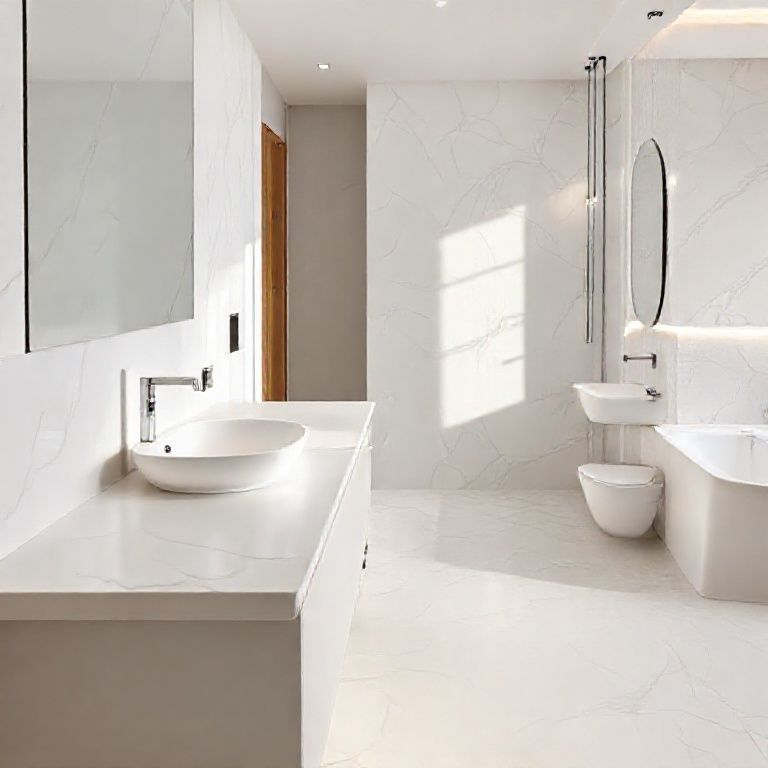
Introduction to Artificial Stone and Quartz Countertops
In the realm of modern kitchen design, “人造石台面和石英石台面” – Artificial Stone and Quartz Countertops – have emerged as the epitome of elegance and functionality. These innovative materials not only mimic the natural beauty of traditional stone but also offer unparalleled durability and versatility. Let’s delve into what makes these countertops a game-changer in kitchen design.
The Aesthetic Appeal of Artificial Stone Countertops
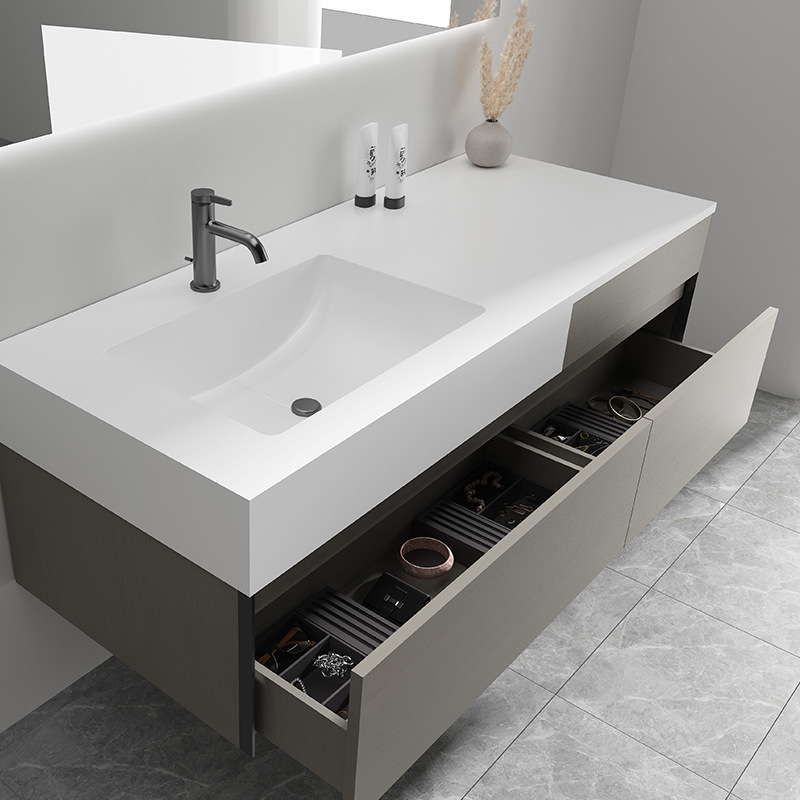
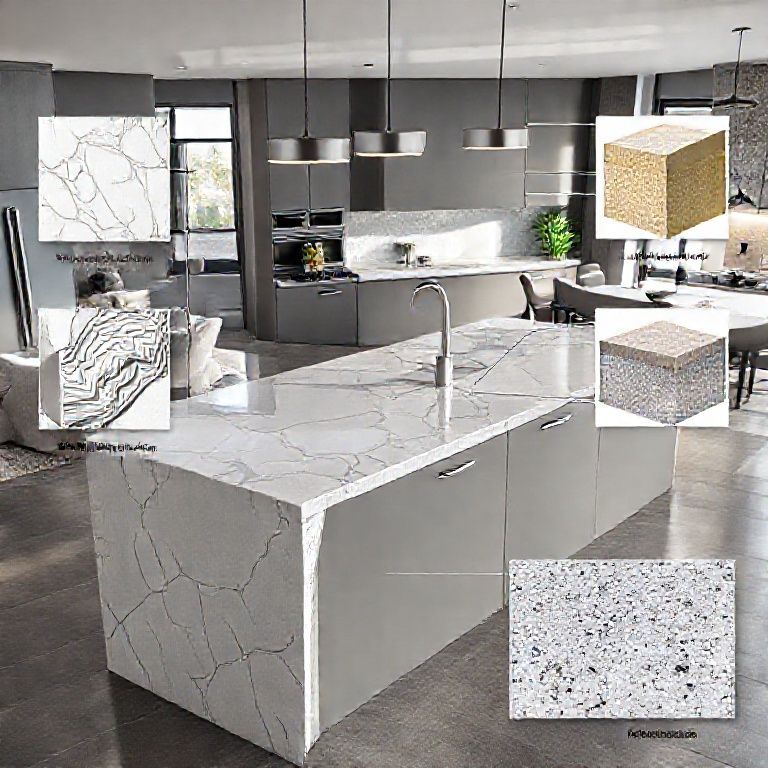
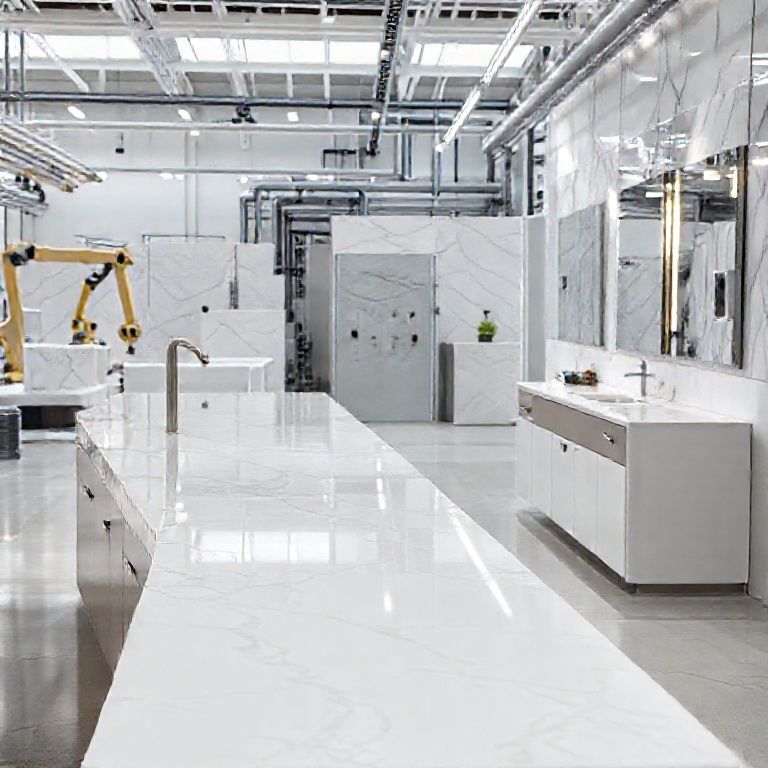
Artificial stone, or engineered stone, is a composite material crafted from natural stone, minerals, and polymer resins. The result is a countertop that boasts the visual allure of natural stone without the vulnerabilities. Available in an array of colors and patterns, artificial stone countertops provide a luxurious appearance that rivals traditional stone but at a fraction of the cost. Whether you prefer the rustic charm of marble or the sleek modernity of granite, artificial stone offers customizable options to suit any aesthetic preference.
Why Quartz Countertops are a Kitchen Essential
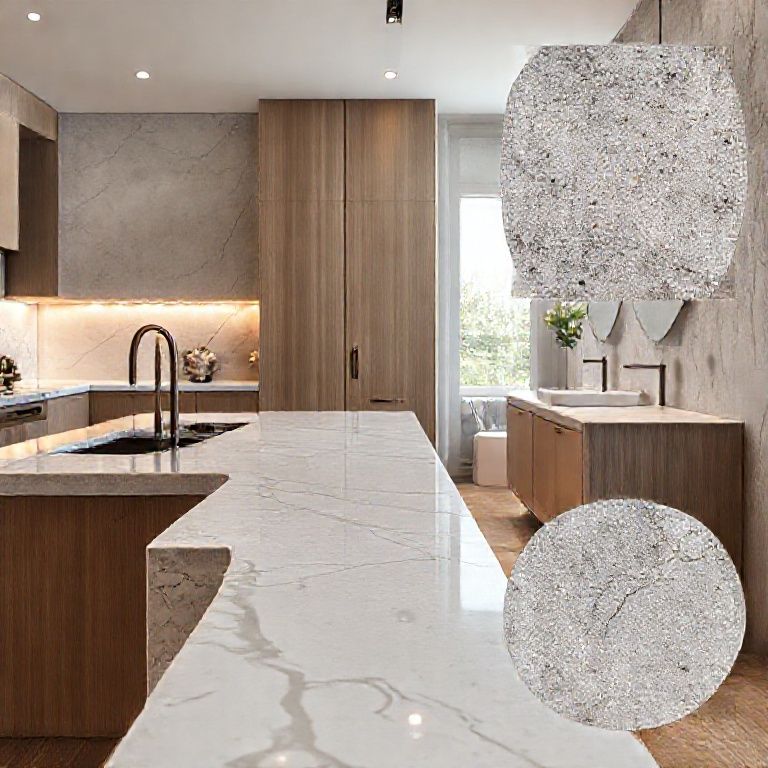
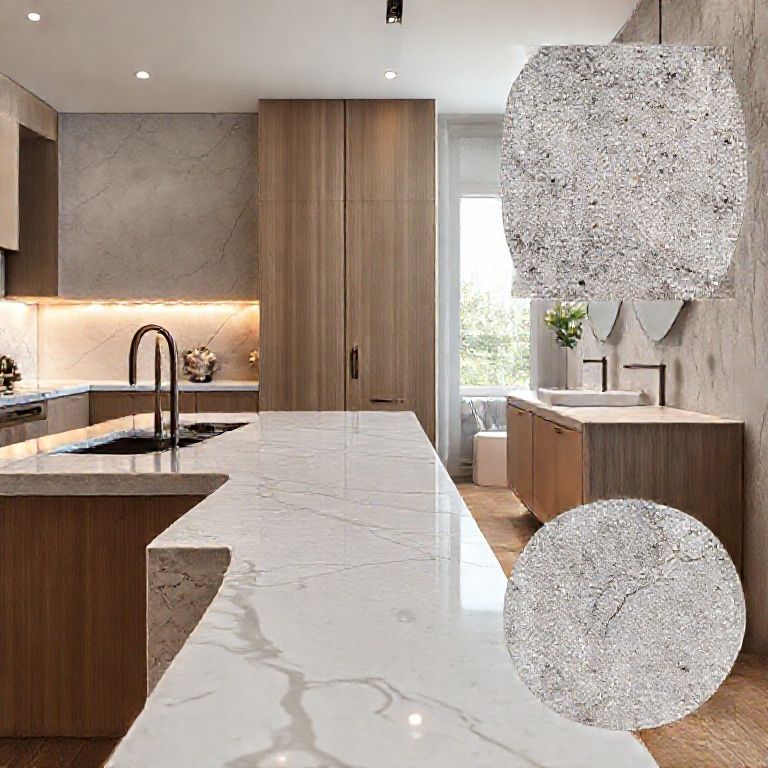
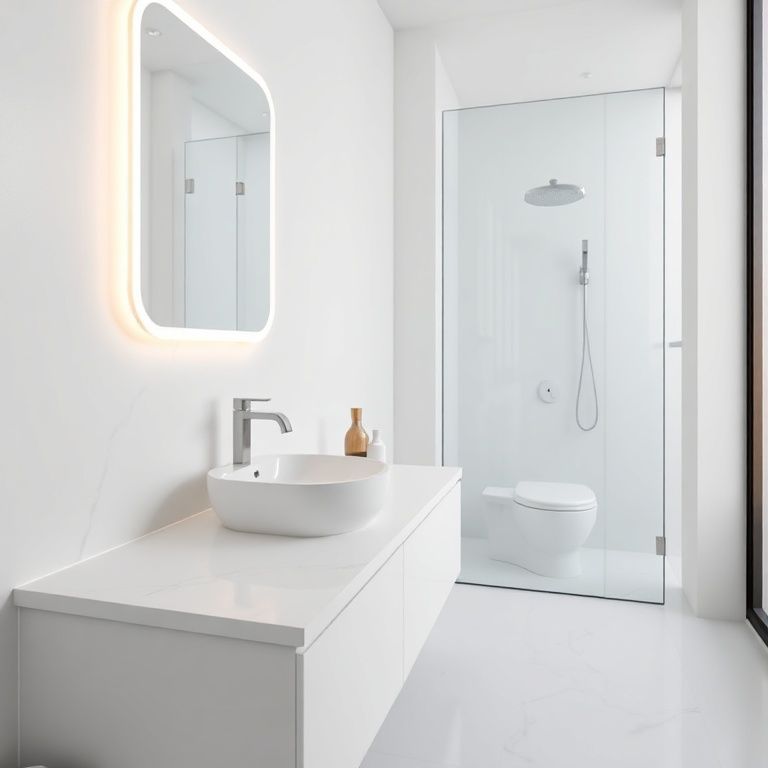
Quartz countertops, made from 94% pure quartz, are another marvel in the kitchen design landscape. Their beauty lies not just in their stunning appearance but in their superior durability and maintenance-free nature. Quartz countertops are resistant to stains, heat, and scratches, making them an ideal choice for high-traffic kitchen areas. Their seamless, one-piece construction ensures a flawless, uninterrupted surface that enhances the kitchen’s overall elegance.
Durability and Maintenance
One of the most significant advantages of both artificial stone and quartz countertops is their durability. Unlike natural stone, which can be prone to staining, etching, and chipping, these synthetic options provide a long-lasting solution. Artificial stone, while slightly more prone to scratching than quartz, is generally resilient to daily wear and tear, making it an excellent choice for families and busy households.
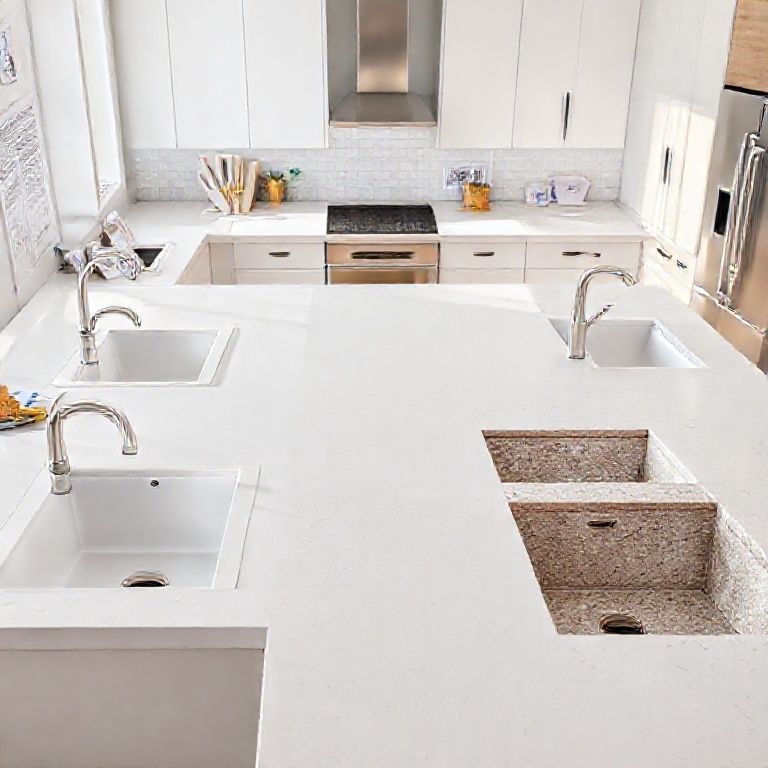
Quartz, on the other hand, is virtually indestructible. It doesn’t absorb liquids, meaning spills can be wiped away easily, and it doesn’t require sealing like natural stone does. This simplicity in maintenance translates to less time spent on cleaning and more time enjoying your kitchen.
Installation and Versatility
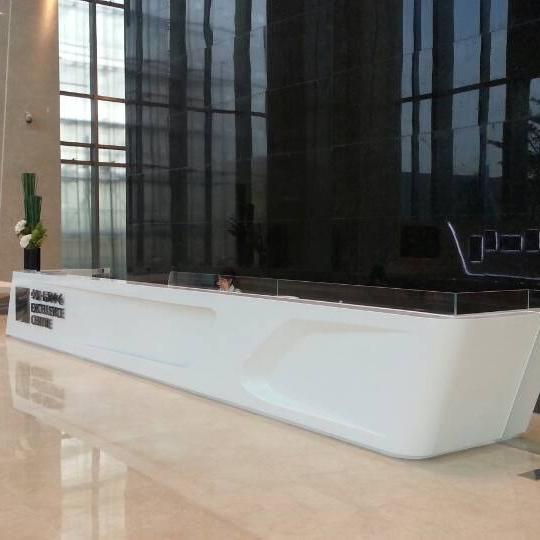
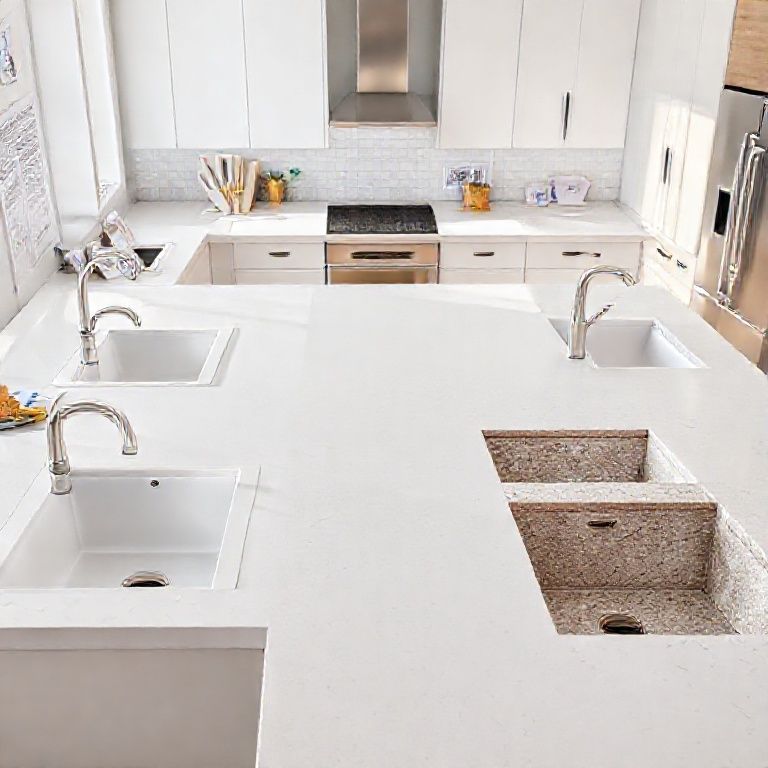
Installing artificial stone and quartz countertops is a straightforward process that typically requires less labor than natural stone. Both materials are designed to fit seamlessly into existing kitchen designs, providing flexibility in terms of size and shape. Whether you need a large island countertop or a smaller kitchen bar, these materials can be cut and shaped to fit your specific needs.
Customization and Design Options
The customization capabilities of artificial stone and quartz are vast. With artificial stone, you can choose from a myriad of colors and patterns to match or complement your kitchen decor. The ability to create unique designs, including intricate patterns and custom shapes, makes artificial stone a versatile choice for creative kitchen designers.
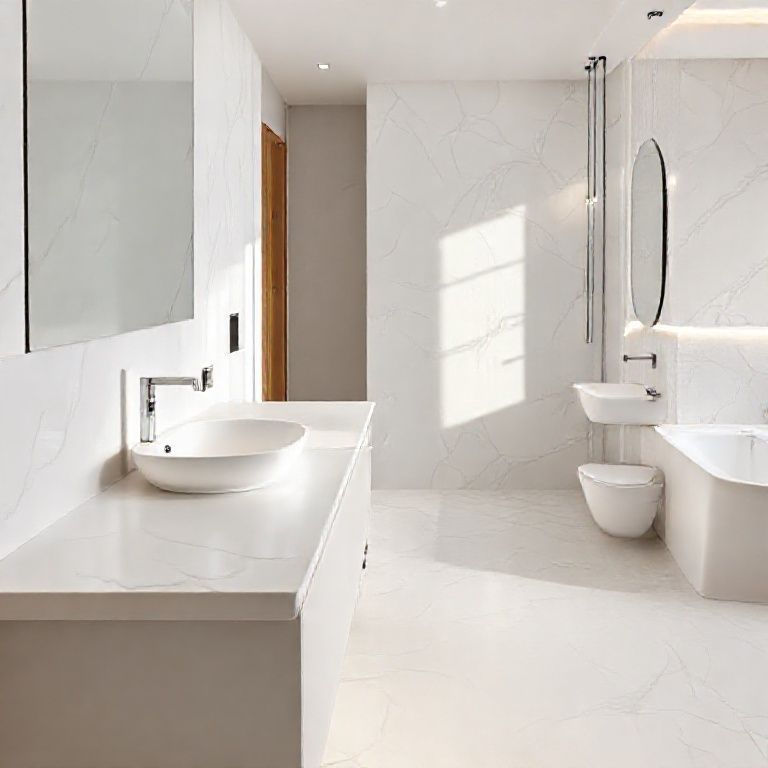
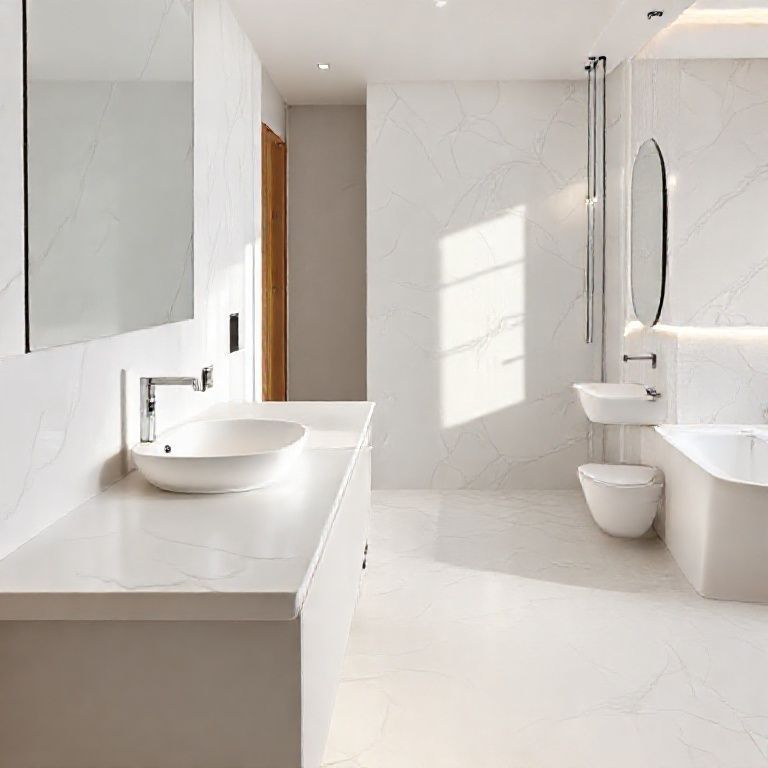
Quartz offers a similar level of customization. While it comes in a wide range of colors and finishes, its high-pressure manufacturing process allows for a perfect, flawless surface that can be engineered to suit any design vision.
Environmental and Economic Benefits
Both artificial stone and quartz countertops offer significant environmental benefits. They are made from recycled materials, reducing the need for mining and the environmental impact associated with natural stone extraction. Additionally, their durability means they last longer, reducing the need for frequent replacements, which in turn reduces waste.
Economically, while the initial cost of artificial stone and quartz may be higher than some conventional materials, the long-term savings from reduced maintenance and durability make them a wise investment.
Conclusion
In conclusion, “人造石台面和石英石台面” – Artificial Stone and Quartz Countertops – represent a harmonious blend of beauty, durability, and practicality. Whether you’re looking to enhance the visual appeal of your kitchen or seeking a low-maintenance, long-lasting surface, these countertops offer a superior alternative to traditional materials. Stay tuned for the next part where we will explore the installation process, design trends, and specific benefits of each material in more detail.
Installation Process and Design Trends
In the previous section, we explored the remarkable attributes of artificial stone and quartz countertops. Now, let’s dive deeper into the installation process, emerging design trends, and specific benefits that make these materials stand out in modern kitchen design.
Installation: Precision and Simplicity
The installation process for both artificial stone and quartz countertops is designed to be as simple and precise as possible. Given their composite nature, these materials can be cut and shaped to fit various kitchen configurations with minimal effort.
For artificial stone, the installation involves securing the countertop to the cabinet using adhesives or brackets, depending on the design. The process is typically straightforward, with professionals ensuring that the countertop is level and properly aligned. For quartz, due to its hardness and seamless construction, the installation process is almost identical. The key is to use high-quality adhesives and ensure that the surface is clean and dry before installation to guarantee a strong bond.
Emerging Design Trends
The design trends in kitchen countertops have seen a significant shift towards minimalist and modern aesthetics. Both artificial stone and quartz countertops are at the forefront of these trends, offering endless possibilities for creative kitchen designs.
Artificial stone countertops have become popular for their versatility in mimicking natural stone textures. Designers are increasingly using artificial stone to create unique, bespoke designs that blend traditional and contemporary styles. The ability to customize colors and patterns allows for a high degree of personalization, making each kitchen unique.
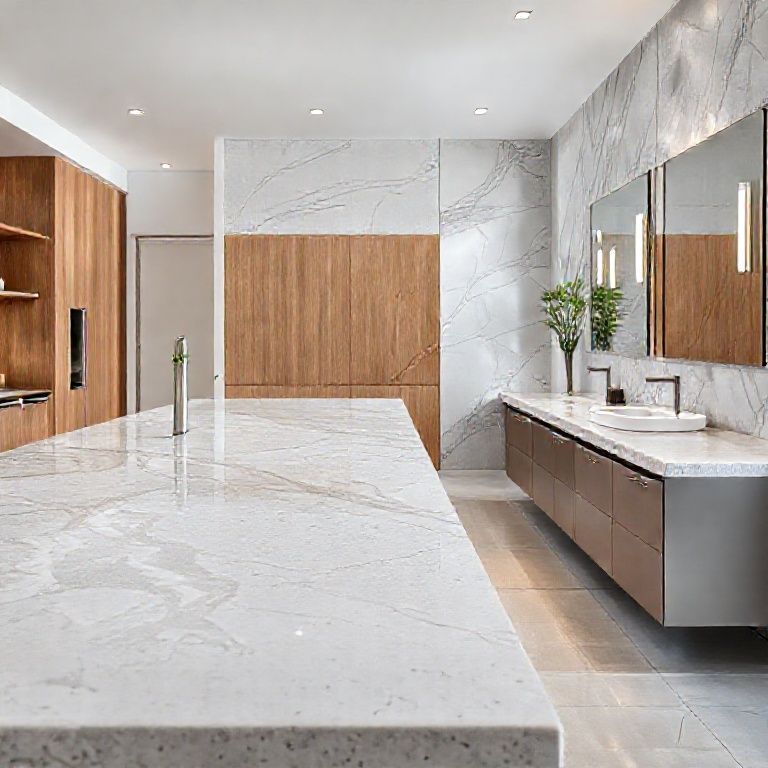
Quartz countertops, with their seamless and flawless surfaces, are perfect for minimalist designs. The clean, unblemished look of quartz complements modern, sleek kitchen designs. The versatility in color and finish means that quartz can be used in various ways to create everything from subtle accents to bold, statement pieces.
Specific Benefits: Durability and Practicality
One of the primary reasons for the popularity of artificial stone and quartz countertops is their exceptional durability.
Artificial Stone:
Scratch Resistance: While quartz reigns supreme in scratch resistance, artificial stone offers a good level of scratch resistance, making it suitable for busy kitchens. Heat Resistance: Artificial stone can withstand high temperatures, making it ideal for areas near stoves and ovens. Low Maintenance: Like quartz, artificial stone does not absorb liquids, meaning spills can be easily cleaned, reducing the maintenance effort.
Quartz:
Stain and Stain Resistance: Quartz’s composition makes it virtually stain-proof, providing a pristine look that remains unblemished over time. Heat Resistance: Quartz can withstand extreme temperatures, making it perfect for high-heat areas in the kitchen. Longevity: Quartz countertops are incredibly long-lasting, often lasting for decades with minimal wear and tear.
Eco-Friendly and Economical Choices
Both artificial stone and quartz are environmentally friendly options. They are made from recycled materials, reducing the need for mining and the environmental impact associated with natural stone. Additionally, their longevity means they require less frequent replacement, thus reducing waste.
From an economic perspective, while the initial cost of artificial stone and quartz may be higher than some conventional materials, the long-term savings from reduced maintenance and durability make them a wise investment.
Choosing the Right Material for Your Kitchen
When choosing between artificial stone and quartz for your kitchen, it’s important to consider your specific needs and preferences.
Artificial Stone: Ideal for those who want the look of natural stone but require a more durable, low-maintenance option. It’s perfect for those who appreciate customizable designs and patterns. Quartz: Perfect for those seeking ultimate durability, a stain-resistant surface, and a minimalist, modern aesthetic. Quartz is best for those who prioritize long-term investment and ease of maintenance.
Conclusion
In summary, “人造石台面和石英石台面” – Artificial Stone and Quartz Countertops – have revolutionized kitchen design with their blend of beauty, durability, and practicality. Whether you opt for the customizable allure of artificial stone or the pristine, long-lasting beauty of quartz, these countertops offer a modern, elegant solution for any kitchen. As you consider your next kitchen transformation, remember that these materials not only enhance the aesthetic appeal but also provide functional benefits that make them an excellent choice for any home.
Embrace the future of kitchen design with artificial stone and quartz countertops and elevate your culinary space to new heights of elegance and functionality.